Watery eyes in cats may seem like a minor issue, but they can signal anything from temporary irritation to serious health conditions. As a cat owner, noticing discharge, redness, or frequent blinking should prompt attention—not panic, but informed action. While occasional tearing might resolve on its own, persistent or worsening symptoms require understanding and timely intervention. This guide explores the most common causes of feline eye watering, outlines practical steps for home care, and clarifies when professional veterinary help is essential.
Common Causes of Watery Eyes in Cats
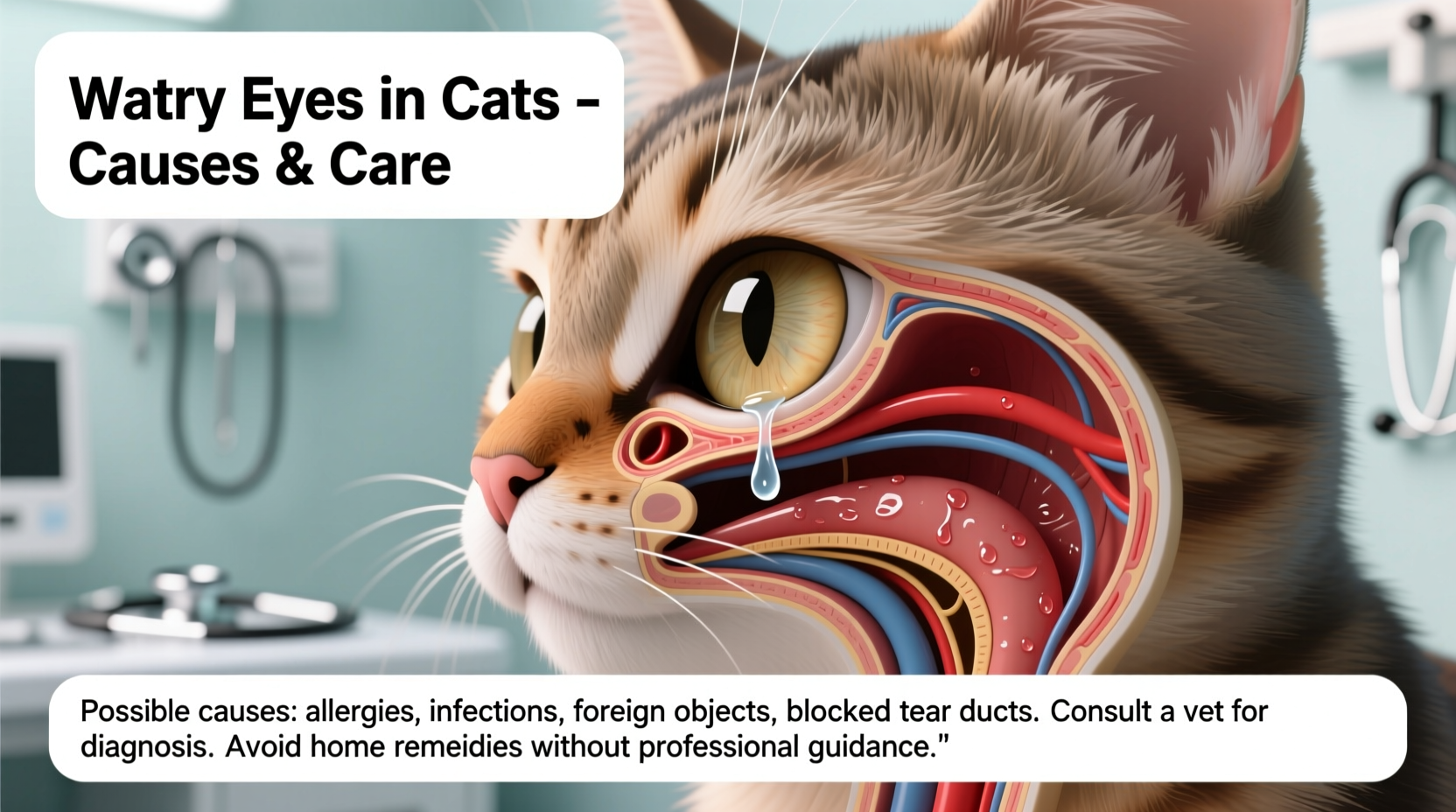
Cat eyes produce tears to keep the cornea lubricated, flush out debris, and protect against infection. Excessive tearing—known medically as epiphora—is often a sign that something is disrupting this balance. The underlying cause can range from environmental factors to systemic illness.
- Allergies: Just like humans, cats can react to pollen, dust, mold, smoke, or household cleaning products. These allergens irritate the eyes, triggering increased tear production.
- Conjunctivitis (Pink Eye): Inflammation of the conjunctiva—the thin membrane covering the eye and inner eyelids—is one of the most frequent causes. It can be viral (e.g., feline herpesvirus), bacterial, or allergic in origin.
- Upper Respiratory Infections: Viruses such as feline calicivirus or rhinotracheitis often present with ocular symptoms including watery or pus-filled discharge, sneezing, and nasal congestion.
- Foreign Bodies: Dust, grass seeds, or small particles trapped under the eyelid can cause irritation and excessive tearing.
- Blocked Tear Ducts: If the nasolacrimal ducts are obstructed, tears overflow onto the face instead of draining normally through the nose.
- Corneal Ulcers or Injuries: Scratches or abrasions on the surface of the eye lead to pain, squinting, and tearing.
- Anatomical Factors: Breeds with flat faces—like Persians or Himalayans—are prone to tear overflow due to shortened tear ducts and protruding eyes.
When to See a Veterinarian
Not every instance of watery eyes demands an emergency visit, but certain signs indicate urgent care is needed. Delaying treatment for eye issues can lead to complications, including vision loss.
“Any change in your cat’s eye appearance—cloudiness, discoloration, swelling, or persistent discharge—should be evaluated by a vet within 24 hours.” — Dr. Lena Patel, Feline Ophthalmology Specialist
Seek immediate veterinary attention if your cat shows any of the following:
- Prolonged tearing lasting more than 48 hours
- Yellow, green, or thick discharge (indicative of infection)
- Squinting or keeping the eye closed
- Redness, swelling, or visible third eyelid
- Cloudy or blue-tinged cornea
- Pawing or rubbing at the eye
- Lethargy or other signs of illness
Step-by-Step Guide: What to Do at Home (Safely)
If your cat has mild, clear discharge and seems otherwise healthy, you can take initial supportive steps while monitoring for changes.
- Observe closely: Note the frequency and appearance of the discharge, whether one or both eyes are affected, and if your cat is showing discomfort.
- Clean the area: Use a soft cloth or cotton ball moistened with lukewarm water or sterile saline solution to gently wipe away moisture and crust from around the eyes. Always wipe from the inner corner outward.
- Reduce irritants: Remove potential allergens such as scented litter, air fresheners, or cigarette smoke from your home.
- Prevent self-trauma: Use an Elizabethan collar if your cat is scratching or pawing at their eyes.
- Monitor for progression: Check twice daily for worsening symptoms. If no improvement occurs within two days, consult your vet.
Diagnosis and Veterinary Treatment Options
A veterinarian will perform a thorough ocular examination, which may include fluorescein staining to detect corneal ulcers, tear production tests (Schirmer test), and intraocular pressure checks to rule out glaucoma.
Treatment depends entirely on the diagnosis:
| Condition | Treatment Approach | Expected Outcome |
|---|---|---|
| Bacterial Conjunctivitis | Topical antibiotics (eye drops/ointment) | Symptom relief within 5–7 days |
| Viral Infection (e.g., Herpesvirus) | Antiviral medication, lysine supplements, supportive care | Chronic management; flare-ups possible during stress |
| Corneal Ulcer | Antibiotic drops, pain control, protective collar | Healing in 7–14 days with proper care |
| Allergic Reaction | Remove allergen, antihistamines (if prescribed) | Resolution once trigger is eliminated |
| Blocked Tear Duct | Flushing under anesthesia; surgery in severe cases | Long-term correction of drainage issue |
In some chronic cases—especially those linked to feline herpesvirus—lifelong management may be necessary. Stress reduction, immune support, and regular checkups become part of ongoing care.
Mini Case Study: Bella the Persian Cat
Bella, a 3-year-old Persian, was brought to her vet after her owner noticed constant wetness beneath her eyes and frequent pawing. Initially assumed to be normal for her breed, the condition worsened over three weeks, with yellowish discharge developing.
Upon examination, Bella was diagnosed with chronic conjunctivitis exacerbated by a partial tear duct blockage. Her facial structure made her prone to poor tear drainage, creating a breeding ground for bacteria. After a gentle duct flush and a two-week course of antibiotic ointment, her symptoms improved significantly. Her owner now cleans her face daily and uses hypoallergenic litter to minimize flare-ups. Regular vet visits ensure early detection of recurrence.
Prevention Tips and Long-Term Care
While not all causes of watery eyes are preventable, proactive care reduces risks and supports overall eye health.
Tip: Keep long-haired cats’ facial fur trimmed to reduce moisture buildup and bacterial growth around the eyes.Follow this checklist to maintain your cat’s eye health:
- ✅ Inspect eyes weekly for clarity, color, and discharge
- ✅ Clean eye corners gently as needed with sterile wipes or saline
- ✅ Avoid exposure to smoke, strong perfumes, and dusty environments
- ✅ Schedule annual wellness exams (twice yearly for seniors)
- ✅ Keep vaccinations up to date to prevent infectious diseases
- ✅ Manage stress with consistent routines and enrichment activities
Frequently Asked Questions
Is it normal for kittens to have watery eyes?
Mild tearing can occur as kittens’ tear ducts fully develop, especially in the first few weeks. However, pus-like discharge or crusting is not normal and may indicate infection requiring treatment.
Can I use human eye drops on my cat?
No. Human medications may contain ingredients toxic to cats or unsuitable for feline anatomy. Always consult your vet before applying any product to your cat’s eyes.
Why does my cat have watery eyes but seems fine otherwise?
Early-stage irritation or mild allergies may not yet affect behavior. Monitor closely—if tearing persists beyond two days or worsens, schedule a vet visit even if your cat appears active and eating well.
Conclusion: Take Action Before It Escalates
Watery eyes in cats are more than just a messy face—they’re a communication tool. Your cat can’t tell you something hurts, but their eyes might be sending the message. Understanding the possible causes empowers you to respond appropriately, whether that means a simple cleanup or a trip to the vet. Early detection and proper care make the difference between a quick recovery and long-term complications.
💬 Your experience matters. Have you dealt with watery eyes in your cat? Share your story or questions in the comments—your insight could help another pet owner act sooner.








