Kittens often act as if they cannot bear to be apart from their humans. They follow you from room to room, curl up in your lap the moment you sit down, and meow insistently when left alone. While this behavior can be endearing, it sometimes raises questions: Is this normal? Are they insecure? Could it be a sign of separation anxiety? Understanding the roots of clinginess in kittens requires looking beyond surface-level actions and into their developmental stage, social instincts, and early experiences.
Clinginess in kittens is not just random affection—it’s deeply rooted in biology, learning, and survival. From birth, kittens rely entirely on their mother for warmth, nourishment, and safety. When separated from her—especially if adopted early—their human caregiver becomes the new source of security. This transition shapes how they bond and express attachment throughout their early months.
The Biological Basis of Kitten Attachment
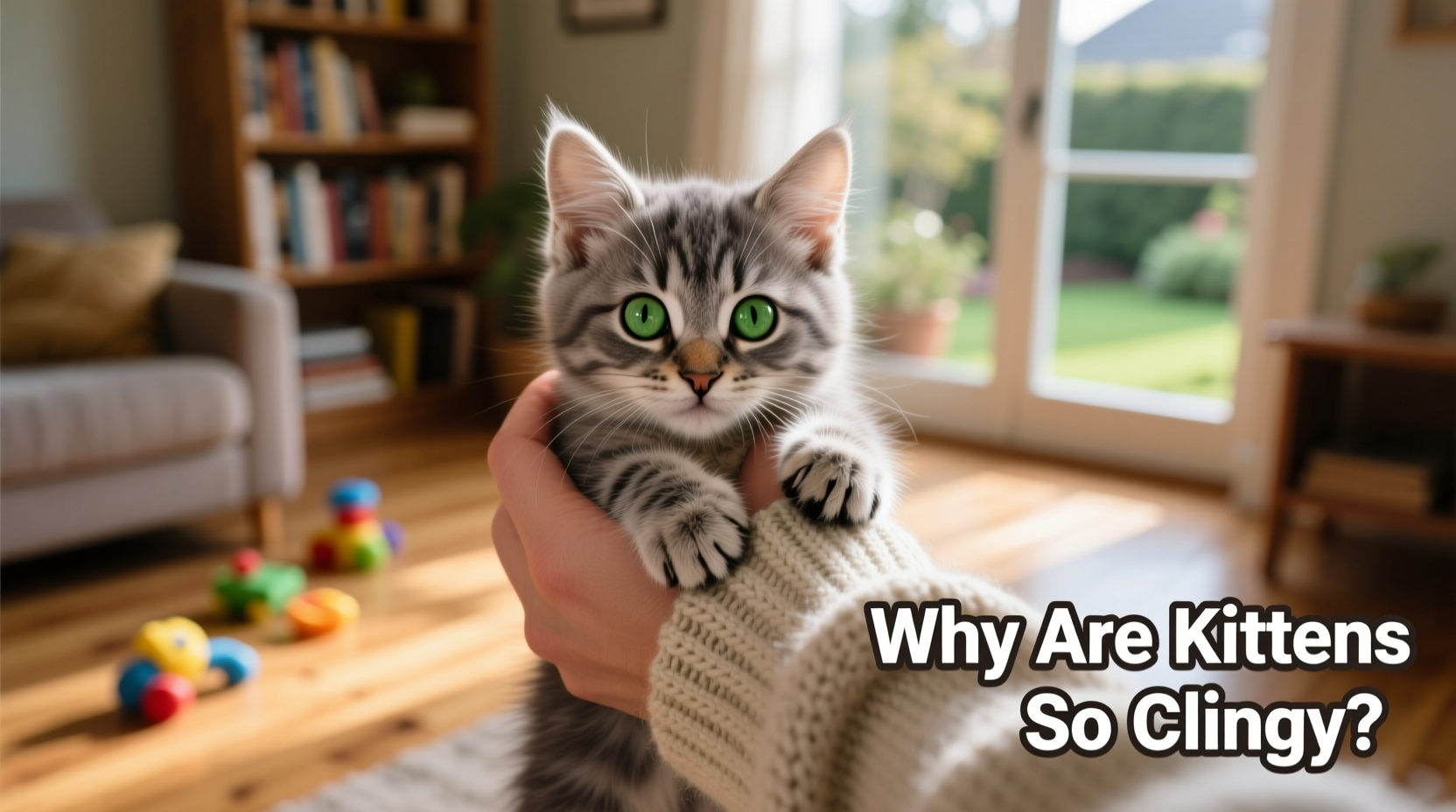
Newborn kittens are altricial, meaning they’re born helpless and dependent. Their eyes don’t open until around 7–10 days old, and they lack the ability to regulate body temperature or move independently. During this vulnerable phase, proximity to their mother is essential for survival. The scent, warmth, and rhythmic breathing of the mother cat provide both physical comfort and neurological reassurance.
When a kitten is taken into a human home before eight weeks of age—often the case with pet adoptions—this biological need for closeness transfers to people. The human becomes the surrogate caregiver, and the kitten instinctively seeks constant contact. This isn’t manipulation; it’s a hardwired survival mechanism.
“Kittens form attachments quickly, especially during the socialization window between 2 and 7 weeks. Humans who handle them gently during this time become part of their ‘colony.’” — Dr. Sarah Thompson, Feline Behavior Specialist
This early imprinting explains why some kittens treat their owners like littermates or maternal figures. Behaviors such as kneading, purring while near you, or sleeping curled against your chest mimic interactions they once had with their mother and siblings.
Social Development and Environmental Influence
A kitten’s environment plays a crucial role in shaping its level of dependence. Those raised in quiet, isolated settings with minimal stimulation may develop stronger attachment behaviors due to limited exposure to varied experiences. In contrast, kittens raised in enriched environments—with toys, sounds, other animals, and regular handling—tend to be more confident and independent over time.
However, even well-socialized kittens may go through clingy phases. Around 4 to 6 months of age, many kittens experience a “fear period,” where new objects, noises, or routines trigger anxiety. During this time, they often seek extra reassurance from trusted humans, appearing more needy than usual.
Tip: Introduce new experiences gradually during the fear period. Forcing independence can increase anxiety; instead, offer support while encouraging small steps toward self-reliance.Common Clingy Behaviors and What They Mean
Not all clinginess looks the same. Different behaviors signal different emotional states. Recognizing these cues helps owners respond appropriately rather than inadvertently reinforcing excessive dependency.
| Behavior | Meaning | Recommended Response |
|---|---|---|
| Following you constantly | Desire for companionship or uncertainty about surroundings | Provide safe spaces and short periods of independent play |
| Excessive vocalization when alone | Potential separation distress or learned attention-seeking | Gradual desensitization to solitude; avoid immediate reward of cries |
| Overgrooming or sucking fabrics | Stress displacement or early weaning trauma | Consult a vet; enrich environment with textures and chew-safe toys |
| Refusing to eat without owner present | High dependency or anxiety around feeding | Feed in consistent location; slowly increase distance over time |
Building Healthy Independence: A Step-by-Step Guide
While affectionate bonding is natural, fostering independence ensures your kitten grows into a balanced adult cat. Follow this timeline to encourage confidence without discouraging connection.
- Weeks 8–10: Establish a secure base. Create a cozy, quiet space with bedding, litter box, food, and water. Spend time nearby without forcing interaction.
- Weeks 11–14: Introduce solo time. Begin leaving the room for 5-minute intervals while the kitten is engaged in play. Return calmly—do not reward frantic meowing.
- Months 4–5: Expand territory. Allow access to new rooms one at a time. Use puzzle feeders to stimulate problem-solving during alone time.
- Month 6 and beyond: Reinforce routine. Maintain consistent feeding, play, and sleep schedules. Predictability reduces anxiety-driven clinging.
The goal isn’t to make the kitten indifferent but to teach it that being alone is safe and temporary. Confidence builds when kittens learn they can explore, rest, and play without constant supervision.
When Clinginess Crosses Into Anxiety
There’s a difference between healthy attachment and maladaptive dependency. Signs that clinginess may stem from anxiety include:
- Destructive behavior when left alone (scratching furniture, urinating outside the litter box)
- Persistent pacing or vocalization lasting more than 30 minutes after departure
- Physical symptoms like diarrhea or loss of appetite during isolation
- Obsessive following—even into the bathroom—and inability to settle
If these patterns persist past 8 months of age, consult a veterinarian or certified feline behaviorist. True separation anxiety in cats is less common than in dogs but still possible, particularly in kittens orphaned or separated too early from their mothers.
Mini Case Study: Luna, the Shadow Kitten
Luna, a 10-week-old domestic shorthair, was adopted after being found abandoned at five weeks. Her new owner, Mark, noticed she wouldn’t eat unless he sat beside her bowl and cried loudly whenever he closed a door. By week three, Luna began refusing to enter any room he wasn’t in.
After consulting a vet and ruling out medical causes, Mark implemented a structured independence plan. He started feeding Luna in the same spot daily, then gradually moved his chair farther away each meal. He introduced interactive toys timed to activate when he left the room. Within six weeks, Luna began eating on her own and napping in a cat bed near—but not touching—his feet.
The turning point came when Mark played recordings of his voice during absences. Over time, Luna associated his absence with eventual return, not abandonment. Her clinginess didn’t vanish overnight, but it transformed into secure attachment rather than anxious dependence.
Frequently Asked Questions
Is it normal for my kitten to sleep on me every night?
Yes. Kittens seek warmth and security, and your body provides both. As long as the behavior doesn’t disrupt your sleep or lead to aggression, it’s a sign of trust. Consider providing a heated cat bed nearby to gently encourage alternatives.
Will ignoring my clingy kitten make it less attached?
No—ignoring distress signals often worsens anxiety. Instead, respond calmly and consistently. Reward moments of independent play with praise or treats, but don’t punish attempts to seek comfort.
Can two kittens reduce clinginess?
Often, yes. Siblings or similarly aged kittens can keep each other company, reducing reliance on humans. However, they still require individual socialization and should not be seen as a substitute for human interaction.
Final Thoughts: Nurturing Connection Without Encouraging Dependence
Clinginess in kittens is a natural expression of trust, curiosity, and developmental need. It reflects their desire to bond and learn in a world that initially seems vast and uncertain. Rather than viewing it as a behavioral flaw, consider it an opportunity to guide your kitten toward emotional resilience.
The most affectionate cats aren’t those deprived of closeness—they’re the ones who were allowed to depend early so they could confidently let go later. By balancing warmth with boundaries, you lay the foundation for a relationship built on mutual respect and deep companionship.
💬 Have a clingy kitten story or tip? Share your experience below—your insight might help another pet parent navigate the joyful chaos of raising a tiny, devoted shadow.








