In recent years, kawaii stickers—those bright, whimsical, and often cartoonish decals featuring smiling animals, pastel desserts, or wide-eyed characters—have surged in popularity far beyond children’s lunchboxes and school notebooks. Adults now proudly decorate laptops, water bottles, journals, and even office desks with them. What was once considered a niche Japanese cultural export has evolved into a global phenomenon embraced by professionals, artists, and mental wellness advocates alike. But what drives this adult fascination with something so seemingly childish? The answer lies not just in aesthetics, but in deep psychological mechanisms: nostalgia, emotional regulation, identity expression, and the pursuit of micro-moments of joy.
The Rise of Kawaii Culture in Adulthood
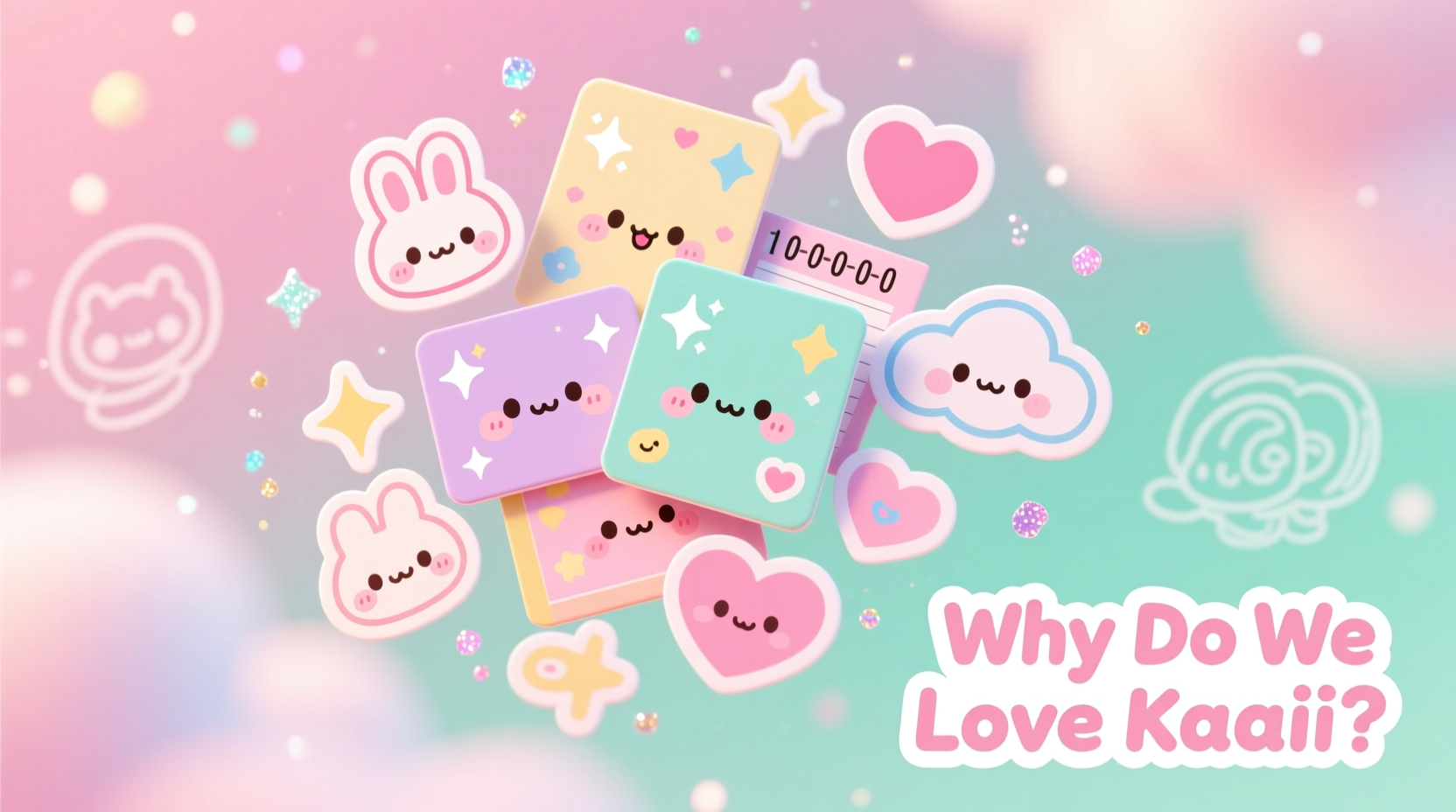
Kawaii, meaning “cute” in Japanese, originated in the 1970s as a handwriting style among young women and quickly expanded into fashion, product design, and media. Characters like Hello Kitty, Pikachu, and Rilakkuma became icons, symbolizing innocence, playfulness, and emotional warmth. While initially targeted at younger audiences, kawaii culture has matured alongside its fans. Today, adults who grew up with Tamagotchis, anime, and Sanrio merchandise are reclaiming these symbols not as relics of childhood, but as meaningful tools for emotional well-being.
The resurgence is visible across social platforms. Instagram grids overflow with curated sticker spreads; TikTok videos showcase “kawaii hauls” and laptop customization; Etsy shops thrive on handmade vinyl stickers. But beneath the aesthetic appeal lies a more profound function: kawaii stickers serve as tiny anchors of comfort in an increasingly complex world.
Nostalgia as Emotional Comfort
Nostalgia is more than just reminiscing about the past—it’s a psychological resource that helps regulate mood and reinforce identity. According to Dr. Constantine Sedikides, a leading researcher on nostalgia at the University of Southampton, “Nostalgia functions as a psychological buffer. It reminds people of meaningful relationships, personal growth, and moments of safety.” For many adults, kawaii stickers evoke memories of simpler times: collecting Pocky stickers, trading Pokémon cards, or watching Saturday morning cartoons. These associations trigger dopamine release, creating a sense of warmth and familiarity.
This form of nostalgic engagement isn’t escapism—it’s reconnection. In a 2022 study published in Emotion, participants exposed to nostalgic stimuli reported lower stress levels and higher feelings of social connectedness. Kawaii stickers act as portable time capsules, offering instant access to that emotional safe space. A sticker of a smiling cloud or a bento box character doesn’t just decorate—it reassures.
“Nostalgia doesn’t pull us backward; it grounds us in continuity. When adults engage with kawaii culture, they’re often reaffirming parts of themselves they thought they’d outgrown.” — Dr. Naomi Takahashi, Cultural Psychologist, Kyoto UniversityTip: Use kawaii stickers as intentional mood boosters—place them where you’ll see them during stressful moments, like on your planner or phone case.
Emotional Regulation Through Playful Design
Modern adulthood is often defined by responsibility, productivity, and emotional restraint. Kawaii stickers disrupt that narrative by introducing playfulness into serious spaces. Their exaggerated features—oversized eyes, soft shapes, pastel colors—are designed to elicit positive affect. This is rooted in evolutionary psychology: humans are biologically wired to respond positively to infantile features (a concept known as *kindchenschema*), which signal harmlessness and elicit caregiving instincts.
When adults surround themselves with kawaii imagery, they’re not regressing—they’re rebalancing. In high-pressure environments like corporate offices or academic settings, a single sticker of a blushing avocado can serve as a subtle act of resistance against emotional burnout. It’s a quiet declaration: “I choose joy here.”
Moreover, the tactile experience of applying stickers—peeling, placing, adjusting—offers a mindful pause. This small ritual can interrupt rumination and anchor attention in the present moment, functioning similarly to fidget tools or sensory objects used in anxiety management.
How Kawaii Aesthetics Influence Mood
| Aesthetic Feature | Psychological Effect | Real-World Application |
|---|---|---|
| Oversized eyes | Triggers empathy and attention | Stickers on work devices increase perceived friendliness |
| Pastel colors | Reduces visual aggression, promotes calm | Used in therapeutic journaling and bullet planning |
| Soft edges & rounded shapes | Feeling of safety and approachability | Common in mental health awareness campaigns |
| Exaggerated smiles | Mimicry response—induces actual smiling | Boosts mood through facial feedback loop |
Identity and Self-Expression in Subtle Forms
For many adults, especially those navigating professional or conservative environments, overt self-expression can feel risky. Kawaii stickers offer a socially acceptable yet deeply personal way to assert individuality. A collection of food-themed stickers might reflect a love of baking; a series of anime-inspired designs could signal fandom loyalty; minimalist kawaii cats may indicate a preference for subtle cuteness over maximalism.
This form of micro-customization allows for identity signaling without confrontation. In urban workplaces where conformity is expected, a sticker-covered laptop becomes a silent manifesto. It says: “I am more than my job title. I have humor. I have taste. I have joy.”
Furthermore, the act of curating sticker collections fosters a sense of agency. Choosing which stickers to display, when to rotate them, or how to layer them becomes a creative practice—a low-stakes art form accessible to anyone, regardless of skill level.
The Social Dimension: Community and Belonging
Kawaii culture thrives on shared appreciation. Online communities such as r/kawaii on Reddit, Discord servers for sticker traders, and Instagram accounts dedicated to “kawaii unboxings” create spaces where adults can connect over mutual interests without judgment. These digital gatherings validate the emotional significance of seemingly trivial items.
In a mini case study conducted via interviews with members of a Tokyo-based kawaii meetup group, participants reported that sticker exchanges helped reduce loneliness. One 34-year-old software engineer shared: “After moving to a new city, I felt isolated. Joining a sticker swap group gave me friends who ‘got’ my sense of humor. We don’t just trade stickers—we share life updates, support each other through hard times.”
This illustrates a key insight: kawaii stickers are not just objects—they are social currency. Gifting a custom sticker, matching someone’s aesthetic, or recognizing a rare design fosters connection. In a world where digital communication often feels transactional, these small gestures rebuild intimacy.
Step-by-Step Guide: Building a Meaningful Kawaii Sticker Collection
Starting a sticker collection isn’t just about accumulation—it’s about intentionality. Follow these steps to create a set that supports your emotional well-being and reflects your personality.
- Identify Your Themes: Reflect on what brings you joy—food, nature, fantasy, humor? Choose 2–3 core themes to guide your selections.
- Start Small: Begin with 5–10 stickers from reputable sellers. Look for UV-resistant vinyl if using on outdoor gear.
- Create a Display Space: Dedicate a notebook, tablet case, or water bottle as your “canvas.” Rotate stickers seasonally to keep it fresh.
- Engage with Community: Join online forums or local meetups. Participate in sticker swaps to discover new designs and build connections.
- Use Mindfully: Place uplifting stickers where you need encouragement—on your planner for motivation, near your desk lamp for focus, or on your keys for a daily smile.
Checklist: Healthy Kawaii Engagement
- ✅ Use stickers to enhance, not escape, reality
- ✅ Balance playful items with functional organization tools
- ✅ Engage with others—share, gift, or trade stickers
- ✅ Avoid compulsive buying; focus on meaningful additions
- ✅ Reflect periodically: Do these stickers still bring me joy?
Frequently Asked Questions
Isn’t liking kawaii stickers childish for adults?
Not at all. Appreciating cuteness is a universal human trait. Adults who enjoy kawaii culture aren’t denying maturity—they’re integrating emotional richness into their lives. Psychological research shows that maintaining a sense of play correlates with resilience and creativity.
Can kawaii stickers really improve mental health?
While not a substitute for therapy, kawaii stickers can support mental wellness by providing micro-moments of positivity, reducing visual monotony, and serving as tangible reminders of self-care. They function best as part of a broader emotional toolkit.
Where can I find high-quality, ethical kawaii stickers?
Support independent artists on platforms like Etsy, Redbubble, or Booth.pm. Look for sellers who credit designers, use eco-friendly materials, and offer inclusive character representations.
Conclusion: Reclaiming Joy, One Sticker at a Time
The popularity of kawaii stickers among adults is not a passing trend—it’s a quiet revolution in emotional culture. In a world that often demands seriousness, efficiency, and emotional suppression, choosing to place a giggling cupcake on your laptop is an act of courage. It’s a declaration that joy matters. That softness has strength. That nostalgia can be a compass, not a cage.
These stickers do more than decorate; they heal, connect, and affirm. Whether you're rediscovering childhood favorites or discovering kawaii for the first time, the message is the same: you deserve moments of lightness. You are allowed to take up space with color, whimsy, and delight.
💬 What sticker holds the most meaning for you? Share your story in the comments—let’s celebrate the small things that make life brighter.








