
In recent years, travelers have noticed a sharp increase in the cost of airfare. Whether booking a domestic weekend getaway or an international vacation, flight tickets seem to carry sticker shock more often than not. The question on many minds is simple: why are flight tickets so expensive right now? The answer isn’t rooted in a single cause but rather a complex web of economic forces—ranging from post-pandemic recovery to geopolitical tensions and structural shifts in the airline industry. This article breaks down the key factors behind rising airfares and offers practical insights for navigating today’s costly skies.
1. Post-Pandemic Airline Recovery and Reduced Competition
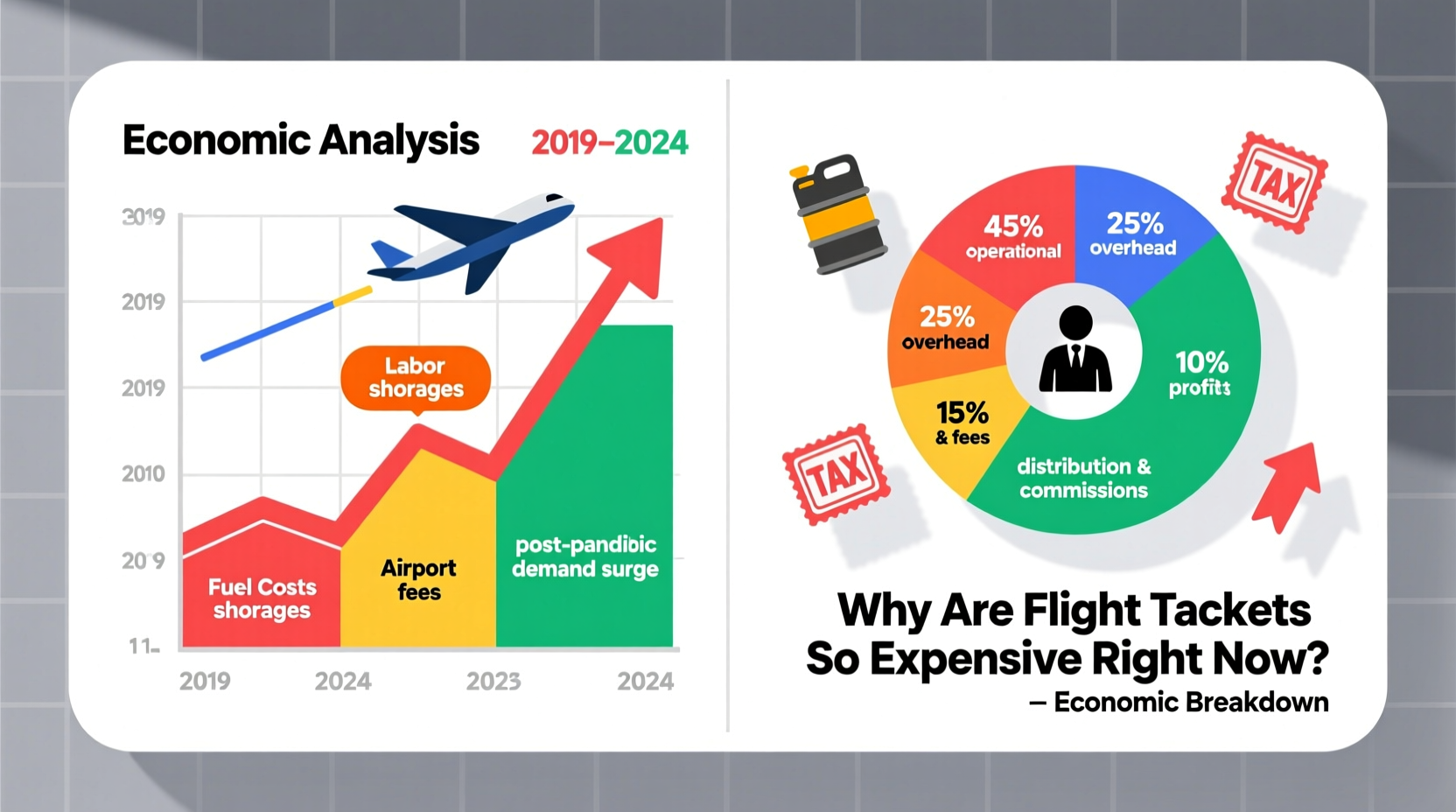
The global aviation industry was nearly grounded during the height of the pandemic. In 2020 and 2021, passenger demand plummeted as lockdowns, health concerns, and travel restrictions kept people at home. Airlines responded by cutting routes, retiring aircraft, and laying off staff. While demand has rebounded strongly since 2022, supply has not kept pace.
Many smaller carriers either went out of business or were absorbed into larger ones. Regional airlines, which serve smaller airports and connect passengers to major hubs, faced severe staffing shortages and operational strain. As a result, fewer flights are available on certain routes, reducing competition and allowing surviving airlines to raise prices without fear of losing customers to alternatives.
According to the U.S. Department of Transportation, just four airlines—American, Delta, United, and Southwest—now control over 80% of domestic air travel capacity. This level of market concentration gives them significant pricing power. When competition dwindles, fares rise—not because operating costs alone justify it, but because there’s little incentive to offer lower prices.
“With fewer players in the game, airlines can optimize revenue instead of competing on price.” — Dr. Michael Roth, Aviation Economist at George Mason UniversityTip: Consider flying mid-week or during off-peak seasons when demand is lower and airlines may offer slight discounts to fill seats.
2. Soaring Fuel Costs and Their Impact on Pricing
Jet fuel is one of the largest operating expenses for airlines, typically accounting for 20–30% of total costs. Since 2022, global jet fuel prices have surged due to a combination of factors: the war in Ukraine, sanctions on Russian oil, supply chain disruptions, and increased demand as economies reopened.
While airlines hedge fuel prices months in advance to mitigate volatility, long-term increases eventually pass through to consumers. When hedging contracts expire and new purchases are made at higher market rates, those costs are reflected in ticket prices.
For example, in early 2022, jet fuel averaged around $3.50 per gallon. By mid-2023, it had climbed to over $5.00—a 43% increase. Even though prices have moderated slightly in 2024, they remain well above pre-pandemic levels. These sustained high input costs force airlines to maintain elevated fare structures simply to break even.
| Year | Average Jet Fuel Price (per gallon) | Change vs. Pre-Pandemic |
|---|---|---|
| 2019 | $2.10 | Baseline |
| 2022 | $3.50 | +67% |
| 2023 | $5.10 | +143% |
| 2024 (avg.) | $4.30 | +105% |
Even minor fluctuations in fuel prices directly impact short-haul profitability. On some regional routes, a $1 increase in fuel cost per gallon can make the difference between profit and loss—prompting airlines to cut unprofitable routes altogether, further tightening supply.
3. Labor Shortages and Rising Operational Costs
Beyond fuel, labor is another major expense. Pilots, flight attendants, mechanics, and ground crews all saw widespread layoffs during the pandemic. Now, with travel demand returning, airlines are scrambling to rehire—but training new pilots takes years, and experienced staff are in short supply.
To attract and retain talent, airlines have offered substantial pay raises. Delta, for instance, increased starting pilot salaries by over 50% in 2022. United announced a $1 billion investment in pilot compensation over five years. While these moves are necessary for safety and service quality, they add millions to annual operating costs—all of which contribute to higher ticket prices.
Maintenance delays, staffing bottlenecks, and reduced fleet availability also limit how many flights can operate daily. With fewer planes in the air, each seat becomes more valuable, enabling dynamic pricing algorithms to push fares upward during peak times.
4. Surge in Travel Demand and Pent-Up Consumer Spending
After two years of restricted movement, consumers unleashed a wave of pent-up demand for travel. Credit card data from 2023 showed that spending on airlines and accommodations exceeded 2019 levels by 27%. International travel, in particular, rebounded sharply as borders reopened and vaccination rates rose.
This surge wasn't evenly distributed. Popular destinations like Europe, the Caribbean, and Southeast Asia saw demand spike faster than airlines could restore capacity. At the same time, travelers shifted preferences toward longer trips and premium cabins, increasing revenue per passenger.
Airlines responded by prioritizing profitable routes and higher-margin services. Business and first-class seats were expanded on many international flights, while economy class availability tightened. This shift allows carriers to maximize revenue—even if it means fewer low-cost options for budget-conscious travelers.
Real Example: Summer 2023 Transatlantic Fares
Consider a round-trip flight from New York to London. In summer 2019, such a ticket could be found for as low as $550 on budget carriers like Norwegian Air. By summer 2023, the same route averaged $900–$1,200. Why? Norwegian Air downsized its long-haul operations permanently, leaving legacy carriers like British Airways and American Airlines to dominate the route. With less competition and strong demand, prices remained high despite no fundamental change in distance or flight time.
Tip: Use incognito mode when searching for flights to avoid potential price hikes based on tracking cookies and repeated searches.5. Broader Macroeconomic Pressures: Inflation and Interest Rates
The broader economy plays a critical role. From 2021 to 2023, the U.S. experienced its highest inflation in four decades. While inflation has cooled slightly in 2024, its effects linger across industries—including aviation.
Airlines face higher costs for everything: airport fees, insurance, aircraft leases, catering, and IT systems. These expenses are passed on incrementally through base fares and ancillary charges (like baggage and seat selection). Additionally, rising interest rates have made borrowing more expensive. Airlines that financed new aircraft during this period now face higher debt servicing costs—another factor baked into pricing models.
Moreover, the strength of the U.S. dollar influences international fares. A strong dollar makes foreign travel cheaper for Americans in theory, but it also reduces revenue for U.S.-based airlines on overseas routes when converted back into weaker currencies. To offset this, carriers often raise prices on international tickets sold domestically.
Step-by-Step Guide: How to Find Better Flight Deals in 2024
- Book Early (But Not Too Early): For domestic flights, aim to book 1–3 months in advance. For international trips, 2–5 months is optimal. Booking too far ahead may mean missing last-minute sales; waiting too long risks peak pricing.
- Use Fare Comparison Tools: Leverage platforms like Google Flights, Skyscanner, or Hopper to compare prices across dates and airports. Set up price alerts to monitor trends.
- Fly Mid-Week: Tuesdays, Wednesdays, and Saturdays often have lower demand and therefore cheaper fares.
- Consider Nearby Airports: Flying into or out of secondary airports (e.g., Newark instead of JFK, Oakland instead of SFO) can yield savings of 20–40%.
- Be Flexible with Dates: Use calendar views to identify the cheapest days to fly. Sometimes shifting your trip by one day can save hundreds.
- Check Budget Airlines (Cautiously): Carriers like Spirit, Frontier, and JetBlue offer lower base fares—but read the fine print on baggage, seat selection, and change fees.
FAQ: Common Questions About High Airfares
Are flight prices expected to go down soon?
Most analysts don’t expect a significant drop in average airfares in the near term. While fuel prices may stabilize and inflation eases, structural issues like labor shortages and limited competition will keep upward pressure on prices. Any relief will likely come gradually, not suddenly.
Why do flight prices change so much within a few hours?
Airlines use dynamic pricing algorithms that adjust fares based on real-time demand, remaining seat inventory, booking patterns, and competitor pricing. If a flight is filling quickly, prices rise. If sales lag, airlines may briefly lower prices to stimulate demand—creating volatility.
Is it cheaper to buy round-trip or one-way tickets?
Domestically, round-trip tickets are almost always cheaper per leg. However, internationally—or when flying with budget carriers—one-way fares can sometimes be competitive. Always compare both options, especially if your return plans are uncertain.
Checklist: Smart Strategies to Reduce Flight Costs
- ✅ Book during airline flash sales (often on Tuesdays or Wednesdays)
- ✅ Use credit card points or frequent flyer miles for award bookings
- ✅ Fly during shoulder seasons (spring and fall) instead of summer or holidays
- ✅ Pack light to avoid checked baggage fees
- ✅ Join airline loyalty programs for exclusive deals and upgrades
- ✅ Consider multi-city itineraries or open-jaw routes for better value
Conclusion: Navigating the New Normal of Air Travel
The era of consistently cheap flights may be over—at least for the foreseeable future. Economic realities, industry consolidation, and lasting shifts in consumer behavior have reshaped airfare pricing. While occasional deals still exist, travelers must adapt to a landscape where flying is more expensive and less predictable.
Understanding the \"why\" behind high ticket prices empowers you to make smarter decisions. You can’t control fuel markets or airline mergers, but you can control when you book, how flexible you are, and how you leverage tools and rewards. Informed choices are the best defense against sky-high fares.
💬 Have a tip for scoring affordable flights in today’s market? Share your experience in the comments and help fellow travelers navigate the economics of modern air travel.








