
Coral reefs are among the most biologically diverse and economically valuable ecosystems on Earth. Often referred to as the \"rainforests of the sea,\" they support over 25% of all marine species despite covering less than 1% of the ocean floor. Yet, these vibrant underwater communities are under severe threat. From rising ocean temperatures to destructive fishing practices, the challenges facing coral reefs are both numerous and intensifying. Without immediate and sustained intervention, scientists estimate that up to 90% of the world’s coral reefs could vanish by 2050.
This article examines the key threats endangering coral reefs, evaluates current conservation strategies, and highlights actionable steps individuals and governments can take to preserve these critical marine habitats for future generations.
Major Threats to Coral Reefs
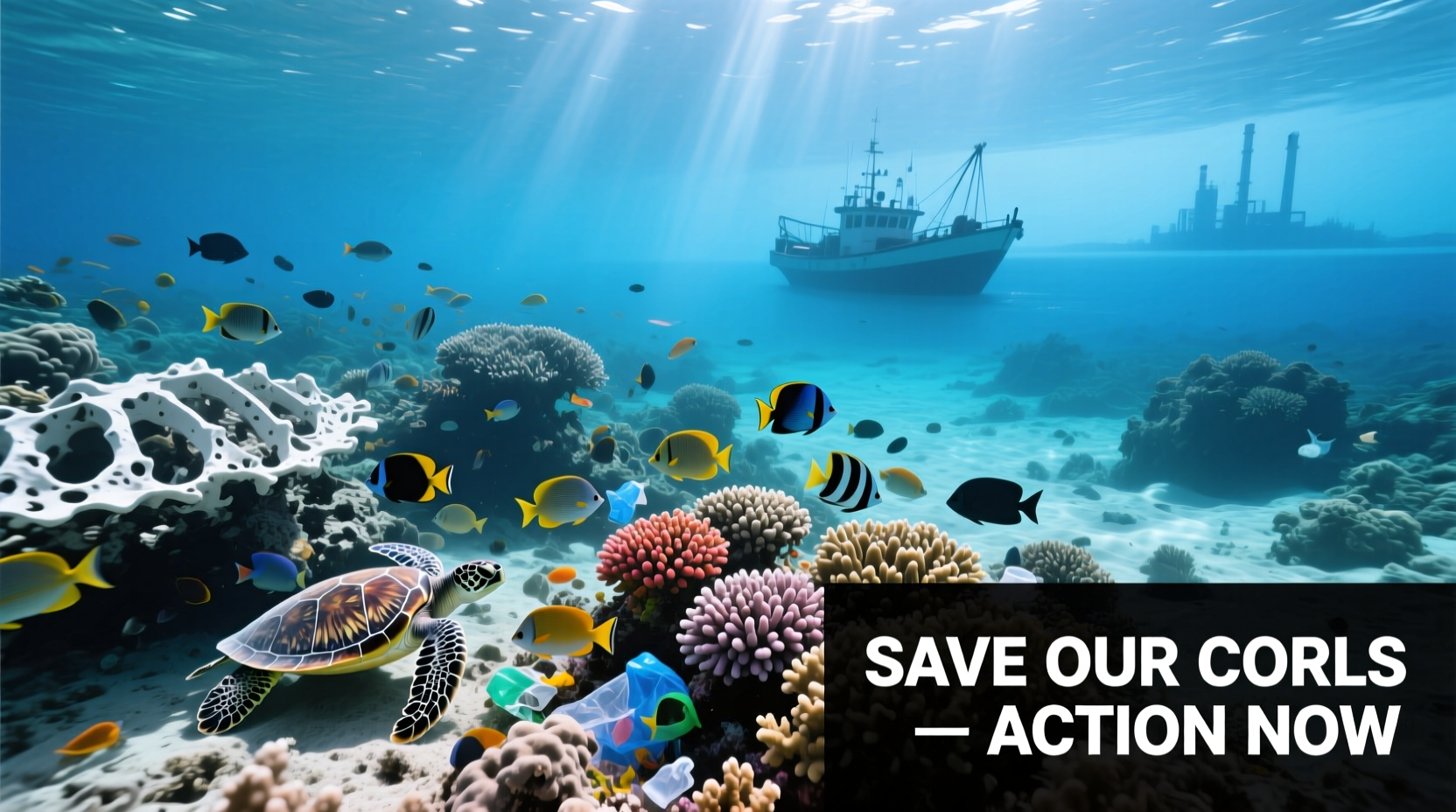
The decline of coral reefs is not due to a single cause but rather a combination of interconnected environmental, economic, and human-driven factors. Understanding these threats is essential for effective protection and restoration.
- Climate Change: The leading driver of coral degradation. Rising sea temperatures cause coral bleaching—when stressed corals expel their symbiotic algae (zooxanthellae), turning white and losing their primary food source. Prolonged bleaching leads to death.
- Ocean Acidification: Increased atmospheric CO₂ dissolves into seawater, lowering pH levels. This reduces the availability of calcium carbonate, which corals need to build their skeletons, weakening reef structures.
- Overfishing and Destructive Fishing: Practices like blast fishing and cyanide fishing directly destroy reef frameworks. Overfishing disrupts the balance of reef ecosystems by removing key species such as herbivorous fish that control algal growth.
- Pollution: Runoff from agriculture, sewage, and industrial waste introduces excess nutrients into coastal waters, fueling harmful algal blooms that smother corals and deplete oxygen.
- Coastal Development: Construction, dredging, and land reclamation increase sedimentation, blocking sunlight needed for photosynthesis and burying coral colonies.
- Invasive Species: Non-native organisms like the crown-of-thorns starfish can rapidly multiply and consume large sections of live coral if natural predators are absent.
Global Conservation Efforts and Their Impact
Despite the scale of the crisis, coordinated conservation initiatives around the world are making measurable progress. These efforts range from local community-led projects to international policy agreements.
One of the most impactful programs is the establishment of Marine Protected Areas (MPAs). According to the International Union for Conservation of Nature (IUCN), well-managed MPAs can increase fish biomass by up to 600% and enhance coral resilience. Countries like Australia have implemented large-scale protections, such as the Great Barrier Reef Marine Park, which restricts damaging activities and monitors ecosystem health.
Restoration techniques are also advancing. Coral gardening—where fragments of healthy coral are grown in nurseries and transplanted onto degraded reefs—has been successfully deployed in places like the Florida Keys and the Philippines. Scientists are also experimenting with assisted evolution, breeding heat-resistant coral strains to withstand warmer waters.
“We’re not just trying to save corals—we’re buying time for reefs to adapt while we address the root causes of climate change.” — Dr. Ruth Gates, Former Director of the Hawaii Institute of Marine Biology
Key Conservation Strategies in Practice
| Strategy | Description | Example |
|---|---|---|
| Marine Protected Areas (MPAs) | Designated zones where human activity is restricted to conserve biodiversity. | Great Barrier Reef Marine Park, Australia |
| Coral Nurseries | Underwater farms grow resilient coral fragments for replanting. | Mote Marine Laboratory, Florida |
| Reef-Safe Sunscreen Regulations | Bans on sunscreens containing oxybenzone and octinoxate to prevent chemical damage. | Hawaii, Palau, U.S. Virgin Islands |
| Sustainable Fisheries Management | Enforcing catch limits and banning destructive gear types. | Community-based fisheries in Fiji |
Case Study: Reviving Reefs in the Maldives
The Maldives, an island nation where tourism and fisheries depend heavily on reef health, faced severe coral loss after the 1998 global bleaching event, which killed nearly 90% of its shallow-water corals. In response, local organizations partnered with international researchers to launch the Coral Reef Restoration Program.
Using low-cost, scalable methods like the “Coral Frame” technique—where wire frames are placed on the seabed and seeded with coral fragments—communities restored over 100,000 square meters of reef across multiple atolls. Monitoring shows that transplanted corals achieve survival rates above 70%, with fish populations rebounding significantly within three years.
This success underscores the importance of combining scientific innovation with local stewardship. Community involvement ensured long-term maintenance and reduced illegal fishing, proving that bottom-up approaches are essential for lasting impact.
What You Can Do: A Conservation Checklist
Individual actions, when multiplied across millions of people, can contribute meaningfully to coral reef preservation. Here’s what you can do:
- ✅ Use reef-safe sunscreen (look for non-nano zinc oxide or titanium dioxide).
- ✅ Reduce plastic consumption to minimize ocean pollution.
- ✅ Support sustainable seafood choices—use guides like Seafood Watch.
- ✅ Avoid touching or anchoring on reefs during snorkeling or diving.
- ✅ Advocate for climate action by supporting policies that reduce greenhouse gas emissions.
- ✅ Donate to or volunteer with reputable reef conservation organizations.
Step-by-Step Guide to Supporting Coral Conservation
- Educate Yourself: Learn about coral biology and the specific threats in your region or travel destinations.
- Make Sustainable Lifestyle Changes: Reduce energy use, minimize waste, and choose eco-friendly products.
- Travel Responsibly: When visiting coastal areas, select eco-certified tour operators and follow responsible diving guidelines.
- Engage Your Community: Organize beach cleanups or host educational events about marine conservation.
- Support Policy Change: Contact elected officials to advocate for stronger environmental regulations and funding for reef research.
Frequently Asked Questions
Can coral reefs recover from bleaching?
Yes, if conditions improve quickly. Corals can regain their symbiotic algae and recover within weeks to months. However, repeated or prolonged stress significantly reduces recovery chances and increases mortality risk.
How long does it take to grow a coral reef?
Natural reef growth is extremely slow—typically 0.5 to 7 centimeters per year, depending on species and environment. Full ecosystem recovery after major damage can take decades or even centuries without human intervention.
Are artificial reefs effective?
When properly designed, artificial reefs can provide habitat and promote biodiversity. However, they are not a substitute for natural reefs and must be monitored to avoid unintended ecological consequences, such as attracting invasive species.
Conclusion: A Call to Protect Our Ocean’s Lifeblood
Coral reefs are more than just beautiful underwater landscapes—they are vital to marine biodiversity, coastal protection, and the livelihoods of hundreds of millions of people worldwide. While the threats they face are daunting, they are not insurmountable. Through science-based conservation, global cooperation, and individual responsibility, we can reverse the tide of destruction.
The window for action is narrowing, but it remains open. Whether you're a policymaker, scientist, traveler, or concerned citizen, your choices matter. By supporting sustainable practices, spreading awareness, and demanding accountability, you become part of the solution. The fate of coral reefs doesn’t rest solely in the hands of experts—it rests with all of us.
🚀 Ready to make a difference? Start today by choosing one action from the checklist and commit to protecting our planet’s underwater treasures. Share this article to inspire others to join the movement.








