It’s no secret that attending live concerts has become increasingly costly over the past decade. What once required a modest investment now often demands hundreds — sometimes thousands — of dollars for a single ticket. Fans are left wondering: why are concert tickets so expensive now? The answer lies not just in inflation or artist demand, but in a sophisticated, data-driven system known as dynamic pricing. This model, borrowed from airlines and hotels, is reshaping how we access live music — often to the detriment of everyday fans.
Understanding dynamic pricing is essential for anyone who wants to attend concerts without paying exorbitant markups. It’s not simply supply and demand in its purest form; it’s an algorithmic manipulation of scarcity, timing, and consumer behavior. To fully grasp why tickets cost what they do, we need to dissect how this system works, who benefits, and what alternatives exist.
How Dynamic Pricing Transformed the Ticket Industry
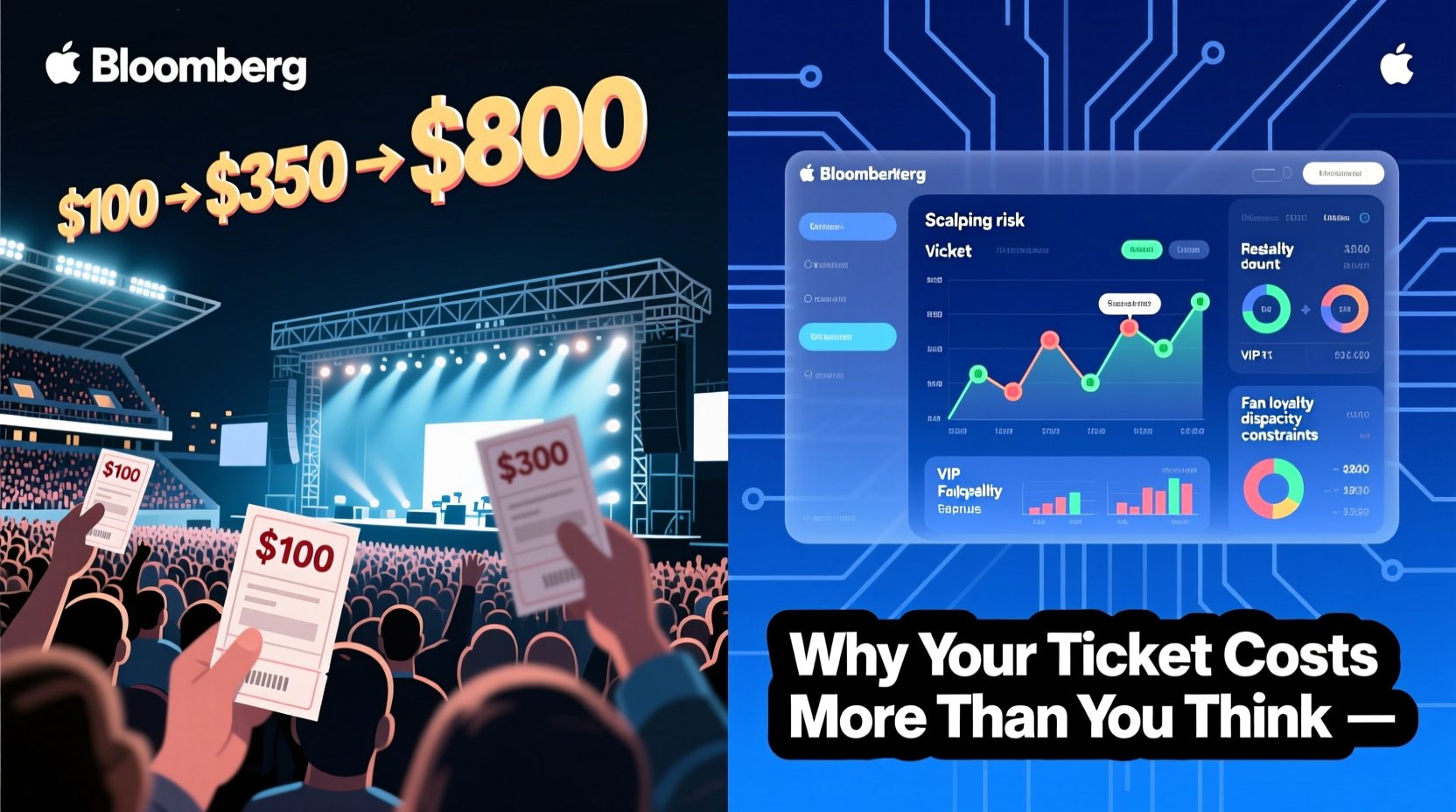
Traditional ticket pricing was straightforward: a fixed price assigned based on seat location and venue tiering. But with the rise of digital platforms like Ticketmaster, Live Nation, and AXS, pricing became fluid. Dynamic pricing uses real-time data — including demand signals, browsing behavior, competitor events, and even weather forecasts — to adjust ticket prices continuously.
The logic is simple: if high demand is detected early, prices increase automatically. If sales lag, prices may drop. While this sounds efficient in theory, in practice, it often leads to inflated opening prices and rapid escalation during high-demand sales windows.
Take Taylor Swift’s 2023 Eras Tour as a case study. Average face-value tickets ranged from $49 to $449, but after fees and dynamic adjustments, some fans paid over $5,000 for mid-tier seats. The U.S. Senate even launched an investigation into whether such practices constitute price gouging.
“Dynamic pricing allows promoters to extract maximum value from every seat, but at the cost of alienating loyal fans.” — Dr. Rebecca Lin, Consumer Economics Researcher, University of Chicago
The Mechanics Behind the Price Surge
Dynamic pricing isn’t random. It relies on predictive algorithms trained on historical sales data, user tracking, and behavioral economics. Here’s how it typically unfolds:
- Demand Sensing: As soon as tickets go on sale, systems monitor page views, cart additions, and login attempts to gauge interest.
- Real-Time Adjustment: Prices update every few minutes based on these metrics. High traffic = higher prices.
- Segmented Access: Some fans see different prices based on location, device type, or browsing history — a tactic known as personalized pricing.
- Post-Sale Inflation: Even after initial sales, resale markets (often integrated into primary platforms) use similar models to push prices further.
This creates a feedback loop where popularity drives up cost, which in turn signals exclusivity, further increasing perceived value — and willingness to pay.
Tip: Avoid refreshing ticket pages repeatedly — each visit feeds data into pricing algorithms and may trigger automatic increases.Who Benefits — and Who Loses?
The distribution of benefits under dynamic pricing is heavily skewed. Let’s break down the stakeholders:
| Stakeholder | Benefit | Drawback |
|---|---|---|
| Artists & Promoters | Higher revenue per show; better forecasting | Public backlash; potential damage to fan relationships |
| Ticketing Platforms (e.g., Ticketmaster) | Increased service fees and transaction volume | Reputation erosion due to monopolistic perception |
| Resellers & Bots | Access to low-priced inventory before public sale | Legal risks, though enforcement remains weak |
| Fans (Average Attendees) | Limited access to affordable tickets | Pay significantly more than face value; frustration with fairness |
| Venues | Maximized occupancy and yield per event | Reduced community goodwill if seen as profit-driven |
While artists and promoters argue that dynamic pricing ensures sold-out shows and funds larger productions, many fans feel priced out of experiences they’ve supported for years. A 2023 survey by Pollstar found that 68% of concertgoers believe ticket prices have become “unreasonably high,” with dynamic pricing cited as the top contributor.
Real Example: The Beyoncé Renaissance Tour Pricing Strategy
The 2023 Renaissance World Tour offered a clear demonstration of dynamic pricing in action. Initially, Beyoncé’s team promoted “fair pricing” initiatives, including pre-sales for fan club members and anti-bot measures. However, once tickets hit the market, dynamic pricing took over.
In cities like Los Angeles and London, front-row seats started at $299 but quickly climbed to over $4,000 within hours. Meanwhile, upper-balcony tickets doubled in price within 20 minutes of sale launch. What made this particularly controversial was that many of these price hikes occurred on the official Ticketmaster site — not third-party resellers.
Fans reported seeing personalized price variations: one person in New York saw a $180 ticket listed at $275 just 10 minutes later when returning to the same page. Another in Chicago noticed that using a mobile device showed lower prices than desktop — suggesting device-based pricing discrimination.
Beyoncé’s team later stated that dynamic pricing helped fund the tour’s elaborate staging and inclusive hiring practices. Still, the optics damaged trust among long-time supporters who felt excluded despite loyalty.
Strategies to Beat the System (Without Reselling)
You don’t have to accept sky-high prices as inevitable. With preparation and smart tactics, you can improve your chances of securing tickets at reasonable rates.
“Knowledge is the best countermeasure to exploitative pricing models.” — Marcus Tran, Founder of FanFirst Advocacy Group
Step-by-Step Guide to Securing Better Ticket Prices
- Join Official Fan Clubs Early: Most major artists offer presales 48–72 hours before general release. These often lock in face-value pricing before dynamic algorithms activate.
- Use Multiple Devices Strategically: One device for browsing, another for purchasing. Avoid prolonged sessions on the main ticketing site to reduce tracking exposure.
- Set Up Alerts: Use services like Songkick or Bandsintown to get notified of new tour dates and presale codes.
- Target Secondary Markets Early: Sometimes resale platforms like SeatGeek or Gametime offer lower prices immediately after the initial sale surge fades.
- Avoid Peak Purchase Windows: First-hour sales are most vulnerable to bot scalping and algorithmic inflation. Waiting 24–48 hours may reveal price drops.
Checklist: Before You Buy Concert Tickets
- ✅ Check if the artist has a verified fan program (e.g., Taylor Swift’s “Ticketmaster Verified Fan”)
- ✅ Register for presales at least one week in advance
- ✅ Compare total cost (including fees) across platforms
- ✅ Verify refund policies and delivery timelines
- ✅ Research average resale prices from past tours to set a budget limit
- ✅ Consider weekday or matinee shows — often cheaper due to lower demand
Is There a Fairer Alternative?
Dynamic pricing isn’t going away, but some artists and venues are experimenting with more equitable models:
- Lottery Systems: Used by Harry Styles and Olivia Rodrigo, these cap prices and randomly assign purchase rights to reduce bot dominance.
- Face-Value Resale Only: Platforms like Twickets (UK-based) allow resale only at original price, preventing profiteering.
- Membership Subscriptions: Some indie venues offer annual memberships that include discounted or guaranteed tickets.
- Blockchain-Based Tickets: Emerging tech aims to embed transfer rules directly into digital tickets, limiting resale markup.
However, widespread adoption remains limited. Major promoters rely on dynamic pricing to offset rising production costs and guarantee profitability — especially after pandemic-related losses. Until regulatory pressure increases or competition improves, systemic change will be slow.
FAQ: Your Top Questions Answered
Does dynamic pricing apply to all concerts?
No, but it’s increasingly common for large-scale tours by top-tier artists. Smaller venues and independent acts often stick to fixed pricing due to simpler logistics and closer fan relationships.
Are dynamic prices legal?
Yes. As long as prices are disclosed before purchase, dynamic pricing is legal in the U.S. and most countries. However, lawmakers are debating whether it constitutes unfair trade practice when combined with market dominance (e.g., Ticketmaster’s near-monopoly).
Can I get a refund if prices drop after I buy?
Generally, no. Most ticket platforms do not offer price protection. Once purchased, you’re responsible for the amount paid, even if identical seats later sell for less.
Conclusion: Taking Back Power as a Fan
The era of affordable front-row seats may be fading, but that doesn’t mean fans are powerless. Understanding dynamic pricing is the first step toward making informed decisions. By leveraging presales, avoiding tracking traps, and supporting artists who prioritize fair access, you can still enjoy live music without financial strain.
More importantly, collective awareness can drive change. When fans speak out — through social media, advocacy groups, or direct feedback to artists — the industry listens. The goal isn’t to eliminate dynamic pricing entirely, but to ensure it serves both creators and audiences equitably.
💬 Have you been hit with a surprise dynamic price hike? Share your story or tips in the comments — your experience could help others navigate the new ticket economy.








