It’s a familiar story: the moment your favorite artist announces a tour, excitement builds—until you open the ticketing site and see prices that seem more suited for a flight to Mars than a night at the arena. A ticket advertised at $50 suddenly appears as $300 after fees, seat selection, and mysterious “service charges.” What gives? The answer lies in a powerful, often invisible force reshaping live entertainment: dynamic pricing.
Dynamic pricing isn’t new—it’s used in airlines, ride-sharing apps, and hotels—but its impact on concert tickets has sparked widespread frustration among fans. As demand surges and supply stays tight, ticket prices fluctuate in real time, often placing live music out of reach for average concertgoers. To understand why tickets cost so much—and whether there’s any way around it—we need to unpack how this system works, who benefits, and what alternatives exist.
The Mechanics of Dynamic Pricing in Live Events
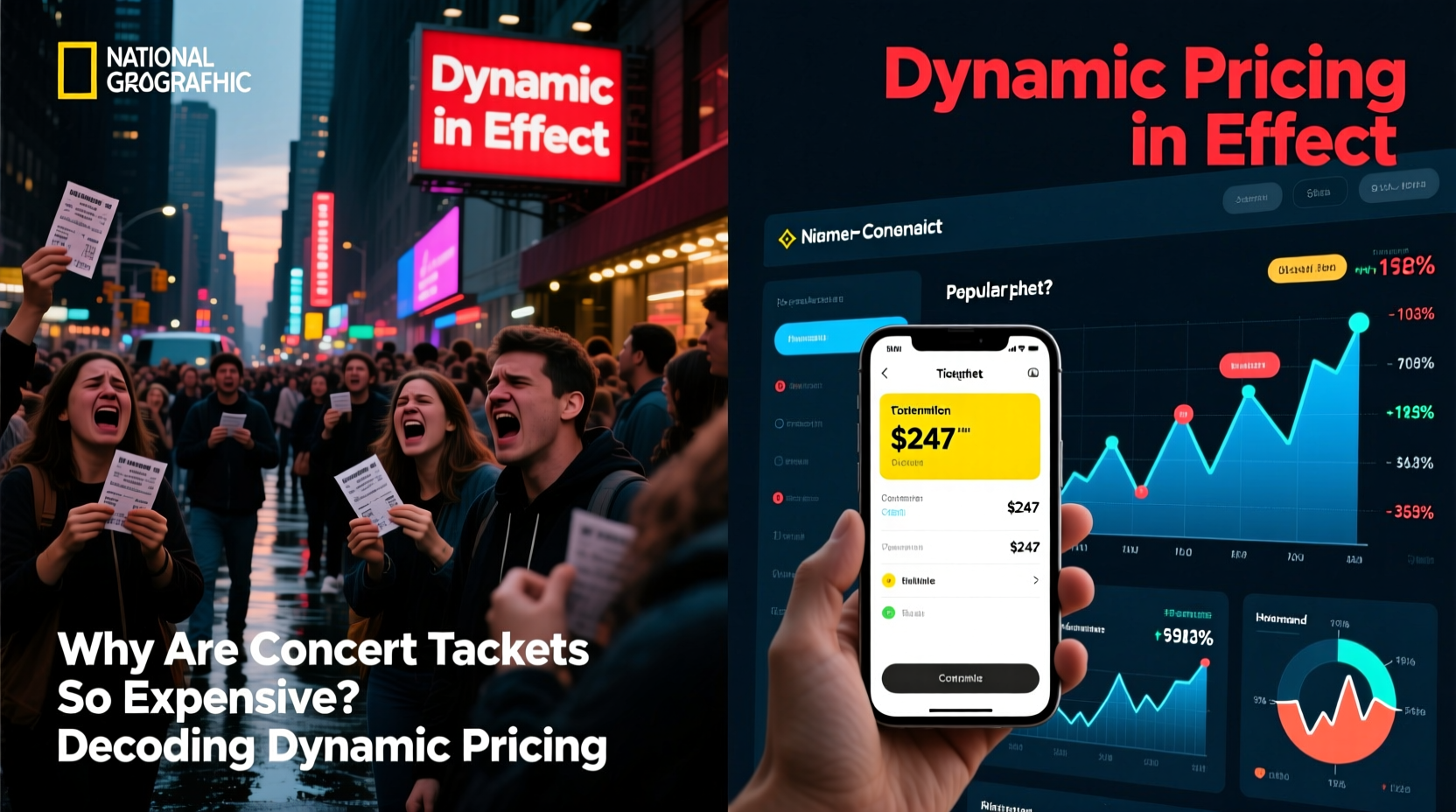
Dynamic pricing adjusts ticket costs based on real-time demand, timing, seat location, and even user behavior. Unlike traditional fixed pricing—where a seat is $75 regardless of when or by whom it’s purchased—dynamic models treat tickets like commodities. The more people want them, the higher they go.
This model relies on sophisticated algorithms developed by major ticketing platforms such as Ticketmaster (owned by Live Nation) and AXS. These systems analyze data points including:
- Historical sales trends for similar artists or venues
- Click-through rates and cart abandonment on ticket pages
- Social media buzz and search volume spikes
- Time until event date
- Competitor pricing for nearby shows
As demand increases—say, after a viral performance or award win—the algorithm automatically raises prices. Conversely, if a show isn’t selling well, prices may drop closer to the event date to fill seats. While this helps promoters maximize revenue and avoid empty arenas, it also means fans who wait too long—or lack the means to pay premium rates—get priced out.
“Dynamic pricing turns concerts into auctions. The highest bidder wins, not necessarily the most loyal fan.” — Dr. Rebecca Lin, Cultural Economist, University of Southern California
Who Controls the Price? Key Players Behind the Scenes
While fans interact with ticketing websites, the pricing structure is shaped by a complex network of stakeholders, each with financial incentives to push prices upward.
| Stakeholder | Role in Pricing | Financial Incentive |
|---|---|---|
| Artists & Managers | Negotiate guarantees and profit-sharing deals | Maximize per-show earnings; some endorse high-demand pricing |
| Promoters (e.g., Live Nation) | Set initial pricing tiers and approve dynamic adjustments | Cover production costs and generate profit from sold-out events |
| Primary Ticket Sellers (e.g., Ticketmaster) | Operate dynamic pricing algorithms and charge service fees | Earn commissions and fees on every transaction |
| Venues | Take a cut of ticket revenue and concessions | Fill capacity and increase ancillary spending (food, merch) |
| Secondary Market (e.g., StubHub, Vivid Seats) | Resell tickets at market-driven rates | Profit from scarcity and speculation |
No single entity bears full responsibility, but the consolidation of power among a few corporations amplifies the effect. Live Nation’s merger with Ticketmaster in 2010 created a vertically integrated giant controlling promotion, venues, and ticket distribution. Critics argue this reduces competition and enables price manipulation under the guise of market efficiency.
Real-World Example: Taylor Swift’s Eras Tour
In 2023, Taylor Swift’s Eras Tour became a global phenomenon—and a case study in dynamic pricing gone extreme. During presales, millions of fans flooded Ticketmaster’s site, crashing servers and triggering a public outcry. When general sale opened, many tickets were already marked up to over $1,000 due to dynamic pricing and bot activity.
According to reports, some nosebleed seats originally priced at $49 were resold for $5,000. Even though Swift and her team pushed for equitable access through Verified Fan programs, the system couldn’t overcome artificial scarcity and algorithmic escalation.
The backlash was swift. U.S. Senator Amy Klobuchar called for antitrust investigations, citing “anti-competitive practices” in the ticketing industry. The Department of Justice launched a formal inquiry into Live Nation-Ticketmaster, focusing on monopolistic behavior and consumer harm.
The Swift example illustrates how dynamic pricing, while technically neutral, disproportionately affects everyday fans when layered atop structural imbalances in the live music economy.
Tip: Monitor official artist websites and fan clubs early—they often offer pre-sale access before dynamic pricing fully kicks in.How Dynamic Pricing Differs From Scalping
Many assume scalping—reselling tickets above face value—is the main culprit behind high prices. But today, much of the markup happens legally on the primary market *before* tickets hit resale sites.
Traditional scalping involves individuals or bots buying large quantities of tickets during public sale and reselling them at inflated prices. It’s largely unregulated and often exploits technical advantages.
In contrast, dynamic pricing is sanctioned by artists and venues. Prices rise organically (or algorithmically) as demand grows. While it avoids the chaos of third-party resale, it achieves a similar outcome: fans pay far more than face value.
The key difference? Transparency. Scalping hides behind anonymity and secondary platforms. Dynamic pricing operates openly, embedded in the official purchase process. Yet both result in economic gatekeeping—limiting access to those with disposable income.
Strategies to Beat Dynamic Pricing: A Practical Checklist
You don’t have to accept sky-high prices as inevitable. With planning and awareness, it’s possible to attend concerts without breaking the bank. Here’s a step-by-step checklist:
- Join the artist’s official fan club. Members often get exclusive pre-sales with lower starting prices and fewer competitors.
- Register for Verified Fan programs early. These require advance sign-up and help filter out bots—but act fast when notifications arrive.
- Avoid peak purchase windows. First-day sales usually trigger the highest dynamic spikes. Waiting 24–48 hours might reveal price drops if demand lags.
- Use incognito mode when browsing. Some evidence suggests ticketing sites track visits and raise prices based on repeated page views.
- Check non-primary outlets. Local box offices sometimes release unsold inventory at standard prices, bypassing online algorithms.
- Look for last-minute deals. Platforms like TodayTix or venue-specific apps may discount remaining tickets 3–6 hours before showtime.
- Consider off-night performances. Weekday shows or opening nights often have lower demand and more competitive pricing.
When to Buy: A Timeline for Smart Purchasing
Timing matters. Follow this sequence to optimize your chances:
- 6–8 weeks before sale: Sign up for newsletters, follow the artist’s social media, join fan clubs.
- 1 week before sale: Register for Verified Fan or similar access programs.
- D-Day minus 1: Charge your payment method, save billing info, close other browser tabs.
- During presale: Buy immediately if prices are reasonable—even mid-tier seats may rise later.
- 48 hours after general sale: Recheck prices. If the show isn’t selling quickly, dynamic algorithms may reduce costs.
- One week before event: Monitor resale markets cautiously. Sometimes panic-selling lowers prices.
- Day of show: Call the venue directly. Last-minute cancellations or comp releases can free up affordable tickets.
Frequently Asked Questions
Is dynamic pricing legal?
Yes. Dynamic pricing is a legal business practice permitted under U.S. and international commerce laws. However, lawmakers are increasingly scrutinizing whether dominant players like Ticketmaster abuse market power, which could violate antitrust regulations.
Do artists benefit from high ticket prices?
Sometimes. Top-tier acts earn a share of gross revenue, so higher prices mean bigger payouts. However, many artists express discomfort with fans being overcharged. Some, like Bruce Springsteen and Paul McCartney, have publicly criticized excessive markups and capped resale prices.
Can I get a refund if prices drop after I buy?
Generally, no. Most ticket purchases are final, and dynamic pricing doesn’t work retroactively. A few platforms offer price protection policies, but these are rare in live entertainment.
What’s the Future of Concert Ticketing?
Public pressure and regulatory scrutiny are forcing changes. In 2023, the U.S. government proposed legislation to ban hidden fees, limit bot usage, and mandate full price transparency upfront. Some states now require all-in pricing—showing total cost (including fees) at first glance.
Emerging technologies may also disrupt the status quo. Blockchain-based ticketing systems aim to create tamper-proof, transfer-controlled tickets that prevent speculative resale. NFT ticketing trials by artists like John Legend and deadmau5 allow smart contracts to enforce resale caps and return profits to creators.
Meanwhile, smaller venues and independent promoters are experimenting with flat-fee models and community pricing—offering tiered access based on income or lottery systems. These approaches prioritize fairness over maximum revenue, signaling a cultural shift toward inclusive live experiences.
“The goal should be access, not extraction. Music thrives when fans feel welcome—not auctioned off.” — Marcus Bell, Founder of FairSeats Collective
Conclusion: Taking Back the Concert Experience
The rising cost of concert tickets reflects deeper issues in how live entertainment is monetized and controlled. Dynamic pricing, while efficient in theory, often serves corporate interests more than fan communities. Yet awareness is growing, and so are solutions.
By understanding how pricing works, acting strategically, and supporting reforms, fans can reclaim their place at the show. Demand transparency. Support artists who advocate for fair access. Explore alternative ticketing platforms. And never stop asking: who really owns the concert experience?
🚀 Ready to take control? Start by sharing this guide with fellow fans—because change begins when we stop accepting high prices as normal.








