Walk into any pet store, and you’ll likely find toys, sprays, or treats infused with catnip. It’s a staple of feline entertainment—some cats roll in it, others lick it, and many become wildly playful after exposure. But what exactly makes this humble herb so irresistible to certain cats? The answer lies in a blend of biology, evolution, and neurochemistry that transforms an ordinary plant into a powerful sensory experience for our feline companions.
Catnip, scientifically known as *Nepeta cataria*, is a member of the mint family. Native to Europe and parts of Asia, it has naturalized across North America and thrives in gardens and wild areas alike. While harmless and non-addictive, its effects on cats can seem almost magical. Yet not all cats react to it—and those that do may exhibit wildly different behaviors. Understanding this phenomenon requires exploring the active compound in catnip, the genetic factors at play, and the evolutionary purpose behind such a dramatic response.
The Science Behind Catnip’s Effect
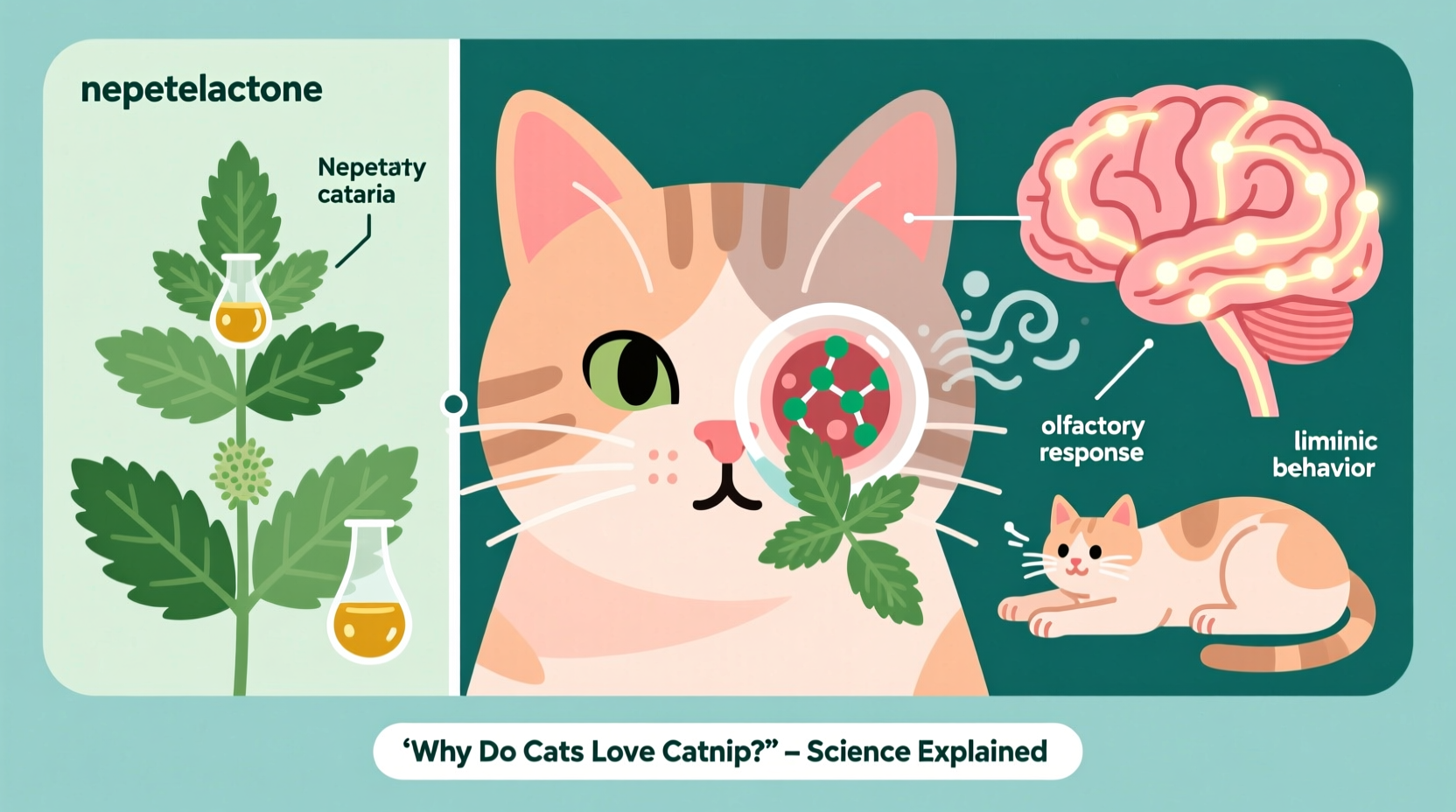
The key to catnip’s allure is a volatile oil called **nepetalactone**. When released from the plant’s leaves and stems—usually through crushing or chewing—this chemical compound enters the cat’s nasal passages and binds to receptors in the olfactory epithelium. These receptors send signals directly to the brain, particularly the amygdala and hypothalamus, which regulate emotions and behavioral responses.
Once activated, these brain regions trigger a temporary state often described as euphoric or hallucinogenic. Cats may display behaviors such as:
- Rolling, rubbing, or flipping on the ground
- Head shaking or chin scratching
- Purring, meowing, or growling
- Darting around erratically
- Licking or chewing the source
The reaction typically lasts between 5 and 15 minutes, after which the cat becomes temporarily immune to catnip’s effects for about 30 minutes. This refractory period prevents overstimulation and ensures the experience remains safe and self-limiting.
Tip: Use catnip sparingly—once or twice a week—to maintain its novelty and effectiveness. Overuse can reduce sensitivity over time.Genetics Determine Sensitivity
Not all cats respond to catnip. In fact, research suggests that only about **50–70%** of domestic cats are affected by nepetalactone. Sensitivity is inherited as an autosomal dominant trait, meaning a kitten only needs one copy of the gene from either parent to be responsive.
Kittens under six months old rarely show interest in catnip, indicating that the neural pathways involved mature with age. Similarly, older cats may become less reactive over time, though the exact reason remains unclear. Interestingly, big cats like lions and tigers can also exhibit strong reactions to catnip, suggesting the mechanism is shared across species within the Felidae family.
“Catnip doesn’t make cats ‘high’ in the human sense—it triggers innate behavioral circuits linked to courtship and exploration.” — Dr. Sarah Hartwell, Feline Behavior Researcher
Evolutionary Purpose: Why Did This Trait Develop?
At first glance, the intense reaction to catnip seems like a quirky anomaly. However, some scientists believe it may have evolved as a protective mechanism. Nepetalactone has been shown to repel mosquitoes, flies, and even cockroaches. When cats rub against catnip plants, they may be transferring the oil onto their fur, effectively using it as a natural insect repellent.
This theory aligns with observations in the wild, where certain feline species actively seek out aromatic plants. Even indoor cats retain this instinct, possibly because the behavior was advantageous for survival in ancestral environments. The pleasure response could reinforce the habit, encouraging repeated use when the plant is available.
Alternatives for Non-Responders
For the estimated 30% of cats who don’t react to catnip, there are alternative stimulants that can provide similar enrichment. These include:
- Valerian root – Contains actinidine, which mimics nepetalactone.
- Silver vine (Matatabi) – Effective in up to 80% of cats, including many non-responsive to catnip.
- Tatarian honeysuckle wood – A long-lasting option that some cats chew or rub against.
- Chamomile or honeysuckle sprays – Milder options for calming or stimulating depending on the cat.
These alternatives can be especially useful for owners trying to encourage shy cats to play or redirect destructive scratching behaviors toward appropriate surfaces.
Safe Use and Practical Tips
While catnip is generally safe, responsible use enhances both enjoyment and well-being. Consider the following guidelines to maximize benefits:
- Start with small amounts—a pinch of dried herb or a lightly sprayed toy.
- Observe your cat’s reaction; discontinue use if signs of aggression or anxiety occur.
- Avoid giving catnip to pregnant cats, as its effects on fetal development are unknown.
- Store dried catnip in an airtight container away from light and heat to preserve potency.
- Use catnip to encourage positive behaviors, such as using a new scratching post or exploring a carrier.
| Product Type | Best For | Shelf Life |
|---|---|---|
| Dried leaves | Rubbing, rolling, sniffing | 6–12 months (if sealed) |
| Spray | Toys, scratching posts | 1–2 years |
| Stuffed toys | Interactive play | Indefinite (replace filling yearly) |
| Edible treats | Mild sedation or reward | Check expiration date |
Mini Case Study: Reviving Playfulness in Senior Cats
Maria, a cat owner in Portland, noticed her 10-year-old tabby, Oliver, had become increasingly sedentary. He ignored his favorite toys and spent most days napping. After consulting her vet, she decided to try silver vine, knowing Oliver had never responded to catnip. She sprinkled a small amount on a crinkly mat and placed it near his resting spot.
To her surprise, Oliver sniffed it cautiously, then began pawing at the mat, eventually rolling over and kicking his back legs. Over the next few weeks, Maria introduced short play sessions using silver vine-infused toys. Though brief, these interactions improved Oliver’s mobility and mood. “It’s like he rediscovered part of his personality,” she said. This case illustrates how plant-based stimulants can support mental and physical health, even in aging cats.
Frequently Asked Questions
Is catnip safe for kittens?
Kittens under six months typically don’t respond to catnip, and it’s best to wait until they’re older before introducing it. Early exposure won’t harm them, but the effects are unlikely and unnecessary.
Can cats overdose on catnip?
No documented cases of toxicity exist. However, excessive ingestion may cause mild stomach upset or drowsiness. Always supervise initial use and limit access to small quantities.
Why does my cat eat catnip instead of playing with it?
Ingestion tends to produce a more calming effect, while inhalation causes excitement. Some cats prefer chewing because it helps them relax. Both responses are normal and depend on how nepetalactone enters the system.
Conclusion: Harnessing Nature for Feline Enrichment
The fascination cats have with catnip isn't random—it's a deeply rooted biological response shaped by evolution and genetics. Whether they leap with joy, purr contentedly, or simply sniff and walk away, each cat interacts with catnip in a way that reflects their individual makeup. By understanding the science behind this behavior, pet owners can use catnip and its alternatives more effectively to enhance play, reduce stress, and strengthen bonds.
💬 Have a catnip story to share? Whether your cat goes wild or couldn’t care less, join the conversation and help fellow cat lovers understand these mysterious little creatures a little better.








