
A cat or dog’s wet nose is one of the most familiar sights to pet owners. That cool, glistening snout often feels like a sign of good health. But what causes this moisture, and does a dry nose always mean something is wrong? The answer lies in a combination of biological function, sensory advantage, and subtle health cues. Understanding the science behind your pet’s wet nose can help you better monitor their well-being and appreciate the remarkable adaptations that make them such efficient animals.
The Science Behind Wet Noses
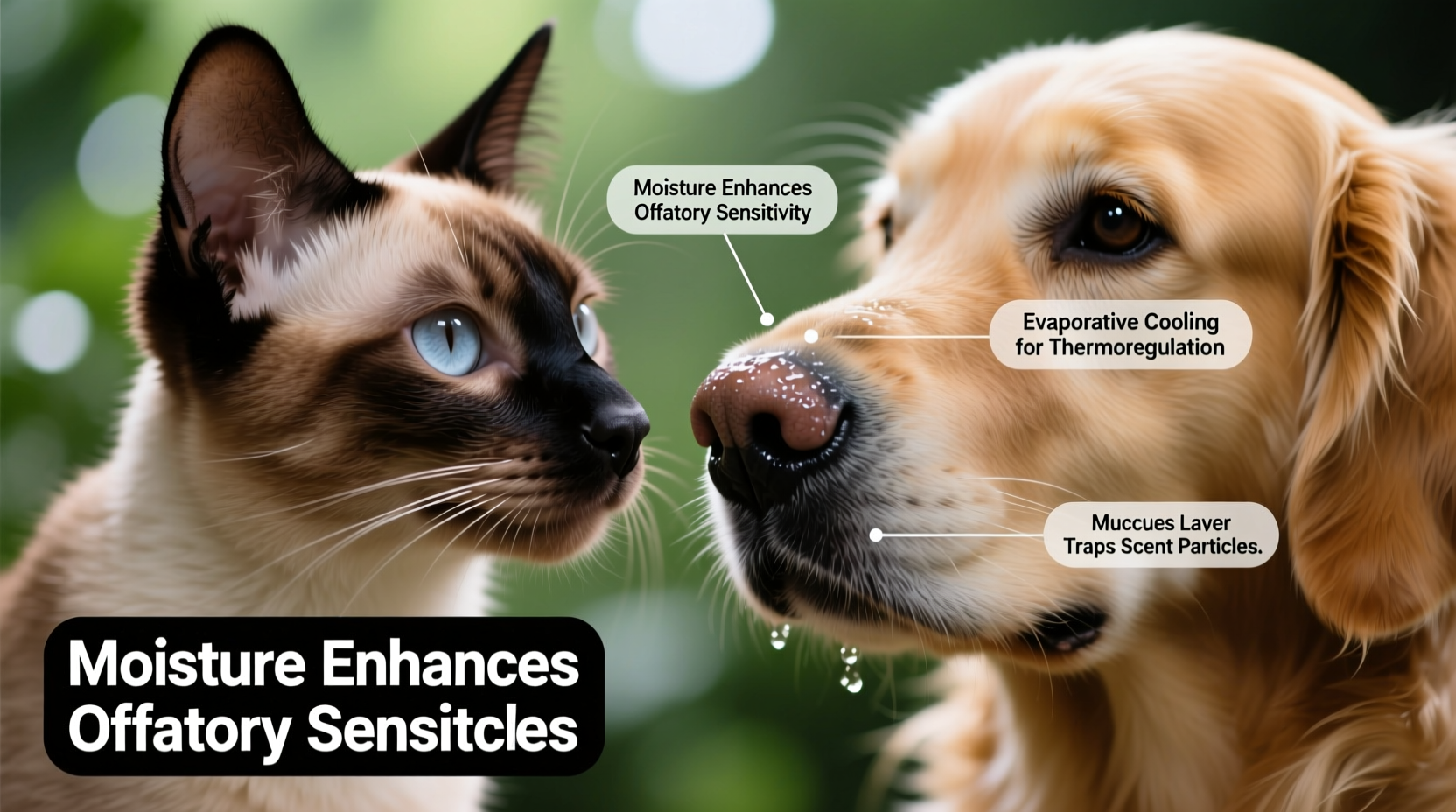
The moisture on a cat or dog’s nose comes from a combination of mucus secretion and licking behavior. Special glands in the nasal cavity produce a thin layer of mucus that coats the surface of the nose. This mucus helps dissolve scent particles in the air, making it easier for pets to detect odors through their highly sensitive olfactory receptors. Additionally, both cats and dogs frequently lick their noses, which spreads saliva and keeps the surface moist.
This wetness plays a crucial role in enhancing their sense of smell—one of their most vital senses. When scent molecules land on a damp nose, they dissolve more effectively, allowing the animal to analyze smells with greater precision. In fact, a study published in *Scientific Reports* found that dogs sniffing at wet surfaces were significantly more accurate in detecting odor traces than on dry ones.
Tip: A slightly damp nose is normal and beneficial—don’t wipe it off unless there’s excessive discharge or crustiness.Health Benefits of a Moist Nose
Beyond improving scent detection, a wet nose contributes to several key physiological functions:
- Thermoregulation: Unlike humans, dogs and cats don’t sweat efficiently through their skin. Instead, they rely on evaporative cooling from their paw pads, mouth, and nose. A moist nose helps dissipate heat, especially during physical activity or warm weather.
- Respiratory Protection: The mucus layer traps dust, allergens, and pathogens before they enter the respiratory tract, acting as a first line of defense against infections.
- Sensory Enhancement: A wet surface improves tactile sensitivity. Cats, for example, use their noses to explore textures and temperatures in their environment, and moisture enhances this ability.
Dr. Lena Peterson, a veterinary behaviorist at the American College of Veterinary Behaviorists, explains: “The wet nose isn’t just a quirky trait—it’s an evolutionary adaptation that supports survival. From tracking prey to identifying social signals, moisture amplifies their environmental awareness.”
When a Dry Nose Might Signal Trouble
While a temporarily dry nose isn’t necessarily cause for alarm—your pet may simply have been sleeping, exposed to sunlight, or hasn’t licked their nose recently—persistent dryness can indicate underlying health issues. It’s important to observe accompanying symptoms to assess whether veterinary attention is needed.
Common causes of an abnormally dry or cracked nose include:
- Dehydration
- Nasal dermatitis (skin inflammation)
- Allergies or autoimmune disorders like pemphigus
- Exposure to harsh weather (wind, sun, cold)
- Infections (bacterial, fungal, or viral)
“Don’t judge your pet’s health solely by nose moisture. Context matters—check gum color, energy levels, appetite, and hydration status.” — Dr. Alan Reyes, DVM, Small Animal Internal Medicine Specialist
Case Study: Bella the Beagle
Bella, a 4-year-old beagle, began showing signs of lethargy and loss of appetite. Her owner noticed her nose was unusually dry and slightly cracked after a weekend camping trip. Initially dismissed as sun exposure, the condition worsened over three days. Upon examination, Bella was diagnosed with mild dehydration and early-stage solar dermatitis due to prolonged UV exposure without shade. With fluid therapy, a protective balm, and avoidance of direct sun, her nose returned to normal within a week. This case highlights how environmental factors can impact nasal health—and why timely intervention matters.
Do’s and Don’ts: Caring for Your Pet’s Nose
| Do’s | Don’ts |
|---|---|
| Monitor changes in texture, color, or moisture level | Apply human lotions or ointments without vet approval |
| Ensure constant access to fresh water | Wipe the nose aggressively or too frequently |
| Use pet-safe nasal balms if recommended by a vet | Expose your pet to extreme temperatures for long periods |
| Keep your pet indoors during peak sun hours if prone to sunburn | Ignore persistent crusting, bleeding, or asymmetry in nasal discharge |
Step-by-Step Guide to Assessing Nasal Health
If you’re concerned about your pet’s nose, follow this simple evaluation process:
- Observe the Surface: Is the nose uniformly moist, dry, cracked, or scaly?
- Check for Discharge: Clear, minimal discharge is normal. Yellow, green, or bloody mucus warrants concern.
- Assess Symmetry: Look for swelling or deviation in the nostrils, which could indicate injury or tumor.
- Test Responsiveness: Gently wave a hand near the nose—does your pet react normally?
- Review Overall Behavior: Are they eating, drinking, and active? Lethargy combined with nasal changes is a red flag.
- Consult a Veterinarian: If abnormalities persist beyond 24–48 hours or worsen, schedule an exam.
Frequently Asked Questions
Is a dry nose always a sign of illness?
No. Pets can have dry noses after napping, being in a heated room, or spending time outdoors. As long as your pet is otherwise healthy—eating well, hydrated, and active—a dry nose occasionally isn’t concerning. However, chronic dryness or cracking should be evaluated.
Can I use coconut oil on my dog’s or cat’s nose?
In small amounts, food-grade coconut oil may soothe minor dryness, but it’s not a cure-all. Cats may ingest it while grooming, and excessive intake can cause digestive upset. Always consult your vet before using home remedies, especially if there’s cracking, bleeding, or infection.
Why do some cats have naturally drier noses than others?
Breed, age, and individual variation play roles. Persian cats, for instance, often have flatter faces and may groom less effectively, leading to drier nasal surfaces. Older pets also tend to have reduced glandular secretions. As long as there’s no discomfort or secondary symptoms, variation is normal.
Conclusion: Listen to What the Nose Knows
A cat or dog’s wet nose is far more than a cute quirk—it’s a finely tuned tool for survival, communication, and comfort. While moisture typically indicates healthy function, vigilance is key. Sudden or sustained changes in your pet’s nose should prompt closer observation and, when necessary, professional consultation. By understanding the biology behind this feature, you empower yourself to detect early signs of distress and support your pet’s overall wellness.
💬 Have you noticed changes in your pet’s nose during illness or seasonal shifts? Share your experiences below—your observations could help other pet owners stay informed and proactive.








