Cat bites may seem minor—after all, the puncture wounds they leave behind are often small and barely bleed. But appearances can be deceiving. These tiny wounds can quickly lead to serious infections due to the bacteria in a cat’s mouth and the deep nature of their sharp teeth. Unlike dog bites, which tend to cause tearing or crushing injuries, cat bites inject bacteria deep into tissues, making them especially hazardous. Understanding why cat bites are dangerous, what infections they can cause, and how to respond effectively is essential for pet owners, caregivers, and anyone who interacts with cats.
The Hidden Danger Behind Small Puncture Wounds
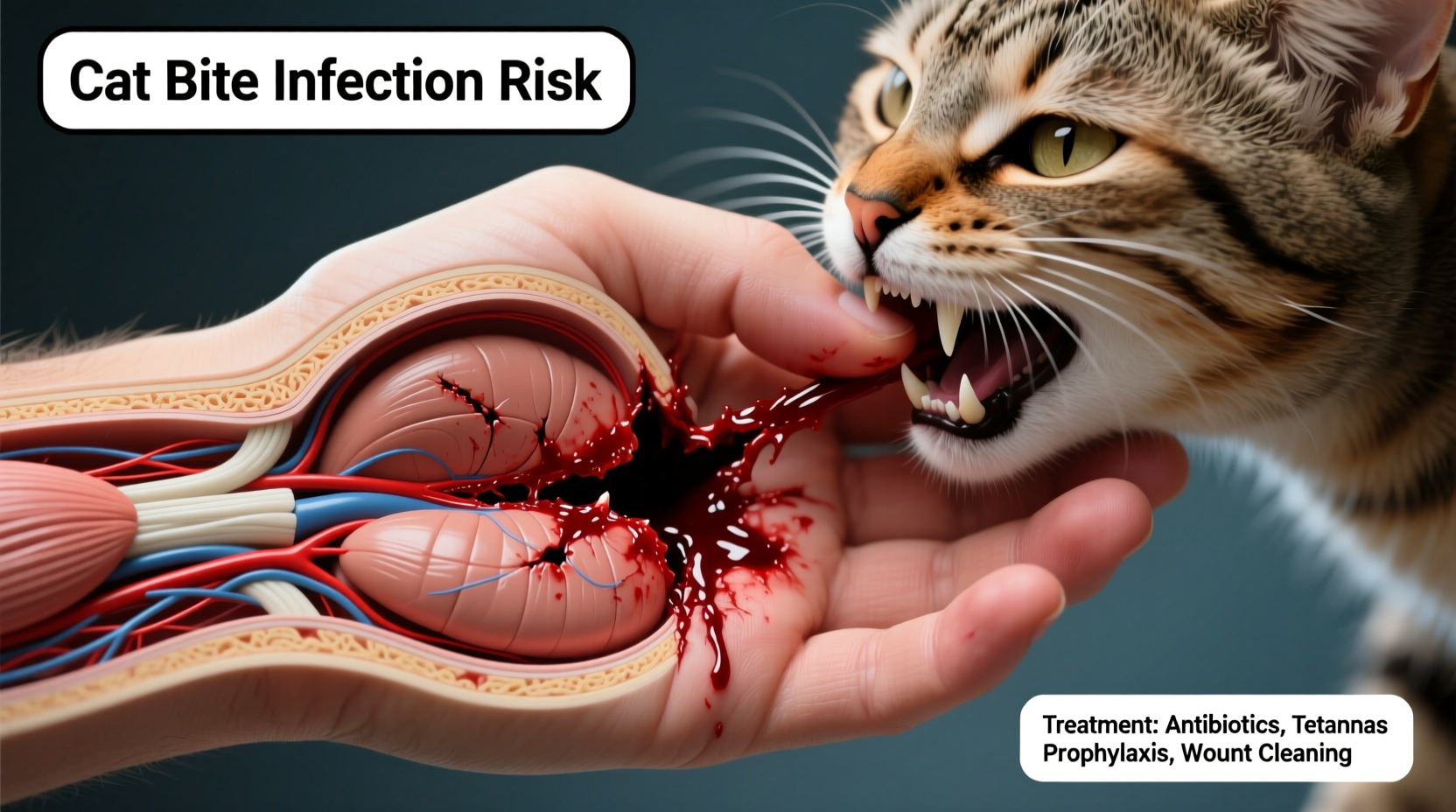
A cat’s teeth are needle-sharp and designed to puncture flesh efficiently. When a cat bites, its teeth can drive bacteria from its mouth up to an inch beneath the skin. The wound then closes rapidly, sealing the bacteria inside where it multiplies in the warm, oxygen-poor environment. This process creates a perfect breeding ground for infection.
The most common bacterium involved is Pasteurella multocida, found in up to 75% of cat mouths. It can cause severe local infections within 24 to 48 hours, leading to swelling, redness, pain, and pus formation. In some cases, the infection spreads to joints, bones, or even the bloodstream, resulting in systemic illness.
Tip: Never ignore a cat bite—even if it seems minor. Clean it immediately and monitor closely for signs of infection.Common Infections Caused by Cat Bites
Beyond Pasteurella, several other pathogens can be transmitted through a cat bite:
- Staphylococcus and Streptococcus species: Common skin bacteria that can become problematic when introduced deep into tissue.
- Capnocytophaga: A rare but dangerous bacterium that can cause life-threatening sepsis, especially in immunocompromised individuals.
- Bartonella henselae: The agent responsible for cat scratch disease, which can also be transmitted via bites.
- Tetanus: Although rare, any break in the skin carries a risk if vaccination status is not up to date.
- Rabies: Extremely rare in domesticated cats in developed countries, but still a concern with unknown or unvaccinated animals.
“Cat bites have one of the highest rates of infection among all animal bites—up to 50% become infected if not properly treated.” — Dr. Laura Thompson, Infectious Disease Specialist
Recognizing Signs of Infection
Symptoms typically appear within hours to a few days after the bite. Early recognition is critical. Watch for:
- Increasing pain, redness, or swelling around the wound
- Warmth radiating from the bite site
- Pus or discharge
- Red streaks extending from the wound (a sign of lymphangitis)
- Fever, chills, or swollen lymph nodes
- Reduced mobility if the bite is near a joint
If any of these symptoms develop, seek medical attention promptly. Delayed treatment increases the risk of complications such as abscess formation, tendon damage, or septic arthritis.
When to See a Doctor Immediately
Not every cat bite requires emergency care, but certain situations demand immediate evaluation:
- The bite is on the hand, face, or near a joint—these areas are more prone to rapid infection spread.
- The person bitten has diabetes, liver disease, or a weakened immune system.
- The cat is stray, feral, or unvaccinated.
- The wound shows clear signs of infection within 24 hours.
- The individual hasn’t had a tetanus shot in the past 5–10 years.
Step-by-Step Treatment Protocol
Immediate action can significantly reduce the risk of infection. Follow this timeline after a cat bite occurs:
- Wash the wound thoroughly: Use soap and running water for at least 5 minutes to flush out surface bacteria.
- Stop any bleeding: Apply gentle pressure with a clean cloth if needed.
- Disinfect: Use hydrogen peroxide or iodine solution, followed by an antibiotic ointment.
- Cover the wound: Use a sterile bandage to protect it from further contamination.
- Elevate the area: If possible, keep the injured limb elevated to reduce swelling.
- Monitor hourly for the first 24 hours: Check for increasing redness, pain, or warmth.
- Contact a healthcare provider: Even if the wound seems minor, consult a doctor—especially if antibiotics might be needed.
Medical treatment often includes oral antibiotics such as amoxicillin-clavulanate (Augmentin), which covers Pasteurella and other common pathogens. In severe cases, intravenous antibiotics or surgical drainage may be necessary.
Do’s and Don’ts After a Cat Bite
| Action | Do | Don't |
|---|---|---|
| Cleaning | Wash with soap and water immediately | Ignore the bite or assume it's harmless |
| Medication | Take prescribed antibiotics as directed | Stop antibiotics early once symptoms improve |
| Monitoring | Check the wound every few hours for changes | Wait several days before seeking help |
| Protection | Cover with a clean, dry bandage | Use tight wraps that restrict circulation |
| Reporting | Report stray or aggressive cats to local animal control | Attempt to catch or confront the animal yourself |
Real-Life Example: A Close Call with a Pet Cat
Sarah, a 42-year-old teacher from Portland, was playing with her indoor cat when the animal suddenly bit her on the hand during overstimulation. The wound was small—less than a quarter-inch long—and bled briefly. She cleaned it with alcohol and applied a band-aid, thinking nothing more of it.
By the next morning, her hand was swollen, hot to the touch, and intensely painful. She could barely move her fingers. Rushed to urgent care, she was diagnosed with a Pasteurella infection and started on IV antibiotics. Doctors later told her she was just hours away from needing surgery to drain an abscess in her tendon sheath.
“I never thought a little bite from my own cat could land me in the hospital,” Sarah said. “Now I know better. Any bite, no matter how small, needs real attention.”
Frequently Asked Questions
Can a vaccinated cat still transmit infection?
Yes. Vaccination protects against diseases like rabies but does not eliminate the bacteria in a cat’s mouth. Even healthy, vaccinated cats carry Pasteurella and other pathogens that can cause infection when introduced under the skin.
How soon after a bite should I get antibiotics?
Ideally, within 24 hours—especially for high-risk bites (hands, face, immunocompromised individuals). Starting antibiotics early can prevent infection progression and reduce the need for hospitalization.
Are some people more at risk from cat bites?
Yes. People with diabetes, autoimmune disorders, liver disease, or those on immunosuppressive drugs are far more vulnerable to severe complications. Older adults and young children also face higher risks due to weaker immune responses.
Prevention Tips for Cat Owners
While not all bites can be prevented, understanding cat behavior reduces risk:
- Avoid rough play—use toys instead of hands or feet.
- Learn your cat’s body language: flattened ears, tail flicking, and dilated pupils signal agitation.
- Never punish a biting cat; instead, redirect with a toy or walk away calmly.
- Keep vaccinations and vet checkups current to minimize health-related aggression.
- Consider behavioral training for overly aggressive or anxious cats.
Final Thoughts and Call to Action
Cat bites are more dangerous than they appear. Their small size belies the depth of bacterial inoculation and the speed at which infections can escalate. Prompt cleaning, vigilant monitoring, and timely medical intervention are crucial to preventing serious outcomes. Whether you're a long-time cat owner or simply encountered a curious feline, treat every bite with respect.
Share this information with fellow pet lovers, caregivers, or parents to raise awareness. A moment of caution today can prevent a trip to the ER tomorrow.
💬 Have you or someone you know experienced complications from a cat bite? Share your story in the comments to help others recognize the risks and respond wisely.








