
Hiccups are a universal experience—brief, involuntary contractions of the diaphragm followed by a sudden closure of the vocal cords, producing the familiar “hic” sound. While most episodes last only a few minutes and resolve on their own, persistent or continuous hiccups lasting hours or even days can be more than just an annoyance. They may disrupt sleep, interfere with eating, and signal an underlying health issue. Understanding why you're hiccuping all day, how to prevent it, and when to seek treatment is essential for both comfort and long-term well-being.
What Causes Hiccups?
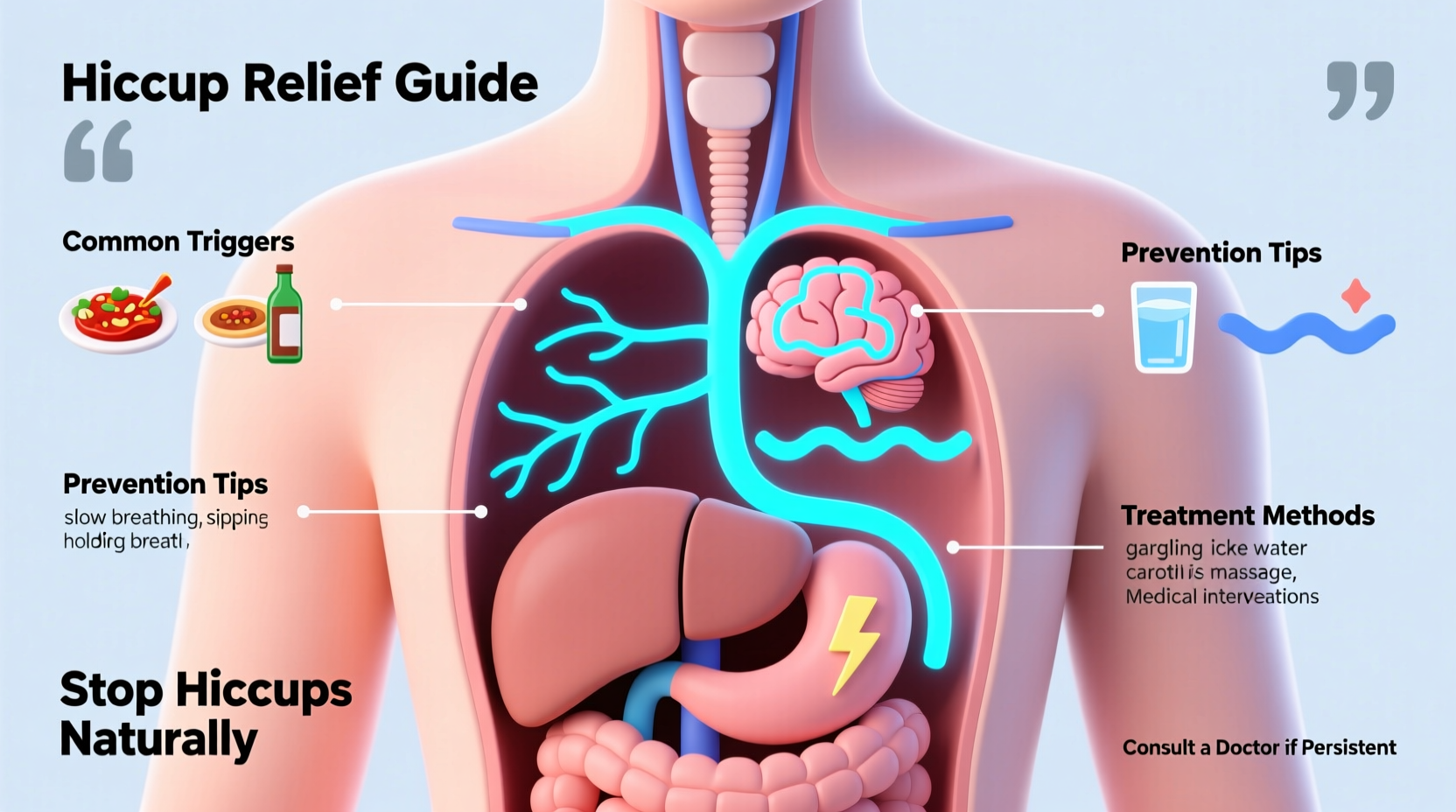
Hiccups occur when the diaphragm—the large muscle beneath the lungs responsible for breathing—contracts suddenly and involuntarily. This spasm is typically triggered by irritation of the nerves that control the diaphragm (the phrenic and vagus nerves) or by stimulation of the brain's hiccup reflex center.
Short-term hiccups are usually harmless and linked to everyday behaviors:
- Eating too quickly or overeating
- Consuming carbonated beverages or drinking alcohol
- Sudden temperature changes in food or drink (e.g., hot soup followed by ice water)
- Emotional stress or excitement
- Swallowing air while chewing gum or sucking on candy
However, when hiccups persist beyond 48 hours, they are classified as persistent hiccups. If they last more than a month, they’re termed intractable hiccups. These prolonged episodes often point to deeper physiological issues.
Tip: Avoid gulping air by eating slowly, skipping carbonated drinks, and limiting gum-chewing if you're prone to frequent hiccups.Medical Conditions Linked to All-Day Hiccups
Prolonged hiccups can be a symptom of an underlying medical condition affecting the nervous system, gastrointestinal tract, or metabolism. Common culprits include:
- Gastroesophageal reflux disease (GERD): Stomach acid irritates the esophagus and nearby nerves, triggering diaphragmatic spasms.
- Central nervous system disorders: Stroke, multiple sclerosis, brain tumors, or meningitis can disrupt the brain’s control over the hiccup reflex.
- Metabolic imbalances: Kidney failure, diabetes, or electrolyte disturbances (low calcium or potassium) may contribute.
- Medications: Steroids, benzodiazepines, anesthesia, and certain chemotherapy drugs list hiccups as a side effect.
- Abdominal surgery or irritation: Post-operative bloating or inflammation near the diaphragm can cause extended episodes.
“Persistent hiccups lasting more than 48 hours should never be ignored. They can be the first sign of a neurological or metabolic disorder.” — Dr. Alan Pierce, Neurologist and Autonomic Specialist
Preventing Day-Long Hiccups: Practical Strategies
While not all hiccups can be avoided, especially those tied to medical conditions, many daily episodes stem from lifestyle habits. Adjusting your routine can significantly reduce frequency and duration.
Dietary Adjustments
The way you eat plays a major role. Overfilling the stomach pushes against the diaphragm, increasing the likelihood of spasms. Carbonation and alcohol also distend the stomach and stimulate nerve endings.
Stress Management
Anxiety and emotional arousal can heighten autonomic nervous system activity, which includes the hiccup reflex. Incorporating mindfulness, deep breathing exercises, or short meditation sessions may help regulate nervous system responses.
Posture and Digestion
Lying down immediately after eating increases pressure on the diaphragm and promotes acid reflux. Waiting at least two to three hours before reclining reduces this risk.
| Do’s | Don’ts |
|---|---|
| Eat smaller, more frequent meals | Overeat or eat rapidly |
| Stay upright for 2–3 hours after eating | Lie down right after meals |
| Sip water slowly throughout the day | Drink carbonated or alcoholic beverages frequently |
| Practice paced breathing during stressful moments | Hold your breath excessively or hyperventilate |
Effective Treatments for Persistent Hiccups
Most short-lived hiccups resolve without intervention. However, when hiccups last all day—or longer—targeted treatments become necessary.
Home Remedies with Scientific Backing
Several household techniques work by stimulating the vagus nerve or disrupting the hiccup cycle:
- Drinking cold water slowly: The act of swallowing interrupts the spasm pattern.
- Holding your breath: Increases carbon dioxide levels, which may relax the diaphragm.
- Pulling your knees to your chest: Compresses the diaphragm and may stop spasms.
- Sugar under the tongue: A spoonful of granulated sugar stimulates the vagus nerve via the back of the throat.
- Gargling with ice water: Triggers a neural reflex that resets the hiccup circuit.
Medical Interventions
If home methods fail and hiccups persist beyond two days, consult a healthcare provider. Diagnosis may involve blood tests, imaging (like CT or MRI), or endoscopy to identify root causes.
Treatment options include:
- Medications: Chlorpromazine (FDA-approved for hiccups), metoclopramide, or gabapentin may be prescribed.
- Nerve blocks: Injections targeting the phrenic nerve can offer relief in severe cases.
- Non-invasive stimulation: Devices like transcutaneous vagus nerve stimulators are being studied for refractory hiccups.
Real-Life Example: When Hiccups Were a Warning Sign
Mark, a 54-year-old teacher, began experiencing non-stop hiccups after a routine meal. He dismissed them at first, but when they continued for three days—interrupting sleep and making eating painful—he sought medical help. Tests revealed a small tumor pressing on his vagus nerve. After surgical removal, the hiccups ceased completely. His case underscores how persistent hiccups can serve as an early red flag for serious conditions.
Step-by-Step Guide to Managing All-Day Hiccups
Follow this practical timeline when dealing with prolonged hiccups:
- Day 1 – Try home remedies: Use sugar, cold water, or breath-holding techniques every few hours.
- Day 2 – Monitor and record: Track frequency, triggers, and response to interventions.
- Day 3 – Seek medical evaluation: Visit a doctor if no improvement; discuss possible tests.
- Days 4+ – Follow prescribed treatment: Begin medication or further diagnostics as advised.
Frequently Asked Questions
Can anxiety really cause hiccups?
Yes. Anxiety activates the autonomic nervous system, which controls involuntary functions like breathing and digestion. This heightened state can trigger or prolong hiccups by affecting the diaphragm and vagus nerve.
Are chronic hiccups dangerous?
While hiccups themselves aren’t life-threatening, prolonged episodes can lead to fatigue, weight loss, insomnia, and difficulty breathing. More importantly, they may indicate a serious underlying condition that requires prompt attention.
When should I go to the doctor for hiccups?
If hiccups last more than 48 hours, interfere with eating or sleeping, or are accompanied by other symptoms like abdominal pain, vomiting, or neurological changes, see a healthcare provider immediately.
Final Thoughts: Take Control of Your Health
Occasional hiccups are normal. But when they stretch into hours or days, they shift from a quirky bodily glitch to a potential health signal. By understanding the causes—from simple dietary missteps to complex neurological issues—you empower yourself to respond wisely. Prevention starts with mindful eating and stress awareness. Treatment ranges from time-tested home tricks to medical care when needed.
Don’t ignore your body’s messages. Whether it’s a fleeting spasm or an unrelenting hiccup, your next step could be as simple as adjusting your habits—or as crucial as uncovering a hidden condition. Listen closely, act proactively, and take charge of your well-being.
💬 Have you experienced long-lasting hiccups? What worked for you? Share your story in the comments—your insight might help someone find relief.








