Vertigo isn’t just a fear of heights—it’s a disorienting sensation that makes you feel like you or your surroundings are spinning, even when standing still. If you’ve ever stood up too quickly and felt the room tilt, or experienced sudden dizziness without warning, you may have encountered vertigo. While occasional dizziness can be harmless, recurring or severe vertigo often signals an underlying condition affecting the inner ear or nervous system. Understanding why this happens, recognizing the symptoms early, and knowing what treatments are available can help restore balance—both physically and mentally.
What Exactly Is Vertigo?
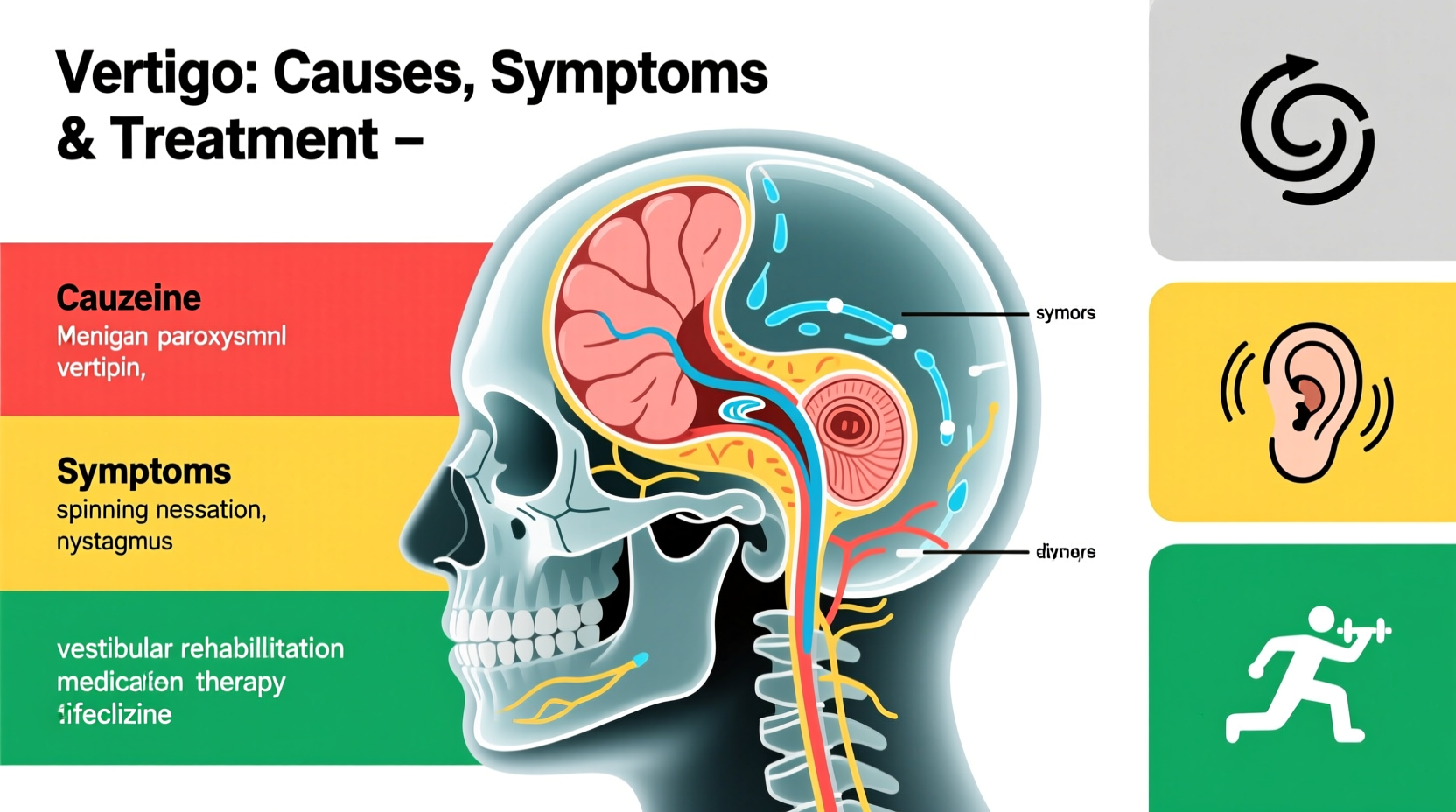
Vertigo is a symptom, not a disease. It refers to the false sense of motion or spinning, typically triggered by problems in the vestibular system—the network in the inner ear and brain responsible for maintaining balance and spatial orientation. Unlike general lightheadedness, vertigo creates a distinct illusion of movement, often accompanied by nausea, imbalance, and difficulty focusing. Episodes can last from a few seconds to several days, depending on the cause.
The vestibular system sends constant signals to the brain about head motion and position relative to gravity. When these signals become disrupted—due to infection, inflammation, structural changes, or neurological interference—the brain receives conflicting information, resulting in vertigo.
Common Causes of Vertigo
Several conditions can trigger vertigo, each with distinct mechanisms and risk factors. The most frequent causes include:
- BPPV (Benign Paroxysmal Positional Vertigo): Caused by tiny calcium crystals (otoconia) dislodging into the fluid-filled canals of the inner ear. Head movements, especially rolling over in bed or looking up, provoke brief but intense spinning sensations.
- Ménière’s Disease: A disorder of the inner ear involving fluid buildup, leading to vertigo, hearing loss, tinnitus (ringing in the ears), and a feeling of fullness in the ear. Episodes can last hours.
- Vestibular Neuritis or Labyrinthitis: Inflammation of the vestibular nerve, usually due to viral infections like herpes simplex or upper respiratory illnesses. Often comes with sudden, prolonged vertigo without hearing loss (neuritis) or with it (labyrinthitis).
- Acoustic Neuroma: A noncancerous tumor on the nerve connecting the inner ear to the brain. It can cause gradual hearing loss, tinnitus, and balance issues.
- Migraine-Associated Vertigo: Some people experience vertigo as part of a migraine episode, even without a headache. These episodes may last minutes to days and are often linked to visual disturbances or sensitivity to light and sound.
- Cervical Vertigo: Rare and debated, this type may result from neck injuries or arthritis affecting blood flow or nerve signals involved in balance.
“Vertigo is one of the most common reasons patients visit ENT specialists. Pinpointing the exact cause is crucial because treatments vary significantly.” — Dr. Lena Torres, Neurotologist at Boston Balance Clinic
Symptoms That Accompany Vertigo
While the hallmark of vertigo is the sensation of spinning, it rarely occurs in isolation. Additional symptoms help differentiate between types and guide diagnosis:
- Nausea or vomiting
- Loss of balance or unsteady gait
- Nystagmus (involuntary eye movements)
- Hearing changes or ringing in the ears
- Sweating or abnormal heart rate
- Focusing difficulties during episodes
In cases of central vertigo—originating from the brain or brainstem, such as from stroke or multiple sclerosis—symptoms may also include double vision, slurred speech, limb weakness, or coordination problems. These require immediate medical evaluation.
Tip: Keep a symptom journal. Note when vertigo occurs, how long it lasts, what triggers it (e.g., head movement, stress), and any associated symptoms. This helps doctors make an accurate diagnosis.Diagnosis and Medical Evaluation
No single test confirms vertigo. Instead, healthcare providers use a combination of clinical history, physical exams, and diagnostic tools:
- Dix-Hallpike Maneuver: Used to diagnose BPPV. The clinician moves your head and body into specific positions to observe nystagmus and reproduce symptoms.
- Videonystagmography (VNG): Tracks eye movements using infrared cameras while you follow visual targets or undergo positional testing.
- Head Impulse Test: Assesses the function of individual semicircular canals by measuring eye response to rapid head movements.
- Imaging: MRI or CT scans may be ordered if a central cause (like a tumor or stroke) is suspected.
- Hearing Tests: Audiometry helps identify hearing loss linked to Ménière’s or acoustic neuroma.
| Condition | Typical Duration | Key Triggers | Hearing Loss? |
|---|---|---|---|
| BPPV | Seconds to minutes | Head movement (rolling over, looking up) | No |
| Ménière’s Disease | 20 min – 24 hours | Salt intake, stress, fatigue | Yes |
| Vestibular Neuritis | Days to weeks | Recent illness | No |
| Migraine-Associated Vertigo | Minutes to days | Stress, lights, foods | Sometimes |
Treatment Options Based on Cause
Effective treatment depends entirely on identifying the root cause. There is no one-size-fits-all solution.
BPPV: Canalith Repositioning
The Epley maneuver—a series of guided head movements—repositions dislodged calcium crystals back into their proper chamber. When performed correctly, it resolves symptoms in over 90% of cases within one to three sessions.
Ménière’s Disease: Lifestyle & Medication
Reducing dietary salt, avoiding caffeine and alcohol, and managing stress can reduce fluid fluctuations in the inner ear. Diuretics may be prescribed. For severe cases, intratympanic steroid or gentamicin injections are options.
Vestibular Neuritis: Supportive Care
Short-term use of anti-nausea drugs (like meclizine) and corticosteroids can ease symptoms. Once acute phase passes, vestibular rehabilitation therapy (VRT) helps the brain adapt to balance changes.
Vestibular Rehabilitation Therapy (VRT)
A customized exercise program led by a physical therapist, VRT retrains the brain to compensate for vestibular dysfunction. Exercises include gaze stabilization, balance training, and habituation drills. Studies show VRT improves symptoms in 80% of chronic vertigo patients.
Tip: Don’t avoid movement during vertigo episodes. Gentle motion helps the brain recalibrate faster. Staying immobile prolongs recovery.Home Management and Prevention Checklist
You can reduce frequency and severity of vertigo with consistent self-care:
- ✅ Perform prescribed repositioning maneuvers (e.g., Epley) under guidance
- ✅ Limit salt, caffeine, and alcohol intake
- ✅ Practice daily vestibular exercises if recommended
- ✅ Stay hydrated and maintain regular sleep patterns
- ✅ Use adequate lighting when getting up at night to prevent falls
- ✅ Avoid sudden head movements; turn slowly
- ✅ Manage stress through mindfulness, yoga, or breathing techniques
Real-Life Example: Recovering from BPPV
Sarah, a 52-year-old teacher, began experiencing sudden dizziness every time she rolled over in bed or looked up to reach high shelves. She feared she was having mini-strokes. After visiting an ENT specialist, she was diagnosed with posterior canal BPPV using the Dix-Hallpike test. The doctor performed the Epley maneuver in-office. Within 48 hours, her symptoms were gone. She was taught how to do the maneuver at home and advised to avoid sleeping on the affected side for a week. Six months later, she remains symptom-free with no recurrence.
Sarah’s case highlights how a precise diagnosis leads to fast, effective treatment—without medication or surgery.
Frequently Asked Questions
Can dehydration cause vertigo?
Yes. Dehydration affects blood volume and pressure, which can disrupt inner ear function and trigger dizziness. Staying well-hydrated supports stable vestibular performance.
Is vertigo a sign of a stroke?
Not always, but vertigo accompanied by slurred speech, facial drooping, arm weakness, or severe headache could indicate a brainstem stroke. This is a medical emergency requiring immediate attention.
Can anxiety cause vertigo-like symptoms?
Anxiety doesn’t cause true vertigo (spinning sensation due to vestibular dysfunction), but it can produce dizziness, lightheadedness, and imbalance. These are often described as “floating” rather than spinning. However, anxiety can worsen existing vertigo by increasing muscle tension and hypervigilance.
Conclusion: Take Control of Your Balance
Experiencing vertigo can be unsettling, even frightening. But in most cases, it’s manageable once the cause is identified. Whether it’s a simple crystal displacement corrected with a head maneuver or a chronic condition requiring lifestyle adjustments, effective solutions exist. Don’t dismiss recurrent dizziness as normal aging or stress. Seek professional evaluation, track your symptoms, and engage actively in treatment. With the right approach, most people regain stability and return to daily life with confidence.
💬 If you’ve experienced vertigo, share your story or tips in the comments. Your insight could help someone find relief faster.








