
Fainting—also known as syncope—is a sudden, temporary loss of consciousness followed by a rapid recovery. While it can be alarming, especially when unexplained, most cases are not life-threatening. However, recurrent or unexplained fainting should never be ignored. Understanding why you're fainting involves exploring the underlying causes, recognizing warning signs, and knowing when to seek medical help. This article breaks down the science behind syncope, outlines common triggers, and provides practical guidance on diagnosis and treatment.
What Happens When You Faint?
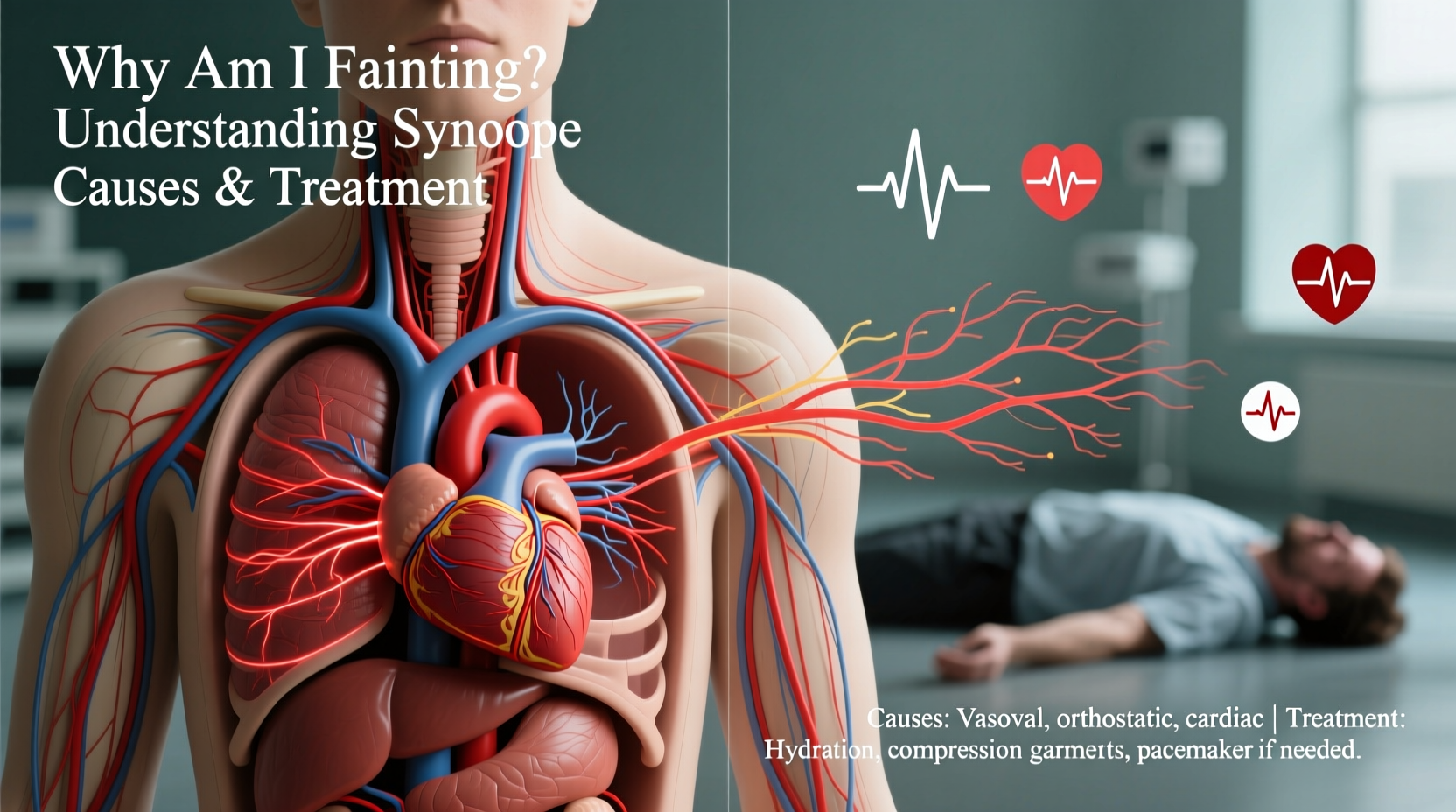
Syncope occurs when there’s a brief drop in blood flow to the brain. This reduction can stem from a sudden dip in blood pressure, heart rate, or changes in blood distribution within the body. The brain, deprived of adequate oxygen even for seconds, responds by causing you to lose consciousness. Most people regain awareness quickly once they lie down, allowing blood to return to the brain.
The process is usually self-limiting, but the real concern lies in identifying *why* the drop in cerebral perfusion happened in the first place. Syncope isn’t a disease—it’s a symptom of an underlying condition or trigger.
Common Types of Syncope
Syncope is broadly categorized into three main types, each with distinct mechanisms:
- Reflex (Neurally Mediated) Syncope: The most common type, often triggered by emotional stress, pain, prolonged standing, or even coughing. It includes vasovagal syncope and situational syncope.
- Orthostatic Hypotension: Caused by a sudden drop in blood pressure upon standing. Common in older adults, those on certain medications, or individuals with autonomic nervous system disorders.
- Cardiac Syncope: Related to heart conditions such as arrhythmias, structural heart disease, or blockages. This type is more dangerous and requires immediate evaluation.
Recognizing the Warning Signs
Many people experience prodromal symptoms before fainting. These include:
- Dizziness or lightheadedness
- Nausea
- Sweating
- Blurred vision or tunnel vision
- Ringing in the ears
- Palpitations
If you notice these signs, act quickly: sit or lie down and elevate your legs. This helps restore blood flow to the brain and may prevent full loss of consciousness.
Not everyone experiences warnings. Some collapse suddenly without any premonitory symptoms—this is particularly concerning and warrants prompt medical investigation.
Key Causes Behind Unexplained Fainting
Understanding what might be triggering your fainting spells starts with evaluating potential causes across different systems:
1. Vasovagal Triggers
Emotional distress, fear of blood, intense pain, or prolonged standing can activate the vagus nerve, leading to slowed heart rate and dilated blood vessels. This combination reduces blood pressure and can cause fainting.
2. Medication Side Effects
Drugs that lower blood pressure (like diuretics or beta-blockers), antidepressants, or Parkinson’s medications can increase the risk of orthostatic hypotension.
3. Heart Rhythm Disorders
Arrhythmias—such as bradycardia (slow heart rate) or tachycardia (fast heart rate)—can impair the heart’s ability to pump effectively, leading to reduced brain perfusion.
4. Structural Heart Problems
Conditions like hypertrophic cardiomyopathy, aortic stenosis, or pulmonary embolism can obstruct blood flow and result in syncope.
5. Neurological Factors
While less common, seizures, transient ischemic attacks (TIAs), or autonomic dysfunction (e.g., in Parkinson’s) can mimic or cause fainting.
“Syncope is a red flag when it occurs during exertion or while lying down. These patterns suggest possible cardiac involvement and require urgent assessment.” — Dr. Alan Reyes, Cardiologist & Syncope Specialist
Diagnosis: How Doctors Find the Cause
Pinpointing the reason for fainting involves a detailed clinical evaluation. Your doctor will likely follow this diagnostic pathway:
- Medical History: Questions about frequency, triggers, associated symptoms, medications, and family history of heart conditions.
- Physical Exam: Checking vital signs, heart sounds, and neurological function.
- Electrocardiogram (ECG): A basic test to detect abnormal heart rhythms or signs of prior heart damage.
- Tilt Table Test: Used to provoke reflex syncope in a controlled environment by tilting the patient upright while monitoring heart rate and blood pressure.
- Holter Monitor or Event Recorder: Worn for 24–48 hours (or longer) to capture intermittent arrhythmias.
- Echocardiogram: An ultrasound of the heart to assess structure and function.
In some cases, implantable loop recorders may be used for long-term monitoring if episodes are infrequent but concerning.
When Is Emergency Evaluation Needed?
Seek immediate medical attention if fainting is accompanied by:
- Chest pain or palpitations before the event
- Fainting during physical activity
- Shortness of breath or confusion afterward
- History of heart disease
- Frequent or worsening episodes
Treatment Options Based on Cause
Effective treatment depends entirely on the underlying cause. Here’s how different types of syncope are managed:
| Type of Syncope | Treatment Approach | Lifestyle Adjustments |
|---|---|---|
| Vasovagal (Reflex) | Education, hydration, avoiding triggers | Increased salt/fluid intake, muscle tension techniques |
| Orthostatic Hypotension | Medication review, fludrocortisone, midodrine | Rise slowly, wear compression stockings |
| Cardiac (Arrhythmia-related) | Pacemaker, ICD, ablation therapy | Avoid strenuous activity until cleared |
| Situational (cough, swallow, micturition) | Treat underlying condition | Modify behaviors (e.g., avoid straining) |
Step-by-Step: What to Do After a Fainting Episode
- Stay Calm: Lie down or sit with head between knees to restore blood flow.
- Hydrate: Drink water or an electrolyte beverage, especially if dehydrated.
- Record Details: Note time, activity, symptoms, and duration of unconsciousness.
- Inform Someone: Let a family member or friend know what happened.
- See a Doctor: Schedule an appointment, especially if it’s your first episode or symptoms were atypical.
Real-Life Example: A Case of Misdiagnosed Fainting
Sarah, a 34-year-old teacher, began experiencing fainting spells after standing for long periods during school assemblies. Initially dismissed as anxiety, she fainted again while grocery shopping. Her primary care doctor referred her to a cardiologist. After a tilt table test, she was diagnosed with vasovagal syncope exacerbated by low fluid intake and standing too long. With increased hydration, modest salt intake, and learning to tense her leg muscles when feeling dizzy, Sarah hasn’t had an episode in over a year.
This case highlights how seemingly benign fainting can disrupt daily life—and how proper diagnosis leads to simple, effective solutions.
Prevention Checklist
To reduce your risk of fainting, follow this actionable checklist:
- ✅ Stay well-hydrated throughout the day
- ✅ Avoid prolonged standing, especially in hot environments
- ✅ Rise slowly from sitting or lying positions
- ✅ Review all medications with your doctor for side effects
- ✅ Wear compression stockings if prone to orthostatic drops
- ✅ Practice counter-pressure maneuvers (e.g., crossing legs and tensing muscles) when feeling lightheaded
- ✅ Seek evaluation after any unexplained loss of consciousness
Frequently Asked Questions
Is fainting ever normal?
Occasional fainting due to known triggers—like seeing blood or standing too long in heat—can be considered normal in otherwise healthy individuals. However, every episode should be evaluated to rule out serious causes.
Can dehydration cause fainting?
Yes. Dehydration reduces blood volume, making it harder for the heart to maintain blood pressure, especially when standing. It’s a common contributor to vasovagal and orthostatic syncope.
Should I stop driving if I’ve fainted?
Most countries require you to stop driving temporarily after an unexplained fainting episode. Guidelines vary, but typically you must be symptom-free for 3–12 months and have a clear medical evaluation before resuming driving.
Take Control of Your Health
Fainting doesn’t have to remain a mystery. By understanding the mechanisms behind syncope, recognizing your personal triggers, and working with healthcare professionals, you can identify the root cause and take meaningful steps toward prevention. Whether it’s adjusting your fluid intake, modifying medications, or undergoing targeted testing, proactive management can restore confidence and safety in your daily life.
💬 Have you experienced unexplained fainting? Share your story or questions in the comments—your insight could help someone else find answers.








