Bow legs, medically known as genu varum, is a condition where the knees remain wide apart when a person stands with their feet and ankles together. While common in infants and toddlers, persistent or reappearing bowing in older children and adults can signal underlying health issues. Understanding the causes, recognizing symptoms early, and exploring appropriate treatment options are essential steps toward managing this condition effectively.
What Causes Bow Legs?
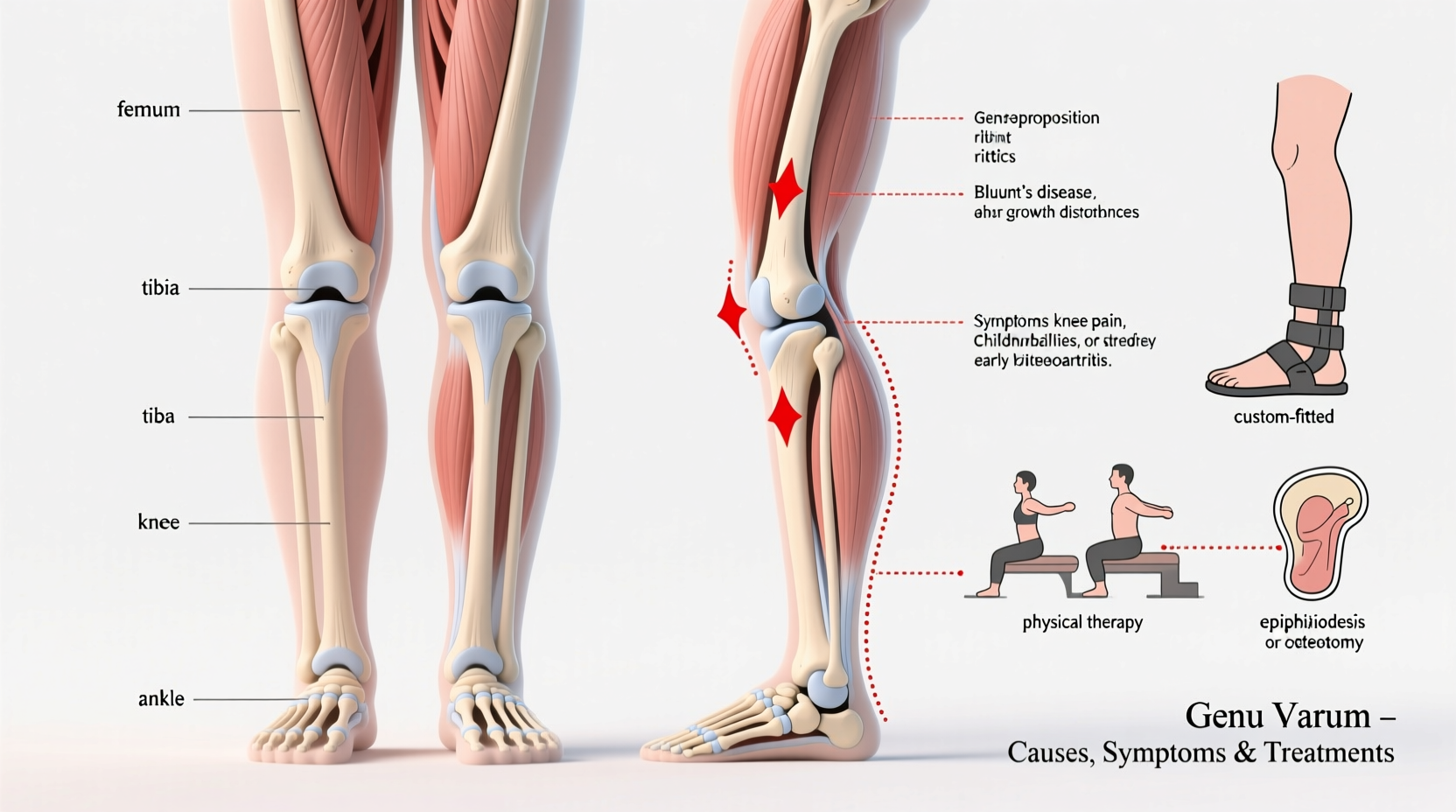
Bow legs occur due to misalignment in the bones of the lower limbs—specifically the femur (thigh bone), tibia (shin bone), or both. The condition can stem from various factors depending on age and overall health.
In infants and young children, bow legs are typically a normal part of development. As babies grow in the womb, their legs are folded tightly, leading to natural curvature that usually corrects itself by age 3–4. However, in some cases, the condition persists or develops later due to pathological reasons.
- Physiological Genu Varum: A normal developmental phase in children under 2 years old that resolves without intervention.
- Rickets: Caused by vitamin D, calcium, or phosphate deficiency, leading to soft, weak bones that deform under weight.
- Blount’s Disease: A growth disorder affecting the tibia, where the inner side of the shin bone grows slower than the outer side, worsening bowing over time.
- Genetic Disorders: Conditions like achondroplasia (a form of dwarfism) or skeletal dysplasias can cause abnormal bone development.
- Trauma or Infection: Bone injuries near growth plates or infections like osteomyelitis may disrupt normal bone alignment.
- Obesity: Excess body weight increases stress on developing bones, potentially exacerbating or prolonging bowing.
Symptoms and When to Seek Help
Mild bowing in early childhood often presents no symptoms and requires no treatment. However, certain signs indicate the need for medical assessment:
- Knees spaced more than 3 inches apart when standing with feet together
- Limping or awkward walking pattern
- Knee or hip pain, especially during activity
- Reduced range of motion in the hips or knees
- Progressive worsening of leg curvature over time
- Asymmetry—bowing more pronounced on one side
In adults, new-onset bowing is not typical and may point to degenerative joint disease such as osteoarthritis, particularly in the medial (inner) compartment of the knee. This wear-and-tear process leads to cartilage loss on one side, causing the leg to angle outward.
“Persistent bowing beyond age 4, especially if asymmetric or painful, should prompt a thorough orthopedic evaluation.” — Dr. Lena Torres, Pediatric Orthopedic Surgeon
Diagnosis and Evaluation Process
A proper diagnosis begins with a physical examination and detailed medical history. Doctors assess leg alignment, gait patterns, and symmetry while ruling out systemic conditions.
Imaging plays a crucial role:
- X-rays: Used to measure the angle of deviation and identify abnormalities in bone structure, such as those seen in Blount’s disease or rickets.
- Alignment Tests: The child may be asked to stand barefoot with heels and toes aligned; distance between knees helps quantify severity.
- Blood Work: If rickets is suspected, tests check levels of vitamin D, calcium, phosphate, and alkaline phosphatase.
Distinguishing between physiological bowing and pathological causes is key. For example, Blount’s disease typically affects the tibia and progresses with growth, whereas nutritional rickets shows characteristic changes on X-ray like frayed growth plates.
Treatment Options Based on Age and Cause
Treatment varies significantly based on age, underlying cause, and severity. Most cases in young children resolve naturally, but interventions exist for persistent or severe forms.
Non-Surgical Treatments
| Condition | Treatment Approach | Effectiveness |
|---|---|---|
| Physiological Bowing | Observation and monitoring | Resolves spontaneously by age 3–4 |
| Nutritional Rickets | Vitamin D and calcium supplementation | Significant improvement within months |
| Early Blount’s Disease | Bracing (before age 3) | Moderate success if started early |
| Adult Osteoarthritis-Related Bowing | Weight management, physical therapy, orthotics | Slows progression, reduces pain |
Bracing is most effective in children under 3 with mild-to-moderate Blount’s disease. Custom-made knee-ankle-foot orthoses apply corrective pressure over time. Compliance is critical—the brace must be worn nearly full-time for several months.
Surgical Interventions
When non-surgical methods fail or deformity is severe, surgery may be necessary. Common procedures include:
- Osteotomy: Cutting and realigning the tibia or femur to correct angle. Often used in older children and adults.
- Hemiepiphysiodesis: A guided growth technique where a small plate slows growth on the outer side of the bone, allowing the inner side to \"catch up.\" Minimally invasive and ideal for growing children.
- Total Knee Replacement: Reserved for adults with advanced arthritis and significant bowing causing disability.
Recovery times vary—from weeks in guided growth procedures to many months following osteotomy. Physical therapy is essential post-surgery to restore strength and mobility.
Real-Life Example: Managing Blount’s Disease Early
Four-year-old Maya was brought in by her parents due to increasing difficulty running and frequent tripping. On exam, she had pronounced bowing of the right leg, with her knees over 5 inches apart when standing. X-rays confirmed tibia vara consistent with Blount’s disease.
Because she was still young and actively growing, her orthopedist recommended hemiepiphysiodesis. A small growth plate tether was placed surgically, and over the next 18 months, her leg gradually straightened. By age 6, her alignment was nearly normal, and she resumed all activities without pain.
This case highlights the importance of timely diagnosis and leveraging a child’s remaining growth potential for less invasive correction.
Prevention and Long-Term Management Tips
While congenital and genetic causes can't always be prevented, certain lifestyle choices reduce risks or complications:
Tip: Ensure adequate vitamin D intake through diet, supplements, and safe sun exposure—especially in regions with limited sunlight.- Maintain a healthy weight to minimize stress on developing joints.
- Encourage balanced nutrition rich in calcium and vitamin D from infancy onward.
- Avoid premature walking aids (e.g., baby jumpers) that may strain immature bones.
- Schedule regular pediatric checkups to monitor developmental milestones.
Frequently Asked Questions
Can bow legs be corrected in adults?
Yes, though non-invasive methods have limited impact once growth has stopped. Surgical options like osteotomy or joint replacement can correct alignment and relieve pain, especially when associated with arthritis.
Is it normal for adults to develop bow legs?
Not typically. New bowing in adulthood is often linked to progressive knee osteoarthritis, particularly in overweight individuals. It warrants evaluation to prevent further joint damage.
Do orthotics or shoe inserts help with bow legs?
They don’t correct bone alignment but can improve gait mechanics, reduce pain, and slow degeneration in adult cases. Best used alongside other conservative treatments.
Take Action for Better Alignment and Joint Health
Bow legs may begin as a normal stage of childhood development, but persistent or painful curvature demands attention. Whether you're a concerned parent or an adult noticing changes in leg alignment, understanding the root cause is the first step toward effective treatment. From nutritional support and bracing to surgical correction, modern medicine offers solutions tailored to age and severity.
Don’t dismiss persistent bowing as just “how you walk.” Early evaluation can prevent long-term joint damage and improve quality of life. Speak with a healthcare provider or orthopedic specialist to explore your options and take control of your musculoskeletal health today.
💬 Have questions about your or your child’s leg alignment? Share your experience or ask for guidance in the comments below—we’re here to help!








