Seeing more hair on your pillow or in the shower drain than on your scalp can be alarming. Hair loss affects millions of people worldwide, regardless of age or gender. While it’s a natural part of aging for many, sudden or excessive balding may signal underlying health issues, genetic predispositions, or lifestyle factors. Understanding why you're losing hair is the first step toward effective treatment and long-term prevention. This guide breaks down the science behind baldness, explores medical and natural solutions, and offers actionable steps to protect your hair.
Understanding the Science of Hair Loss
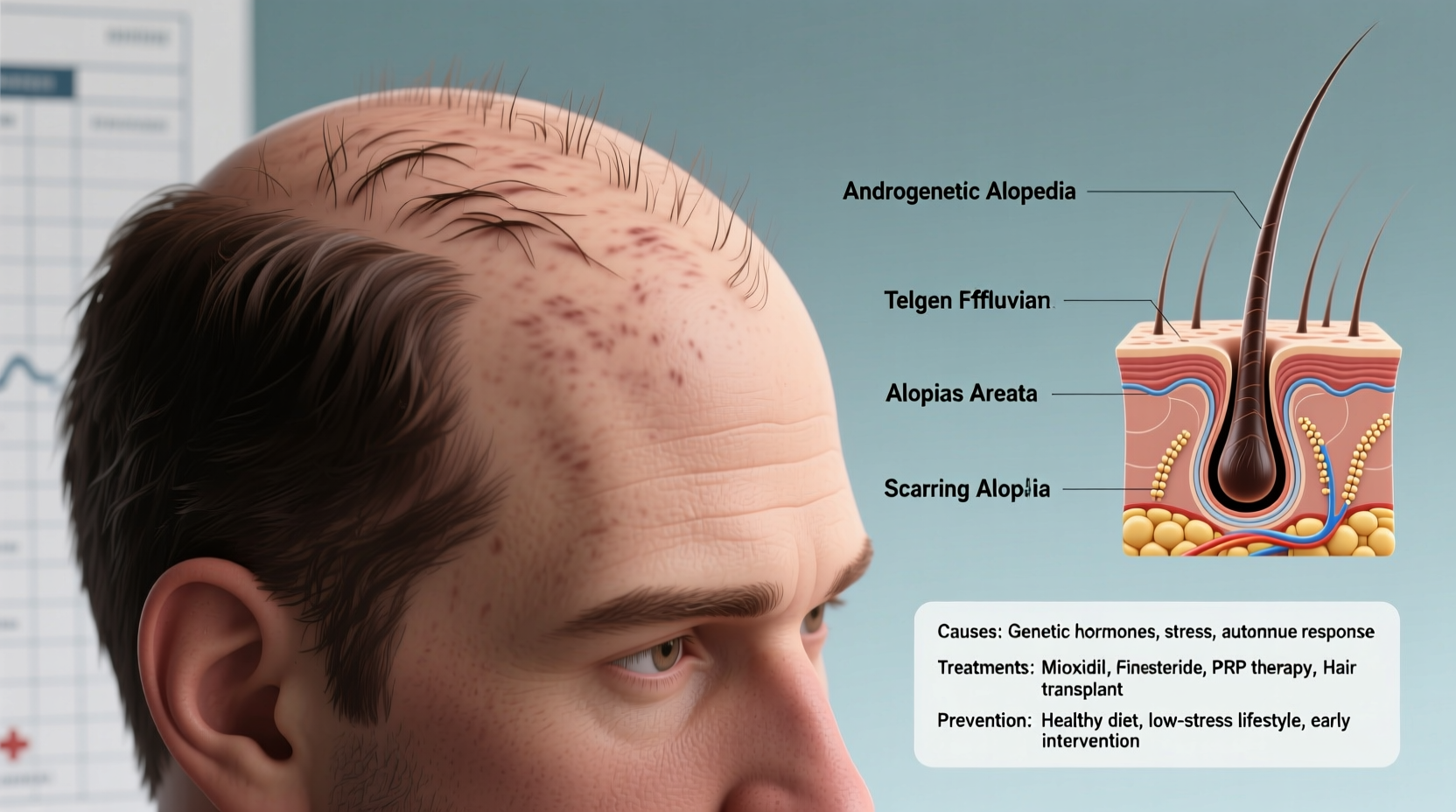
Hair grows in cycles: anagen (growth), catagen (transition), and telogen (resting). Normally, about 50–100 hairs are shed daily as new ones replace them. Baldness occurs when this cycle is disrupted—either due to slowed regrowth, damaged follicles, or hormonal imbalances.
The most common form of hair loss is androgenetic alopecia, also known as male or female pattern baldness. It's responsible for up to 95% of hair loss cases and is primarily driven by genetics and hormones. In men, it typically starts with a receding hairline or thinning at the crown. Women usually experience overall thinning rather than complete bald spots.
“Hair loss isn’t just cosmetic—it can significantly impact self-esteem and mental well-being.” — Dr. Lena Patel, Dermatologist and Hair Specialist
Common Causes of Baldness
Baldness doesn’t happen in isolation. Multiple factors contribute to hair thinning and shedding. Identifying the root cause is essential for choosing the right treatment.
- Genetics: If baldness runs in your family, you’re more likely to experience it. The AR gene plays a key role in making hair follicles sensitive to dihydrotestosterone (DHT), a hormone that shrinks them over time.
- Hormonal Changes: Pregnancy, menopause, thyroid disorders, and polycystic ovary syndrome (PCOS) can trigger temporary or permanent hair loss.
- Nutritional Deficiencies: Low iron, vitamin D, zinc, and protein intake impair hair strength and growth.
- Stress and Illness: Severe stress, surgery, or infections can lead to telogen effluvium—a condition where large numbers of hairs enter the resting phase simultaneously.
- Medications: Chemotherapy, blood thinners, antidepressants, and beta-blockers may list hair loss as a side effect.
- Scalp Conditions: Psoriasis, fungal infections like ringworm, and seborrheic dermatitis damage the scalp environment needed for healthy growth.
Evidence-Based Treatments for Hair Regrowth
While no cure guarantees full reversal of baldness, several treatments have proven effective in slowing hair loss and stimulating regrowth—especially when started early.
| Treatment | How It Works | Effectiveness | Time to See Results |
|---|---|---|---|
| Minoxidil (Rogaine) | Topical solution that increases blood flow to follicles | Moderate; best for crown thinning | 3–6 months |
| Finasteride (Propecia) | Oral medication that blocks DHT production | High in men with early-stage balding | 6–12 months |
| Low-Level Laser Therapy (LLLT) | Laser combs/helmets stimulate cellular activity | Mild to moderate improvement | 12–24 weeks |
| Platelet-Rich Plasma (PRP) | Injections of concentrated platelets from your blood | Promising results in clinical studies | 3–4 sessions over months |
| Hair Transplant Surgery | Relocates healthy follicles from donor areas | Most permanent solution available | Visible after 6–9 months |
It’s important to consult a dermatologist before starting any treatment, especially prescription medications like finasteride, which may carry sexual side effects in a small percentage of users.
Prevention Strategies and Lifestyle Adjustments
Even if you're genetically prone to balding, proactive care can delay onset and reduce severity. Prevention focuses on supporting scalp health, reducing inflammation, and minimizing external damage.
- Maintain a Balanced Diet: Prioritize foods rich in omega-3 fatty acids (salmon, flaxseeds), biotin (eggs, nuts), iron (spinach, lentils), and antioxidants (berries, green tea).
- Avoid Harsh Styling Practices: Tight ponytails, hot tools, chemical relaxers, and bleach weaken hair shafts and increase breakage.
- Manage Stress Levels: Chronic stress elevates cortisol, which disrupts the hair growth cycle. Incorporate mindfulness, yoga, or regular exercise into your routine.
- Use Gentle Hair Products: Choose sulfate-free shampoos and avoid alcohol-based styling products that dry out the scalp.
- Protect Your Scalp: Wear hats in strong sun and avoid prolonged exposure to pollution and chlorine.
Checklist: Daily Habits to Support Hair Health
- ✔ Eat a protein-rich breakfast
- ✔ Drink at least 8 glasses of water
- ✔ Gently massage scalp for 2 minutes during shampooing
- ✔ Limit heat styling to once a week
- ✔ Take a multivitamin with B-complex and zinc (if deficient)
Real-Life Example: Mark’s Journey with Early Balding
Mark, a 32-year-old software engineer, noticed his temples receding after a high-stress project and significant weight loss. Initially dismissing it as normal aging, he later became concerned when clumps appeared in his brush. He consulted a dermatologist who diagnosed early androgenetic alopecia exacerbated by nutritional deficiencies.
His treatment plan included daily minoxidil, bi-weekly LLLT sessions, and dietary adjustments including iron supplements and increased protein intake. Within nine months, shedding reduced dramatically, and subtle regrowth was visible along the hairline. Mark credits consistency and early intervention for halting further progression.
Frequently Asked Questions
Can hair loss be reversed naturally?
In mild cases, yes—especially when linked to diet, stress, or temporary conditions like postpartum shedding. However, genetic balding usually requires medical treatment for meaningful reversal.
Does wearing hats cause baldness?
No, wearing hats does not cause hair loss. However, extremely tight headwear worn constantly may lead to traction alopecia over time. Opt for breathable materials and avoid constant tension on the scalp.
Is baldness preventable if it runs in my family?
You can't change your genes, but you can influence how they express. Starting preventive care in your 20s—such as using minoxidil early or optimizing nutrition—can significantly delay the onset and slow progression.
Step-by-Step Guide to Addressing Hair Loss
If you're noticing unusual shedding or thinning, follow this structured approach:
- Document Symptoms: Note when hair loss began, patterns of shedding, and any recent life changes (illness, stress, new meds).
- See a Specialist: Visit a board-certified dermatologist or trichologist for diagnosis via scalp examination or blood tests.
- Rule Out Medical Causes: Check thyroid function, iron levels, and hormone panels.
- Start Treatment: Begin FDA-approved therapies like minoxidil or finasteride under supervision.
- Adopt Preventive Habits: Improve diet, reduce stress, and use gentle hair care routines.
- Monitor Progress: Take photos every 2 months and adjust treatment based on results.
Take Control of Your Hair Health Today
Baldness doesn’t have to define your appearance or confidence. Whether your hair loss stems from genetics, lifestyle, or health conditions, there are effective tools and treatments available. The key is early awareness, accurate diagnosis, and consistent action. Don’t wait until the mirror shows dramatic changes—start protecting your hair now with informed choices and professional guidance.
💬 Have questions about your hair loss journey? Share your experience or ask for advice in the comments—your story could help someone else feel less alone.








