
Discovering white spots on the testicles can be unsettling, but in many cases, they are benign and not a sign of serious illness. These spots may appear as small bumps, dots, or raised areas and can vary in texture and number. While some causes are entirely harmless—like blocked pores or hair follicles—others may require medical attention. Understanding the underlying reasons, recognizing symptoms, and knowing when to consult a healthcare provider is essential for proper diagnosis and peace of mind.
Common Causes of White Spots on Testicles
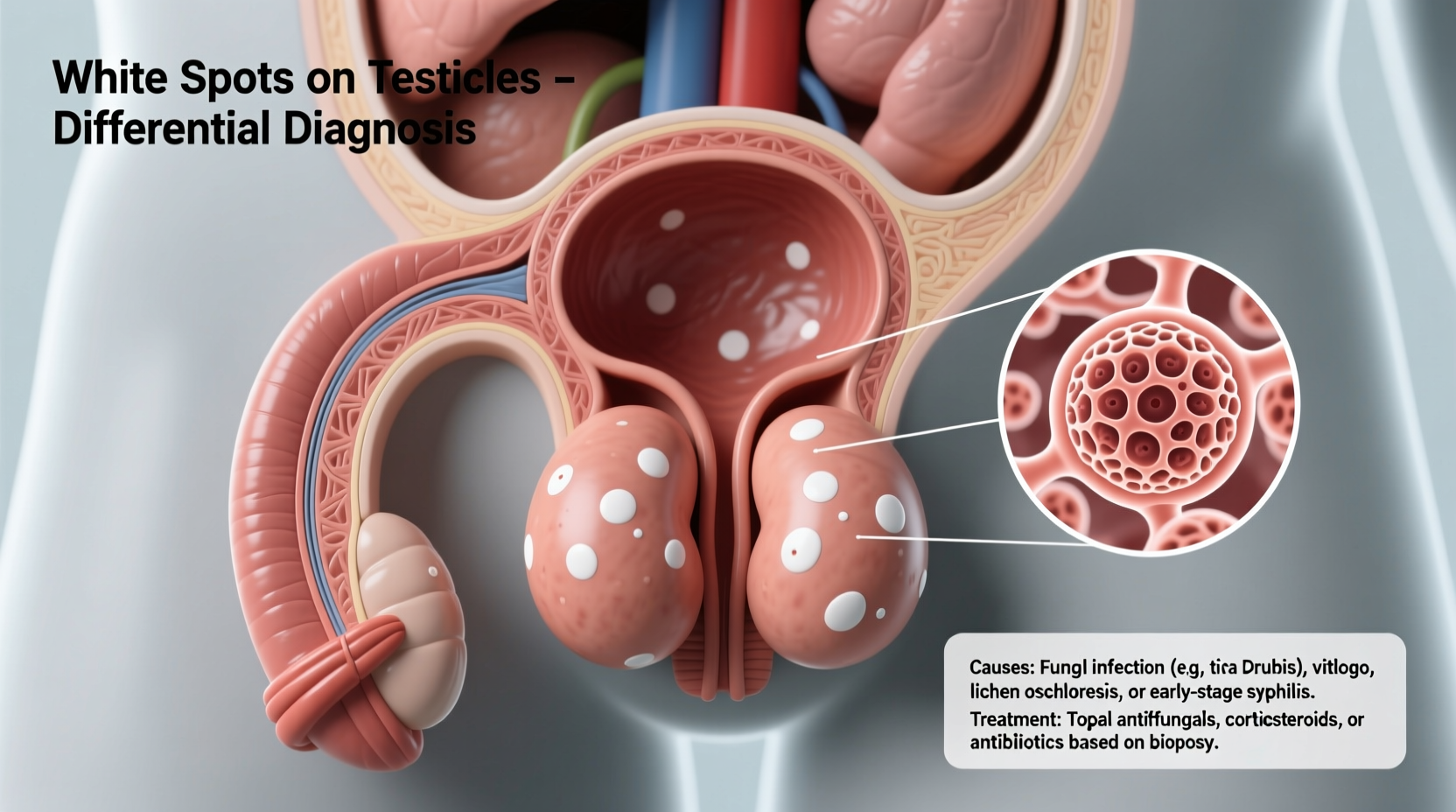
Several conditions can lead to the appearance of white spots on the scrotum or testicles. Most are non-cancerous and manageable with appropriate care. The most frequent causes include:
- Epidermal Inclusion Cysts (Sebaceous Cysts): These form when skin cells become trapped beneath the surface, often due to blocked sebaceous glands. They appear as small, firm, white or yellowish bumps and are usually painless unless infected.
- Pearly Penile Papules (PPP) – Misdiagnosed Location: Though typically found on the corona of the penis, similar-looking papules can occasionally be mistaken for scrotal spots. These are normal anatomical variations and completely harmless.
- Fordyce Spots: These are visible sebaceous glands without hair follicles. They appear as tiny white or yellowish spots and are common on genital skin. No treatment is needed.
- Milia: Small keratin-filled cysts that form just under the skin. Common in areas where sweat and oil accumulate, milia are harmless and often resolve on their own.
- Fungal Infections (Tinea Cruris / Jock Itch): Can cause flaky, itchy patches that may appear whitish or reddened. Often spreads from the groin to the scrotum.
- Genital Warts (HPV): Caused by certain strains of human papillomavirus, these may appear as flesh-colored or whitish growths, sometimes cauliflower-like. They are contagious and require medical evaluation.
- Sexually Transmitted Infections (STIs): Conditions like syphilis or molluscum contagiosum can present with unusual lesions or pearly-white bumps.
- Keratosis Pilaris: A genetic condition causing rough patches and tiny bumps, often on arms or thighs, but can affect scrotal skin.
How to Identify the Type of Spot
Distinguishing between harmless and concerning white spots requires careful observation of key characteristics. Consider the following factors:
| Cause | Appearance | Pain/Itching? | Contagious? | Self-Resolving? |
|---|---|---|---|---|
| Sebaceous Cyst | Round, firm, white or yellow bump | Rarely; painful if infected | No | No—may require drainage |
| Fordyce Spots | Tiny white/yellow dots | No | No | Yes—always present, not harmful |
| Milia | Pinpoint white bumps | No | No | Often yes |
| Genital Warts | Rough, fleshy, clustered growths | Sometimes itchy | Yes (HPV) | No—requires treatment |
| Jock Itch | Red ring with flaky white edges | Itchy, burning | Potentially (fungal spread) | Rarely—needs antifungals |
“Any new or changing lesion in the genital area should be evaluated by a healthcare provider. Even benign conditions can mimic more serious ones.” — Dr. Alan Reyes, Board-Certified Dermatologist
When to See a Doctor
While many white spots are harmless, certain signs warrant prompt medical evaluation. Seek professional care if you notice:
- Spots that grow rapidly in size or number
- Lesions that bleed, ooze, or become painful
- Signs of infection such as redness, warmth, swelling, or pus
- History of unprotected sexual contact and new skin changes
- Accompanying symptoms like fever, urinary discomfort, or swollen lymph nodes
A urologist or dermatologist can perform a physical exam and, if necessary, conduct tests such as a skin scraping, biopsy, or STI screening to determine the exact cause.
Real Example: Delayed Diagnosis of HPV Lesions
Mark, a 28-year-old man, noticed small, painless white bumps on his scrotum that he initially dismissed as ingrown hairs. Over three months, the spots multiplied and became slightly raised. Embarrassed, he avoided seeing a doctor until his partner developed similar lesions. After testing, both were diagnosed with HPV-related genital warts. With early intervention, Mark could have received treatment sooner and reduced transmission risk. His case highlights the importance of timely evaluation—even seemingly minor changes deserve attention.
Treatment Options Based on Cause
Treatment varies significantly depending on the underlying condition. Self-care may suffice for mild cases, while others require clinical intervention.
Benign Conditions (No Treatment Needed)
- Fordyce spots and milia typically don’t require treatment unless for cosmetic reasons.
- Good hygiene and gentle cleansing can prevent irritation.
Medical Treatments
- Topical Retinoids or Chemical Exfoliants: For milia or keratosis pilaris, creams containing adapalene or salicylic acid may help unclog pores.
- Antifungal Creams: Clotrimazole or terbinafine for jock itch. Apply as directed and keep the area dry.
- Cryotherapy or Laser Therapy: Used for persistent milia or genital warts.
- Surgical Drainage or Excision: Required for large or infected sebaceous cysts.
- HPV Vaccination and Wart Removal: Warts may be removed via freezing, laser, or topical immunotherapy (e.g., imiquimod).
Prevention and Daily Care Checklist
Maintaining genital skin health reduces the likelihood of developing abnormal spots. Follow this practical checklist:
- ✅ Wash daily with mild soap and water; avoid harsh fragrances
- ✅ Dry thoroughly after bathing—moisture promotes fungal growth
- ✅ Wear breathable cotton underwear
- ✅ Change clothes after sweating (e.g., post-workout)
- ✅ Avoid sharing towels or clothing
- ✅ Practice safe sex and get regular STI screenings
- ✅ Do not pick, scratch, or attempt to pop bumps
- ✅ Get the HPV vaccine if eligible (recommended up to age 45)
Frequently Asked Questions
Are white spots on testicles a sign of cancer?
In extremely rare cases, skin cancers like basal cell carcinoma can appear on genital skin, but they typically present as shiny, waxy, or bleeding sores—not simple white dots. Most white spots are benign. However, any persistent, non-healing, or changing lesion should be checked by a doctor.
Can poor hygiene cause white spots?
Indirectly, yes. Poor hygiene can lead to clogged pores, bacterial buildup, or fungal infections—all of which may result in bumps or discoloration. Regular cleaning and drying are key preventive measures.
Will Fordyce spots go away on their own?
Fordyce spots are permanent but not harmful. They don’t require treatment and rarely change over time. Some people opt for cosmetic procedures like laser therapy, but results vary.
Conclusion: Take Charge of Your Genital Health
White spots on the testicles are more common than many realize and often stem from harmless causes. However, dismissing them without understanding the root issue can delay treatment for conditions that do require attention. Knowledge, self-awareness, and proactive healthcare are your best defenses. If you’re uncertain about a spot, consult a medical professional—there’s no such thing as being too cautious when it comes to your health.
💬 Your body deserves attention, not anxiety. If you’ve experienced this issue, share your story or questions below—helping others feel less alone starts with one honest conversation.








