
Noticing white spots or patches inside your lips can be unsettling. While many cases are harmless and temporary, others may signal underlying health conditions that require attention. These changes can range from small dots to larger, persistent lesions and may be accompanied by discomfort, swelling, or sensitivity. Understanding the root causes, recognizing associated symptoms, and knowing when to seek treatment are essential steps in maintaining optimal oral health.
The inside of the lips is lined with delicate mucous membranes that are vulnerable to irritation, infection, and systemic influences. When discoloration occurs, it’s often the body’s way of signaling an imbalance or response to internal or external triggers. This article explores the most common reasons behind white spots inside the lips, outlines key symptoms, and provides practical treatment and prevention strategies backed by medical insight.
Common Causes of White Spots Inside the Lips
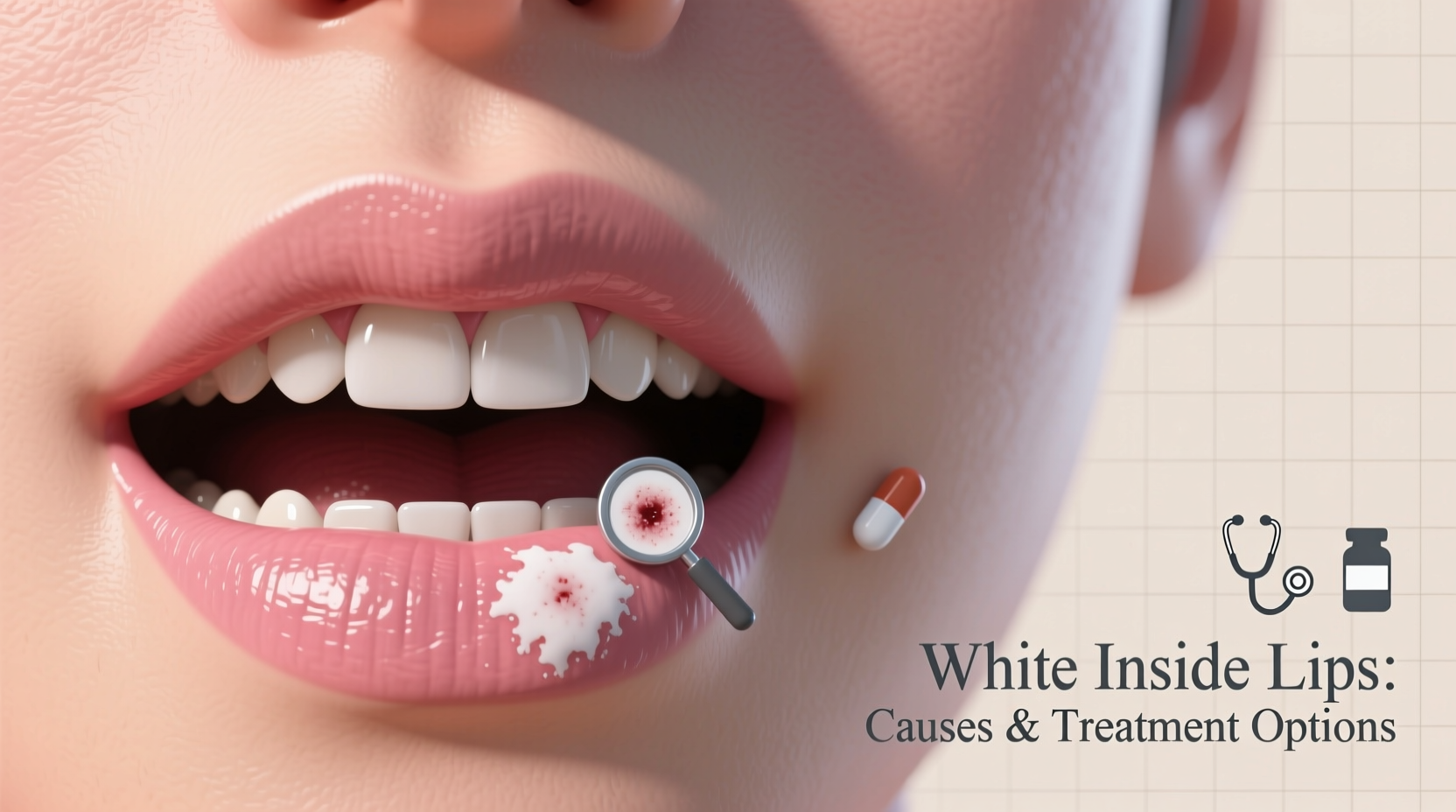
Several factors can lead to the development of white areas on the inner lips. Some are benign and resolve on their own, while others may need medical evaluation.
- Canker Sores (Aphthous Ulcers): Small, painful ulcers with a white or yellowish center and red border. They often appear due to stress, minor injuries, or acidic foods.
- Oral Thrush (Candidiasis): A fungal infection caused by an overgrowth of Candida yeast. It presents as creamy white patches that can be wiped off, leaving a red base.
- Leukoplakia: Thick, white patches that cannot be scraped away. Often linked to tobacco use or chronic irritation, and considered potentially pre-cancerous.
- Lichen Planus: An inflammatory condition causing lacy white streaks or patches, sometimes with pain or burning sensations.
- Irritation from Dental Appliances: Braces, dentures, or retainers can rub against the inner lip, leading to friction-induced whitening or calluses.
- Dehydration or Dry Mouth: Reduced saliva flow can cause dry, cracked tissue, making the mucosa appear pale or white.
- Vitamin Deficiencies: Low levels of B12, iron, or folate may manifest as oral changes, including pallor or sores.
Symptoms Associated with White Lip Lesions
The presence of white spots alone isn’t always concerning, but accompanying symptoms can help determine severity and guide next steps.
| Condition | Appearance | Pain Level | Other Symptoms |
|---|---|---|---|
| Canker Sores | Round, white/yellow center, red edge | Moderate to severe | Burning before appearance, lasts 7–14 days |
| Oral Thrush | Creamy white patches | Mild discomfort | May bleed if scraped, bad taste |
| Leukoplakia | Thick, white plaques | Usually painless | Persistent, doesn’t wipe off |
| Lichen Planus | Net-like white lines or patches | Burning or itching | Dry mouth, sensitivity to spicy foods |
| Mucosal Irritation | Pale or translucent area | Minimal to moderate | Redness, tenderness at site |
Some conditions may also present with systemic signs such as fatigue (in vitamin deficiencies), immune suppression (in thrush), or skin rashes (as seen in lichen planus). Persistent changes lasting more than two weeks warrant professional assessment.
“Any non-removable white patch in the mouth should be evaluated promptly. Early detection of leukoplakia or oral cancer significantly improves outcomes.” — Dr. Anita Patel, Oral Pathologist
Treatment Options Based on Cause
Effective treatment depends on accurately identifying the underlying cause. Self-diagnosis can be misleading, but understanding available interventions helps facilitate informed discussions with healthcare providers.
For Canker Sores
Most heal naturally within 10–14 days. Topical treatments like benzocaine gels or corticosteroid ointments reduce pain and inflammation. Rinsing with salt water or a baking soda solution can promote healing.
For Oral Thrush
Antifungal medications such as nystatin (mouthwash) or fluconazole (oral tablet) are typically prescribed. Diabetics or those on antibiotics should monitor for recurrence.
For Leukoplakia
Removal of irritants—especially quitting tobacco—is critical. If lesions persist, a biopsy may be performed. In some cases, laser therapy or surgical excision is recommended.
For Lichen Planus
Topical corticosteroids or immunomodulators help manage symptoms. Regular monitoring is important, as a small percentage of cases may undergo malignant transformation.
General Supportive Care
- Maintain excellent oral hygiene with gentle brushing twice daily.
- Use alcohol-free mouthwashes to avoid drying tissues.
- Stay hydrated to support mucosal health.
- Avoid spicy, acidic, or rough-textured foods during flare-ups.
Step-by-Step Guide to Managing Oral Discoloration
- Observe and Document: Note when the spot appeared, its size, color, texture, and whether it’s painful.
- Assess Triggers: Consider recent dental work, diet changes, stress levels, or new medications.
- Practice Gentle Oral Care: Brush with a soft-bristled brush and avoid irritating products containing sodium lauryl sulfate.
- Rinse with Salt Water: Twice daily to reduce bacteria and soothe irritation.
- Monitor for Two Weeks: If the spot persists, grows, or becomes painful, schedule a dental or medical consultation.
- Seek Professional Diagnosis: Your provider may perform a visual exam, swab test, or biopsy if needed.
Mini Case Study: Persistent Patch Leads to Early Intervention
Sarah, a 42-year-old teacher, noticed a white patch on her lower inner lip that didn’t go away after three weeks. Initially dismissing it as irritation from her retainer, she began experiencing mild numbness near the area. Concerned, she visited her dentist, who referred her to an oral medicine specialist. A biopsy revealed early-stage leukoplakia with no malignant changes. Sarah quit smoking, adjusted her dental appliance, and underwent regular follow-ups. Within six months, the lesion regressed significantly. Her case highlights the importance of timely evaluation—even seemingly minor changes can have serious implications if ignored.
Prevention Checklist
Reducing your risk involves consistent habits and awareness. Use this checklist to maintain healthy oral mucosa:
- ✅ Avoid tobacco in all forms (smoking, chewing)
- ✅ Limit alcohol consumption
- ✅ Eat a balanced diet rich in vitamins B12, C, iron, and folate
- ✅ Stay hydrated throughout the day
- ✅ Practice good oral hygiene (brush, floss, rinse)
- ✅ Visit your dentist every 6 months for routine exams
- ✅ Protect lips from excessive sun exposure with SPF lip balm
- ✅ Address ill-fitting dental appliances promptly
Frequently Asked Questions
Can stress cause white spots inside the lips?
Yes, stress is a known trigger for canker sores and can exacerbate conditions like lichen planus. Stress weakens immune regulation, increasing susceptibility to oral lesions.
Is it safe to pop or scrape off a white spot?
No. Attempting to remove a lesion can cause injury, increase infection risk, or worsen inflammation. Let a healthcare provider assess and treat it appropriately.
When should I see a doctor about a white patch in my mouth?
If the spot lasts longer than two weeks, is growing, bleeding, painful, or accompanied by difficulty swallowing or speaking, seek medical advice immediately.
Conclusion: Take Charge of Your Oral Health
White spots inside the lips are more than just cosmetic concerns—they can reflect deeper health patterns, from nutritional gaps to chronic irritation or disease. While many causes are manageable with simple care, ignoring persistent changes risks missing opportunities for early intervention. By staying informed, practicing preventive habits, and seeking timely evaluations, you protect not only your smile but your overall well-being.
💬 Your mouth speaks volumes about your health. If you’ve noticed unusual changes, don’t wait—consult a dental or medical professional today and take control of your oral wellness journey.








