
Pale or white gums can be a subtle but significant indicator of underlying health issues. While many people associate gum problems with redness, swelling, or bleeding, discoloration toward a whitish hue is equally important to recognize. Unlike the healthy pink appearance of well-oxygenated gum tissue, white gums often point to reduced blood flow, infection, nutritional deficiencies, or other systemic conditions. Understanding the root causes, recognizing early symptoms, and knowing when to seek treatment can prevent complications and support long-term oral and overall health.
Common Causes of White Gums
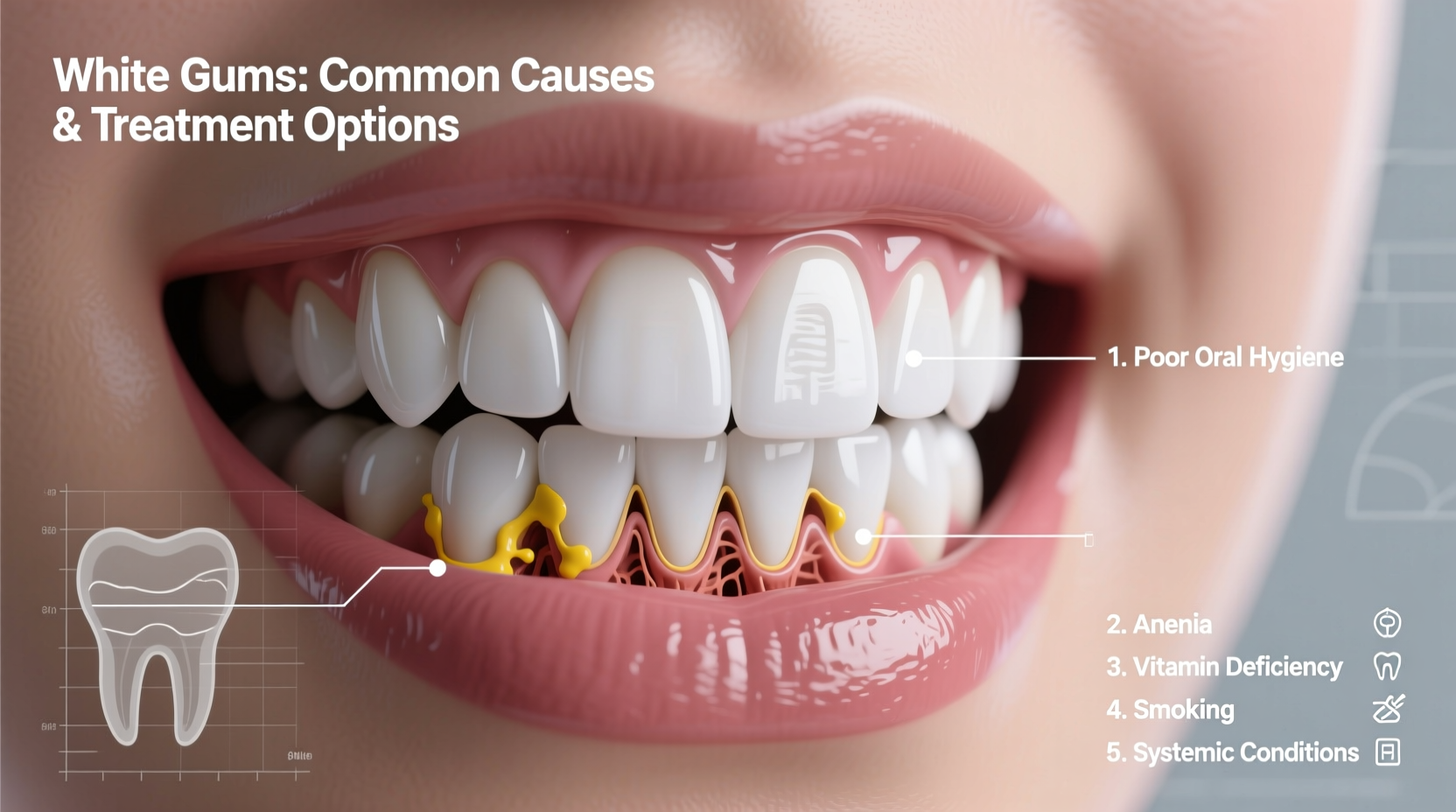
White gums are not a diagnosis in themselves but rather a symptom of various dental or medical conditions. The most frequent causes include:
- Anemia: A deficiency in red blood cells or hemoglobin reduces oxygen delivery to tissues, including the gums, leading to paleness.
- Oral Lichen Planus: An inflammatory condition causing lacy white patches on the gums and inside the cheeks. It results from an overactive immune response.
- Leukoplakia: Thickened white patches that form due to chronic irritation—often from tobacco use—and may carry a risk of becoming cancerous.
- Candidiasis (Oral Thrush): A fungal infection caused by Candida albicans, particularly common in infants, denture wearers, or those with weakened immune systems.
- Geographic Tongue (Benign Migratory Glossitis): Though primarily affecting the tongue, this condition can sometimes extend to adjacent gum areas, creating irregular white or red patches.
- Trauma or Burns: Physical injury from brushing too hard, ill-fitting dental appliances, or consuming very hot food can cause localized whitening.
- Vitamin Deficiencies: Lack of B vitamins, especially B12, folate, and iron, can lead to changes in mucosal tissue color and integrity.
Symptoms Associated with White Gums
The presence of white gums may be accompanied by additional signs depending on the cause. Recognizing these symptoms helps in timely intervention:
- Painless white patches (common in leukoplakia)
- Burning sensation or discomfort (oral lichen planus or thrush)
- Bleeding or easy bruising (possible sign of anemia)
- Dry mouth or altered taste
- Cracking at the corners of the mouth (angular cheilitis, often linked to candidiasis)
- Fatigue and dizziness (systemic indicators of anemia)
- Thick, curd-like white coating that can be wiped off, leaving a red base (thrush)
“Persistent changes in gum color should never be ignored. They can reflect local disease or signal broader systemic health concerns.” — Dr. Alan Reyes, Board-Certified Periodontist
Treatment Options Based on Cause
Effective treatment depends entirely on identifying the underlying condition. There is no one-size-fits-all solution for white gums. Below is a breakdown of targeted treatments:
| Condition | Treatment Approach | Duration/Notes |
|---|---|---|
| Anemia | Iron supplements, vitamin B12 injections, dietary changes (red meat, leafy greens, fortified cereals) | Improvement seen in 4–6 weeks; requires medical supervision |
| Oral Lichen Planus | Topical corticosteroids, antiseptic mouthwashes, monitoring for malignant transformation | Chronic condition requiring long-term management |
| Leukoplakia | Removal of irritants (e.g., quitting smoking), surgical excision if precancerous | Biopsy recommended for suspicious lesions |
| Oral Thrush | Antifungal medications (nystatin, fluconazole), improved denture hygiene | Symptoms typically resolve within 7–14 days |
| Nutritional Deficiency | B-complex supplements, dietary adjustments, blood tests to confirm deficiencies | Ongoing prevention through balanced nutrition |
Step-by-Step Guide to Managing White Gums
If you observe changes in your gum color, follow this structured approach to ensure proper care:
- Monitor Symptoms: Note when the discoloration appeared, whether it’s spreading, and any associated pain, fatigue, or oral discomfort.
- Review Lifestyle Factors: Assess tobacco use, alcohol consumption, diet quality, and dental hygiene habits.
- Perform Oral Self-Check: Use a mirror and good lighting to examine all areas of your mouth, including under the tongue and along the gumline.
- Schedule a Dental Evaluation: See a dentist or periodontist for a clinical exam. They may perform a biopsy or order blood work.
- Follow Prescribed Treatment: Adhere to medication regimens, dietary recommendations, or referrals to specialists (e.g., hematologist for anemia).
- Reevaluate After Treatment: Return for follow-up to ensure resolution and prevent recurrence.
Prevention Checklist
Maintaining healthy gums involves consistent habits and awareness. Use this checklist to reduce your risk of developing white gums:
- ✅ Brush teeth twice daily with a soft-bristled toothbrush
- ✅ Floss daily to remove plaque between teeth
- ✅ Avoid tobacco in all forms (smoking, chewing)
- ✅ Limit sugary foods and drinks to reduce fungal growth risk
- ✅ Clean dentures nightly and soak them in a proper solution
- ✅ Eat a nutrient-rich diet with adequate iron, B12, and folate
- ✅ Visit your dentist every six months for professional cleaning and screening
- ✅ Stay hydrated to prevent dry mouth, which increases infection risk
Real-Life Example: Maria’s Experience with Oral Thrush
Maria, a 68-year-old woman with type 2 diabetes, began noticing white, patchy areas on her gums and inner cheeks. At first, she assumed it was leftover milk residue, but the patches persisted and started to burn when she ate spicy food. After visiting her dentist, she was diagnosed with oral thrush—a common complication in individuals with uncontrolled blood sugar. Her treatment included a two-week course of antifungal lozenges and tighter glucose monitoring. Within ten days, the white patches faded, and her comfort returned. This case highlights how systemic conditions like diabetes can manifest orally and why interdisciplinary care matters.
Frequently Asked Questions
Can stress cause white gums?
Stress does not directly cause white gums, but it can weaken the immune system, increasing susceptibility to infections like oral thrush or triggering autoimmune responses such as lichen planus. Managing stress supports overall oral health.
Is it normal for gums to turn white after dental work?
Temporary paleness may occur after procedures involving local anesthesia or trauma from instruments. However, if whitening persists beyond a few days or is accompanied by pain, consult your dentist to rule out tissue damage or infection.
Are white gums always a sign of something serious?
Not always. Temporary changes due to minor irritation or pressure from braces may resolve on their own. However, persistent or widespread whitening warrants evaluation to exclude anemia, infection, or precancerous conditions.
Conclusion: Take Action for Healthier Gums
White gums serve as a visible clue that something may be off—whether in your mouth or your body. While some causes are benign and easily corrected, others require medical attention to prevent progression. Ignoring changes in gum color can lead to missed diagnoses of anemia, nutritional deficits, or even early-stage oral cancer. The best defense is awareness, routine dental visits, and proactive self-care. By understanding the causes and acting early, you protect not just your smile, but your overall well-being.
💬 Have you noticed changes in your gum color? Share your experience or questions below—your story could help someone else seek timely care.








