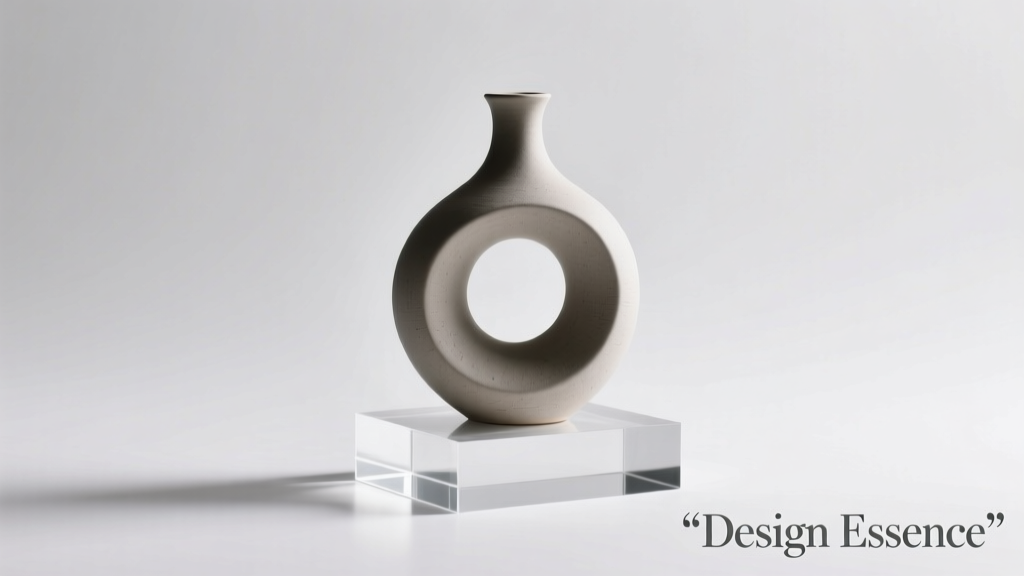
Types of White Coral Aquarium Decor
A white coral aquarium decor is a popular choice among aquarists for creating a vibrant, natural-looking underwater environment. These decorations not only enhance the visual appeal of your tank but also contribute to the overall health and behavior of aquatic life. White coral decor is primarily categorized into two types: natural coral and artificial coral, each offering distinct benefits and considerations for different aquarium setups.
Natural White Coral
Harvested from marine environments, natural white coral adds authentic beauty and structural complexity to aquariums. Varieties such as stony coral, branching coral, and plate coral provide intricate formations that mimic real reef ecosystems.
Advantages
- Provides natural aesthetics and realism
- Creates excellent hiding places for fish and invertebrates
- Supports beneficial bacterial colonization
- Can help buffer water pH in saltwater tanks
- Encourages natural fish behavior and territorial establishment
Limitations
- Fragile and can break easily if mishandled
- May alter water chemistry (raises pH and hardness)
- Requires curing before use to remove organic matter
- Potential to introduce pests or contaminants
- Not suitable for soft water or acidic freshwater setups
Best for: Saltwater reef tanks, marine aquariums, cichlid tanks, and setups requiring natural water buffering
Artificial White Coral
Engineered from safe, aquarium-grade materials like resin, ceramic, or high-quality plastic, artificial coral is designed to replicate the look of real coral with enhanced durability and consistency.
Advantages
- Highly durable and resistant to breakage
- No impact on water parameters (pH, hardness, etc.)
- Available in a wide range of shapes, sizes, and designs
- Easy to clean and maintain
- Safer for sensitive species and planted tanks
Limitations
- Lacks the natural biological benefits of real coral
- May look less authentic depending on quality
- Potential for cheaper versions to leach chemicals (choose reputable brands)
- Does not contribute to water stability
Best for: Freshwater aquariums, community tanks, planted tanks, and beginner setups
| Type | Durability | Water Impact | Aesthetic Value | Best For |
|---|---|---|---|---|
| Natural Coral | Fair | Significant (buffers pH) | Excellent (authentic look) | Saltwater & hard water tanks |
| Artificial Coral | Excellent | None | Good to Very Good | Freshwater & sensitive setups |
Expert Tip: If using natural coral, always cure it properly by soaking in clean, dechlorinated water and changing the water daily for 7–10 days before adding it to your aquarium. This helps eliminate any organic residue and stabilizes its effect on water chemistry.
Design Tip: Combine artificial and natural corals strategically—use natural coral as a focal point in compatible tanks and supplement with artificial pieces to expand structure without affecting water balance.
Design of White Coral Aquarium Decor: Enhancing Aesthetics and Functionality
White coral aquarium decor brings a unique blend of elegance, realism, and dynamic structure to aquatic environments. Available in a wide range of styles and materials, these decorations not only enhance the visual appeal of your tank but also support the health and behavior of its inhabitants. From naturalistic formations to modern artistic interpretations, white coral decor offers versatility for both freshwater and saltwater aquariums.
Pro Tip: When selecting coral decor, consider both the aesthetic theme of your aquarium and the needs of your fish species—some prefer hiding spaces, while others thrive in open swimming areas.Branch Coral – Natural Elegance and Functional Shelter
Branching aquarium decor mimics the intricate, tree-like structures of real coral reefs, featuring slender, upward-reaching limbs that create vertical interest in the tank. These designs are inspired by species such as staghorn or gorgonian corals and provide excellent shelter for small fish, shrimp, and other aquatic creatures seeking refuge from larger tank mates.
In addition to their protective function, branching corals increase the effective swimming space by encouraging three-dimensional movement within the aquarium. Available in both natural (cured reef rock) and high-quality artificial forms (resin or ceramic), they offer flexibility for hobbyists concerned with maintenance or water chemistry stability.
Plateau Coral – Expansive Surfaces for Rest and Display
Resembling large underwater fans or flat, layered shelves, plateau coral introduces a bold architectural element to aquarium layouts. Its broad, horizontal surfaces serve as ideal resting spots for bottom-dwellers like catfish or loaches and provide elevated platforms that draw attention to specific areas of the tank.
This design is particularly effective in aquascaping compositions that emphasize symmetry or depth. Whether crafted from natural limestone or molded from safe, non-toxic resins, plateau coral adds a sense of scale and realism. Its expansive form also supports beneficial biofilm growth, contributing to a balanced ecosystem.
Bubble Coral – Soft Texture and Visual Contrast
Bubble coral stands out with its distinctive inflated, rounded vesicles that resemble clusters of soap bubbles or honeycombs. This soft-textured design creates a striking visual contrast against sharper, more angular decorations, adding depth and tactile variety to the aquarium landscape.
Often used in reef tanks, bubble coral decor provides gentle hiding spots for shy fish and invertebrates. The undulating surface diffuses light beautifully, creating captivating shadow patterns that change throughout the day. Like other styles, it's available in both authentic coral skeletons (ethically sourced) and durable artificial versions designed to resist algae buildup and discoloration.
Premium Design – Modern Aesthetics Meets Safety
Modern premium white coral decor is crafted using advanced materials such as food-grade, aquarium-safe resin, ensuring zero leaching of harmful chemicals into the water. These pieces are engineered with meticulous attention to detail, replicating the fine textures and organic patterns of real coral with remarkable accuracy.
Characterized by sleek, streamlined silhouettes and minimalist elegance, premium designs cater to contemporary interior styles—perfect for placing in living rooms, offices, or lobbies. Their smooth finishes resist algae accumulation, making them easier to clean and maintain. Many premium options are also lightweight, reducing stress on the aquarium substrate and allowing for creative repositioning.
Rocky Base Coral – Realistic Seabed Replication
Rocky base coral combines the rugged authenticity of seabed rock formations with the delicate beauty of coral growth. Designed to mimic weathered stone covered in natural coral colonies, this style delivers a highly realistic underwater seascape.
It’s ideal for creating a mature, established look in new tanks and works exceptionally well in biotope aquariums that aim to replicate specific marine environments. The textured surface promotes beneficial bacterial colonization, aiding in biological filtration. Its earthy, sophisticated appearance enhances the natural ambiance of the aquarium while providing numerous crevices for exploration and territorial definition among fish.
| Design Type | Best For | Material Options | Maintenance Level |
|---|---|---|---|
| Branch Coral | Small fish, vertical aquascaping | Natural reef rock, ceramic, resin | Moderate |
| Plateau Coral | Display tanks, resting zones | Limestone, synthetic resin | Low to Moderate |
| Bubble Coral | Reef tanks, visual contrast | Ethical coral, food-safe resin | Low |
| Premium Design | Modern interiors, low-maintenance setups | Food-grade resin, polymer blends | Low |
| Rocky Base Coral | Naturalistic tanks, biofiltration support | Cured rock, molded composite | Moderate |
Important: Always rinse new coral decor thoroughly before placing it in your aquarium. For artificial pieces, ensure they are labeled as aquarium-safe and free from paints or coatings that could leach toxins. Avoid overcrowding the tank—maintain open swimming areas to support fish health and water circulation.
Function of White Coral Aquarium Decor
White coral is more than just a visually appealing addition to your aquarium—it plays a vital role in creating a balanced, healthy, and natural aquatic environment. From enhancing water chemistry to supporting biological filtration, white coral decor offers a wide range of benefits that extend far beyond aesthetics.
A Home for Beneficial Bacteria & Microorganisms
White coral’s porous structure provides an ideal habitat for beneficial bacteria and microorganisms essential to the nitrogen cycle. These microbes break down harmful ammonia and nitrites from fish waste and decomposing organic matter, converting them into less toxic nitrates.
- Surface area of coral promotes colonization of nitrifying bacteria like Nitrosomonas and Nitrobacter
- Supports biofilm development, which serves as a food source for microfauna and shrimp
- Enhances biological filtration, reducing the need for frequent water changes
Pro tip: Rinse coral gently with dechlorinated water before use—never boil or bleach, as this kills beneficial microbes.
Natural pH Buffering & Water Stabilization
Composed primarily of calcium carbonate (CaCO₃), white coral gradually dissolves in slightly acidic water, releasing carbonate ions that help stabilize and elevate pH levels. This buffering effect is especially valuable in saltwater and reef aquariums.
- Ideal for marine tanks requiring a pH between 8.1–8.4
- Helps maintain alkalinity (dKH), crucial for coral growth and shell formation in invertebrates
- Particularly beneficial in soft water setups where pH tends to drop
Caution: Monitor pH regularly—excessive coral can raise hardness and pH beyond safe levels for freshwater species.
Eco-Friendly & Sustainable Sourcing
While natural coral can enhance aquarium health, its harvest must be done responsibly to protect fragile marine ecosystems. Choosing sustainably sourced or artificial alternatives supports ocean conservation.
- Look for certifications or suppliers that use reclaimed or cultured coral
- Consider eco-resin or ceramic coral replicas as sustainable alternatives
- Avoid wild-harvested coral from endangered reefs or protected areas
Environmental note: Sustainable practices help preserve biodiversity and prevent damage to natural coral reefs, which are vital to marine life.
Shelter & Security for Aquatic Life
The intricate nooks and crevices of white coral provide essential hiding spots and territorial boundaries for fish, shrimp, and other invertebrates. This reduces stress and encourages natural behaviors such as foraging, breeding, and social interaction.
- Clownfish, gobies, and cardinalfish use coral as refuge from predators
- Shrimp and crabs graze on biofilm growing within coral pores
- Provides spawning sites for egg-laying species like certain wrasses and blennies
Key insight: Proper placement of coral can reduce aggression by creating visual barriers and defined territories.
Enhanced Visual Appeal & Natural Aesthetics
White coral adds a striking, natural beauty to any aquarium, mimicking the look of real reef structures. Its bright, clean appearance contrasts beautifully with vibrant fish, lush plants, and dark substrates, elevating the overall visual impact of your tank.
- Creates a focal point in aquascaping designs, especially in reef and biotope tanks
- Reflects light, brightening dim areas and improving visibility
- Complements colorful fish like angelfish, tangs, and mandarins
- Can be arranged artistically to simulate natural reef formations
Design tip: Combine white coral with live rock, macroalgae, and sand beds for a realistic, dynamic underwater landscape.
Expert Recommendation: When using natural white coral, ensure it is thoroughly cleaned and cured before adding it to your tank. For freshwater aquariums, monitor water parameters closely, as coral can harden soft water and raise pH beyond suitable ranges. In saltwater setups, white coral not only enhances aesthetics but actively contributes to a stable, thriving reef environment.
| Benefit | Best Suited For | Key Consideration | Recommended Use |
|---|---|---|---|
| Biological Filtration | Heavily stocked tanks, cycled aquariums | Requires established biofilter | Moderate placement near filter flow |
| pH & Alkalinity Support | Marine, brackish, African cichlid tanks | Not ideal for soft water species | Use in controlled amounts with testing |
| Shelter & Enrichment | Reef tanks, nano aquariums, community tanks | Avoid overcrowding decor | Cluster in groups for natural look |
| Aesthetic Enhancement | Show tanks, photography setups | Brightness may bleach sensitive corals | Balance with darker elements |
Additional Considerations
- Compatibility: Avoid using natural coral in tanks with acid-producing substrates or CO₂-injected planted aquariums
- Cleaning: Gently brush with aquarium-safe tools to remove debris without damaging microbial colonies
- Alternatives: Artificial coral made from safe resins offers similar aesthetics without altering water chemistry
- Growth Support: In reef tanks, coral skeletons can serve as a base for coral fragment attachment (fragging)
- Longevity: Natural coral is durable and long-lasting when properly maintained
Specification & Maintenance of White Coral Aquarium Decor
Choosing and maintaining white coral decor is essential for creating a healthy, visually appealing aquatic environment. Whether you opt for real or artificial corals, understanding their specifications and care requirements ensures long-term durability, safety for marine life, and aesthetic consistency in your aquarium. This guide provides a detailed breakdown of coral types, material considerations, compatibility factors, and essential maintenance practices to help aquarium enthusiasts make informed decisions.
Important Note: Always verify local regulations before using real coral in your aquarium. Many types of natural coral are protected under environmental laws, and sourcing should be done responsibly from sustainable or legally permitted suppliers.
Real Coral Specifications
Natural white coral adds authenticity and biological value to marine aquariums. However, proper selection based on species, size, and water compatibility is crucial for both coral longevity and tank health.
- Type of Coral
White coral decor comes in various natural forms, each contributing a unique aesthetic and structural role:
- Stony Corals: Hard, calcified structures ideal for reef tanks; provide excellent anchoring points for corals and invertebrates.
- Branching Corals: Delicate, tree-like formations that offer shelter for small fish and shrimp.
- Plate Corals: Flat, layered structures that can serve as natural dividers or elevated platforms.
- Bubble Corals: Feature inflated, bubble-like surfaces that add texture and visual interest.
- Size
White coral is available in a wide range of sizes to suit different aquarium dimensions:
- Small pieces (2–6 inches) work well in nano tanks or as accent pieces.
- Medium formations (6–12 inches) are ideal for standard 30–75 gallon tanks.
- Large structures (12 inches to over 1 meter) are suitable for expansive reef setups and serve as central focal points.
- Ensure adequate spacing around the coral to allow water flow and prevent overcrowding.
- Compatibility
Real coral must be compatible with your aquarium’s water parameters to prevent degradation and maintain ecosystem balance:
- Salinity: Most saltwater corals require specific gravity between 1.023 and 1.025.
- pH Level: Ideal range is 8.1–8.4 for marine environments.
- Temperature: Maintain between 75°F and 80°F (24°C–27°C).
- Water Flow: Some corals require moderate to strong currents to prevent debris buildup.
- Always acclimate real coral slowly to your tank to avoid shock from sudden parameter changes.
Artificial Coral Specifications
Artificial corals offer a sustainable, low-maintenance alternative to natural specimens. They are especially beneficial in freshwater tanks or for aquarists seeking consistent appearance without biological concerns.
- Material
High-quality artificial corals are typically made from:
- Durable, non-toxic resins and UV-stabilized plastics that resist degradation.
- Materials specifically designed for aquarium use to avoid leaching harmful chemicals.
- Smooth finishes that prevent injury to fish and invertebrates.
- Always verify that the product is labeled "aquarium-safe" before purchase.
- Color Retention
One of the key advantages of artificial coral is its long-lasting appearance:
- Colors remain vibrant and consistent over time, unaffected by lighting or water chemistry.
- Unlike natural coral, artificial versions do not bleach or fade due to UV exposure from aquarium lights.
- Manufacturers often use fade-resistant pigments to ensure lasting visual appeal.
- Inhibition of Bacteria and Algae
Artificial corals offer superior hygiene and ease of maintenance:
- Non-porous surfaces resist bacterial colonization and biofilm buildup.
- Easier to clean and disinfect compared to porous natural coral.
- Less likely to harbor parasites or pathogens that could affect fish health.
- Regular cleaning helps prevent algae accumulation, preserving clarity and color.
Coral Maintenance Guidelines
Proper maintenance ensures your coral decor remains safe, functional, and visually appealing. Follow these best practices for both real and artificial corals.
- Cleaning
- Real Coral: Rinse thoroughly before installation. Gently scrub with a soft brush in dechlorinated water to remove dust or debris. Avoid soap or chemicals.
- Artificial Coral: Clean monthly using a soft brush or aquarium vacuum. For stubborn algae, soak in a 1:10 bleach-water solution (rinse thoroughly afterward).
- Never use household cleaners, as residues can be toxic to aquatic life.
- Placement
- Arrange coral decor during tank setup to minimize disturbance to fish later.
- Position corals to create natural hiding spots and swimming zones for inhabitants.
- Avoid placing heavy pieces directly on glass; use a sand or gravel base to distribute weight.
- Plan layout carefully to prevent the need for frequent repositioning, which can stress fish.
- Stability
- Ensure all coral pieces are securely placed to prevent toppling.
- Anchor large or top-heavy structures with additional weight or silicone bonding (aquarium-safe).
- Test stability by gently nudging; adjust if movement occurs.
- Prevent displacement by active fish or strong water currents.
- Monitoring
- Inspect coral weekly for signs of algae, cyanobacteria, or detritus buildup.
- Watch for unwanted hitchhikers like bristleworms or predatory snails on real coral.
- Check for physical damage, especially in tanks with digging or burrowing species.
- Monitor water parameters regularly to ensure they remain compatible with real coral health.
| Feature | Real Coral | Artificial Coral | Recommendations |
|---|---|---|---|
| Lifespan | Years (if properly maintained) | 5+ years (non-degrading materials) | Inspect annually for wear and structural integrity |
| Maintenance Frequency | Monthly cleaning, bi-weekly monitoring | Monthly cleaning | Use soft tools to avoid surface damage |
| Water Compatibility | Saltwater only (specific parameters) | Freshwater & saltwater | Verify tank type before purchase |
| Cost | Higher (especially for large, rare pieces) | Lower to moderate | Budget for long-term value and safety |
| Environmental Impact | Potentially high (if unsustainably sourced) | Low (reusable, no harvesting) | Choose eco-friendly options when possible |
Expert Tip: When introducing real coral, consider curing it in a separate container with circulating saltwater for 1–2 weeks to eliminate organic matter and prevent ammonia spikes in your main tank. This process helps stabilize the coral and reduces the risk of contaminating your aquarium ecosystem.
Additional Care Recommendations
- Label coral pieces if using multiple types to track their performance and maintenance history.
- Use a dedicated coral cleaning kit (soft brushes, siphon, gloves) to maintain hygiene.
- Replace artificial coral if it shows signs of cracking, discoloration, or sharp edges.
- Photograph your aquascape periodically to monitor changes and plan future upgrades.
- Research compatibility with live corals if planning a mixed reef tank.
Whether you choose natural white coral for its authenticity or artificial versions for convenience, proper selection and care are key to a thriving aquarium. By understanding material properties, environmental needs, and maintenance routines, you can create a stunning, safe, and sustainable underwater landscape that enhances both the beauty and health of your aquatic environment.
Frequently Asked Questions About Artificial and Real Coral in Aquariums
Q1: Is it possible to replicate the natural beauty of white coral using artificial coral?Yes, modern artificial corals are expertly designed to closely mimic the intricate structures and elegant appearance of natural white coral. Crafted using advanced molding and coloring techniques, these replicas capture the delicate branching patterns and luminous white tones found in real coral formations.
- Realistic Detailing: High-quality artificial corals replicate the texture, shape, and three-dimensional complexity of species like Acropora or Pocillopora, making them nearly indistinguishable from live specimens.
- Color Accuracy: While natural coral can vary in hue due to lighting and symbiotic algae, artificial versions offer consistent, fade-resistant white finishes that maintain their appearance over time.
- Sustainability Advantage: Unlike harvesting from fragile reef ecosystems, artificial corals eliminate environmental impact and support eco-conscious aquarium keeping.
- Low Maintenance: They do not require specific water parameters, lighting, or feeding, making them ideal for beginners or low-tech tanks.
Whether you're aiming for a pristine reef aesthetic or want to avoid the challenges of live coral care, artificial alternatives provide a visually stunning and responsible solution.
Q2: Will the artificial white coral be safe for my aquarium fish?Absolutely. Reputable artificial corals are manufactured using aquatically safe materials such as non-toxic resins, inert plastics, and marine-grade epoxies that are specifically formulated to be biocompatible with aquatic life.
- Chemical Stability: These materials do not leach harmful substances, dyes, or heavy metals into the water, ensuring stable pH and water chemistry.
- Fish Safety: Smooth finishes and rounded edges prevent injury to curious or delicate fish species that may rub against or explore the decor.
- Better Than Some Natural Options: Unlike certain real corals or rocks that can release calcium or alter alkalinity, artificial corals have zero impact on water parameters—making them safer for sensitive species and planted tanks.
- Compatibility: Safe for use in freshwater, saltwater, and reef aquariums with fish, invertebrates, and even shrimp.
Always purchase from trusted brands that label their products as "aquarium-safe" and rinse new pieces thoroughly before installation to remove any manufacturing residues.
Q3: How do I prevent algae from growing on my artificial coral?While artificial corals don’t host beneficial bacteria like live rock, they can still accumulate algae due to light exposure and nutrient presence in the water. However, prevention and cleaning are simple and effective:
- Regular Cleaning: Remove the coral every 2–4 weeks and gently scrub with a soft brush under clean water to remove biofilm and algae buildup.
- Control Lighting: Avoid excessive light duration (keep to 8–10 hours daily) and intensity, especially if your tank is prone to algae blooms.
- Improve Filtration: Use mechanical filters (sponge, floss) and chemical media (activated carbon) to reduce dissolved organics. Consider adding a protein skimmer in saltwater setups.
- Nutrient Management: Perform routine water changes, avoid overfeeding, and test for nitrates and phosphates to keep nutrients low.
- Algae-Eating Crew: Introduce algae-grazing species like nerite snails, Amano shrimp, or certain blennies that will naturally clean artificial surfaces.
Because artificial corals don’t degrade, they can be safely soaked in a diluted bleach solution (1:20 with water) for tough algae, then thoroughly rinsed and dried before returning to the tank.
Q4: Does artificial coral need any special care to stay in good condition?No, artificial coral does not require nourishment, specific lighting, or water chemistry to "survive" since it is non-living. However, proper maintenance is essential to preserve its visual appeal and hygiene within the aquarium.
- Cleaning Frequency: Wipe or rinse the coral during regular tank maintenance (every 2–4 weeks) to prevent dust, detritus, and algae accumulation.
- Inspection: Check for loose parts, sharp edges, or discoloration over time, especially in high-flow areas.
- Placement: Position away from strong currents or aggressive fish that might dislodge or damage it.
- Longevity: High-quality artificial corals can last 5–10 years or more without fading or degrading if made from UV-stable materials.
Unlike live coral, there's no risk of "dying" or bleaching—making artificial options ideal for consistent, worry-free aquascaping.
Q5: How should I responsibly install real coral in a reef aquarium?Installing live coral requires careful planning, ethical sourcing, and ongoing environmental responsibility to protect both your tank and natural reef ecosystems.
- Sustainable Sourcing: Only purchase corals from certified aquacultured or farmed sources (look for labels like “tank-grown” or “fragemented”). Avoid wild-harvested specimens to reduce pressure on endangered reefs.
- Quarantine First: Isolate new corals for 2–4 weeks to prevent introduction of pests like flatworms, nudibranchs, or diseases.
- Proper Acclimation: Float the bag to match temperature, then drip-acclimate over 1–2 hours to adjust to your tank’s salinity and pH.
- Placement Strategy: Position corals with adequate space for growth, proper water flow, and appropriate light levels based on species needs (e.g., SPS vs. LPS).
- Environmental Stewardship: Support conservation efforts, avoid touching natural reefs while diving, and consider contributing to reef restoration programs.
By choosing farmed corals and maintaining a healthy, stable aquarium, you can enjoy a vibrant reef while promoting the long-term survival of coral reefs worldwide.









