A small white bump under the eyelid can be alarming, especially when it appears without pain or warning. While most cases are benign and resolve on their own, understanding the underlying cause is essential to avoid complications like infection or scarring. These bumps may stem from blocked oil glands, trapped keratin, bacterial infections, or even minor trauma. Recognizing the type of bump you’re dealing with helps determine whether home care is sufficient or if medical intervention is needed.
Common Causes of White Bumps Under the Eyelid
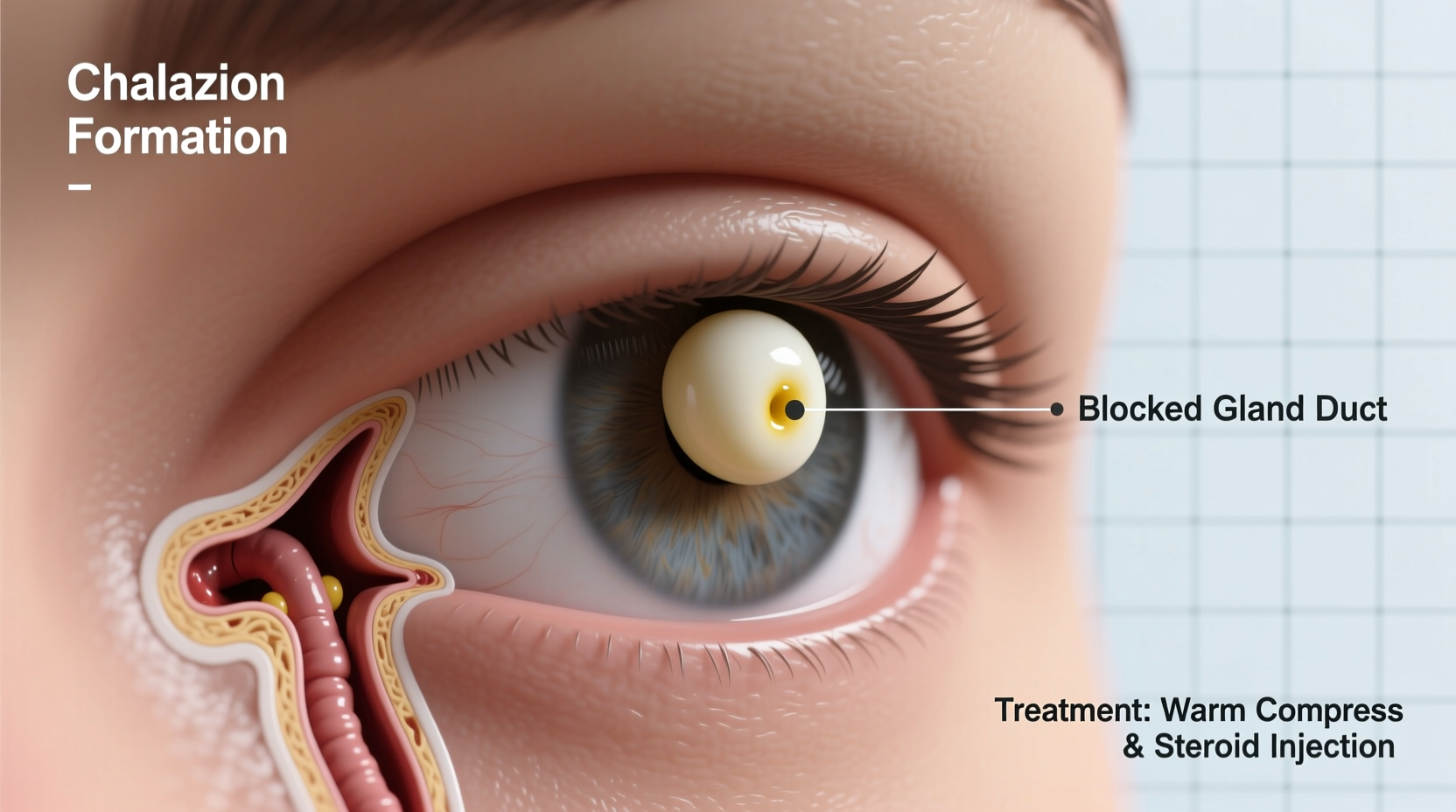
The delicate skin around the eyes is prone to various dermatological conditions due to its thinness and high concentration of sebaceous glands. Several conditions can manifest as a white bump beneath the eyelid:
- Milia: Tiny cysts formed when keratin becomes trapped beneath the skin’s surface. They appear as firm, white-to-yellowish dots and are common in both children and adults.
- Chalazion: A painless lump caused by a blocked meibomian gland. It often starts as a red, swollen area and evolves into a firm nodule under the eyelid.
- Stye (Hordeolum): An infected oil gland that causes a tender, red bump near the lash line. Internal styes form deeper within the eyelid and may look like a whitish swelling.
- Sebaceous Cyst: Less common but possible, these fluid-filled sacs develop from blocked sebaceous glands and may require drainage.
- Conjunctival Inclusion Cyst: A rare, benign growth on the inner eyelid, often resulting from prior injury or surgery.
Unlike acne, milia do not contain pus and are not associated with inflammation. Chalazia and styes, while sometimes confused, differ in presentation—styes are typically painful and acute, whereas chalazia grow slowly and are usually painless.
Tip: Never attempt to pop or squeeze a white bump under the eyelid—it can lead to infection, scarring, or spread of bacteria.Treatment Options Based on Diagnosis
Treatment depends heavily on the specific condition causing the bump. Misdiagnosis can delay healing or worsen symptoms, so accurate identification is crucial.
Milia Management
Milia often disappear spontaneously within a few weeks. For persistent cases, consider:
- Gentle exfoliation using non-abrasive products containing alpha-hydroxy acids (AHAs) or retinoids.
- Professional extraction by a dermatologist using a sterile needle or lancet.
- Laser therapy or chemical peels for widespread milia.
Chalazion Treatment
Most chalazia respond well to conservative measures:
- Apply warm compresses for 10–15 minutes, 3–4 times daily to soften the hardened oil and promote drainage.
- Use gentle lid hygiene with diluted baby shampoo or commercial eyelid wipes.
- If unresolved after several weeks, a doctor may inject corticosteroids or recommend surgical excision.
Stye Care
Internal styes require prompt attention to prevent progression:
- Warm compresses help accelerate rupture and drainage.
- Avoid wearing contact lenses or eye makeup until fully healed.
- In severe cases, topical or oral antibiotics may be prescribed.
“Early intervention with warm compresses can resolve up to 70% of chalazia without invasive procedures.” — Dr. Lena Patel, Ophthalmologist, Massachusetts Eye and Ear
Step-by-Step Home Care Routine
For non-infectious or mild cases, a structured at-home regimen supports faster resolution and reduces recurrence risk.
- Day 1–3: Begin warm compress application. Soak a clean cloth in warm (not hot) water and press gently against closed eyelids for 10–15 minutes, four times daily.
- Day 4–7: Introduce gentle eyelid cleansing. Use a hypochlorous acid spray or pre-moistened lid wipe to remove debris and reduce bacterial load.
- Day 8 onward: Monitor changes. If the bump softens or shrinks, continue care. If it enlarges, becomes painful, or affects vision, consult an eye specialist.
- Ongoing: Maintain facial hygiene and avoid heavy creams near the eyes that may clog glands.
Prevention Strategies for Long-Term Eye Health
Preventing recurrences involves consistent skincare habits and awareness of contributing factors.
| Do’s | Don’ts |
|---|---|
| Wash your face nightly with a mild cleanser | Use oily or comedogenic skincare products near eyes |
| Remove eye makeup thoroughly before bed | Sleep with mascara or eyeliner on |
| Replace eye cosmetics every 3–6 months | Share makeup or applicators with others |
| Use warm compresses weekly if prone to clogged glands | Rub or touch eyes with unwashed hands |
| Stay hydrated and maintain a balanced diet rich in omega-3s | Ignore recurring bumps—seek evaluation if frequent |
Diet plays an indirect but meaningful role. Omega-3 fatty acids found in fish, flaxseeds, and walnuts support healthy oil production in meibomian glands, reducing the likelihood of blockages.
When to See a Doctor
While many eyelid bumps are harmless, certain signs warrant professional assessment:
- The bump grows rapidly or exceeds the size of a pea.
- Pain, redness, or swelling spreads beyond the eyelid.
- Vision becomes blurred or obstructed.
- The lesion bleeds, ulcerates, or fails to improve after 4 weeks of home care.
- You experience recurrent bumps in the same area.
An ophthalmologist or dermatologist may perform a slit-lamp exam or biopsy in rare cases to rule out more serious conditions such as sebaceous carcinoma, especially in older adults with persistent lesions.
Mini Case Study: Recurrent Chalazion in a 38-Year-Old Office Worker
Sarah, a software developer, noticed a small, painless bump forming under her upper eyelid. Initially dismissing it, she observed it growing over three weeks. She began applying warm compresses twice daily and switched to a non-comedogenic moisturizer. After ten days, the bump softened and gradually resolved. Her eye doctor later explained that prolonged screen time reduced her blink rate, impairing natural gland expression—a contributing factor. Sarah now incorporates hourly blinking exercises and weekly lid hygiene into her routine, preventing recurrence for over a year.
FAQ
Can milia spread from one person to another?
No, milia are not contagious. They result from trapped keratin, not infection, and cannot be transmitted through contact.
Is it safe to use tea tree oil on a white bump under the eyelid?
No—tea tree oil is highly irritating to the eye area and should never be applied near the eyelids without proper dilution and medical guidance. Even then, it's generally not recommended due to sensitivity risks.
Can children get white bumps under their eyelids?
Yes, especially milia. Up to half of all newborns develop milia, which typically vanish within a few weeks. In older children, poor lid hygiene or eczema may contribute to chalazia or styes.
Conclusion and Call to Action
White bumps under the eyelid are more common than many realize, and most are manageable with informed care. Understanding the differences between milia, chalazia, and styes empowers you to choose the right response—whether it’s patience, warm compresses, or seeking medical help. Prevention lies in consistent hygiene, smart product choices, and listening to your body’s signals. Don’t ignore persistent lumps; early action preserves both comfort and eye health.
💬 Have you dealt with a white bump under your eyelid? Share your experience or questions in the comments—your story might help someone else find relief.








