
Catnip has long been a favorite among feline enthusiasts—a simple herb that can transform even the most reserved cat into an exuberant performer. But while catnip is widely available and generally considered safe, timing matters. Introducing it too early or without understanding your cat’s unique response can lead to confusion or unnecessary stress. For responsible pet owners, knowing when and how to introduce catnip is essential to ensuring a positive experience for both cat and caregiver.
The active compound in catnip, nepetalactone, triggers a temporary behavioral response in many cats, but not all react the same way. Some become playful, others mellow, and some show no interest at all. Understanding this variability—and the developmental stages of your cat—is key to making informed decisions about when to offer this aromatic herb.
Understanding Catnip and How It Affects Cats
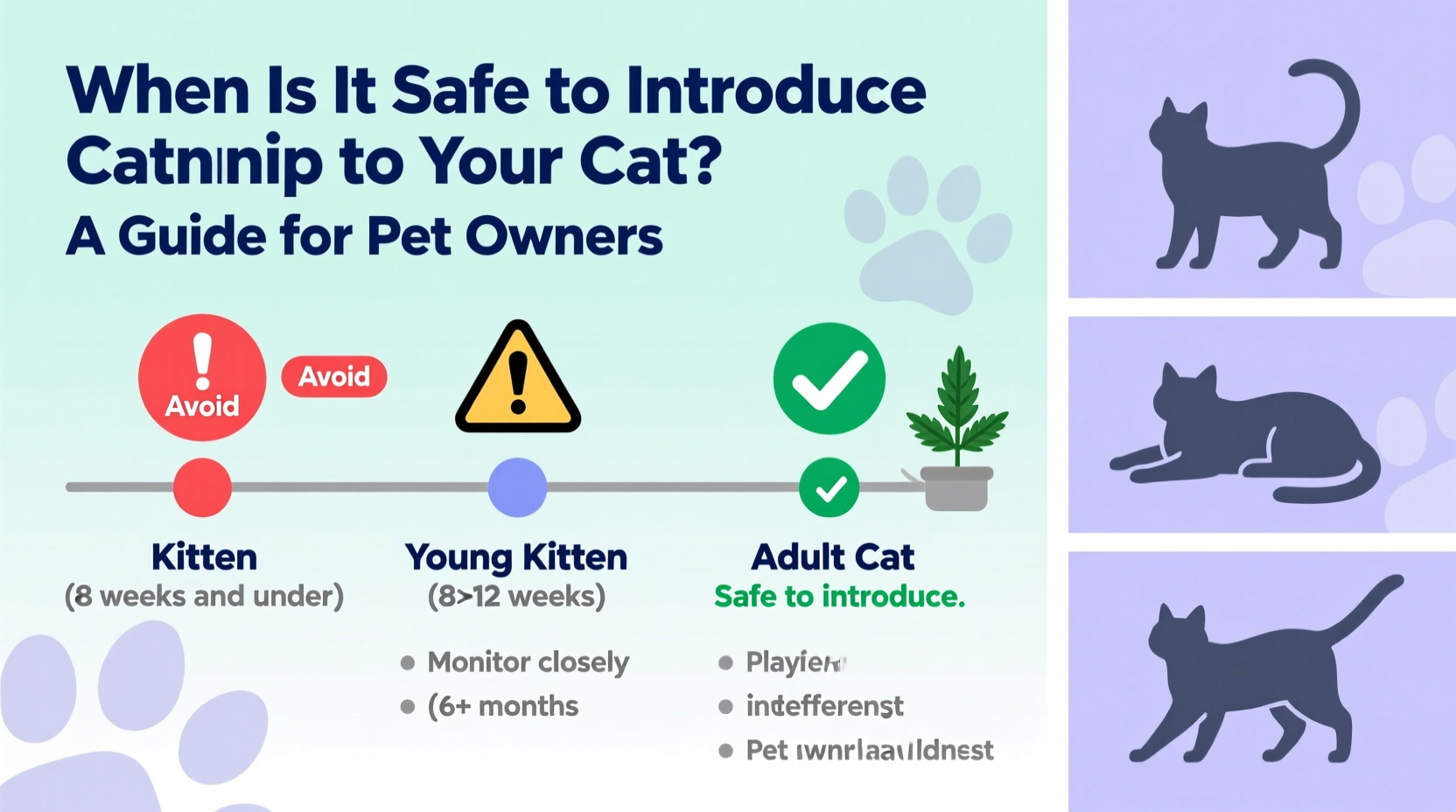
Catnip (Nepeta cataria) is a member of the mint family and contains volatile oils, primarily nepetalactone, which binds to receptors in a cat’s nasal tissue. This interaction stimulates sensory neurons that influence the brain’s emotional and behavioral centers, often resulting in what appears to be euphoria or hyperactivity.
Typical reactions include:
- Sniffing, licking, or chewing the plant
- Head shaking or rolling on the ground
- Increased vocalization or purring
- Running, jumping, or playful aggression
- Temporary zoning out or relaxation after initial excitement
The effect usually lasts between 5 and 15 minutes, followed by a refractory period during which the cat becomes temporarily immune to catnip’s influence. After about 30 minutes, sensitivity returns.
“Catnip doesn’t work on every cat—genetics play a major role. If a cat doesn’t inherit the sensitivity gene, catnip will have no noticeable effect.” — Dr. Lena Reyes, Feline Behavior Specialist
When Is the Right Time to Introduce Catnip?
Kittens under 3 to 6 months old typically do not respond to catnip. This developmental delay is normal and believed to be linked to neurological maturation. Even if exposed early, most kittens will ignore catnip or show minimal reaction.
It is generally safe to begin introducing catnip around **6 months of age**, though some cats may not exhibit a full response until they are closer to one year old. Early exposure should be minimal and observational—just a small pinch of dried herb or a brief interaction with a catnip-infused toy.
Tip: Start with a small amount of fresh or dried catnip in a calm environment. Watch your cat’s behavior closely before increasing frequency or quantity.Step-by-Step Guide to Introducing Catnip Safely
- Wait until your cat is at least 6 months old. Younger kittens lack the neurological maturity to respond, and early exposure offers no benefit.
- Choose high-quality, organic catnip. Avoid products with additives or artificial scents. Dried leaves, sprays, or stuffed toys are common formats.
- Begin with a small quantity. Sprinkle less than a teaspoon on the floor or rub a tiny amount on a scratching post.
- Observe your cat’s reaction. Look for signs of interest, excitement, or indifference. Note whether the response is positive, neutral, or overly intense.
- Limited repeat trials. Wait several days before offering catnip again to assess consistency in behavior.
- Adjust based on response. If your cat enjoys it moderately, you can incorporate catnip occasionally as enrichment. If there’s no reaction, don’t force it—many cats are simply unaffected.
Do’s and Don’ts of Catnip Use
| Do’s | Don’ts |
|---|---|
| Use catnip as an occasional treat or enrichment tool | Don’t give catnip daily—it can reduce sensitivity over time |
| Store dried catnip in an airtight container away from light | Don’t use expired or musty-smelling catnip |
| Rotate catnip toys to maintain novelty | Don’t force interaction if your cat seems anxious or aggressive |
| Monitor multi-cat households to prevent resource guarding | Don’t allow ingestion of large quantities—moderation is key |
Real-Life Example: Introducing Catnip to a Rescued Kitten
Sarah adopted a 5-month-old tabby named Milo from a local shelter. Eager to bond, she bought a catnip toy within his first week home. When she offered it, Milo sniffed once and walked away. Concerned, she consulted her veterinarian, who explained that he was likely too young to respond.
She waited until Milo turned 7 months old, then reintroduced a small amount of organic dried catnip on a blanket. This time, Milo pounced, rolled, and played energetically for about 10 minutes before napping nearby. Sarah now uses catnip sparingly—one stuffed mouse rotated monthly—to encourage play and environmental enrichment without overstimulation.
This case illustrates the importance of patience and timing. Premature introduction didn’t harm Milo, but waiting allowed for a more meaningful and enjoyable experience.
What If Your Cat Doesn’t React to Catnip?
Approximately 30% of cats show no response to catnip due to genetic factors. Sensitivity is hereditary, and kittens born to non-responsive parents are less likely to react. Additionally, senior cats may lose interest over time.
If your cat ignores catnip, consider alternatives such as:
- Valerian root – Often elicits similar responses
- Silver vine (Matatabi) – Effective in many catnip-nonresponsive cats
- Tatarian honeysuckle – A milder option, especially for older or sensitive cats
These alternatives can provide the same mental stimulation and play encouragement without relying on nepetalactone.
Frequently Asked Questions
Is catnip safe for kittens?
While not toxic, catnip is unlikely to affect kittens under 6 months old. Their nervous systems haven’t developed enough to process nepetalactone. It’s best to wait until they’re older before introducing it.
Can cats overdose on catnip?
True overdose is extremely rare. However, excessive ingestion may cause mild gastrointestinal upset, such as vomiting or diarrhea. Always offer catnip in moderation and remove it after a short session.
How often can I give my cat catnip?
Once every 1–2 weeks is sufficient for most cats. Frequent use can lead to desensitization. Using it sparingly helps maintain its novelty and effectiveness as a behavioral enrichment tool.
Final Thoughts and Recommendations
Introducing catnip is a simple yet thoughtful act of care. When timed appropriately—typically around 6 months of age—it can enhance play, reduce stress, and strengthen the bond between cat and owner. But like any enrichment tool, it should be used mindfully, respecting individual differences in temperament and genetics.
Not every cat will dance, roll, or zoom after smelling catnip, and that’s perfectly normal. The goal isn’t to create a spectacle but to support your cat’s natural behaviors and well-being through safe, enjoyable experiences.
💬 Have a story about your cat’s first reaction to catnip—or their favorite alternative? Share your experience in the comments and help fellow pet owners learn what works!








