Pho is more than just a bowl of noodle soup—it is Vietnam’s culinary emblem, a harmonious balance of aromatic broth, tender proteins, silky rice noodles, and vibrant fresh herbs. For those unfamiliar with its components, pho may appear simple at first glance. Yet beneath its steaming surface lies a meticulously crafted dish rooted in generations of technique and regional variation. Understanding what truly belongs in a traditional pho bowl demystifies not only the ingredients but also the cultural philosophy behind one of Southeast Asia’s most beloved dishes. Whether you’re tasting it for the first time or aiming to recreate it authentically at home, knowing each element ensures respect for its heritage and appreciation for its complexity.
Definition & Overview
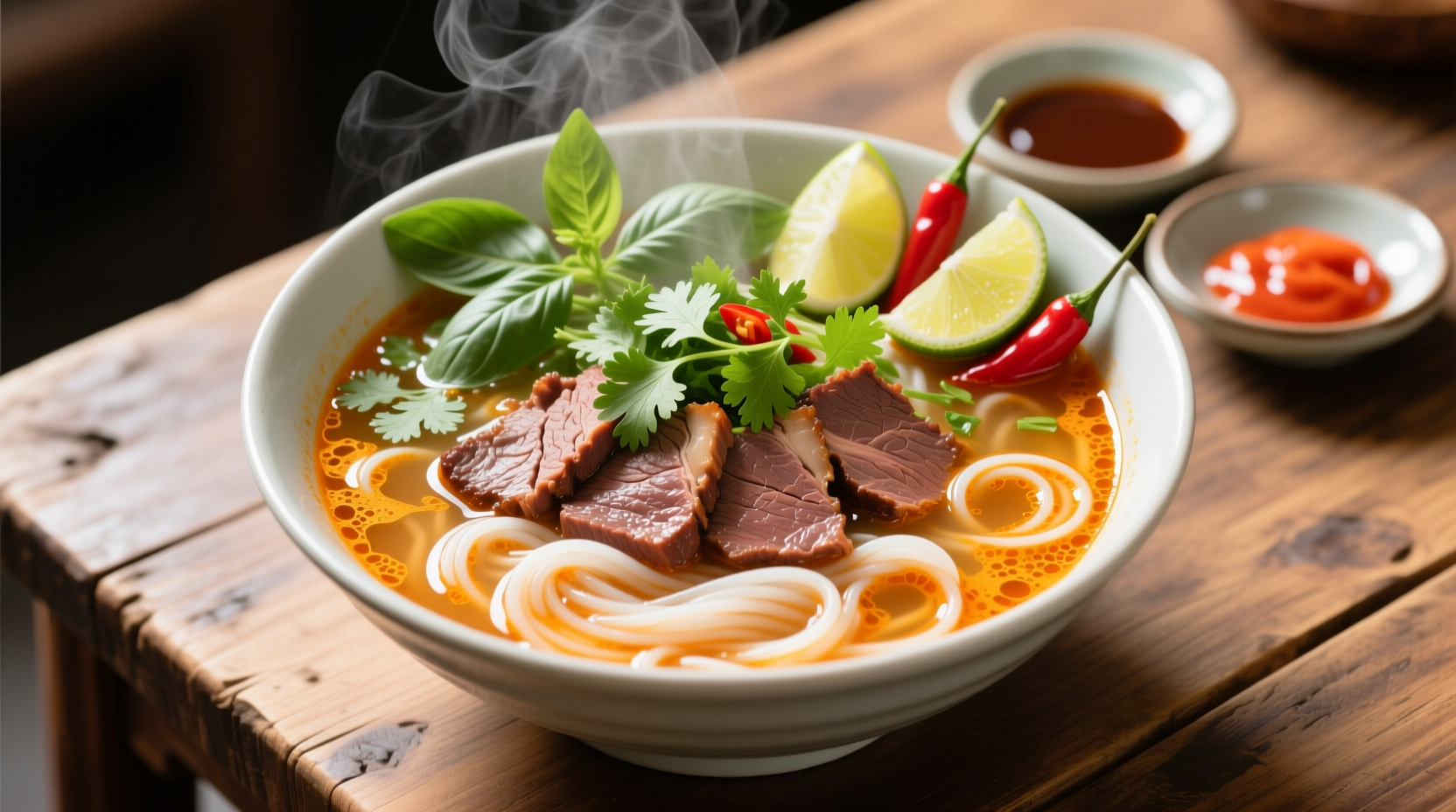
Pho (pronounced “fuh”) is a Vietnamese noodle soup consisting primarily of a deeply flavored beef or chicken broth, flat rice noodles known as *bánh phở*, thinly sliced meat—usually beef or chicken—and a vibrant array of fresh herbs and garnishes. Originating in northern Vietnam around the early 20th century, pho emerged during a period of French colonial influence and local adaptation of culinary traditions. The word itself may derive from the French dish *pot-au-feu*, though its execution is entirely Vietnamese in spirit.
Authentic pho is defined by its clarity, fragrance, and layered umami depth, achieved through slow-simmered bones, charred aromatics, and whole spices. Unlike many soups where flavor builds quickly, pho demands patience: a proper broth can take 6 to 12 hours to develop its signature richness without cloudiness. While modern interpretations vary widely—including vegan versions and fusion twists—the traditional bowl adheres to a precise formula grounded in balance, purity, and seasonality.
There are two primary regional styles: pho Bắc (Northern-style) and pho Nam (Southern-style). Northern pho features a cleaner, subtler broth with minimal garnish, emphasizing the quality of the stock. Southern pho, meanwhile, embraces bolder seasoning and an abundance of herbs, bean sprouts, and condiments like hoisin sauce and Sriracha. Despite these differences, both share the same foundational elements that make pho instantly recognizable worldwide.
Key Characteristics of Traditional Pho
| Component | Flavor Profile | Aroma | Texture/Form | Culinary Function |
|---|---|---|---|---|
| Broth | Savory, slightly sweet, umami-rich | Fragrant with star anise, cinnamon, toasted onion/garlic | Clear, light-bodied liquid | Base flavor carrier; defines authenticity |
| Rice Noodles (Bánh Phở) | Neutral, slightly earthy | Mildly starchy when cooked | Flat, semi-translucent strands | Textural contrast; absorbs broth |
| Meat (Beef/Chicken) | Rich, meaty, clean | Juicy, savory notes depending on cut | Tender slices (raw-cooked in broth or pre-cooked) | Protein centerpiece |
| Herbs & Garnishes | Fresh, bright, citrusy, peppery | Vibrant, herbal, sometimes pungent | Crisp leaves, crunchy sprouts | Balance richness; add freshness |
| Spices (Whole) | Warm, sweet, licorice-like, smoky | Deeply aromatic when toasted | Dried pods, bark, seeds | Infuse broth; create backbone |
Core Components of a Traditional Pho Bowl
1. The Broth: Heart of the Dish
The broth is the soul of pho. Authentic preparation begins with high-quality bones—beef marrow bones (*knuckle* or *leg bones*) for pho bo (beef pho), or chicken carcasses for pho ga (chicken pho). These are blanched first to remove impurities, then simmered slowly with charred yellow onions and ginger or shallots. Charring adds a subtle smokiness and deepens color without bitterness.
Whole spices are essential. A classic spice bundle includes:
- Star anise – dominant note, warm and licorice-like
- Cinnamon stick (preferably Ceylon) – sweet, woody warmth
- Cloves – potent; use sparingly to avoid numbing intensity
- Fennel seeds – mild sweetness, complements anise
- Coriander seeds – citrusy, earthy undertone
- Cardamom pods (green) – floral complexity
These spices are typically dry-toasted to awaken their oils before being tied in a cheesecloth sachet or placed directly in the pot. Overcooking or crushing them leads to bitterness. The broth simmers gently—never boils—to keep it clear and refined. Skimming foam regularly ensures purity of flavor.
Tip: For maximum clarity, line your strainer with cheesecloth or a clean kitchen towel when filtering the broth. Avoid stirring the pot during simmering to prevent cloudiness.
2. Rice Noodles (Bánh Phở)
Made from rice flour and water, bánh phở are naturally gluten-free and have a delicate chew. They come dried or fresh, with fresh preferred in Vietnam for superior texture. Dried noodles require soaking in warm water for 20–30 minutes before boiling until al dente—overcooking turns them mushy.
Noodles should be rinsed thoroughly after cooking to remove excess starch and cooled slightly before placing in the bowl. This prevents premature cooking of raw meat when hot broth is poured over it—a crucial step in assembling pho tái (with rare beef).
3. Meat Selections
Traditional pho offers a variety of meat options, often combined in one bowl:
- Brisket (nạm) – tender, fatty cut, slow-cooked until meltingly soft
- Fatty flank (gầu) – rich marbling, adds mouthfeel to broth
- Rare eye of round (tái) – paper-thin slices cooked by hot broth upon serving
- Tendon (gân) – gelatinous, chewy texture; prized for body
- Tripe (sách) – cleaned and boiled; offers springy bite
- Meatballs (bò viên) – less common traditionally but found in southern variants
In pho ga, free-range chicken is poached gently in the broth, yielding tender white and dark meat. Skin-on pieces contribute additional richness.
4. Fresh Herbs and Garnishes
No pho experience is complete without the side platter of fresh accompaniments. These are not mere decoration—they actively shape the taste and temperature of each bite. Standard offerings include:
- Basil – Thai or holy basil preferred for peppery-anise notes
- Cilantro (coriander leaf) – bright, citrusy lift
- Green onions/scallions – mild onion sharpness
- Lime wedges – acidity cuts fat and brightens flavors
- Bean sprouts (giá) – crunch and freshness; especially popular in the South
- Chili peppers (fresh red or bird’s eye) – heat on demand
Condiments such as hoisin sauce and Sriracha are served on the side, particularly in southern Vietnam and abroad. Purists argue they mask the broth’s elegance, but they’ve become standard in many restaurants outside Vietnam.
Variants & Types of Pho
While all pho shares core principles, regional and dietary adaptations yield distinct variations:
Pho Bắc (Northern-Style Pho)
Hailing from Hanoi, this version emphasizes restraint. The broth is pale, fragrant, and subtly seasoned. Garnishes are minimal—typically just scallions and perhaps cilantro. Bean sprouts, hoisin, and Sriracha are absent. Rare beef (tái) and brisket dominate. The focus remains squarely on the interplay between broth, noodle, and meat.
Pho Nam (Southern-Style Pho)
Originating in Saigon (Ho Chi Minh City), southern pho is sweeter and more robustly spiced. Rock sugar is often added to the broth, and the spice profile leans heavier on star anise. A full herb plate accompanies every bowl, and diners customize their flavor with sauces. You’ll commonly find combinations like tái chín (rare + well-done beef) or đặc biệt (specialty mix with meatballs and tendon).
Pho Ga (Chicken Pho)
A lighter alternative, pho ga uses chicken bones and meat simmered with similar spices but adjusted ratios—less star anise, more ginger. The broth is golden and delicately perfumed. Served with shredded breast and thigh meat, it appeals to those seeking comfort without heaviness.
Vegetarian & Vegan Pho
Though non-traditional, plant-based pho has gained prominence globally. Broth substitutes include shiitake mushrooms, soy sauce, kombu, and roasted vegetables. Tofu, seitan, or mock meats replace animal protein. While lacking the collagen depth of bone broth, skilled preparation yields satisfying umami through fermentation and roasting techniques.
| Feature | Pho Bắc (North) | Pho Nam (South) | Pho Ga (Chicken) |
|---|---|---|---|
| Broth Sweetness | Low | High (often with sugar) | Moderate |
| Spice Intensity | Subtle | Bold (more anise) | Ginger-forward |
| Garnishes | Minimal (scallion, cilantro) | Abundant (sprouts, basil, sauces) | Light (lime, green onion) |
| Common Meats | Tái, nạm | Tái, gầu, gân, sách, bò viên | White & dark meat chicken |
| Serving Style | Pure, focused | Customizable, interactive | Balanced, soothing |
Comparison with Similar Noodle Soups
Pho is often confused with other Asian noodle soups, but key distinctions set it apart:
| Dish | Broth Base | Noodles | Signature Elements | How It Differs from Pho |
|---|---|---|---|---|
| Ramen (Japan) | Pork, chicken, fish, or miso-based; cloudy, creamy | Wheat noodles, alkaline (ramen-ko) | Miso/tare seasoning, nori, soft egg | Wheat noodles, stronger saltiness, emulsified fats |
| Bun Bo Hue (Vietnam) | Spicy beef-pork broth with lemongrass and chili oil | Round rice vermicelli | Spicy, fermented shrimp paste, pig’s blood cake | Hotter, funkier, redder broth; Central Vietnamese origin |
| Khao Soi (Thailand) | Coconut curry broth with fried noodles topping | Egg noodles | Fried crispy noodles, pickled mustard greens | Curry-based, coconut milk, textural contrast |
| Wonton Noodle Soup (China) | Clear pork or chicken broth | Egg noodles, thin | Wontons, bok choy, roast pork | No aromatic spices; dumpling-centric |
“Pho isn’t about loud flavors—it’s about harmony. One overpowering spice ruins the balance. The best bowls whisper their complexity.”
— Nguyen Thi Lan Anh, Hanoi-based culinary historian
Practical Tips & FAQs
How do I make restaurant-quality pho at home?
Start with quality ingredients: grass-fed beef bones, organic chicken, and real spices (not ground). Blanch bones thoroughly, toast aromatics until fragrant but not blackened, and simmer low and slow. Use a fine mesh strainer lined with cloth for crystal-clear results. Season broth at the end—salt too early concentrates as liquid reduces.
Can I speed up the broth process?
You can reduce time to 4–5 hours using a pressure cooker (about 90 minutes under high pressure), but you’ll lose some nuance. Never skip the charring or toasting steps—they’re irreplaceable for depth.
What’s the best cut of beef for rare pho?
Eye of round or top sirloin, sliced paper-thin against the grain. Freeze for 30–45 minutes before cutting for precision. Place raw slices on hot noodles and pour boiling broth over them—they’ll cook in seconds.
Are there gluten concerns in pho?
Rice noodles are naturally gluten-free, but check store-bought broths or sauces—some brands add wheat-based thickeners or soy sauce containing gluten. Make your own broth for certainty.
How should I store leftover pho?
Keep components separate. Broth freezes well for up to 3 months. Cooked noodles last 3–4 days refrigerated but lose texture upon reheating. Reheat broth to a rolling boil before serving. Assemble bowls fresh each time.
Is fish sauce necessary?
Yes. Fish sauce (*nước mắm*) provides essential umami and saltiness. Use high-quality, first-press varieties like Red Boat or Three Crabs. Add gradually and taste—too much overwhelms the delicate spice balance.
Checklist: Building a Perfect Pho Bowl at Home
- Blanch and rinse bones to remove scum
- Char onions and ginger until blackened skin forms
- Toast whole spices lightly in a dry pan
- Simmer broth gently for 6+ hours (skim frequently)
- Strain broth through lined colander
- Season with fish sauce and optional sugar
- Soak and cook rice noodles to al dente
- Prepare meat(s): rare, brisket, tendon, etc.
- Plate noodles, top with meat, pour hot broth
- Serve immediately with herb platter and lime
Summary & Key Takeaways
A traditional pho soup bowl is an orchestra of carefully balanced components. At its core lies a clear, aromatic broth built on charred aromatics and whole spices—star anise, cinnamon, cloves, and coriander among them. Rice noodles provide a neutral canvas, while meats range from rare beef to tender chicken, each contributing texture and savoriness. Fresh herbs and garnishes bring brightness and customization, allowing diners to adjust acidity, heat, and freshness with every spoonful.
Regional styles reflect cultural preferences: Hanoi’s minimalist approach honors purity, while Saigon’s exuberant version invites interaction. Though global adaptations abound, understanding the traditional framework preserves authenticity and elevates home cooking. Whether enjoyed on a rainy morning or as restorative fare, pho endures because it satisfies not just hunger—but memory, craft, and connection.
Explore the layers of pho—not just as a meal, but as a story told through scent, steam, and taste.








