When planning a wedding, every detail matters—even the accessories worn by the four-legged members of the bridal party. From ring-bearing pups to flower-dropping kittens, pets are increasingly taking center stage in ceremonies. As couples personalize their big day, many face a subtle but meaningful decision: should their pet wear a regular collar or a decorative wedding pet necklace? While both serve the purpose of identification and control, only one is designed to elevate the moment with elegance and intention. The choice isn’t just about sparkle; it’s about symbolism, comfort, and capturing memories that last beyond the final dance.
Understanding the Functional Differences
A regular collar is built for utility. It holds ID tags, secures a leash, and ensures your pet stays safe during daily walks. Most are made from durable materials like nylon, leather, or biothane—chosen for strength and ease of cleaning. They’re practical, reliable, and often adjustable for growing animals.
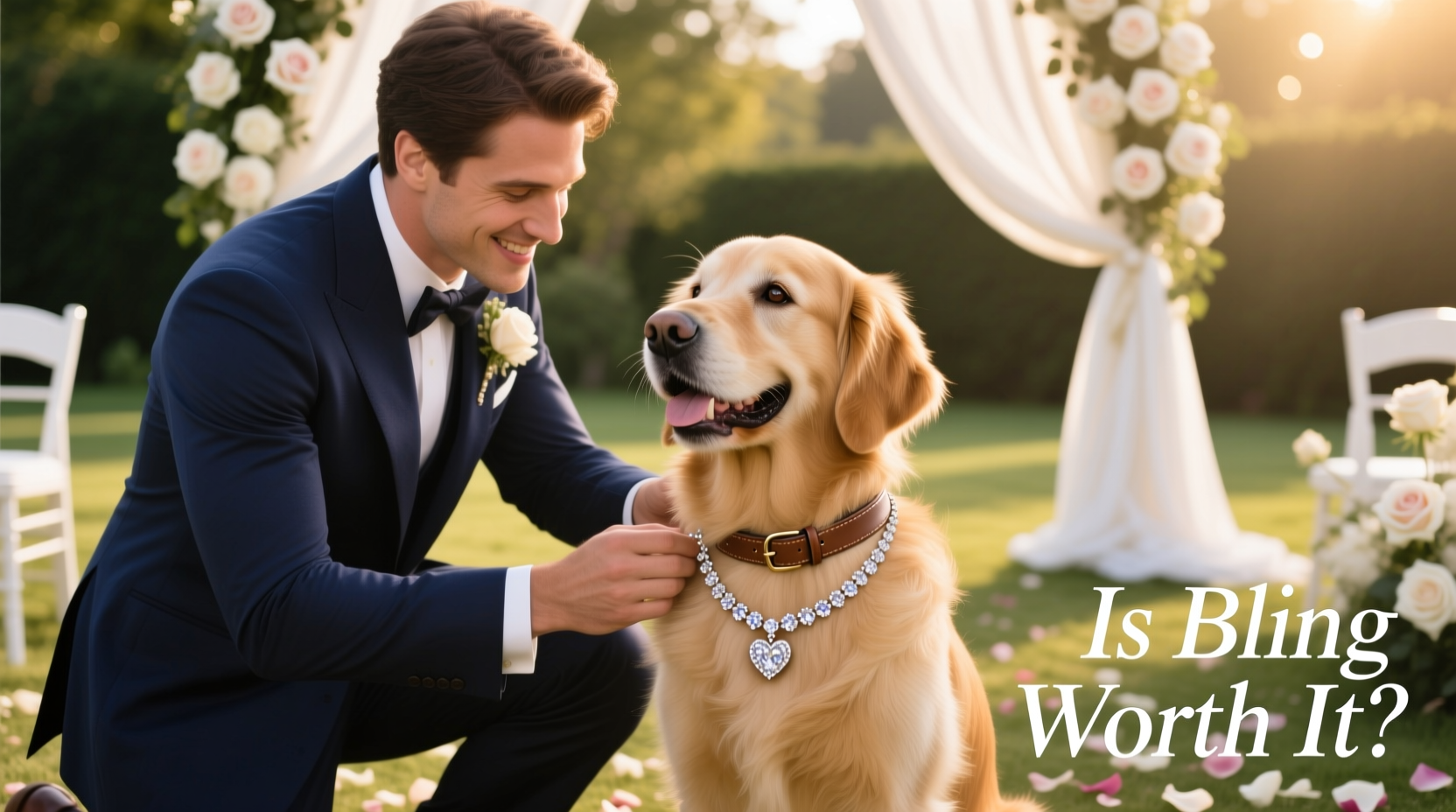
In contrast, a wedding pet necklace is a ceremonial accessory. Designed specifically for special occasions, these necklaces prioritize aesthetics over everyday use. Crafted with satin ribbons, rhinestones, floral accents, or delicate charms, they’re meant to complement the wedding theme. Unlike standard collars, they may not be suitable for attaching leashes or ID tags unless reinforced.
The key distinction lies in intent. A regular collar supports routine life. A wedding necklace celebrates a singular event. Choosing between them depends on whether you're prioritizing function or formality—and how much value you place on visual storytelling in your wedding narrative.
Tip: Never rely solely on a decorative necklace for leash attachment. Always layer it over a secure, hidden collar for safety.Style and Aesthetic Impact
Visual cohesion is a hallmark of well-designed weddings. Bridesmaids’ dresses match bouquets, centerpieces echo invitations, and even guest attire follows a color palette. Pets, when included, become part of this aesthetic chain. Here, a wedding necklace offers undeniable advantages.
These pieces can be customized to mirror the bride’s bouquet, incorporate family heirlooms, or reflect cultural motifs. A dog walking down the aisle wearing a lace-trimmed sash with tiny pearls echoes the bride’s veil. A cat adorned with a miniature floral crown tied into a silk choker complements the ceremony arch. Such details don’t go unnoticed—they enrich photo albums and video montages, adding layers of emotional depth.
Regular collars, even if stylish, rarely achieve this level of thematic integration. Unless specially ordered in wedding colors or embellished DIY, they tend to look out of place against formal décor. In high-resolution photography, an ordinary blue nylon collar on a golden retriever in a rose-garden setting can break the visual spell.
“Pets are emotional anchors in modern weddings. Their accessories should reflect the same care as any other design element.” — Lila Montgomery, Wedding Stylist & Pet-Inclusive Ceremony Consultant
Comfort and Safety Considerations
Bling shouldn’t come at the cost of well-being. This is where thoughtful selection becomes critical. Wedding necklaces vary widely in quality. Some are lightweight and lined with soft fabric; others use stiff wires or glue-heavy embellishments that can irritate sensitive skin.
Pets react differently to new accessories. A nervous terrier might panic if a dangling charm brushes its ear. A senior dog with arthritis could find tight-fitting ribbons uncomfortable. Always conduct a trial run days before the event. Observe your pet’s behavior: Are they scratching? Shaking their head? Avoiding the mirror?
Moreover, safety trumps style. Ensure the necklace fastens securely but releases easily if snagged. Avoid small, detachable parts that could be chewed off and swallowed. And again, never replace the primary collar—it should remain underneath, invisible but functional.
| Feature | Wedding Necklace | Regular Collar |
|---|---|---|
| Primary Purpose | Decoration | Functionality |
| Material Quality | Varies (satin, lace, crystals) | Consistent (nylon, leather) |
| Durability | Limited (event-only) | High (daily use) |
| Safety Features | Rarely includes breakaway | Often has quick-release |
| Leash Attachment | Not recommended | Standard |
Step-by-Step: Preparing Your Pet’s Wedding Accessory
- Select the base collar: Choose a comfortable, well-fitted regular collar in a neutral color.
- Pick a complementary necklace: Match it to the wedding palette or theme (e.g., ivory with gold accents).
- Test fit 5–7 days early: Place the necklace over the collar and monitor for 30 minutes.
- Check for irritation: Look for redness, scratching, or behavioral changes.
- Practice the walk: Simulate the ceremony path with distractions to gauge focus.
- Finalize setup: On the day, attach the leash to the regular collar, not the necklace.
Real Example: Bella the Bichon Frise at a Vineyard Wedding
At Sarah and James’s Napa Valley wedding, their 12-year-old Bichon Frise, Bella, had a starring role as “flower pup.” Initially, they planned to use her everyday pink collar. But after seeing photos from a friend’s pet-inclusive ceremony, they invested $48 in a custom ivory tulle necklace with baby’s breath and a tiny bell.
They layered it over Bella’s soft biothane collar. During rehearsal, Bella shook her head excessively—the bell was too loud. They replaced it with a silent pearl drop. On the big day, she walked calmly down the aisle, scattering petals from a mini basket. The necklace didn’t stay on long—she dozed off under a table soon after—but the photos were flawless. Guests commented on how “part of the family” she looked. For Sarah, it wasn’t about extravagance; it was about inclusion. “She’s been with us through everything,” she said. “She deserved to feel celebrated too.”
When a Regular Collar Might Be the Better Choice
Not every pet or wedding scenario calls for extra adornment. Active dogs in outdoor venues may be better off with rugged collars. Service animals participating in ceremonies should maintain professional appearance. Shy or anxious pets can become overwhelmed by unfamiliar textures or weight.
In such cases, a simple upgrade works wonders. Swap the standard tag for a engraved charm reading “Bride’s Dog” or “Groom’s Best Man.” Tie a small boutonniere to the existing collar with floral tape. These subtle touches honor the occasion without introducing risk.
Tip: Use removable floral clips instead of glued decorations for easy cleanup and reuse.Frequently Asked Questions
Can I leave the wedding necklace on my pet overnight?
No. Decorative necklaces are not designed for extended wear. Remove them after the ceremony to prevent discomfort, chewing, or entanglement during sleep.
Are wedding pet necklaces worth the cost?
If you value themed photography and symbolic inclusion, yes. Most range from $25–$70—less than a single bridesmaid’s accessory. However, if your pet is uncomfortable or the necklace compromises safety, it’s not worth it.
What if my pet refuses to wear anything around their neck?
Consider alternatives: a decorated harness, a bow tie, or a sash draped across the chest. Focus on what your pet tolerates, not what looks best in concept.
Final Thoughts: Meaning Over Sparkle
The question isn’t really about necklaces versus collars. It’s about intention. Is your pet merely present, or are they meaningfully part of the celebration? A wedding necklace, when chosen thoughtfully, becomes a symbol of belonging—a way to say, “You matter in this moment too.”
But no amount of glitter should override comfort or safety. The most beautiful image is one where your pet appears calm, confident, and connected to the joy around them. Whether adorned in satin or simplicity, what shines brightest is love—not rhinestones.
💬 Did your pet wear something special on your big day? Share your story, tips, or photos in the comments—inspire others to celebrate their furry witnesses with heart and care.








