When society collapses and infrastructure fails, surviving is only half the battle—keeping a loyal companion like your dog alive and healthy adds another layer of responsibility. In a wasteland scenario—be it post-apocalyptic, war-torn, or disaster-stricken—your dog depends entirely on you for food, hydration, medical care, and emotional stability. Unlike humans, dogs can't adapt their diet easily or communicate nuanced discomfort. A poorly managed survival plan can lead to malnutrition, disease, or behavioral breakdowns that compromise both your safety and theirs. This guide outlines practical, field-tested strategies to sustain your dog’s health when resources are scarce and help is nonexistent.
Nutrition: Sourcing Safe, Balanced Food in Scarcity
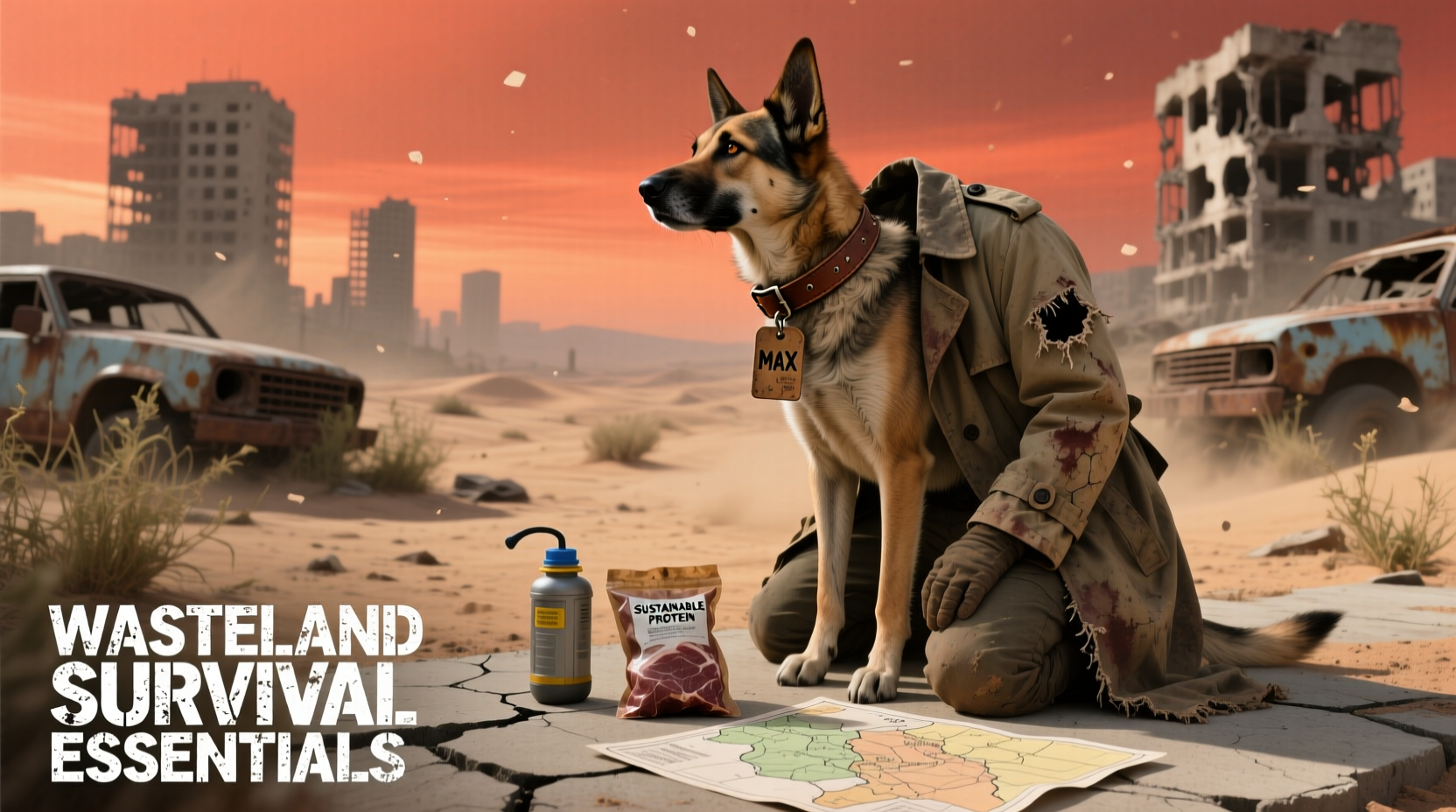
In a collapsed environment, commercial dog food will be unavailable within weeks. Your ability to identify edible sources and balance nutrients becomes critical. Dogs are omnivores with a carnivorous bias—they need protein, fats, some carbohydrates, and specific vitamins like taurine and B-complex.
Wild game, if hunted, provides excellent protein. Small mammals like rabbits or rodents, when properly cooked, can form the base of meals. Avoid feeding raw meat unless absolutely necessary; parasites and bacteria such as Salmonella or E. coli thrive in unsanitary conditions. Boil or thoroughly cook all animal products.
Plant-based supplements should be limited but strategic. Cooked sweet potatoes, pumpkin, or oats add fiber and energy. Never feed onions, garlic, grapes, chocolate, or avocado—these are toxic to dogs even in small amounts.
Tip: Rotate food sources to prevent nutrient deficiencies. If relying on one type of meat, supplement with scavenged greens or saved vegetable scraps.Emergency Feeding Alternatives
| Available Resource | Suitability for Dogs | Preparation Notes |
|---|---|---|
| Canned human meat (tuna, chicken) | High – good protein source | Rinse excess salt; use sparingly |
| Dried beans or lentils | Moderate – needs cooking | Always boil; never serve raw |
| Bird eggs (found or scavenged) | Excellent – rich in nutrients | Cook thoroughly to avoid salmonella |
| Grains (rice, barley, oats) | Good filler, low protein | Cook completely; mix with meat |
| Rotting or spoiled food | Unsafe – high risk | Avoid entirely; can cause severe illness |
Hydration: Ensuring Clean Water Access
Dehydration kills faster than hunger. A dog can survive days without food but not more than 48 hours without water under exertion or heat. In a wasteland, water sources are likely contaminated with pathogens, chemicals, or heavy metals.
Boiling remains the most reliable purification method. Bring water to a rolling boil for at least one minute (three minutes at higher altitudes). If fuel is limited, consider solar disinfection: fill clear PET bottles, lay them on a reflective surface in direct sunlight for six hours (or two days if overcast).
Collect rainwater whenever possible. Use tarps or improvised funnels to channel runoff into clean containers. Always filter through cloth or sand layers before boiling to reduce particulate load.
“Dogs lose electrolytes quickly during stress and activity. If oral rehydration solutions aren’t available, a pinch of salt and sugar in boiled water can help maintain fluid balance.” — Dr. Lena Torres, Veterinary Field Specialist
Health Monitoring and Basic First Aid
Without veterinary clinics, early detection of illness is your best defense. Check your dog daily for signs of injury, infection, or distress. Key indicators include lethargy, vomiting, diarrhea, limping, excessive panting, dull coat, or changes in appetite.
Parasites are rampant in survival environments. Fleas, ticks, and internal worms sap energy and transmit disease. Crushed garlic added in tiny amounts to food may deter external parasites, though overuse causes anemia. For tick removal, use tweezers or a strip of fabric to pull straight out—never twist.
Wound care is vital. Clean injuries with boiled, cooled water and mild soap. Apply honey—a natural antibacterial—if available. Wrap with clean cloth secured by natural fibers or repurposed fabric. Change dressings daily.
Dog Health Emergency Checklist
- Check gums daily (should be pink, not pale or gray)
- Monitor urination frequency and color
- Inspect paws for cuts, thorns, or swelling
- Feel along spine and limbs for pain response
- Keep a log of behavior changes
- Store any available antibiotics or antiseptics securely
Behavioral Stability in High-Stress Environments
Survival isn’t just physical—it’s psychological. Dogs sense human anxiety and react to environmental chaos. Unmanaged stress leads to aggression, fear-biting, or shutdown behaviors. Maintaining routine is crucial. Feed, walk, and interact at consistent times, even if schedules shift due to danger or movement.
Exercise must be balanced. Too little leads to pent-up energy and destructive behavior; too much risks injury or exposure. Short training drills—sit, stay, heel—reinforce obedience and provide mental stimulation. These sessions also strengthen your bond, which is essential when trust could mean life or death.
If encountering other survivors or feral animals, keep your dog leashed and muzzled if tension is high. A bite incident could result in retaliation or quarantine—even in lawless zones, people protect themselves.
Tip: Use positive reinforcement with small food rewards or praise. Avoid punishment, which increases fear and unpredictability.Case Study: The Miller Family’s 72-Day Trek Through the Appalachian Wasteland
In the aftermath of a regional grid failure, the Miller family evacuated their suburban home with their two-year-old German Shepherd, Rex. Over 72 days, they traveled 180 miles through abandoned towns and forest trails. Their success in keeping Rex healthy hinged on three decisions.
First, they preserved a cache of vacuum-sealed kibble in airtight containers, stretching it over the first month. Second, they repurposed fishing gear to catch catfish from rivers, boiling portions for Rex. Third, when Rex developed a limp from a thorn embedded in his paw, the father used sterilized pliers (heated in fire) to remove it and applied pine resin as an antiseptic wrap.
They credited Rex’s resilience to daily check-ins and structured walks that doubled as perimeter patrols. “He wasn’t just a pet,” said Sarah Miller. “He was our early warning system, our morale booster. Keeping him strong kept us strong.”
Step-by-Step: Building a Dog Survival Kit
- Gather durable food supplies: Pack high-calorie kibble, dehydrated meat, or jerky in rodent-proof containers.
- Include water purification tools: Portable filter, iodine tablets, and a small metal pot for boiling.
- Assemble a first aid kit: Gauze, tweezers, antiseptic wipes, digital thermometer, and any prescribed medications.
- Add identification and control items: Spare collar, ID tag, leash, and a lightweight muzzle.
- Pack comfort items: A compact blanket or familiar toy to reduce anxiety during displacement.
- Store in waterproof, accessible container: Label clearly and rotate contents every three months.
Frequently Asked Questions
Can I feed my dog the same food I eat?
Sometimes—but with caution. Plain cooked meats, rice, and certain vegetables are safe. Avoid spices, sauces, onions, garlic, or sugary foods. Prioritize canine-specific nutrition when possible.
How do I know if my dog is dehydrated?
Lift the skin at the back of the neck. If it doesn’t snap back quickly, dehydration is likely. Other signs include dry gums, sunken eyes, and fatigue. Administer small sips of clean water immediately.
What if my dog gets injured and I can’t treat it?
Immobilize the area, prevent licking or biting, and limit movement. Pain reduces survival odds, so prioritize rest and protection. In dire cases, euthanasia may be the kindest option to prevent suffering and conserve resources.
Final Thoughts: Responsibility in the Ruins
Bringing a dog into a wasteland scenario is a profound act of commitment. They don’t understand the apocalypse—they only know loyalty, hunger, fear, and love. Your preparation today determines whether they endure tomorrow. From sourcing clean food and water to preserving their mental well-being, every decision reflects your role as their guardian.
Start now. Build a survival kit. Practice field hygiene. Learn basic veterinary signs. Train for obedience under stress. When the world breaks down, the bond between human and dog becomes more than companionship—it becomes mutual survival.
🚀 Take action tonight: Inspect your dog’s current food supply, assemble a 72-hour emergency pack, and commit to daily health checks. Share this guide with fellow pet owners—because in the wasteland, no one survives alone.








