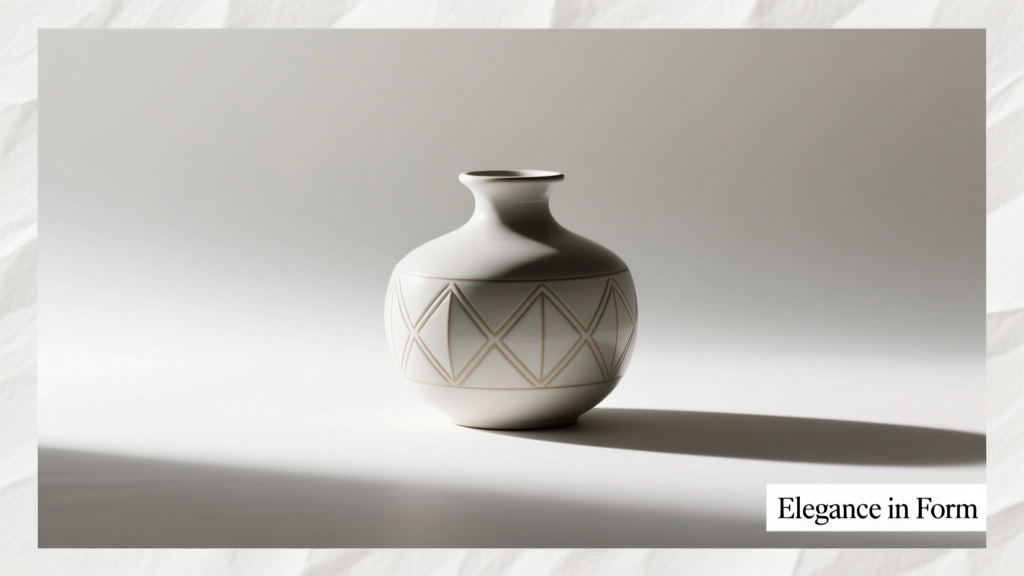
Types of Vintage Crockery Bowls
Vintage crockery bowls are more than just kitchenware—they are collectible pieces that reflect the craftsmanship, design trends, and cultural influences of their time. From delicate porcelain to rustic stoneware, each type offers a unique blend of aesthetic appeal, durability, and historical significance. Understanding the differences between these materials helps collectors, decorators, and functional users make informed choices.
Ceramic Bowls
Made from high-fired clay, ceramic bowls are known for their durability and smooth, glazed finish. The glaze not only enhances visual appeal but also creates a non-porous surface, making these bowls ideal for food use.
Advantages
- Durable and long-lasting
- Available in a wide range of colors and designs
- Non-porous when glazed
- Suitable for both display and daily use
Limitations
- Can chip if dropped
- Glaze may crack over time (crazing)
- Weight can vary significantly
Best for: Everyday use, farmhouse decor, colorful kitchen displays
Porcelain Bowls
Fired at extremely high temperatures from a blend of clay and feldspar, vintage porcelain bowls are prized for their strength, elegance, and subtle translucency. Many feature intricate underglaze patterns, often hand-painted or transfer-printed.
Advantages
- Highly durable and smooth
- Elegant, translucent appearance
- Resistant to scratching and staining
- Often features fine artistic details
Limitations
- More fragile than stoneware
- Premium pricing for antique pieces
- Can be sensitive to thermal shock
Best for: Formal dining, collectors, heirloom pieces
Stoneware Bowls
High-fired clay gives stoneware its signature durability and rustic charm. Typically darker and more substantial than porcelain, these bowls were commonly used in households for their resilience and practicality.
Advantages
- Chip-resistant and sturdy
- Ideal for everyday use
- Matte or semi-glazed finishes with artisan appeal
- Often features hand-crafted textures
Limitations
- Heavier than other types
- Limited translucency or delicacy
- Color palette tends to be earthy
Best for: Rustic kitchens, farmhouse tables, functional vintage use
Earthenware Bowls
Fired at lower temperatures, earthenware is porous by nature but sealed with traditional glazes. Known for vibrant colors and artisanal character, these bowls often feature folk art patterns and hand-painted details.
Advantages
- Bright, bold colors and patterns
- Unique handmade appearance
- Historically significant in global pottery
- Affordable for many vintage styles
Limitations
- More prone to chipping and cracking
- Glaze may wear over time
- Not always food-safe if unglazed
Best for: Decorative display, folk art collections, bohemian interiors
Bone China Bowls
A refined blend of clay, feldspar, and bone ash, bone china is the most delicate yet surprisingly strong of all vintage ceramics. Its soft ivory tone and light weight make it a favorite for formal tea services and luxury tableware.
Advantages
- Lightweight yet chip-resistant
- Elegant, creamy translucency
- Highly collectible and prestigious
- Often features gold trim and fine painting
Limitations
- Expensive, especially antique sets
- Requires careful handling
- May yellow with age if stored improperly
Best for: Tea parties, heirloom collections, elegant table settings
Depression Glass Bowls
Mass-produced during the 1930s economic downturn, these transparent or colored glass bowls were distributed as promotions or affordable tableware. Recognizable by their soft pastel hues and textured patterns.
Advantages
- Historically significant and nostalgic
- Affordable for collectors
- Vibrant colors like green, amber, and pink
- Distinctive molded patterns (e.g., hobnail, diamond)
Limitations
- Brittle and prone to chipping
- Less durable than ceramic
- Value varies widely based on rarity
Best for: Vintage Americana displays, nostalgic decor, beginner collectors
Metal Bowls
Though not technically crockery, vintage metal bowls—crafted from stainless steel, aluminum, or silver-plated alloys—were common in mid-20th century kitchens. Used for mixing, serving, and storage, they reflect utilitarian design.
Advantages
- Extremely durable and impact-resistant
- Non-reactive (especially stainless steel)
- Easy to clean and maintain
- Vintage designs with retro appeal
Limitations
- Can dent or scratch
- May tarnish (silver-plated types)
- Lacks the warmth of ceramic
Best for: Retro kitchens, functional vintage tools, industrial decor
| Type | Durability | Aesthetic Appeal | Collectibility | Best Use |
|---|---|---|---|---|
| Ceramic | High | Colorful, versatile | Medium | Daily use, decorative |
| Porcelain | High | Elegant, refined | High | Formal dining, collections |
| Stoneware | Very High | Rustic, artisanal | Medium | Casual dining, farmhouse style |
| Earthenware | Medium | Vibrant, folk art | High | Decorative, cultural display |
| Bone China | High | Luxurious, delicate | Very High | Tea service, heirlooms |
| Depression Glass | Medium | Nostalgic, colorful | High | Collecting, vintage decor |
| Metal | Very High | Retro, utilitarian | Medium | Kitchen tools, industrial style |
Expert Tip: When collecting vintage crockery, always check for cracks, crazing, or lead content in older glazes—especially in brightly colored earthenware or imported pieces. Use a blacklight to detect repairs or reproductions in porcelain and bone china.
Designs of Vintage Crockery Bowls: A Journey Through Time and Artistry
Vintage crockery bowls are more than just functional kitchenware—they are timeless artifacts that reflect the cultural, artistic, and technological trends of their eras. With a rich variety of designs, each bowl tells a unique story through its craftsmanship, color palette, and decorative motifs. From delicate florals to bold geometric patterns, these designs offer a glimpse into historical aesthetics and regional influences.
Major Design Categories in Vintage Crockery Bowls
Floral Patterns
Floral designs are among the most beloved and enduring styles in vintage crockery. These patterns typically feature hand-painted or transfer-printed blossoms such as roses, daisies, violets, and wildflowers, rendered in soft, naturalistic tones. Often found on fine china and porcelain bowls, floral motifs evoke a sense of elegance and nostalgia, making them ideal for tea sets and formal dining.
Popular during the Victorian and Edwardian eras, these designs were especially prominent in English and European ceramics. Their timeless appeal continues to make them favorites among collectors and interior designers alike.
Geometric Designs
Though often associated with modern aesthetics, geometric patterns have deep roots in early 20th-century vintage pottery. Characterized by clean lines, repeating shapes, chevrons, and angular motifs, these designs reflect the influence of Art Deco and Bauhaus movements.
Commonly seen on stoneware and earthenware bowls from the 1920s–1950s, geometric patterns were typically executed in bold, contrasting colors like cobalt blue, black, and cream. Their structured appearance offers a striking visual balance, making them popular in both utilitarian and decorative contexts.
Rim and Border Patterns
Also known as "band" or "edge" patterns, these designs focus decoration along the outer rim or lip of the bowl rather than covering the entire surface. They often consist of simple yet elegant elements such as dotted lines, concentric rings, scalloped edges, or alternating stripes.
Widely used by early American and European potters, rim patterns were both practical and decorative—highlighting the form of the bowl while minimizing production time. These subtle designs are frequently found on utilitarian kitchenware from the 18th and 19th centuries, adding a touch of refinement without overwhelming the piece.
Animal Motifs
Animal-themed designs showcase the artistry of vintage potters who depicted wildlife with remarkable detail and charm. Birds in flight, fish swimming in streams, deer in forests, and farm animals are common subjects, often rendered in natural settings.
These motifs are especially prevalent in Chinese export porcelain and English transferware, where they symbolized prosperity, harmony with nature, or rural life. Bowls featuring animal motifs were often part of themed dinner services and remain highly collectible today.
Scene Patterns
Scene-based designs transform vintage bowls into miniature canvases, depicting landscapes, historical events, pastoral life, or famous landmarks. These intricate illustrations were often applied as large decals or hand-painted transfers, covering the interior or exterior surfaces.
Popular in 19th-century Europe and America, scene patterns captured the imagination of the public during an era of exploration and romanticism. Bowls might feature castles, sailing ships, country estates, or market scenes—each offering a window into the lifestyle and values of the time.
Abstract and Whimsical Designs
Emerging more prominently in mid-century vintage pieces, abstract and whimsical patterns break from realism with imaginative shapes, vibrant color combinations, and playful compositions. These designs often reflect post-war optimism and experimentation in ceramics.
Found on stoneware, earthenware, and even aluminum bowls from the 1950s–1970s, these patterns can be challenging to categorize due to their non-representational nature. However, their artistic flair and boldness make them stand out in eclectic or retro-themed collections.
Transferware Patterns
Transferware refers to a revolutionary printing technique developed in 18th-century England, allowing detailed designs to be mass-produced on pottery. The process involved engraving a copper plate with a design, inking it, and then transferring the image onto ceramic surfaces before firing.
Most famously associated with blue-and-white patterns, transferware also includes red, brown, green, and multicolored variants. Themes range from floral and scenic to historical and literary. This method made beautifully decorated crockery accessible to middle-class households and remains one of the most iconic styles in vintage ceramics.
Material & Craftsmanship
The type of material used in vintage crockery bowls often influenced the design possibilities. Porcelain and fine china allowed for delicate hand-painting and fine detailing, while stoneware and earthenware were better suited for bolder transfer prints and glazes.
Artisans combined technical skill with artistic vision, using underglaze and overglaze techniques to achieve lasting color and depth. Understanding the interplay between material and design helps collectors appreciate the craftsmanship behind each unique piece.
| Design Type | Era of Popularity | Common Materials | Notable Characteristics |
|---|---|---|---|
| Floral Patterns | 1800s–1930s | Porcelain, China | Soft, naturalistic flowers; pastel or monochrome palettes |
| Geometric Designs | 1920s–1950s | Stoneware, Earthenware | Bold lines, symmetry, Art Deco influence |
| Rim & Border Patterns | 1700s–1800s | Earthenware, Stoneware | Decorative bands along edges; minimal coverage |
| Animal Motifs | 1750s–1900s | Porcelain, Transferware | Wildlife in natural settings; symbolic meanings |
| Scene Patterns | 1800s–1920s | Transferware, China | Narrative landscapes, historical events, daily life |
| Abstract & Whimsical | 1950s–1970s | Stoneware, Aluminum | Bright colors, imaginative shapes, playful themes |
| Transferware | 1750s–1880s | Earthenware, Stoneware | Printed designs, often blue-and-white; mass-produced |
Collecting and Preserving Vintage Crockery Bowls
Important: When cleaning vintage crockery, avoid soaking for long periods and never use abrasive cleaners. Some older glazes may contain lead or other hazardous materials—research your pieces before using them for food. Proper care ensures these beautiful artifacts remain preserved for future generations to enjoy.
Features of Vintage Crockery Bowls
Vintage crockery bowls are more than just functional kitchenware—they are collectible artifacts that reflect the craftsmanship, design trends, and cultural values of their time. Their enduring appeal lies in a combination of aesthetic charm and practical utility, making them sought after by collectors, interior designers, and nostalgic homeowners alike. Understanding the defining features of these bowls helps in identifying authentic pieces, assessing their value, and appreciating their historical significance.
Material Composition
Vintage crockery bowls are typically crafted from ceramic, porcelain, stoneware, or earthenware—each derived from natural clay and fired at different temperatures to achieve distinct qualities. These materials influence the bowl’s weight, durability, and thermal resistance.
- Earthenware: Fired at lower temperatures, often porous unless glazed; known for its warm, rustic appearance and is common in early 20th-century pieces.
- Stoneware: Denser and more durable due to higher firing temperatures; frequently used for utilitarian kitchenware with a slightly coarse texture.
- Porcelain: Fine, translucent, and non-porous; prized for its smooth finish and elegance, often seen in luxury or imported sets.
- Ceramic: A broad category encompassing various clay-based materials, often decorated with colorful glazes and patterns.
Expert insight: The material can often be identified by weight and sound—porcelain produces a clear ring when tapped, while earthenware sounds dull.
Hand-Painted Details
One of the most cherished characteristics of vintage bowls is their hand-painted decoration. These intricate designs—ranging from floral motifs and geometric patterns to scenic landscapes—were applied by skilled artisans, making each piece unique.
- Many mid-century bowls feature cobalt blue, sage green, or rose-toned hand-painted accents, reflecting popular color palettes of the era.
- The brushwork often shows slight variations, a hallmark of human craftsmanship versus machine-made uniformity.
- Over time, paint may fade or chip slightly, adding to the bowl’s character and authenticity.
- Some rare pieces include gold or silver gilding, indicating higher-end production or special editions.
Collector’s note: Original hand-painted details significantly increase a bowl’s value, especially if the artist or manufacturer is documented.
Chips and Crazing
Unlike modern dinnerware, where perfection is expected, minor imperfections like chips and crazing are often embraced in vintage crockery as signs of age and use. Crazing refers to the fine network of hairline cracks in the glaze, which develop over time due to thermal expansion and contraction.
- Crazing typically appears as a web-like pattern and may darken with age as dirt or oils seep into the cracks.
- Small chips on rims or bases are common and generally do not detract from value unless they affect the design or structural integrity.
- Heavy cracking or large breaks may indicate damage rather than natural aging and can reduce collectibility.
- Some collectors prefer “honest wear,” believing it enhances the story behind the piece.
Important: While light crazing is normal, recent or spreading cracks may signal instability and should be evaluated carefully.
Sizes and Shapes
Vintage crockery bowls come in a wide variety of sizes and shapes, each designed for specific culinary or serving purposes. Their forms often reflect the domestic routines and aesthetic preferences of their era.
- Small bowls (4–6 inches): Ideal for condiments, dips, or side dishes; often part of matching sets.
- Medium bowls (7–9 inches): Commonly used for cereal, fruit, or individual salads.
- Large bowls (10+ inches): Designed for family-style serving of salads, pasta, or desserts.
- Shapes vary from deep, rounded forms to shallow, flared rims with inward or outward slopes—some even feature scalloped edges or decorative handles.
Design tip: Mixing bowl sizes adds visual interest when displayed on shelves or used in table settings.
Stamps and Markings
Most vintage bowls bear manufacturer stamps, backstamps, or hand-inscribed marks on the underside. These markings are invaluable for identification, dating, and authentication.
- Common markers include company names (e.g., Fiesta Ware, Royal Doulton, Noritake), country of origin, pattern names, and registration numbers.
- Some stamps include date codes or designer initials, allowing precise historical placement.
- Changes in logo style or font over time can help pinpoint production decades.
- Unmarked pieces may still be vintage but require expert appraisal for verification.
Research tip: Use online databases or collector forums to cross-reference markings and identify rare patterns.
Color and Finish
The color palette and surface finish of vintage bowls offer clues about their period, purpose, and artistic influence. These elements contribute significantly to their visual appeal and collectibility.
- Early 1900s pieces often feature muted earth tones or hand-glazed variations, while mid-century designs embrace bold colors like turquoise, cherry red, or mustard yellow.
- High-gloss finishes were popular in the 1940s–60s, giving bowls a shiny, reflective surface that highlights painted details.
- Over decades, finishes may naturally mellow into a soft matte sheen, especially in frequently used pieces.
- Fading from sunlight or repeated washing can alter original hues, sometimes creating a desirable “distressed” look.
Style note: Retro color schemes are highly desirable in modern farmhouse and vintage-inspired decor.
Collector’s Advice: When evaluating vintage crockery bowls, consider the balance between condition and authenticity. A well-preserved piece with original markings and minimal restoration holds greater value than a heavily repaired one. However, slight wear—like gentle crazing or soft color fading—can enhance charm and historical character. Always examine the base for stamps, test for stability, and avoid pieces with strong odors or deep cracks, which may indicate internal damage or unsafe restoration.
| Feature | Common Characteristics | Significance | Impact on Value |
|---|---|---|---|
| Material | Stoneware, porcelain, earthenware | Indicates durability and era of production | Porcelain > Stoneware > Earthenware |
| Hand-Painted Design | Floral, geometric, scenic motifs | Shows craftsmanship and uniqueness | Increases significantly with originality |
| Crazing/Chips | Fine cracks, minor rim chips | Evidence of age and use | Moderate wear accepted; severe damage reduces value |
| Markings | Manufacturer stamp, country, pattern name | Enables identification and dating | Clear, legible stamps increase value |
| Color & Finish | Bold mid-century hues, glossy or mellowed sheen | Reflects design trends and usage history | Retro colors highly collectible |
Additional Considerations for Collectors and Enthusiasts
- Provenance: Bowls with documented history (e.g., family heirlooms, original packaging) carry added sentimental and market value.
- Pattern Rarity: Limited-run or discontinued patterns (like vintage Fiesta Ware) are especially prized.
- Functionality: Many vintage bowls remain food-safe and usable, though care should be taken with heavily crazed or chipped pieces.
- Restoration: Professionally restored bowls may retain value, but unmarked repairs can mislead buyers and reduce authenticity.
- Trends in Decor: Vintage crockery is increasingly used in styled photography, rustic kitchens, and wedding tablescapes, boosting demand.
How to Choose Vintage Crockery Bowls: A Collector's Guide
Selecting the perfect vintage crockery bowls requires a thoughtful blend of practicality, aesthetic appreciation, and historical awareness. Whether you're building a curated collection, enhancing your home décor, or seeking functional heirloom pieces, understanding key selection criteria ensures your choices are both beautiful and valuable. This guide explores the essential factors—from material and condition to style and sourcing—that will help you make informed decisions when choosing authentic and enduring vintage bowls.
Important Note: While vintage crockery can be used for food service, always verify that the glaze is intact and lead-free, especially for pieces manufactured before the 1970s. Avoid using cracked or crazed bowls for food to prevent bacterial buildup.
Key Factors to Consider When Choosing Vintage Crockery Bowls
- Determine the Intended Purpose
Begin by deciding how you plan to use the bowl. Is it primarily decorative, or will it serve meals regularly? For everyday use, prioritize sturdier designs with minimal embellishments that can withstand handling and washing. Ornate, delicate bowls are better suited for display on shelves or as centerpieces. Consider whether the bowl will be used for serving salads, holding fruit, or simply admired as a standalone art piece.
- Evaluate Material and Durability
Vintage bowls are crafted from various materials, each with distinct characteristics:
- Stoneware and Ironstone: Known for their durability and resistance to chipping, these are excellent for functional use. They often feature thick walls and a matte or semi-gloss finish, making them ideal for kitchen settings.
- Porcelain: Smooth, white, and often highly decorative, porcelain is more fragile and best reserved for occasional use or display. Look for fine detailing and hand-painted designs.
- Bone China: The most delicate and refined, bone china is lightweight with a translucent quality. It’s prized for its elegance but requires careful handling and hand-washing.
Understanding the material helps assess longevity and appropriate usage.
- Verify Authenticity and Age
The vintage market is flooded with reproductions and modern imitations labeled as "antique-style." To ensure authenticity:
- Examine the maker’s mark or backstamp—research it online or consult collector guides to confirm the manufacturer and production era.
- Look for signs of handcrafting, such as slight asymmetry, hand-painted details, or variations in glaze thickness.
- Check for natural wear consistent with age, like subtle discoloration or soft edges, rather than factory-perfect finishes.
True vintage pieces typically date from the early 20th century to the 1980s, depending on regional definitions.
- Assess Condition and Previous Repairs
Some wear is expected and even desirable in vintage items, but certain flaws can affect value and usability:
- Crazing: Fine cracks in the glaze are common and generally acceptable, especially if uniform and not in food-contact areas.
- Chips and Cracks: Minor chips on the rim may be tolerable for display, but deep cracks or structural damage compromise integrity and safety.
- Repairs: Professionally restored pieces can retain value, but amateur fixes (e.g., visible glue, mismatched paint) significantly reduce worth. Ask for disclosure when purchasing.
For collectors, mint condition is ideal; for decorators, character-filled pieces with minor flaws may add charm.
- Consider Style and Design Aesthetics
Vintage bowls span a wide range of design eras and motifs:
- Floral Patterns: Popular in mid-century English and European pottery (e.g., Royal Albert, Wedgwood), these evoke timeless elegance.
- Geometric or Art Deco: Bold lines and contrasting colors from the 1920s–1940s appeal to modernist tastes.
- Farmhouse or Rustic: Simple, earthy tones and hand-thrown textures suit country or cottage-style interiors.
- Tropical or Mid-Century Modern: Bright colors and atomic-era designs reflect post-war optimism.
Choose a style that complements your existing décor or contributes to a cohesive collection theme.
- Choose the Right Size and Versatility
Consider both physical space and functionality:
- Small bowls (4–6 inches) work well for snacks, condiments, or jewelry storage.
- Medium bowls (7–9 inches) are ideal for salads, sides, or fruit displays.
- Large bowls (10+ inches) make striking centerpieces or serving platters.
A mix of sizes offers flexibility for entertaining and styling. Stackable or nesting sets are practical for storage and add visual rhythm when displayed.
- Explore Trusted Marketplaces and Sourcing Options
Where you buy matters as much as what you buy:
- Antique Stores: Offer curated selections with expert knowledge; prices may be higher but authenticity is often guaranteed.
- Flea Markets and Estate Sales: Great for hidden gems at lower prices, but require sharp eyes and negotiation skills.
- Online Auctions and Marketplaces: Platforms like Etsy, eBay, or specialized vintage sites provide access to global inventory. Always review seller ratings, return policies, and high-resolution photos.
- Reputable Dealers: Specialists in ceramics or mid-century homewares can authenticate pieces and provide provenance.
Building relationships with trusted sellers increases your chances of finding high-quality, genuine vintage bowls.
| Selection Factor | Ideal For | Red Flags | Pro Tips |
|---|---|---|---|
| Purpose | Daily use, display, gifting | Using fragile pieces for heavy-duty tasks | Label bowls by use (e.g., “display only” vs. “kitchen use”) |
| Material | Stoneware for durability, porcelain for elegance | Cracks in thin porcelain, unknown glaze composition | Use a blacklight to detect old repairs (glue may fluoresce) |
| Authenticity | Collectors, investors, historians | Missing backstamp, inconsistent design elements | Cross-reference backstamps using databases like Replacements Ltd. |
| Condition | Display, light use, resale | Visible glue, mismatched paint, deep cracks | Photograph flaws from multiple angles before purchasing online |
| Style | Interior décor, themed collections | Clashing with existing décor, overly trendy designs | Start with neutral patterns that can adapt to changing styles |
Expert Tip: When starting a collection, focus on a specific era, manufacturer, or pattern (e.g., 1950s American stoneware or British floral china). This narrows your search, builds cohesion, and increases the perceived value of your collection over time.
Caring for Your Vintage Crockery Bowls
- Hand-wash with mild soap and a soft sponge—avoid abrasive cleaners that can scratch glaze.
- Do not soak for extended periods, especially if crazing is present, as liquids can seep in.
- Store carefully with padding between pieces to prevent chipping.
- Display away from direct sunlight to prevent fading of painted designs.
- Regularly inspect for developing cracks or weakening glaze.
Choosing vintage crockery bowls is both an art and a science. By balancing function, beauty, and historical significance, you can build a collection that tells a story, enhances your living space, and may even appreciate in value. Whether you're drawn to the charm of hand-painted florals or the clean lines of mid-century design, the right vintage bowl adds character and warmth to any home.
Frequently Asked Questions About Vintage Crockery Bowls
Q1: What are vintage crockery bowls?Vintage crockery bowls are classic, handcrafted or traditionally manufactured bowls that were produced several decades ago—typically at least 20 to 100 years in the past—and have since gained recognition for their historical, aesthetic, and cultural value. These bowls are often distinguished by unique designs, hand-painted patterns, and manufacturing techniques no longer commonly used today.
Items are generally classified as "vintage" when they are between 20 and 100 years old, while those older than a century are considered "antique." These bowls were commonly used in households for serving food, storing preserves, or decorative purposes. Today, they are highly sought after by collectors, interior designers, and nostalgic enthusiasts who appreciate their craftsmanship and timeless charm.
Popular eras for vintage crockery include mid-century modern (1940s–1960s), Art Deco (1920s–1930s), and Victorian (1800s), each offering distinctive styles and motifs that reflect the design sensibilities of their time.
Q2: Are vintage crockery bowls safe for food use?While many vintage crockery bowls are made from durable materials like porcelain or stoneware, their safety for food use depends on several key factors:
- Glaze Composition: Older bowls, especially those manufactured before the 1970s, may contain lead or cadmium in the glaze, which can leach into acidic foods (like tomatoes or citrus) and pose health risks.
- Condition: Cracks, chips, or crazing (fine surface cracks in the glaze) can harbor bacteria and compromise structural integrity, making the bowl unsuitable for food contact.
- Manufacturer and Origin: Reputable brands such as Royal Doulton, Wedgwood, or Noritake often followed stricter safety standards. Bowls from unknown or foreign manufacturers may lack safety documentation.
To ensure safety, consider using a home lead-testing kit or consult a professional appraiser. For display or decorative use, vintage bowls remain a beautiful addition to any home without the risks associated with food use.
Q3: Why do vintage bowls have crazing?Crazing refers to the fine network of hairline cracks that appear in the glazed surface of vintage crockery bowls over time. This phenomenon is common in older ceramics and results from the differing rates of thermal expansion and contraction between the glaze and the underlying clay body during manufacturing and aging.
Over decades, repeated exposure to temperature changes—such as moving from a cold cupboard to a hot dishwasher—can stress the glaze, eventually leading to microscopic fractures. While light crazing is typically considered a natural part of aging and does not affect structural strength, heavy or deep crazing may:
- Harbor bacteria and mold, especially if used for food.
- Indicate previous damage or poor storage conditions.
- Reduce the bowl’s value in the collector’s market.
In some cases, crazing is even celebrated as a sign of authenticity and age, particularly in fine antique porcelain.
Q4: How should one store vintage crockery bowls to avoid damage?Proper storage is essential to preserve the condition and value of vintage crockery bowls. Follow these best practices to protect your collection:
- Cushion Each Bowl: Wrap bowls individually in acid-free tissue paper, soft cotton cloth, or bubble wrap to prevent scratches and absorb moisture.
- Stack with Care: If stacking is necessary, place a soft liner (like a felt pad or cloth) between bowls to minimize friction. Avoid stacking heavy items on top.
- Use Sturdy Containers: Store bowls in rigid, labeled boxes designed for dishware or archival storage. Include dividers if possible.
- Control Environment: Keep bowls in a cool, dry place away from direct sunlight, humidity, and temperature fluctuations to prevent fading, mold, or further crazing.
- Display Safely: If displaying, use secure shelving with anti-slip pads and ensure the area is free from vibrations or accidental bumps.
Regular inspection for signs of deterioration can help catch issues early and extend the life of your vintage pieces.
Q5: What are some common materials used to make vintage crockery bowls?Vintage crockery bowls were crafted from a variety of ceramic materials, each offering distinct characteristics in terms of texture, durability, and appearance:
| Material | Characteristics | Common Eras | Heat & Durability |
|---|---|---|---|
| Porcelain | Smooth, translucent, often hand-painted with intricate designs. Known for elegance and refinement. | 18th–20th century, especially Victorian and Edwardian eras. | Oven-safe in many cases; highly durable if not chipped. |
| Stoneware | Dense, opaque, and durable. Often glazed in earthy tones or salt-fired for a rustic finish. | 19th–mid 20th century, common in farmhouse kitchens. | Excellent heat retention; typically microwave and oven-safe. |
| Earthenware | Softer, more porous clay; usually brightly colored with thick glazes. More prone to chipping. | Early 20th century, especially Art Deco and mid-century styles. | Limited heat resistance; best for cold or room-temperature use. |
| China (Bone China) | Refined porcelain with added bone ash for strength and translucency. Lightweight and luxurious. | Late 1800s–present; popular in formal dining sets. | Delicate but strong; often dishwasher-safe if undecorated. |
Understanding the material helps determine proper care, display, and usage. For example, stoneware bowls are more practical for everyday use, while delicate porcelain or bone china pieces are better suited for display or special occasions.









