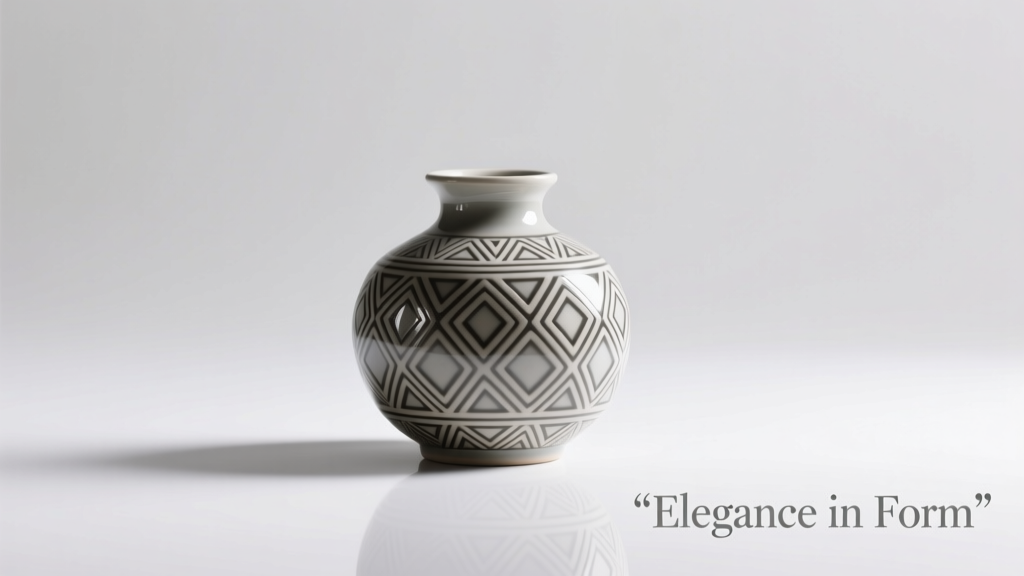
Types of Stone Bowls: Uses, Benefits & Features
Stone bowls are timeless, functional, and aesthetically pleasing items crafted from natural materials such as granite, marble, soapstone, slate, and alabaster. While all are made from stone, their design, texture, and thickness vary significantly based on intended use. From culinary tasks to decorative accents, stone bowls blend durability with elegance. Below is a comprehensive guide to the most common types of stone bowls and their unique applications.
Kitchen Bowls
Designed for food preparation, kitchen stone bowls are typically heavy, durable, and often feature textured or smooth interiors depending on function.
Advantages
- Natural weight provides stability during mixing or grinding
- Rough interiors (e.g., mortar and pestle) enhance spice crushing efficiency
- Smooth variants ideal for salads, marinades, and ingredient prep
- Heat-resistant and non-reactive with acidic foods
- Adds rustic elegance to kitchen décor
Limitations
- Heavy and less portable than ceramic or plastic bowls
- Porous stones may require sealing to prevent staining
- Not suitable for microwave or dishwasher use in some cases
Best for: Food grinding, mixing, marinating, and rustic kitchen presentation
Serving Bowls
Used to elevate the dining experience, stone serving bowls combine functionality with visual appeal in both homes and restaurants.
Advantages
- Excellent heat retention keeps food warm longer
- Naturally cool surface ideal for chilled dishes like salads and desserts
- Unique veining and coloration enhance table aesthetics
- Durable and scratch-resistant compared to glass or ceramic
- Eco-friendly and non-toxic material choice
Limitations
- Can be expensive depending on the stone type
- Requires gentle cleaning to avoid surface damage
- May react with acidic foods if unsealed
Best for: Presenting salads, fruits, side dishes, and gourmet meals with a refined, natural touch
Decorative Bowls
Also known as ornamental or accent bowls, these are crafted from premium stones like marble, alabaster, and onyx for visual impact.
Advantages
- Stunning natural patterns and translucency (especially in alabaster)
- Instantly elevates interior décor in living rooms or entryways
- Versatile: can hold keys, jewelry, dried flowers, or potpourri
- Acts as a standalone art piece when empty
- Long-lasting and resistant to fading or wear
Limitations
- Primarily decorative; not always food-safe
- Fragile edges on softer stones like soapstone
- High cost due to rare materials and craftsmanship
Best for: Interior styling, luxury spaces, gift items, and artistic displays
Bathroom Bowls
Used in bathrooms and spas, these bowls blend functionality with a serene, spa-like ambiance.
Advantages
- Natural stone promotes a calming, organic atmosphere
- Water-resistant and durable for holding soaps, candles, or cotton
- Can double as a small washbasin in minimalist or outdoor settings
- Easy to clean and resists mold when properly maintained
- Complements modern, rustic, or Zen-inspired bathroom designs
Limitations
- Weight may require secure placement
- May need sealing to prevent water absorption
- Limited utility in small bathrooms due to size
Best for: Spa-inspired bathrooms, vanity organizers, candle displays, and wellness spaces
Outdoor Bowls
Engineered to withstand the elements, outdoor stone bowls serve as planters, birdbaths, or garden centerpieces.
Advantages
- Weather-resistant and UV-stable for year-round use
- Ideal for succulents, herbs, or ornamental plants
- Acts as a birdbath or water feature in gardens
- Heavyweight design prevents tipping in wind
- Develops a natural patina over time, enhancing character
Limitations
- Very heavy; difficult to relocate once placed
- May crack in freezing temperatures if water accumulates
- Higher initial investment compared to plastic alternatives
Best for: Gardens, patios, courtyards, and landscape focal points
| Type | Primary Use | Material Examples | Key Benefit | Care Tips |
|---|---|---|---|---|
| Kitchen Bowls | Food prep, grinding | Granite, basalt, lava stone | Durability & functionality | Hand wash; avoid harsh detergents |
| Serving Bowls | Food presentation | Marble, soapstone, travertine | Heat/cold retention | Seal periodically; wipe spills quickly |
| Decorative Bowls | Interior décor | Alabaster, onyx, quartz | Aesthetic elegance | Dust regularly; avoid moisture |
| Bathroom Bowls | Spa & storage | Slate, marble, sandstone | Tranquil ambiance | Keep dry; seal if porous |
| Outdoor Bowls | Garden features | Limestone, granite, fieldstone | Weather resistance | Drain water in winter; clean moss buildup |
Expert Tip: To preserve the beauty and longevity of your stone bowls, apply a food-safe stone sealer every 6–12 months, especially for porous materials like marble or limestone. This prevents staining and maintains a lustrous finish.
Design of Various Stone Bowls
Stone bowls are more than just functional vessels—they serve as timeless design elements that blend natural beauty with artisan craftsmanship. Used in kitchens, living spaces, and outdoor settings, stone bowls add texture, elegance, and a connection to nature. Their design varies widely based on the type of stone, intended use, and the artisan’s creative vision. Below is a comprehensive exploration of the key design aspects that define stone bowls.
Key Design Elements of Stone Bowls
Material Selection
The choice of stone is the foundation of any stone bowl's design, influencing its durability, appearance, and suitability for specific uses. Each type of natural stone offers unique aesthetic and functional qualities:
- Granite: Extremely hard and scratch-resistant, granite features a speckled or crystalline appearance. Its durability makes it ideal for kitchen tools like mortar and pestles or serving bowls exposed to frequent use.
- Marble: Known for its smooth, glossy finish and elegant veining, marble exudes luxury. While softer than granite, it's perfect for decorative bowls or serving platters in dining settings.
- River Rock: Naturally smoothed by water over time, river rock bowls have a tactile, organic feel. Often used in Zen gardens or spa-inspired interiors, they bridge function and natural artistry.
- Limestone: Softer and more porous, limestone allows for intricate carving and displays subtle earthy tones. Best suited for indoor decorative use or outdoor bowls in dry climates.
- Soapstone: With a soft, matte texture and excellent workability, soapstone is favored by sculptors. It’s ideal for artistic display pieces, though less suited for heavy kitchen use.
- Onyx: Highly translucent with dramatic color bands, onyx is a rare and luxurious stone. Often backlit in high-end interiors, onyx bowls serve as striking centerpieces in modern or opulent spaces.
Carving Techniques and Shape Design
The shape and carving style of a stone bowl reflect both its purpose and the artisan’s skill. Design choices are driven by functionality, ergonomics, and aesthetic intent:
- Mortar and Pestle Bowls: Typically feature a rough or grooved interior to enhance grinding efficiency. These are often deeper with thick walls to withstand repetitive pounding.
- Mixing and Serving Bowls: Smooth, rounded interiors facilitate easy mixing and cleaning. Shapes range from wide, shallow basins to deep, narrow forms, depending on culinary needs.
- Decorative Sculptural Bowls: These may take the form of abstract art, animal figures, or geometric patterns. Artisans often preserve natural edges or incorporate asymmetry for a handcrafted, organic look.
- Outdoor and Garden Bowls: Designed to withstand weather, these often feature thicker walls and stable, grounded shapes. Some double as fountains or planters.
Hand-carving allows for one-of-a-kind pieces, while CNC-assisted techniques ensure precision for mass-produced designs. The balance between symmetry and organic form defines the bowl’s visual appeal.
Surface Finishes and Functional Impact
The finish applied to a stone bowl significantly affects its look, feel, and usability. Finishes can range from raw and natural to highly polished, each serving a distinct purpose:
| Finish Type | Aesthetic Quality | Best For |
|---|---|---|
| Rough/Unpolished | Rustic, ancient, earthy | Decorative displays, garden accents, artisanal pieces |
| Satin/Smooth | Soft sheen, tactile comfort | Mixing bowls, everyday serving |
| High-Gloss Polish | Luxurious, reflective, elegant | Dining tables, luxury interiors, onyx or marble displays |
| Honed (Matte) | Velvety, non-reflective | Kitchenware, soapstone art, low-maintenance decor |
Finishes also impact maintenance—polished surfaces resist staining but may show scratches, while honed or rough finishes hide wear but can absorb liquids if not sealed properly. Proper sealing is essential for porous stones like limestone or marble.
Design Integration in Interior Spaces
Stone bowls are increasingly used as intentional design elements in both residential and commercial interiors:
- In kitchens, granite or marble bowls serve as functional art—holding fruit, bread, or utensils while enhancing countertop aesthetics.
- In living rooms or entryways, decorative stone bowls act as statement pieces, often filled with pinecones, stones, or candles.
- In spas and wellness centers, river rock or soapstone bowls contribute to a calming, natural ambiance.
- In outdoor spaces, limestone or granite bowls double as planters or water features, blending seamlessly with garden landscapes.
When selecting a stone bowl for interior design, consider scale, color harmony with the space, and how light interacts with the stone—especially with translucent materials like onyx.
Important: Always consider the environment and usage when selecting a stone bowl. Avoid placing porous stones like marble or limestone in high-moisture or acidic environments without proper sealing. For functional kitchen use, ensure the bowl is food-safe and free from harmful residues. When in doubt, consult a stone care specialist or the manufacturer’s guidelines to preserve the beauty and longevity of your piece.
Scenarios of Various Stone Bowls
Stone bowls are more than just functional kitchen tools—they are timeless pieces that blend natural beauty with practical utility across multiple environments. Crafted from durable materials like granite, marble, onyx, alabaster, and soapstone, these bowls offer both aesthetic elegance and resilience. Their versatility allows them to transition seamlessly from culinary use to decorative accents and even outdoor features. Below is a detailed exploration of how stone bowls can be effectively used in various settings of the home and beyond.
In the Kitchen
Stone bowls bring both durability and elegance to food preparation. Their natural density makes them ideal for tasks requiring strength and stability.
- Mortar and Pestle Function: Granite or basalt bowls are excellent for grinding spices, herbs, and pastes due to their coarse texture and weight, which prevents slipping during use.
- Mixing and Prep Work: Smooth, large stone bowls—such as those made from polished basalt or marble—are perfect for mixing dough, tossing salads, or combining heavy ingredients like legumes and grains.
- Temperature Retention: Marble and soapstone bowls stay cool, making them ideal for working with butter, chocolate, or pastry dough that benefits from a chilled surface.
- Non-Reactive Surface: High-quality stone does not absorb flavors or react with acidic ingredients, ensuring food safety and purity.
Pro Tip: Always hand-wash stone kitchenware with mild soap and avoid sudden temperature changes to prevent cracking.
At the Dining Table
Polished stone serving bowls elevate the presentation of food, adding a touch of sophistication to any meal.
- Elegant Presentation: A polished marble or travertine bowl beautifully displays fresh fruit, artisan bread, or gourmet salads, enhancing the visual appeal of your table setting.
- Durable for Entertaining: Stone’s resilience makes it ideal for dinner parties, buffets, or outdoor gatherings where style and function are equally important.
- Alfresco Dining: Weather-resistant stones like granite or sandstone can be used outdoors without degradation, making them perfect for patio or garden dining.
- Thermal Mass Benefit: Cold stone helps keep chilled dishes like ceviche or fruit salads cool longer during service.
Design Insight: Pair stone bowls with wooden or metal trays for a cohesive, natural aesthetic.
In Living Spaces
Even when not used for food, stone bowls serve as striking decorative elements that bring a sense of calm and nature indoors.
- Centerpieces: Onyx or semi-precious stone bowls with translucent qualities can be illuminated from within using LED lights or candles, creating a mesmerizing ambient glow.
- Functional Decor: Place a small alabaster or soapstone bowl on a coffee table to hold keys, jewelry, or loose change—combining utility with elegance.
- Minimalist Appeal: The organic texture and neutral tones of stone complement modern, rustic, or spa-inspired interiors.
- Mindful Accents: Use stone bowls in meditation or reading nooks to evoke grounding energy and tranquility.
Interior Tip: Choose bowls with natural veining or color variations to add visual interest without clutter.
In the Bathroom
Stone bowls introduce a luxurious, spa-like atmosphere to bathrooms and powder rooms.
- Luxury Washbasins: Large alabaster or onyx basins serve as stunning vanity sinks, offering a unique alternative to ceramic or porcelain fixtures.
- Toiletry Holders: Small soapstone or marble bowls are perfect for organizing cotton balls, bath salts, candles, or perfumes on countertops or shelves.
- Moisture Resistance: Properly sealed stone resists humidity and water damage, making it suitable for bathroom environments.
- Sensory Experience: The cool, smooth surface of stone enhances the tactile pleasure of a spa-inspired bathroom.
Maintenance Note: Re-seal porous stones annually to maintain water resistance and prevent staining.
Outdoors
Stone bowls are naturally suited for outdoor use due to their durability and weather resistance.
- Garden Planters: Large granite or concrete stone bowls make excellent planters for succulents, herbs, or ornamental grasses, blending seamlessly into landscape designs.
- Bird Baths or Water Features: Shallow stone bowls can be filled with water to attract birds, doubling as both decoration and wildlife support.
- Seasonal Displays: Use stone bowls to hold pinecones, pumpkins, or holiday greenery for festive outdoor arrangements.
- Frost & UV Resistant: Dense stones like basalt or quartzite withstand freezing temperatures and prolonged sun exposure without cracking or fading.
Landscaping Idea: Group stone bowls of varying sizes in a garden bed for a sculptural, Zen-inspired look.
Material Guide & Care Tips
Understanding the properties of different stones helps you choose the right bowl for each application.
| Stone Type | Best For | Care Instructions |
|---|---|---|
| Granite | Kitchen prep, outdoor use | Seal annually; clean with pH-neutral soap |
| Marble | Serving, decor, bathrooms | Seal regularly; avoid acids (citrus, vinegar) |
| Onyx | Decorative displays, lighting features | Keep dry; avoid moisture and direct sunlight |
| Alabaster | Luxury sinks, ambient decor | High maintenance; seal frequently |
| Soapstone | Toiletry holders, countertops | Naturally oil-resistant; wipe clean |
Expert Recommendation: When selecting a stone bowl, consider both its intended function and the environment it will inhabit. For high-use areas like kitchens, prioritize durability and ease of cleaning. In decorative spaces, focus on aesthetics, texture, and lighting compatibility. Always ensure the stone is properly sealed—especially in moisture-prone areas like bathrooms—to extend its lifespan and preserve its beauty.
Additional Considerations
- Sustainability: Natural stone is a renewable resource when sourced responsibly; look for suppliers who practice ethical quarrying.
- Weight & Placement: Stone bowls are heavy���ensure surfaces can support their weight, especially on delicate furniture or countertops.
- Customization: Many artisans offer hand-carved or custom-shaped stone bowls tailored to specific design needs.
- Thermal Sensitivity: Avoid placing cold stone bowls directly into ovens or microwaves; thermal shock can cause cracking.
- Variability: Each stone bowl is unique—embrace natural imperfections as part of its character and charm.
Specification & Maintenance of Various Stone Bowls
Stone bowls are more than just functional household items—they are elegant, timeless pieces that blend natural beauty with practicality. Crafted from a variety of natural stones, these bowls serve purposes ranging from food preparation and serving to decorative accents and outdoor use. To preserve their appearance, durability, and safety, it’s essential to understand their specifications and follow proper care and maintenance practices. Below is a comprehensive guide covering key considerations for selecting, using, and maintaining stone bowls.
Important Note: Not all stone bowls are suitable for food use. Always verify that the stone type and sealant are food-safe before using the bowl for culinary purposes.
1. Key Specifications When Choosing a Stone Bowl
Understanding the physical and material characteristics of stone bowls is crucial when selecting the right one for your needs. These bowls vary widely in design, density, weight, and finish, depending on the source stone and craftsmanship.
- Material Types: Common stones used include marble, granite, soapstone, limestone, travertine, and slate. Each has unique properties—marble offers elegance but is sensitive to acids, while granite is highly durable and scratch-resistant.
- Design & Finish: Bowls range from highly polished, precision-carved pieces to rustic, naturally shaped forms that retain the raw texture of the stone. The finish affects both aesthetics and maintenance needs.
- Thickness & Weight: Thicker bowls are heavier and more durable, ideal for outdoor or high-traffic use. Thinner bowls are lighter and better suited for indoor decoration or serving.
- Size & Capacity: Available in sizes from small trinket dishes (3–5 inches) to large centerpieces or basins (12+ inches). Choose based on intended use—jewelry storage, fruit display, or planters.
- Food Safety: Bowls used for food preparation or serving must be sealed with a food-grade, non-toxic sealant to prevent absorption of liquids, bacteria, and stains. Avoid unsealed porous stones like limestone for food contact.
2. Proper Cleaning Techniques for Longevity
Improper cleaning can damage the surface of a stone bowl, leading to etching, discoloration, or cracking. Gentle care preserves both beauty and function.
- Use lukewarm water and a few drops of mild dish soap with a soft sponge or microfiber cloth for daily cleaning.
- Clean immediately after use, especially if the bowl has held acidic foods (citrus, vinegar, wine) or oily substances.
- Avoid abrasive scrubbers, steel wool, or harsh detergents that can scratch or dull the surface.
- Never use bleach, ammonia, or acidic cleaners (like vinegar or citrus-based sprays), as they can corrode or etch certain stones.
- Do not soak stone bowls in water. Prolonged exposure can cause cracking, especially in freeze-thaw environments.
- Dry thoroughly with a soft towel after washing to prevent water spots or mineral deposits.
Pro Tip: For stubborn residue, create a paste of baking soda and water, gently apply with a soft cloth, then rinse and dry. This non-abrasive method safely lifts grime without damaging the stone.
3. Sealing: Essential Protection for Porous Stones
Many natural stones are porous and can absorb liquids, leading to stains, odors, and bacterial growth. Regular sealing is a critical maintenance step, especially for bowls used in kitchens or bathrooms.
- Frequency: Seal porous stones (e.g., limestone, travertine, soapstone) every 6–12 months, or as recommended by the manufacturer.
- Recommended Sealants: Use food-safe mineral oil for soapstone bowls used in food prep. For decorative or non-food bowls, use a penetrating stone sealer designed for natural stone surfaces.
- Application: Apply a small amount of sealer evenly with a soft cloth, allow it to absorb for 10–15 minutes, then buff off excess. Test on a small area first to ensure compatibility.
- Testing Seal Effectiveness: Sprinkle a few drops of water on the surface. If it beads up, the seal is intact. If it darkens the stone, resealing is needed.
4. Ideal Placement and Environmental Considerations
Where you place your stone bowl significantly impacts its lifespan and appearance. Environmental exposure can accelerate wear and weathering.
- Indoor Use: Ideal for maintaining consistent temperature and humidity. Place on stable, flat surfaces away from sharp impacts.
- Outdoor Use: Only use frost-resistant stones (like granite or slate) for outdoor planters, birdbaths, or fountains. Even then, position in shaded or sheltered areas to minimize exposure to direct sunlight, heavy rain, and freezing temperatures.
- Avoid Thermal Shock: Do not expose stone bowls to sudden temperature changes (e.g., moving from a cold garage to a hot kitchen), as this can cause cracking.
- UV Exposure: Prolonged sunlight can fade the color of some stones and degrade sealants over time. Rotate or cover outdoor bowls when possible.
| Stone Type | Porosity Level | Food-Safe? | Sealing Required | Best Use Case |
|---|---|---|---|---|
| Marble | High | Yes (if sealed) | Every 6–12 months | Decorative serving, countertops |
| Granite | Low | Yes | Rarely | Kitchen prep, outdoor use |
| Soapstone | Very Low | Yes (with food-grade oil) | Every 3–6 months | Food prep, sinks |
| Limestone | High | Only if sealed | Every 6 months | Indoor decor, planters |
| Slate | Medium | Yes (if sealed) | Every 12 months | Birdbaths, coasters, trays |
Expert Tip: Label your stone bowls with care instructions using a discreet, waterproof tag. This helps prevent accidental misuse, especially in shared kitchens or outdoor spaces.
Additional Maintenance Recommendations
- Inspect bowls regularly for chips, cracks, or signs of sealant wear.
- Store indoor bowls in a dry cabinet when not in use for extended periods.
- For outdoor bowls, consider bringing them indoors during winter or extreme weather.
- Reapply sealant seasonally if used frequently or in high-moisture environments.
- Use trivets or felt pads under bowls to protect furniture surfaces from scratches or moisture.
By understanding the unique characteristics of your stone bowl and following these care guidelines, you can enjoy its beauty and functionality for years to come. Whether used as a centerpiece, serving dish, or garden accent, proper maintenance ensures your stone bowl remains a cherished part of your home.
Frequently Asked Questions About Stone Bowls
Q. Are stone bowls good for cooking?Yes, stone bowls can be excellent for both preparing and serving food, but only if made from food-safe, non-porous natural stone such as granite, marble, or soapstone. These materials are durable, heat-resistant, and chemically inert, meaning they won’t leach harmful substances into food. However, porous stones like sandstone or limestone should be avoided for culinary use, as they can absorb moisture, bacteria, and odors. Always verify that the stone bowl is explicitly labeled as food-safe before using it in the kitchen.
Q. How do you clean stone bowls?Proper cleaning is essential to maintain the integrity and appearance of stone bowls. It's strongly recommended to hand wash them using lukewarm water, a mild dish soap, and a soft sponge or cloth. Avoid abrasive scrubbers, harsh detergents, or bleach, as these can scratch or erode the stone’s surface. Never soak stone bowls for extended periods—prolonged exposure to water may lead to staining or cracking, especially in less dense stones. After washing, dry the bowl thoroughly with a soft towel to prevent water spots and mineral deposits.
Q. Can stone bowls be used outside?Absolutely—stone bowls are highly durable and naturally resistant to weather conditions, making them a popular choice for outdoor decor and functional use. They are ideal for placement in gardens, patios, poolside areas, or on balconies. Their weight provides stability in windy conditions, and their composition allows them to withstand temperature fluctuations, UV exposure, and moisture. Some people even use them as outdoor planters or decorative water features. Just ensure the bowl is sealed appropriately if exposed to rain or soil to prevent long-term staining or erosion.
Q. How can you prevent stone bowls from staining?To protect stone bowls from stains caused by oils, wine, sauces, or pigmented liquids, regular sealing is key. Apply a food-grade stone sealant or natural mineral oil every few months, depending on usage. This creates a protective barrier that repels liquids and prevents them from penetrating the stone. For everyday maintenance, wipe up spills promptly and avoid leaving acidic or colored substances in the bowl for extended periods. Periodic reapplication of the sealant ensures long-term protection and preserves the bowl’s natural luster and texture.
Q. Are stone bowls dishwasher-safe?No, most stone bowls are not dishwasher-safe. The high temperatures, strong water jets, and aggressive detergents used in dishwashers can cause thermal shock, cracking, or surface dulling over time. Repeated exposure may also degrade any protective sealant, increasing the risk of staining and bacterial absorption. To preserve the longevity and beauty of your stone bowl, always opt for gentle hand washing and air drying. If in doubt, consult the manufacturer’s care instructions to ensure proper maintenance.









