Noticing a foul odor in your urine that resembles feces can be alarming. While occasional changes in urine smell are normal and often linked to diet or hydration, a persistent poop-like odor may point to an underlying health issue. This article explores the possible causes behind urine that smells like feces, outlines effective treatments, and clarifies when it’s time to consult a healthcare provider.
Understanding Normal vs. Abnormal Urine Odor
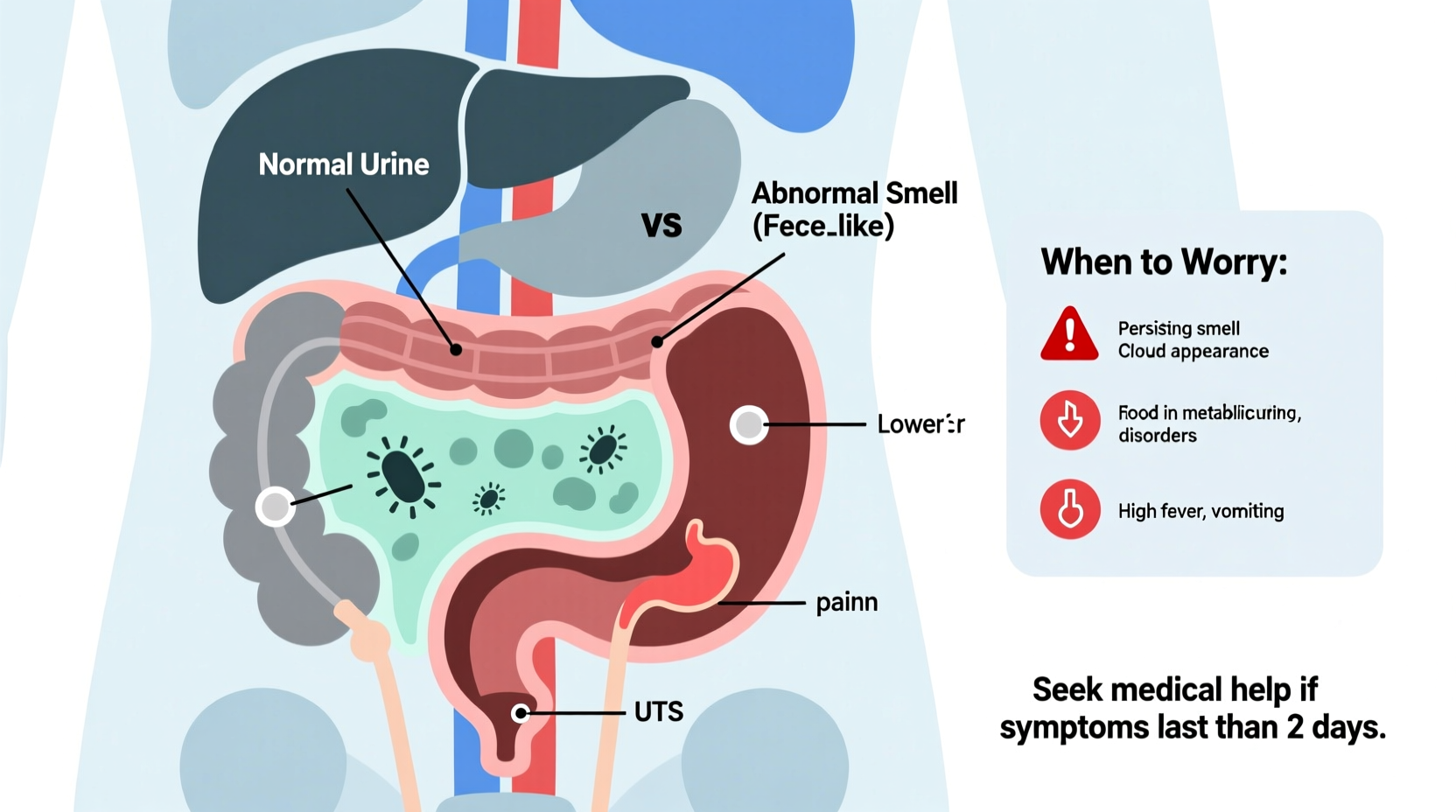
Urine naturally has a mild scent, which can vary based on hydration, food intake, medications, and metabolic activity. Dehydration, for instance, concentrates urine and intensifies its ammonia-like smell. However, when urine begins to emit a distinctly fecal odor—reminiscent of sewage or bowel movement—it often signals something beyond routine variation.
The presence of sulfur-containing compounds, bacterial overgrowth, or abnormal connections between organs (fistulas) can alter urine chemistry and produce offensive odors. Recognizing what’s normal versus what warrants concern is the first step toward appropriate action.
Common Causes of Fecal-Smelling Urine
A poop-like smell in urine doesn’t occur without reason. Several medical and lifestyle factors can contribute:
- Urinary Tract Infections (UTIs): Bacterial infections in the urinary tract, especially those involving *Proteus* or *E. coli*, can produce foul-smelling urine. These bacteria break down urea into ammonia and other volatile compounds, sometimes resulting in a fecal-like stench.
- Fistulas (especially colovesical fistulas): An abnormal passage between the colon and bladder allows fecal matter or gas to enter the urinary tract. This condition often arises from Crohn’s disease, diverticulitis, or surgical complications. People with fistulas may pass gas during urination or notice stool particles in urine.
- Dietary Influences: Foods high in sulfur—such as asparagus, garlic, onions, and cruciferous vegetables—can cause strong-smelling urine. Though typically not fecal, the odor may be misinterpreted, especially if digestion is impaired.
- Dehydration: Concentrated urine amplifies existing odors. If you're also experiencing constipation or poor gut health, the combined effect might make urine seem more feculent.
- Medications and Supplements: Certain antibiotics, B vitamins, and supplements like choline or fish oil can alter urine odor. Some drugs metabolize into sulfur-based byproducts that smell unpleasant.
- Metabolic Disorders: Rare conditions like trimethylaminuria (\"fish odor syndrome\") or maple syrup urine disease affect how the body processes certain amino acids, leading to strong, atypical body odors—including in urine.
When to Worry: Red Flags That Demand Medical Attention
While temporary odor changes are usually harmless, certain symptoms suggest a serious condition requiring prompt evaluation:
- Consistent fecal smell in urine lasting more than 2–3 days
- Pain or burning during urination
- Frequent urge to urinate with little output
- Blood in urine (hematuria)
- Passing gas from the urethra during urination
- Fever, chills, or lower abdominal pain
- Unexplained weight loss or changes in bowel habits
“Persistent fecal odor in urine, especially with pneumaturia (air in urine), is a classic sign of a colovesical fistula. Early diagnosis prevents complications.” — Dr. Lena Patel, Urologist and GI Specialist
Case Example: Recognizing a Fistula
Sarah, a 42-year-old woman with a history of Crohn’s disease, began noticing her urine smelled strongly of sewage. She initially dismissed it as dehydration. Over two weeks, she started passing bubbles in her urine and developed recurrent UTIs. After imaging, doctors discovered a colovesical fistula caused by intestinal inflammation eroding into the bladder. Surgical repair resolved both the odor and infection cycle.
This case illustrates how delayed attention to unusual symptoms can lead to prolonged discomfort—and why early investigation matters.
Diagnosis and Medical Evaluation
If you’re concerned about your urine’s odor, a healthcare provider will likely perform the following assessments:
- Medical History Review: Questions about digestive health, surgeries, medications, and chronic conditions like diabetes or inflammatory bowel disease.
- Urinalysis: Tests for bacteria, white blood cells, nitrites, and pH levels to detect infection.
- Urine Culture: Identifies specific bacteria causing infection and guides antibiotic selection.
- Imaging Studies: CT scans or contrast-enhanced X-rays can reveal fistulas, abscesses, or structural abnormalities.
- Cystoscopy: A camera inserted into the bladder may be used to visually inspect for fistula openings or inflammation.
In suspected fistula cases, a barium enema or MRI enterography may be ordered to trace the path between the bowel and bladder.
Treatment Options Based on Cause
Effective treatment depends entirely on identifying the root cause. Here’s how different conditions are managed:
| Condition | Treatment Approach | Expected Outcome |
|---|---|---|
| UTI | Antibiotics (e.g., nitrofurantoin, ciprofloxacin) | Odor resolves within 2–3 days of starting treatment |
| Colovesical Fistula | Surgery to close fistula + treat underlying cause (e.g., Crohn’s flare) | Definitive cure; recovery takes weeks |
| Diet-Related Odor | Dietary modification and hydration | Improvement within 24–48 hours |
| Metabolic Disorder | Dietary restrictions, supplements, or medications | Lifelong management needed |
Step-by-Step Guide to Addressing Foul-Smelling Urine
Follow these steps if you notice urine smelling like poop:
- Assess recent dietary changes: Eliminate sulfur-rich foods for 48 hours and increase water intake.
- Check hydration status: Pale yellow urine indicates good hydration; dark yellow suggests concentration.
- Monitor for additional symptoms: Track fever, pain, frequency, or gas in urine.
- Perform a home UTI test (optional): Dipstick tests available over-the-counter can detect nitrites and leukocytes.
- Consult a doctor if symptoms persist beyond 3 days: Especially if there's pain, fever, or visible changes in urine.
Frequently Asked Questions
Can a UTI make my urine smell like poop?
Yes. Some bacteria, particularly *Proteus mirabilis*, produce enzymes that break down urea into ammonia and foul-smelling byproducts. While the odor is often described as “ammonia” or “rotten,” it can resemble feces in severe or untreated cases.
Is it possible to have a bowel-bladder connection?
Yes. A colovesical fistula creates a direct link between the colon and bladder, allowing bacteria and fecal matter to contaminate urine. This condition is rare but serious and requires surgical correction.
Can probiotics help reduce smelly urine?
In some cases, yes. Balancing gut and urinary microbiomes may reduce harmful bacterial overgrowth. However, probiotics are not a substitute for antibiotics in active infections.
Prevention Checklist
Reduce your risk of developing foul-smelling urine with these proactive measures:
- ✅ Drink 6–8 glasses of water daily
- ✅ Practice good hygiene, especially after bowel movements (wipe front to back)
- ✅ Treat UTIs promptly
- ✅ Manage chronic conditions like Crohn’s disease or diabetes effectively
- ✅ Avoid excessive consumption of sulfur-rich foods if sensitive
- ✅ Urinate after sexual activity to flush bacteria from the urethra
Conclusion: Don’t Ignore the Signal
Your body communicates through symptoms, and a poop-like odor in urine is a signal worth heeding. While sometimes linked to simple causes like diet or mild dehydration, it can also indicate infections, fistulas, or systemic disorders. The key is vigilance—pay attention to duration, accompanying symptoms, and personal health history.
If the smell persists or worsens, don’t hesitate to seek medical advice. Early diagnosis can prevent complications and provide fast relief. Your urinary and digestive health are deeply interconnected; treating one often supports the other.
💬 Have you experienced unusual urine odor? Share your story or questions below—your experience could help someone else find answers.








