Spaying a female dog is one of the most responsible decisions a pet owner can make. Beyond preventing unwanted litters, the procedure offers significant health and behavioral benefits. Yet many owners are unprepared for the full scope of costs involved—both immediate and long-term. Understanding the true financial picture helps ensure that you're making an informed choice, not just for your budget, but for your dog’s lifelong well-being.
What Does “Spaying” Actually Involve?
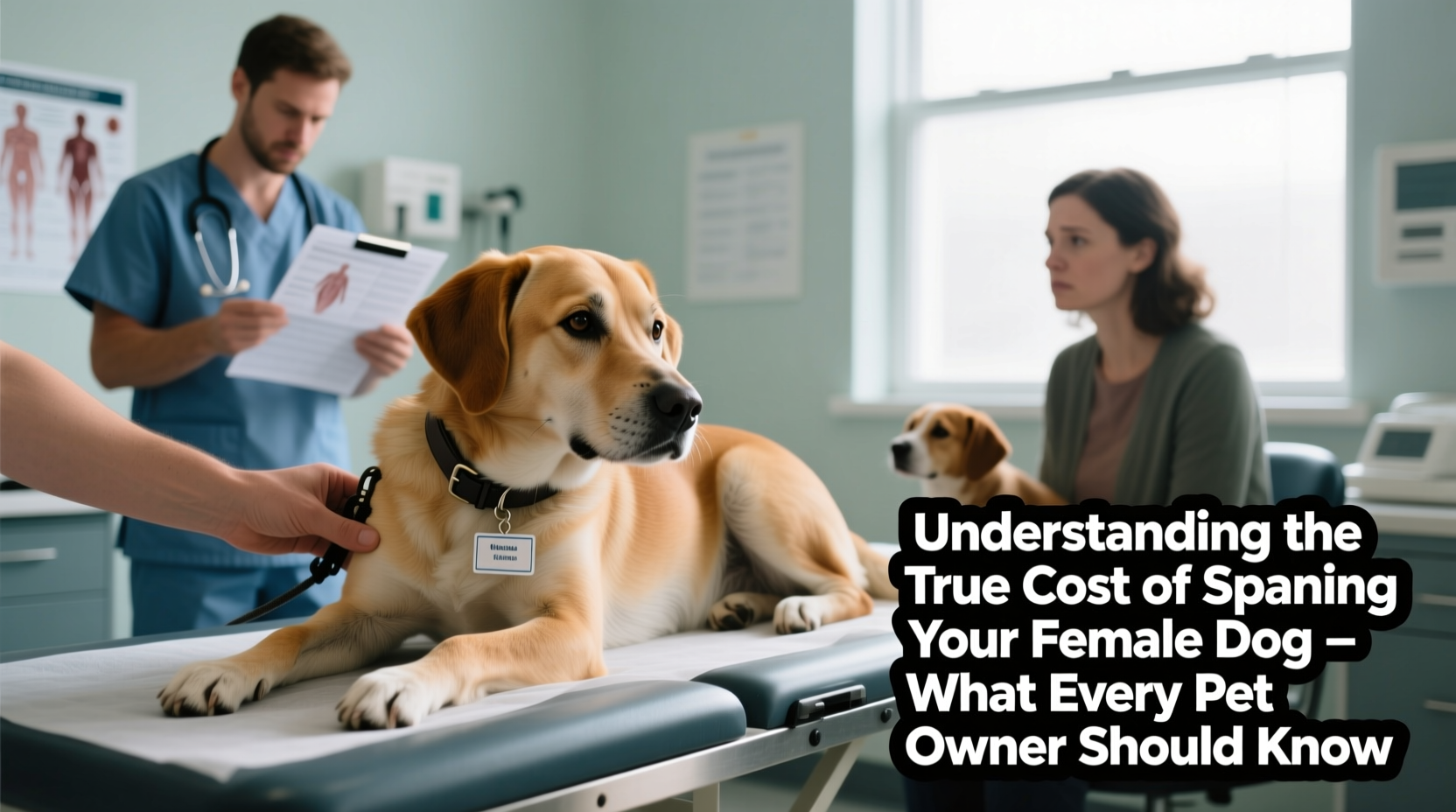
Spaying, or ovariohysterectomy, is a surgical procedure in which a female dog’s ovaries and uterus are removed. This prevents pregnancy and eliminates heat cycles, reducing behaviors linked to hormonal fluctuations such as restlessness, vocalization, and attempts to escape. The surgery is performed under general anesthesia and typically takes 30 to 90 minutes, depending on the dog’s age, size, and reproductive status.
While it's considered routine, spaying is still abdominal surgery with inherent risks and requires skilled veterinary care. Recovery usually lasts 10–14 days, during which activity must be limited and the incision monitored for signs of infection.
Tip: Ask your vet if pre-anesthetic blood work is included—it's essential for identifying hidden health issues that could complicate surgery.Breaking Down the Financial Components
The total cost of spaying a dog isn’t just the surgeon’s fee. It’s a combination of several elements, some mandatory, others optional but recommended. Here’s a detailed breakdown:
| Cost Component | Average Price Range (USD) | Notes |
|---|---|---|
| Basic Surgical Fee | $200–$500 | Varies by region, clinic type, and dog size |
| Pre-Anesthetic Blood Work | $80–$200 | Checks liver, kidney function, and overall health |
| Anesthesia | Included or $50–$150 extra | Safer with modern monitoring equipment |
| Pain Medication | $30–$80 | Typically prescribed for 3–5 days post-op |
| Antibiotics | $20–$60 | Not always needed, but common in younger dogs |
| Elizabethan Collar (E-collar) | $10–$30 | Prevents licking of the incision site |
| Follow-Up Visit | $30–$75 | Stitch removal (if non-dissolvable) and healing check |
When all components are added, the total cost often ranges from $350 to $800 at a private veterinary clinic. Larger dogs generally cost more due to longer anesthesia time and increased medication needs.
Factors That Influence Cost
No two spay procedures are identical. Several variables affect the final price:
- Dog Size and Weight: Larger breeds require more anesthesia and longer surgical time, increasing costs.
- Age and Health: Spaying a dog during her first heat or while pregnant significantly increases complexity and risk, raising the price.
- Clinic Type: Private practices typically charge more than low-cost clinics or shelters, but may offer extended care and advanced monitoring.
- Geographic Location: Urban areas and high-cost-of-living regions tend to have higher veterinary fees.
- Additional Services: Upgrades like IV fluids, internal sutures, or laser surgery add to the bill but can improve safety and comfort.
“Spaying before the first heat cycle reduces mammary tumor risk by up to 99%. The upfront cost is far less than treating cancer later.” — Dr. Laura Simmons, DVM, Small Animal Surgeon
Low-Cost Options and Financial Assistance
For many families, even a $400 procedure is a stretch. Fortunately, affordable options exist without compromising safety:
- Shelter-Based Clinics: Many animal shelters offer spay services at reduced rates, sometimes as low as $50–$150.
- Nonprofit Organizations: Groups like the ASPCA, Humane Society, and SPAY/NEUTER USA maintain directories of low-cost providers.
- Veterinary Schools: Teaching hospitals provide discounted services supervised by licensed veterinarians.
- Payment Plans: Some clinics partner with services like CareCredit to offer financing.
Be cautious of extremely low prices (<$200) without diagnostics or pain management. These may cut corners on safety. Always verify that the clinic includes anesthesia monitoring, pain control, and proper sterilization protocols.
Mini Case Study: Bella, the Unplanned Litter
Maria adopted Bella, a 7-month-old mixed breed, from a local rescue. She planned to spay her but delayed due to cost concerns. At 10 months, Bella went into heat and escaped the yard, mating with a neighbor’s dog. Maria was faced with an unexpected pregnancy.
The delivery required an emergency C-section costing over $2,200. Three puppies needed feeding, vaccinations, and vet visits. After rehoming them, Maria finally had Bella spayed—totaling nearly $3,000 in unplanned expenses. Had she acted earlier, the entire process would have cost under $500.
Bella’s story highlights how delaying spaying can lead to exponentially higher costs—and emotional stress.
Long-Term Benefits That Offset the Cost
While the initial price tag may seem steep, spaying pays for itself over time through avoided medical and behavioral issues:
- Prevention of Pyometra: A life-threatening uterine infection affecting 25% of unspayed dogs by age 10. Treatment requires emergency surgery ($2,000–$5,000) and carries high mortality.
- Reduced Cancer Risk: Spaying before the first heat nearly eliminates the chance of mammary tumors, which are malignant in 50% of dogs.
- No Heat Cycles: Eliminates mess, behavioral changes, and the need for special containment or diapers.
- Lower Behavioral Costs: Reduces roaming, aggression, and marking—issues that might otherwise require training or boarding.
Step-by-Step Guide: Preparing for Your Dog’s Spay Surgery
- Consult Your Veterinarian: Discuss timing, pre-op requirements, and estimate total costs.
- Choose a Clinic: Compare services, not just price. Confirm they include pain meds and monitoring.
- Schedule the Surgery: Book early; clinics fill quickly, especially in spring and summer.
- Pre-Op Fasting: Withhold food after midnight the night before (water is usually allowed).
- Drop-Off Morning of Surgery: Bring any paperwork and ask about expected pickup time.
- Post-Op Care: Keep your dog calm, use the E-collar, monitor the incision, and administer meds as directed.
- Follow-Up: Attend the recheck appointment to ensure proper healing.
Frequently Asked Questions
Is spaying painful for my dog?
The surgery is performed under anesthesia, so your dog feels no pain during the procedure. Post-operative discomfort is managed with prescribed pain medication. Most dogs return to normal within a few days.
Will spaying change my dog’s personality?
Spaying typically reduces hormonally driven behaviors like restlessness during heat or territorial aggression, but it does not alter core personality traits like affection, playfulness, or intelligence.
Are there risks to waiting until after the first heat?
Yes. Each heat cycle increases the risk of mammary cancer. Dogs spayed after their second heat have a 26% risk of developing mammary tumors, compared to 0.5% if spayed before the first.
Final Thoughts: An Investment in Health and Responsibility
Spaying is more than a surgical procedure—it’s a commitment to your dog’s long-term health and to responsible pet ownership. While the cost varies, viewing it as a preventive investment puts it in perspective. Compared to the potential expenses of treating pyometra, cancer, or caring for an unplanned litter, spaying is both economical and compassionate.
Every dog deserves the chance to live a longer, healthier life free from preventable diseases. By understanding the true cost—not just in dollars, but in outcomes—you empower yourself to make the best decision for your pet.
💬 Have questions about your dog’s spay procedure? Share your experience or ask for advice in the comments below—your insights could help another pet owner make a confident choice.








