Traveling with pets doesn’t have to be a tense experience—for you or your animal companion. Whether it’s a trip to the vet, a weekend getaway, or a cross-country flight, how your pet feels inside their carrier can make all the difference. A poorly prepared carrier can amplify anxiety, leading to vocal protests, trembling, or even injury. On the other hand, a well-designed, thoughtfully outfitted carrier transforms into a mobile safe space that promotes calmness and comfort.
The key lies not just in choosing the right carrier, but in personalizing it to suit your pet’s sensory needs, temperament, and physical comfort. From scent familiarization to interior padding, every detail plays a role in reducing travel stress. This guide walks you through practical, science-backed strategies to turn any pet carrier bag into a cozy, reassuring haven.
Understanding Pet Stress During Travel
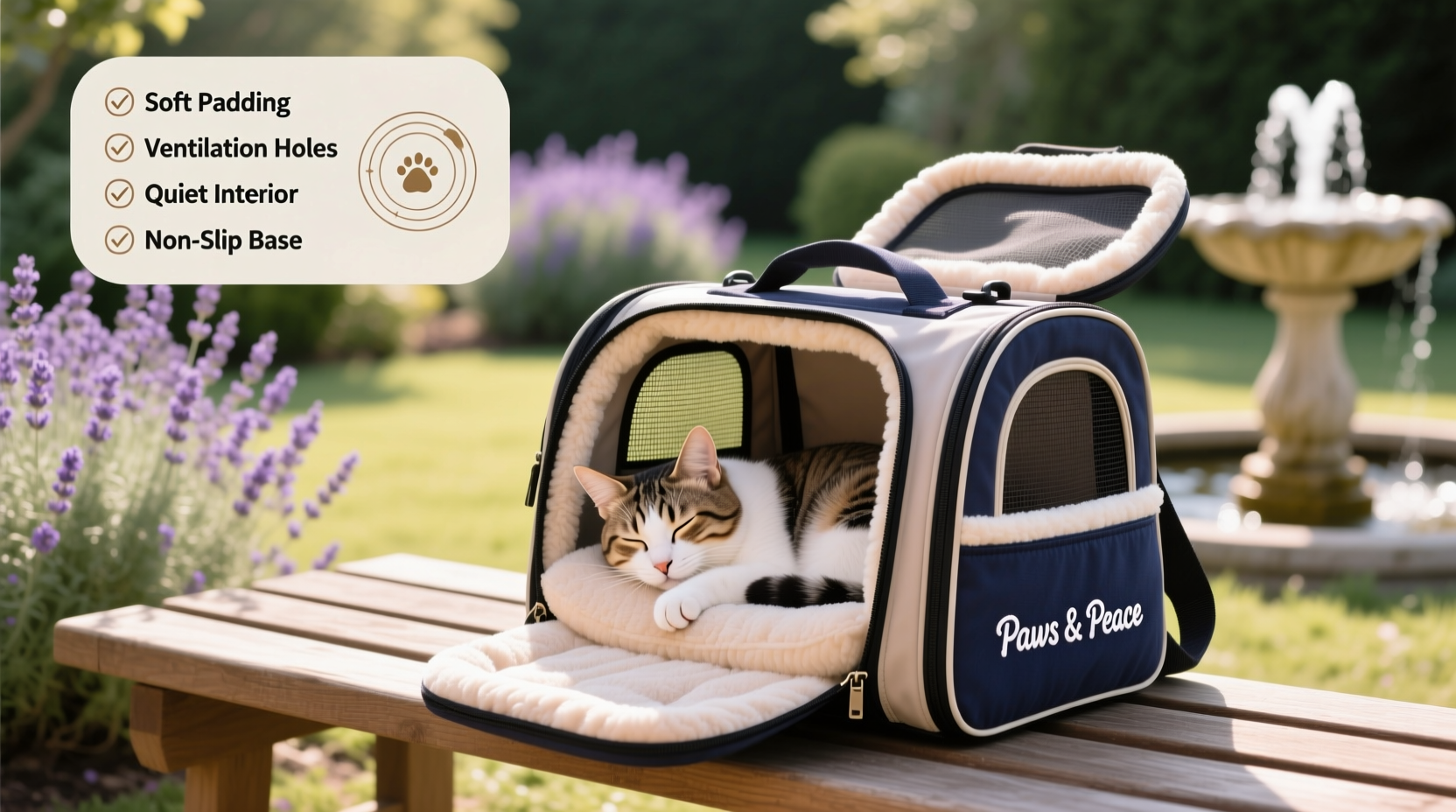
Pets rely heavily on routine and environmental cues. When placed in a carrier—especially one associated with vet visits or unfamiliar movement—they may interpret it as a threat. Common signs of stress include panting, pacing, hiding, excessive meowing or barking, drooling, and freezing. These behaviors stem from a loss of control and exposure to new sights, sounds, and smells.
According to Dr. Sophia Yin, a renowned veterinarian and animal behaviorist, “Animals don’t distinguish between ‘good’ and ‘bad’ trips. To them, being confined and moved unpredictably triggers primal fear responses.” The solution isn’t avoiding travel, but reconditioning the carrier as a positive, predictable environment.
“Animals don’t distinguish between ‘good’ and ‘bad’ trips. To them, being confined and moved unpredictably triggers primal fear responses.” — Dr. Sophia Yin, Veterinarian & Animal Behaviorist
Step-by-Step: Transforming Your Carrier into a Comfort Zone
Making a carrier cozy is more than adding a blanket—it’s about creating a multisensory experience that mimics safety. Follow this timeline to gradually acclimate your pet:
- Day 1–3: Introduce the carrier as furniture. Leave it open in a quiet corner of your home with the door unzipped. Place treats, toys, or a favorite chew inside to encourage exploration.
- Day 4–6: Add comfort layers. Line the bottom with memory foam or a soft towel. Drape a lightweight blanket over part of the top to create a den-like feel.
- Day 7–9: Incorporate familiar scents. Place an unwashed t-shirt or piece of bedding with your scent inside. Avoid strong perfumes or air fresheners.
- Day 10–12: Practice short confinement. Close the door for 5–10 minutes while offering praise and treats. Gradually increase duration.
- Day 13–14: Simulate travel. Carry the closed carrier around the house, then take it on a brief car ride with a destination that ends in something pleasant (like a walk or treat).
Essential Upgrades for Maximum Coziness
Not all carriers are created equal, but even basic models can be enhanced. Focus on these five areas to improve comfort and reduce anxiety:
- Padding and cushioning: Use a non-slip mat or orthopedic insert to support joints, especially for older pets.
- Visibility control: Cover one side with a breathable fabric drape to limit overwhelming visual stimuli.
- Airflow optimization: Ensure mesh panels are clean and unobstructed. Avoid placing blankets directly over ventilation zones.
- Scent anchoring: Rotate in items with familiar odors—your pet’s bed, a worn hoodie, or a toy they sleep with.
- Temperature regulation: In cold weather, use a thermal liner. In heat, consider a cooling pad (never gel-based unless certified non-toxic).
Do’s and Don’ts of Carrier Comfort
| Do’s | Don’ts |
|---|---|
| Use washable, machine-friendly liners | Overstuff the carrier with bulky items |
| Place the carrier on the floor during car rides for stability | Hang soft-sided carriers in moving vehicles |
| Introduce calming pheromone sprays (e.g., Feliway or Adaptil) | Use essential oils or scented candles near pets |
| Secure the carrier with a seatbelt or place it between legs | Allow pets to roam freely in the car |
| Offer water before travel, but avoid feeding 2–3 hours prior | Give sedatives without veterinary guidance |
Real-Life Example: Helping Luna the Anxious Cat
Luna, a 4-year-old domestic shorthair, would hiss and hide under the bed at the sight of her carrier. Her owner, Mark, tried forcing her in, which only worsened her reaction. After consulting a feline behavior consultant, he implemented a two-week desensitization plan.
He left the carrier open in the living room with a heated pad and catnip-stuffed mouse inside. He tossed treats near it daily. After a week, Luna began napping beside it. By day 12, she entered voluntarily for treats. On the vet day, he covered the carrier with a lavender-scented (pet-safe) cloth and carried it calmly to the car. Luna remained quiet throughout the trip—her first silent journey ever.
This case illustrates that patience and positive reinforcement often outperform physical coercion. As Mark noted, “I realized the carrier wasn’t the problem—the rush and pressure were.”
Checklist: Preparing Your Carrier for Stress-Free Travel
Before every trip, run through this checklist to ensure optimal comfort:
- ✅ Carrier is clean and free of lingering odors
- ✅ Interior has non-slip padding or a soft mat
- ✅ Familiar scent item (blanket, toy, or clothing) is inside
- ✅ Ventilation is unblocked and mesh is intact
- ✅ Carrier is secured in the car or held firmly during transit
- ✅ Collar, ID tag, and harness are properly fitted (not tangled in zippers)
- ✅ Emergency kit (treats, waste bags, leash, vet info) is packed separately
- ✅ Pet has been acclimated to the carrier in advance
Frequently Asked Questions
How can I make my pet’s carrier smell comforting?
Use items that carry your scent or your pet’s natural odor—such as a recently used blanket or sleep shirt. Avoid artificial fragrances, which can irritate respiratory systems. For added calm, lightly spray the interior with a species-specific pheromone product 15 minutes before use.
Should I cover the carrier during travel?
Yes, partially. A light, breathable cover over the top or one side reduces visual overstimulation and creates a den-like atmosphere. However, never block airflow or cover the entire carrier, especially in warm environments.
What if my pet refuses to enter the carrier, even with treats?
Start by feeding meals near the open carrier. Gradually move the food bowl inside over several days. If resistance persists, consider switching to a top-loading design or one with a removable top for easier access. Consult a trainer or vet if fear seems extreme—it could indicate underlying anxiety requiring professional support.
Final Thoughts: Turn Anxiety into Assurance
A cozy, stress-free pet carrier isn’t a luxury—it’s a necessity for responsible pet ownership. By investing time in preparation and understanding your pet’s emotional cues, you transform a potentially frightening experience into one of security and trust. The effort pays off not only in smoother vet visits but also in deeper bonding and long-term well-being.
Every small adjustment—from a padded base to a familiar scent—adds up to a calmer, more confident companion. Start today. Leave the carrier out. Add a soft touch. Let your pet explore at their own pace. Before long, that once-feared bag will become a trusted retreat, ready to go wherever life takes you both.
🚀 Your pet deserves a stress-free journey. Implement one upgrade this week and watch their confidence grow. Share your success story in the comments!








