In a world where imagination fuels discovery, few toys spark creativity like alien dinosaurs—hybrids of prehistoric wonder and interstellar mystery. These imaginative figures blend the awe of ancient reptiles with futuristic sci-fi flair, offering children endless opportunities for storytelling, problem-solving, and emotional expression. But with so many options flooding the market, selecting the right one can feel overwhelming. The ideal toy must balance safety, durability, design innovation, and developmental value. This guide breaks down what truly matters when choosing a creative alien dinosaur toy that inspires hours of meaningful play.
Why Alien Dinosaurs Captivate Young Minds
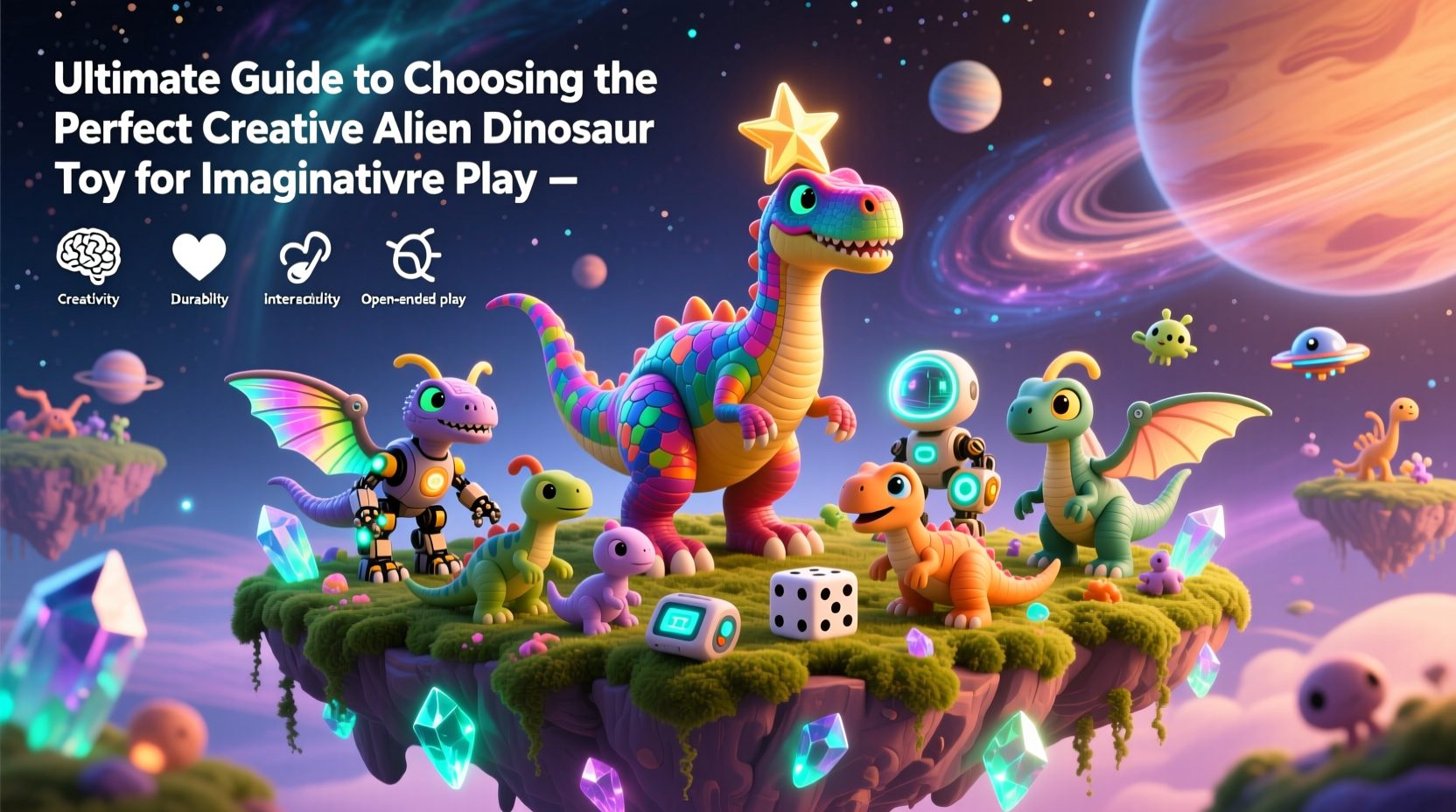
Alien dinosaurs sit at the intersection of two universally beloved themes: space exploration and prehistoric life. Children are naturally drawn to creatures that defy categorization—beings that glow, transform, or possess otherworldly abilities. These toys encourage open-ended play, where kids invent galaxies, engineer survival strategies on distant planets, and develop narratives involving friendship, conflict, and discovery.
According to Dr. Lena Patel, child development psychologist at the Institute for Play Research:
“Fantasy-based toys like alien dinosaurs stimulate cognitive flexibility. When children create worlds beyond reality, they practice empathy, language development, and systems thinking—all critical skills for future learning.” — Dr. Lena Patel, Child Development Psychologist
The fusion of biology and science fiction also introduces early scientific curiosity. Kids may begin asking questions about evolution, gravity, or ecosystems—prompted not by textbooks, but by the glowing, six-eyed Triceratops they rescued from Planet Zorblatt.
Key Features to Look For in a Creative Alien Dinosaur Toy
Not all alien dinosaurs are created equal. To ensure your selection supports both fun and growth, focus on these core attributes:
- Design Originality: Avoid generic knockoffs. Seek out unique color schemes, bioluminescent details, or modular parts (like attachable wings or magnetic limbs).
- Material Safety: Ensure compliance with ASTM F963 or EN71 safety standards. Non-toxic, BPA-free plastics and paints are essential, especially for younger children.
- Size & Proportion: Smaller figures (2–4 inches) work well for travel and collections; larger ones (6+ inches) enhance sensory engagement and role-play scenarios.
- Mobility & Articulation: Posable joints allow dynamic storytelling. Figures with movable jaws, tails, or rotating heads increase interactive potential.
- Educational Integration: Some toys include augmented reality apps, QR-coded backstories, or STEM-aligned activity guides—adding layers of learning beneath the surface fun.
Step-by-Step Guide to Selecting the Right Toy
Follow this five-step process to make a confident, informed decision:
- Determine Age Appropriateness
Check manufacturer guidelines. Under age 3, avoid small detachable parts. Ages 6–10 benefit most from complex designs and narrative depth. - Assess Play Environment
Will the toy be used at home, in classrooms, or outdoors? Rugged, waterproof materials suit active environments. - Involve the Child (When Possible)
Show them curated options and observe which designs draw their attention. Their emotional connection predicts long-term engagement. - Research Brand Ethics
Prioritize companies committed to sustainable sourcing, ethical labor practices, and recyclable packaging. - Test Before Committing
If buying in-store, check articulation smoothness, weight balance, and sound features (if applicable). Online? Read verified buyer reviews focusing on durability.
Comparison: Top Design Categories and Their Benefits
| Design Type | Best For | Pros | Cons |
|---|---|---|---|
| Glow-in-the-Dark | Nighttime play, sensory stimulation | Encourages curiosity about light/energy; calming effect in dark rooms | Limited visibility in bright settings |
| Transformable (Robot Mode) | Ages 7+ | Promotes mechanical thinking; high replay value | More fragile joints; higher price point |
| Augmented Reality Enabled | STEM-focused learners | Blends digital and physical play; educational app support | Requires device access; screen time considerations |
| Soft Plush Hybrid | Toddlers, comfort seekers | Safe for cuddling; soothing textures | Limited action features |
| Modular Build Sets | Creative builders (e.g., LEGO-style) | Boosts spatial reasoning; customizable designs | Small pieces require supervision |
Mini Case Study: How One Family Chose “Zygon the Plasma Rex”
The Rivera family wanted a new toy for their 8-year-old son, Mateo, who loved drawing alien species and reenacting epic battles with his existing dinosaur collection. After narrowing choices online, they applied the step-by-step method outlined above.
They ruled out plush options (too passive), then eliminated several AR-enabled models due to lack of iOS compatibility. One contender—a glow-in-the-dark T-Rex hybrid with magnetic tail spikes—seemed promising, but user reviews noted brittle claws.
Ultimately, they selected Zygon the Plasma Rex: a mid-sized, articulated figure with UV-reactive scales, a detachable jetpack, and a companion comic book explaining its origin on a dying moon. Mateo helped pick it during a store visit, fascinated by the color shift under blacklight. Three months later, his parents report increased storytelling complexity, use of scientific vocabulary (“ion propulsion,” “crust instability”), and collaborative play with friends.
As Maria Rivera shared: “It’s not just a toy. It’s become part of his creative identity.”
Checklist: Before You Buy Your Alien Dinosaur Toy
- ✅ Meets international safety standards (ASTM F963 / EN71)
- ✅ Free of sharp edges and choking hazards
- ✅ Made from non-toxic, eco-conscious materials
- ✅ Includes diverse features (sound, light, movement)
- ✅ Matches the child’s current interests and developmental stage
- ✅ Backed by positive, long-term user reviews
- ✅ Comes with expandable content (accessories, story cards, app integration)
Frequently Asked Questions
Are alien dinosaur toys appropriate for preschoolers?
Yes, if designed for young children. Look for soft-bodied versions, large parts, and washable surfaces. Avoid intricate electronics or small batteries. Always supervise play to prevent accidental ingestion of components.
Do these toys have educational value beyond entertainment?
Absolutely. They foster narrative development, hypothesis testing (“What would happen if this dino breathed methane?”), and even early engineering skills when assembling modular forms. Many brands now partner with educators to embed curriculum-aligned concepts in packaging and apps.
How can I encourage sustained interest in the toy?
Introduce complementary items gradually—new terrain mats, rival alien figures, or mission logs. Rotate toys monthly to maintain novelty. Encourage your child to document adventures through drawings or voice recordings, turning play into a creative archive.
Final Thoughts: Choose Imagination, Choose Impact
Selecting the perfect creative alien dinosaur toy isn’t just about aesthetics or trendiness—it’s an investment in a child’s cognitive and emotional toolkit. The best toys don’t merely entertain; they invite questions, inspire courage, and become silent collaborators in a child’s journey toward self-expression.
When you choose a toy that balances innovation with integrity, you’re not just handing over a figure made of plastic and paint. You’re launching a spaceship of possibility.
💬 Found the perfect alien dino for your little explorer? Share your story or tag a parent who’d love this guide. Let’s build a community where imagination thrives—one cosmic reptile at a time.








