
Choosing the right dog grooming accessories isn't just about convenience—it's essential for your pet’s health, comfort, and appearance. With countless products flooding online marketplaces, it's easy to feel overwhelmed. From slicker brushes to nail grinders, each tool serves a unique purpose based on breed, coat type, and temperament. This guide cuts through the noise with practical insights, expert-backed recommendations, and a clear framework to help you make informed decisions when shopping online.
Understanding Your Dog’s Grooming Needs
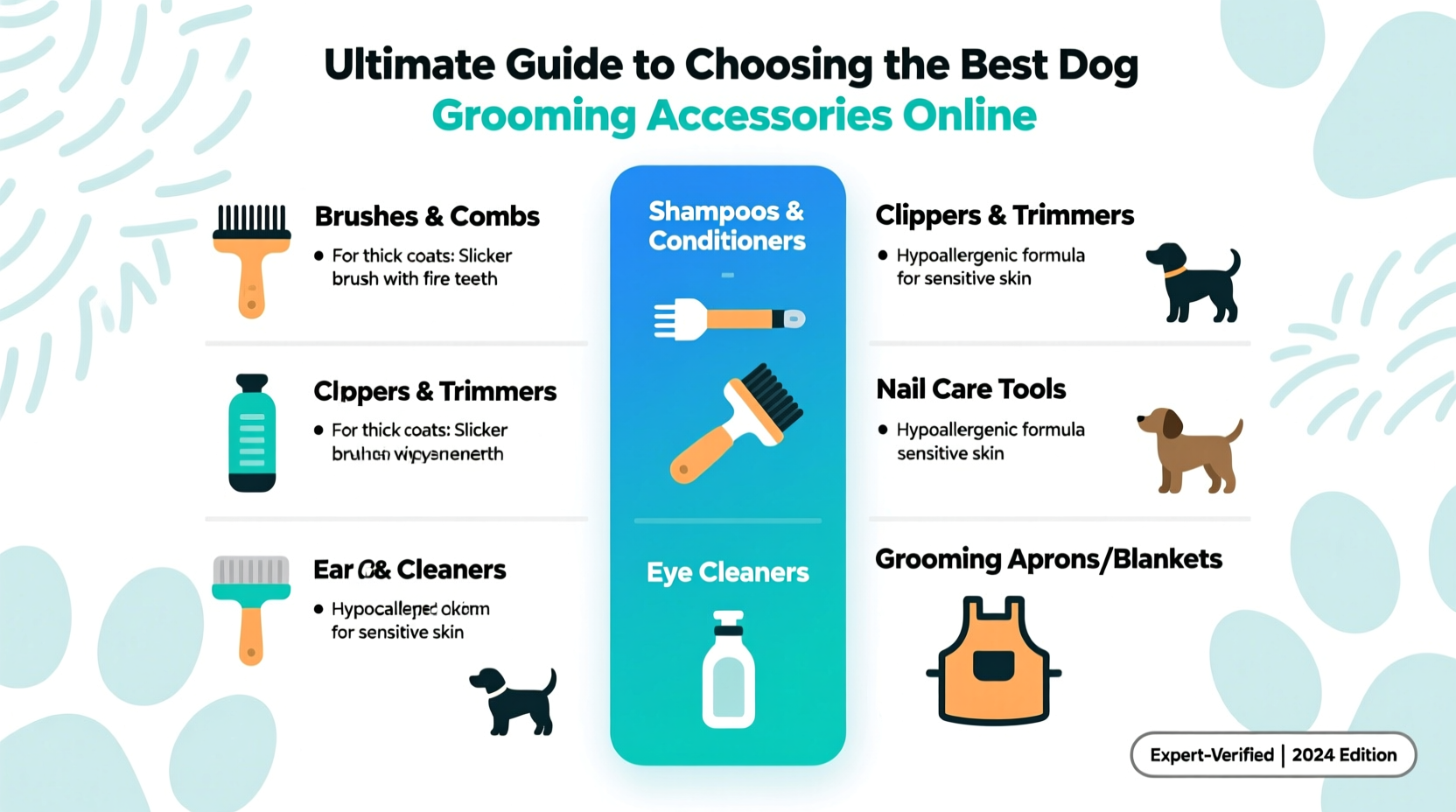
Dogs are not one-size-fits-all when it comes to grooming. A Poodle’s curly coat demands different tools than a Labrador’s short double coat. Before purchasing any accessory, assess your dog’s specific needs:
- Coat Type: Long, short, curly, wiry, or double-coated?
- Shedding Level: Heavy shedders require deshedding tools; low-shedding breeds may only need regular brushing.
- Skin Sensitivity: Some dogs have allergies or prone-to-irritation skin, requiring gentle bristles or hypoallergenic materials.
- Temperament: Nervous dogs may benefit from quieter tools like manual clippers over loud electric ones.
For example, a Siberian Husky with a thick undercoat will need an undercoat rake and a high-performance deshedder, while a Bichon Frise benefits most from a pin brush and stainless steel comb to prevent matting.
Essential Grooming Accessories and Their Functions
Every well-equipped grooming kit includes several core tools. Knowing what each does—and which ones matter most for your dog—helps avoid unnecessary purchases.
| Tool | Primary Function | Best For |
|---|---|---|
| Slicker Brush | Removes tangles, mats, and loose undercoat | Medium to long-haired breeds (e.g., Golden Retriever, Shih Tzu) |
| Pet Comb | Detects hidden mats and checks for fleas | All breeds, especially those with fine or sensitive coats |
| Undercoat Rake | Extracts dense undercoat without damaging topcoat | Double-coated breeds (e.g., German Shepherd, Samoyed) |
| Nail Clippers/Grinders | Trims nails safely to prevent overgrowth and discomfort | All dogs, particularly indoor or less active ones |
| Deshedding Tool | Reduces shedding by up to 90% with proper use | Heavy shedders (e.g., Alaskan Malamute, Beagle) |
“Using the wrong brush can damage the coat and irritate the skin. Matching the tool to the coat structure is as important as technique.” — Dr. Laura Simmons, Veterinary Dermatologist
How to Buy Grooming Tools Online: A Step-by-Step Guide
Shopping online offers convenience and variety, but it also requires diligence. Follow this sequence to ensure quality and suitability:
- Identify Your Dog’s Needs: Refer back to coat type, shedding level, and behavior.
- Read Verified Customer Reviews: Focus on reviews with photos and detailed experiences, especially from owners of similar breeds.
- Check Material Quality: Look for stainless steel blades, ergonomic handles, and rust-resistant components.
- Compare Price vs. Value: A $15 brush may seem cheap, but if it breaks in two weeks, it’s not cost-effective.
- Verify Return Policies: Ensure the retailer allows returns in case the product doesn’t suit your dog.
- Look for Bundles: Many brands offer grooming kits with multiple tools at a discount—ideal for beginners.
Real Example: Choosing Tools for a Long-Haired Dachshund
Sarah adopted Luna, a 3-year-old Wirehaired Dachshund, who had matted fur due to inconsistent grooming. Her initial attempt with a basic plastic-bristle brush only worsened tangles. After researching online, Sarah followed a structured approach:
- She identified Luna’s wiry outer coat and soft undercoat as needing detangling and thinning.
- She read reviews for slicker brushes and found one with adjustable bristle tension highly rated by Dachshund owners.
- She added a metal comb and a small-sized undercoat rake to her cart.
- She purchased a quiet nail grinder after learning Luna was afraid of loud noises.
Within three weeks of consistent use, Luna’s coat became manageable, shedding decreased, and grooming sessions turned into bonding time. Sarah’s success came not from buying the most expensive tools, but from selecting the right ones for Luna’s specific needs.
Top 5 Mistakes to Avoid When Buying Online
Even experienced pet owners fall into common traps. Steer clear of these pitfalls:
| Mistake | Why It’s Harmful | Better Approach |
|---|---|---|
| Buying generic brushes | May not address specific coat issues and cause discomfort | Select breed-specific or coat-type-targeted tools |
| Ignoring blade quality | Dull or low-grade blades can pull hair and injure skin | Opt for surgical stainless steel or ceramic blades |
| Skipping noise considerations | Loud clippers stress anxious dogs | Choose low-decibel models or manual alternatives |
| Prioritizing price over safety | Cheap tools often lack safety guards or ergonomic design | Invest in reputable brands known for pet safety |
| Not checking compatibility | Some attachments don’t fit standard clipper models | Confirm accessory compatibility before purchase |
Frequently Asked Questions
How often should I replace grooming tools?
Brushes and combs last 1–3 years with proper care. Replace them when bristles loosen or blades become dull. Nail grinders typically last longer but need regular cleaning and bit replacement every 6–12 months depending on use.
Are electric clippers safe for puppies?
Yes, if used correctly. Choose clippers designed for pets with low vibration and heat buildup. Always use guard attachments and introduce them gradually with positive reinforcement.
Can I use human hair tools on my dog?
No. Human brushes aren’t designed for thicker or coarser pet fur and may not penetrate undercoats effectively. Scissors, especially, pose a high risk of injury due to differing skin elasticity.
Grooming Accessory Checklist Before You Buy
Use this checklist to ensure you’re getting everything you need:
- ✅ Identified my dog’s coat type and grooming challenges
- ✅ Researched top-rated tools for my breed
- ✅ Read at least 5 recent customer reviews with photos
- ✅ Confirmed material quality (stainless steel, durable handle)
- ✅ Checked return policy and warranty information
- ✅ Compared bundle deals versus individual purchases
- ✅ Verified noise level for clippers or grinders
- ✅ Ensured compatibility with existing tools (if applicable)
Final Thoughts: Make Grooming a Positive Experience
The right grooming accessories do more than keep your dog looking neat—they support skin health, reduce allergens in your home, and strengthen your bond. Shopping online gives you access to expert-vetted tools that may not be available locally. By focusing on your dog’s individual needs, reading authentic reviews, and avoiding common mistakes, you can build a grooming kit that works efficiently and safely.
💬 Ready to upgrade your dog’s grooming routine? Start by reviewing one tool you currently use—research a better alternative today and see the difference quality makes.








