
Selecting a Disney plush doll isn’t just about picking a popular character or bright colors. For many children, their plush companion becomes a trusted confidant, bedtime ally, and imaginative play partner. The right choice can support emotional development, encourage storytelling, and even help ease anxiety. But with hundreds of characters—from classic princesses to modern heroes—how do you find the one that truly resonates with your child?
The key lies in aligning the plush’s traits with your child’s temperament, interests, and stage of growth. This guide walks through practical strategies, real-life examples, and expert-backed insights to help you make a thoughtful, lasting decision.
Understand Your Child’s Personality Type
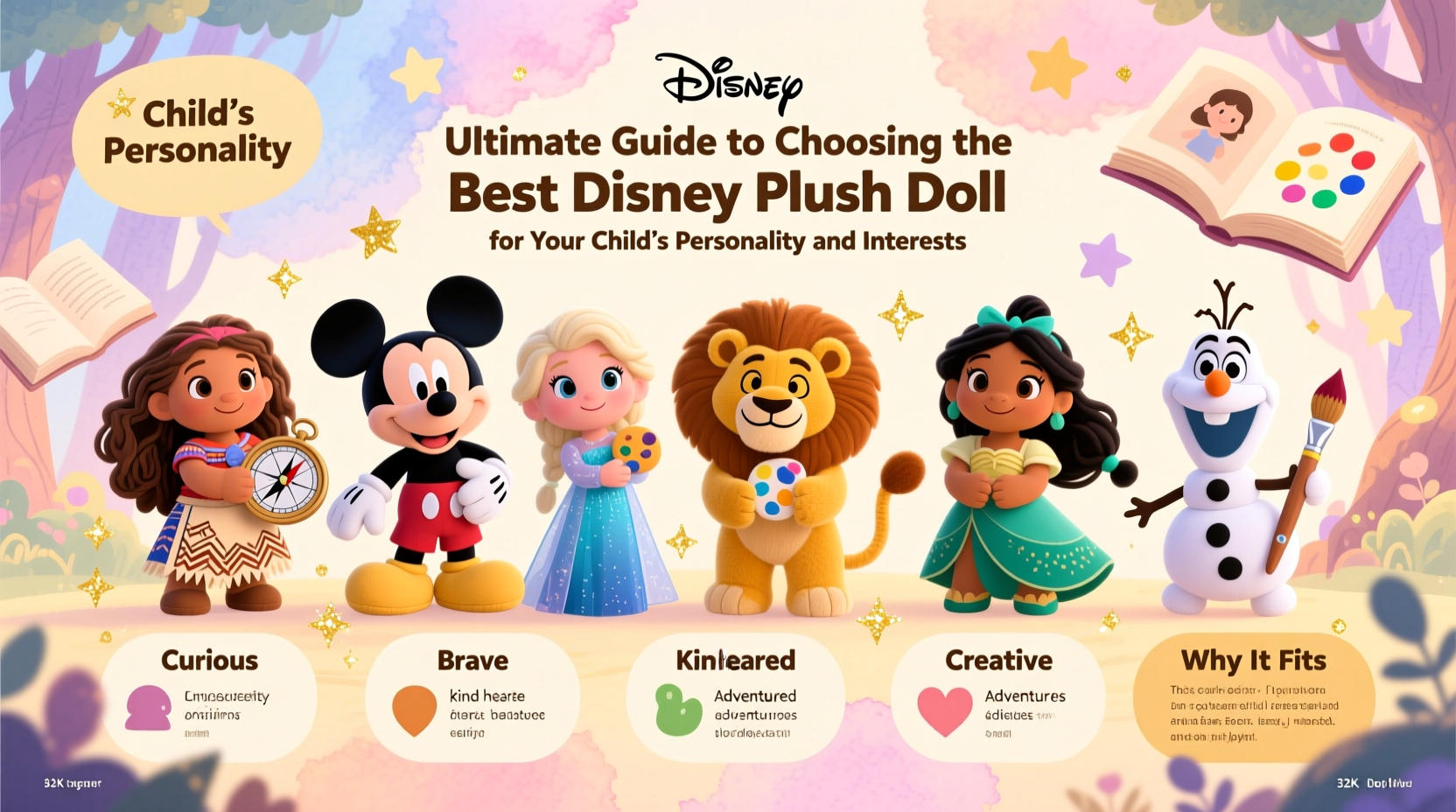
Children engage differently with toys based on their innate personalities. Some seek comfort, others adventure; some prefer quiet companionship, while others thrive on dynamic interaction. Matching a plush doll’s perceived “personality” to your child’s can deepen their connection.
- The Empathetic Child: Drawn to nurturing roles, these kids often care for dolls as if they’re real. Consider gentle characters like Winnie the Pooh, Belle, or Moana—figures associated with kindness and compassion.
- The Adventurous Explorer: If your child loves action and outdoor play, opt for resilient, bold characters such as Mulan, Simba, or Buzz Lightyear. These figures inspire courage and problem-solving.
- The Creative Storyteller: Children who invent elaborate narratives benefit from versatile characters. A set including both heroes and sidekicks—like Elsa and Olaf—can spark richer imaginative play.
- The Shy or Anxious Child: Soft, non-threatening plushes like Dory, Pascal (Rapunzel’s chameleon), or Baymax provide calming presence without overwhelming energy.
Align the Plush with Your Child’s Interests
Beyond personality, consider what themes captivate your child. Interest-based plush selection enhances engagement and makes the toy more meaningful.
For example, a child obsessed with ocean life may form a deeper bond with Nemo or Ariel than with a space-themed character. Similarly, fans of music and performance might connect strongly with Tiana or Miguel from *Coco*.
| Child’s Interest | Suitable Disney Plush Characters | Why It Works |
|---|---|---|
| Nature & Animals | Mowgli, Pocahontas, Rafiki | These characters model respect for wildlife and ecosystems, reinforcing values the child already appreciates. |
| Science & Space | WALL-E, Buzz Lightyear, STEM-themed Mickey | Encourages curiosity and futuristic thinking through relatable, science-positive figures. |
| Fantasy & Magic | Merida, Maleficent (soft versions), Sorcerer Mickey | Supports magical play and exploration of mythical worlds. |
| Music & Dance | Tiana, Miguel, Snow White | Characters linked to songs and rhythm invite sing-along play and emotional expression. |
Step-by-Step Guide to Choosing the Right Plush
Follow this five-step process to ensure your selection is both joyful and functional:
- Observe Play Patterns: Note whether your child prefers solo storytelling, role-playing with others, or sensory play (e.g., hugging, carrying).
- Identify Favorite Themes: Is it royalty, bravery, friendship, or humor? Ask open-ended questions like, “What kind of hero would you want to be friends with?”
- Check Age-Appropriate Features: For toddlers, prioritize durability, washability, and safety (no small parts). Older kids may appreciate collectible details or interactive elements.
- Test Material Preferences: Some children dislike certain textures. Fleece, velour, and short-pile plush feel different—consider letting your child touch samples if shopping in-store.
- Evaluate Emotional Resonance: Present a few options and observe reactions. Do their eyes light up? Do they start talking to the doll immediately? That’s a strong sign.
Expert Insight on Emotional Attachment to Toys
Toys are more than objects—they serve as emotional anchors during childhood development. Experts emphasize the psychological value of plush companions.
“Children often project their feelings onto soft toys, using them as safe outlets for expressing fear, joy, or confusion. A well-chosen plush can become a tool for emotional regulation.” — Dr. Lena Torres, Child Psychologist and Author of *Playful Minds*
This insight underscores why matching a plush to a child’s inner world matters. A character who embodies resilience, like Hercules, might subtly reinforce perseverance in a child facing social challenges. One representing empathy, like Lilo with her love for Stitch, can nurture inclusivity.
Mini Case Study: How a Plush Helped a Child Adjust to School
Sophie, age 5, struggled with separation anxiety when starting kindergarten. Her parents noticed she repeatedly chose videos featuring Anna from *Frozen*, particularly scenes where Anna supports Elsa despite fear.
They gifted her an Anna plush before school began. Each morning, Sophie would say, ���Anna’s brave, so I’ll be brave too.” She kept the doll in her cubby and referred to it during circle time when nervous. Within six weeks, her anxiety had significantly decreased.
The success wasn’t just about liking Anna—it was about identifying with her courage and loyalty. The plush became a symbolic bridge between comfort and confidence.
Essential Checklist Before Buying
Before finalizing your choice, run through this checklist to ensure quality and suitability:
- ✅ Is the plush made from hypoallergenic, non-toxic materials?
- ✅ Are facial features embroidered (not plastic) for toddler safety?
- ✅ Can it be machine-washed or easily spot-cleaned?
- ✅ Does the character reflect positive values (kindness, resilience, teamwork)?
- ✅ Is the size appropriate? (Small enough to carry, large enough to hug.)
- ✅ Does it align with your child’s current emotional or developmental needs?
FAQ: Common Questions About Disney Plush Dolls
At what age is a Disney plush doll appropriate?
Most Disney plushes are designed for ages 3 and up due to small parts or detailed accessories. However, baby-safe versions (with embroidered eyes and reinforced seams) are available for infants. Always check the label for age recommendations.
How do I clean a Disney plush doll safely?
Most can be spot-cleaned with mild soap and water. For machine washing, place the plush in a pillowcase, use cold water on a gentle cycle, and air-dry completely. Avoid bleach or dryers, which can damage fabrics and print details.
Can a plush doll really influence my child’s behavior?
Indirectly, yes. While a plush won’t “teach” behavior on its own, it acts as a conduit for modeling. When a child pretends their Moana plush leads a voyage, they’re practicing leadership and decision-making. The character’s traits become part of their imaginative framework.
Make the Moment Meaningful
Choosing a Disney plush doll is more than a shopping task—it’s an opportunity to understand your child better. By considering not just what they like, but who they are, you give them more than a toy. You offer a companion that validates their feelings, fuels their imagination, and grows alongside them.
Whether it’s a daring superhero, a gentle forest dweller, or a singing princess, the best plush reflects the unique magic within your child. Take the time to listen, observe, and connect. The right choice will be met with a hug, a whispered secret, or a bedtime story told just for that doll—and those moments are priceless.
💬 Found the perfect Disney plush for your child? Share your story in the comments—your experience could guide another parent making the same heartfelt choice.








