
Bringing a dog into your life is one of the most rewarding decisions you can make. Dogs offer companionship, loyalty, and joy, but adopting one requires thoughtful preparation. Whether you're a first-time pet owner or expanding your furry family, the process of finding the right dog and preparing your home sets the foundation for a lifelong bond. This guide walks you through every step—from researching shelters nearby to welcoming your new companion with confidence.
Step 1: Assess Your Lifestyle and Choose the Right Dog
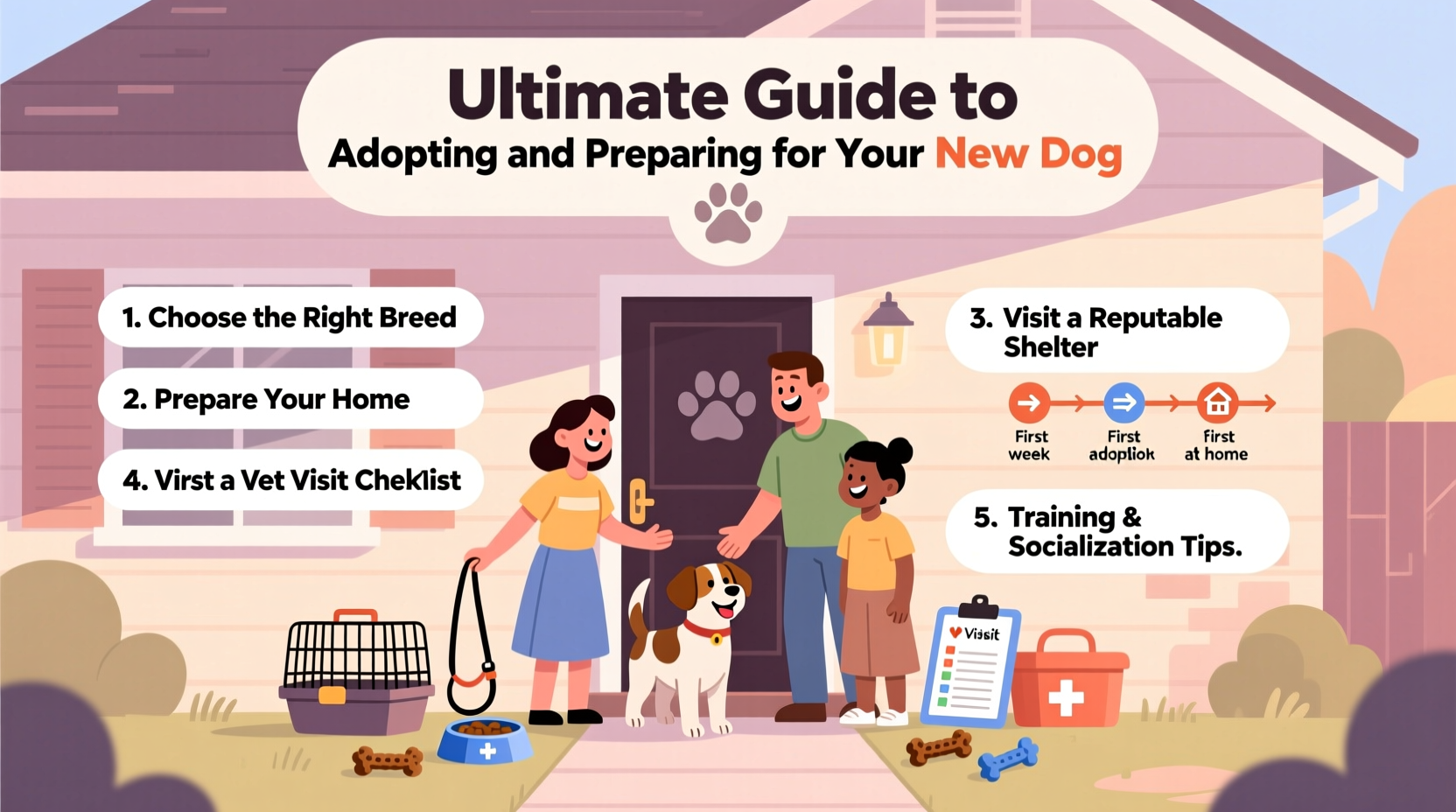
Dogs are not one-size-fits-all. Different breeds, sizes, ages, and temperaments suit different living situations. Before visiting any shelter, take time to reflect on your daily routine, activity level, and household dynamics.
- Active individuals or families may thrive with high-energy breeds like Border Collies or Australian Shepherds.
- Seniors or apartment dwellers might prefer calm, smaller dogs such as Cavalier King Charles Spaniels or older rescue dogs.
- Families with children should prioritize gentle, patient breeds known for being kid-friendly, like Golden Retrievers or Basset Hounds.
Shelters often provide behavioral assessments, so ask staff about a dog’s energy level, training history, and socialization skills. Don’t fall solely for appearance—compatibility matters most.
Step 2: Find Reputable Shelters and Rescue Groups Near You
Start your search locally. Use online directories like Petfinder, Adopt-a-Pet, or the ASPCA’s adoption tool to filter dogs by breed, age, and location. Visit shelters in person to interact with available dogs and observe their environment.
When evaluating a shelter, look for:
- Clean, well-maintained facilities
- Knowledgeable, compassionate staff
- Transparency about a dog’s medical and behavioral history
- Vaccination, spay/neuter, and microchipping policies
“Adopting from a reputable rescue ensures the dog has been vetted for health and temperament, reducing surprises down the road.” — Dr. Lena Torres, DVM and Shelter Medicine Specialist
Local vs. National Rescue Networks
| Factor | Local Shelters | National Rescues |
|---|---|---|
| Availability | Wider variety of mixed breeds and local strays | Often breed-specific (e.g., Greyhound or Poodle rescues) |
| Adoption Process | Faster turnaround; same-day adoptions possible | More rigorous screening, including home checks |
| Support After Adoption | Limited follow-up unless specified | Ongoing support and rehoming guarantees if needed |
Step 3: Prepare Your Home Before Bringing Your Dog Home
A smooth transition begins before the dog arrives. Puppies and rescue dogs alike need a safe, structured environment to reduce stress and prevent accidents.
Dog-Proofing Essentials
- Secure loose electrical cords and hide outlets.
- Store cleaning supplies, medications, and toxic foods (like chocolate or xylitol) out of reach.
- Block off unsafe areas (basements, garages) with baby gates.
- Remove small objects that could be swallowed.
Must-Have Supplies Checklist
Checklist: Gather these items before adoption day:- Dog food (ask the shelter for brand info to maintain continuity)
- Collar with ID tag and sturdy leash
- Comfortable bed or crate pad
- Food and water bowls (stainless steel recommended)
- Chew toys and puzzle feeders
- Poop bags and enzymatic cleaner for accidents
- Brush and grooming tools
- Microchip registration details
Step 4: The First 30 Days – Building Trust and Routine
The initial month is critical for bonding and setting expectations. Dogs thrive on consistency, especially those coming from uncertain backgrounds.
First 72 Hours: Minimize Stress
- Limit visitors and loud noises.
- Let the dog explore one room at a time.
- Stick to the shelter’s feeding schedule initially.
- Use positive reinforcement—treats, praise, gentle touch—for calm behavior.
Weeks 2–4: Establish Structure
- Set fixed times for meals, walks, and bathroom breaks.
- Begin basic training: sit, stay, come, and leash walking.
- Schedule a vet visit within the first week to confirm health and discuss vaccinations or parasite prevention.
- Introduce other pets slowly, using neutral territory and leashed supervision.
“My rescue terrier was terrified of stairs. For two weeks, I carried him up and down while rewarding him with treats. By day 21, he ran up on his own.” — Sarah M., dog owner from Portland, ORTip: Use a pheromone diffuser (like Adaptil) to help ease anxiety during the adjustment period.
Step 5: Long-Term Success – Training, Health, and Integration
Adoption isn’t complete when the dog comes home—it’s the beginning of a shared journey. Ongoing care ensures your dog remains happy, healthy, and well-behaved.
Invest in Training
Even well-socialized dogs benefit from obedience classes. Group training builds confidence and strengthens your communication. Look for positive-reinforcement-based programs in your area.
Veterinary Care Schedule
| Life Stage | Vet Visits | Key Focus Areas |
|---|---|---|
| Puppy (0–6 months) | Every 3–4 weeks | Vaccinations, deworming, socialization |
| Adult (1–7 years) | Annual checkups | Dental health, weight management, bloodwork |
| Senior (7+ years) | Biannual visits | Joint health, organ function, cancer screening |
Build a Support Network
Connect with local dog owners through parks, training groups, or apps like Nextdoor. A strong community helps with pet-sitting, advice, and socialization opportunities.
Frequently Asked Questions
How long does it take for an adopted dog to adjust?
Most dogs begin to settle within two to four weeks, though some may take up to three months. The “honeymoon phase” (calm behavior) may last a few days, followed by testing boundaries as they gain confidence.
Should I adopt a puppy or an adult dog?
Puppies require intensive training and supervision but offer the chance to shape behavior early. Adult dogs often have established manners and lower energy, making them ideal for busy or less active households.
What if my adopted dog has behavioral issues?
Many rescue dogs have experienced trauma. Work with a certified trainer or veterinary behaviorist. Never use punishment—positive reinforcement builds trust and corrects behavior more effectively.
Conclusion: Your Journey Begins Now
Adopting a dog is not just about giving a pet a home—it's about gaining a loyal companion who will enrich your life in countless ways. With thoughtful preparation, patience, and love, you can create a safe, joyful environment where your new best friend thrives. The steps you take today—researching, preparing, and committing—will echo through years of walks, cuddles, and shared memories.
🚀 Ready to start your adoption journey? Search for shelters near you tonight, make a list of supplies, and open your heart. Your perfect dog is waiting.








