Fleas are more than just a nuisance—they're relentless parasites that can quickly turn your home into a breeding ground. If your cat is scratching constantly or you’ve spotted tiny black specks in their fur, you’re likely dealing with an infestation. The good news? With the right strategy, you can eliminate cat fleas from your house fast and ensure they don’t return. This guide delivers a comprehensive, step-by-step approach combining immediate action with long-term prevention.
Understanding the Flea Life Cycle
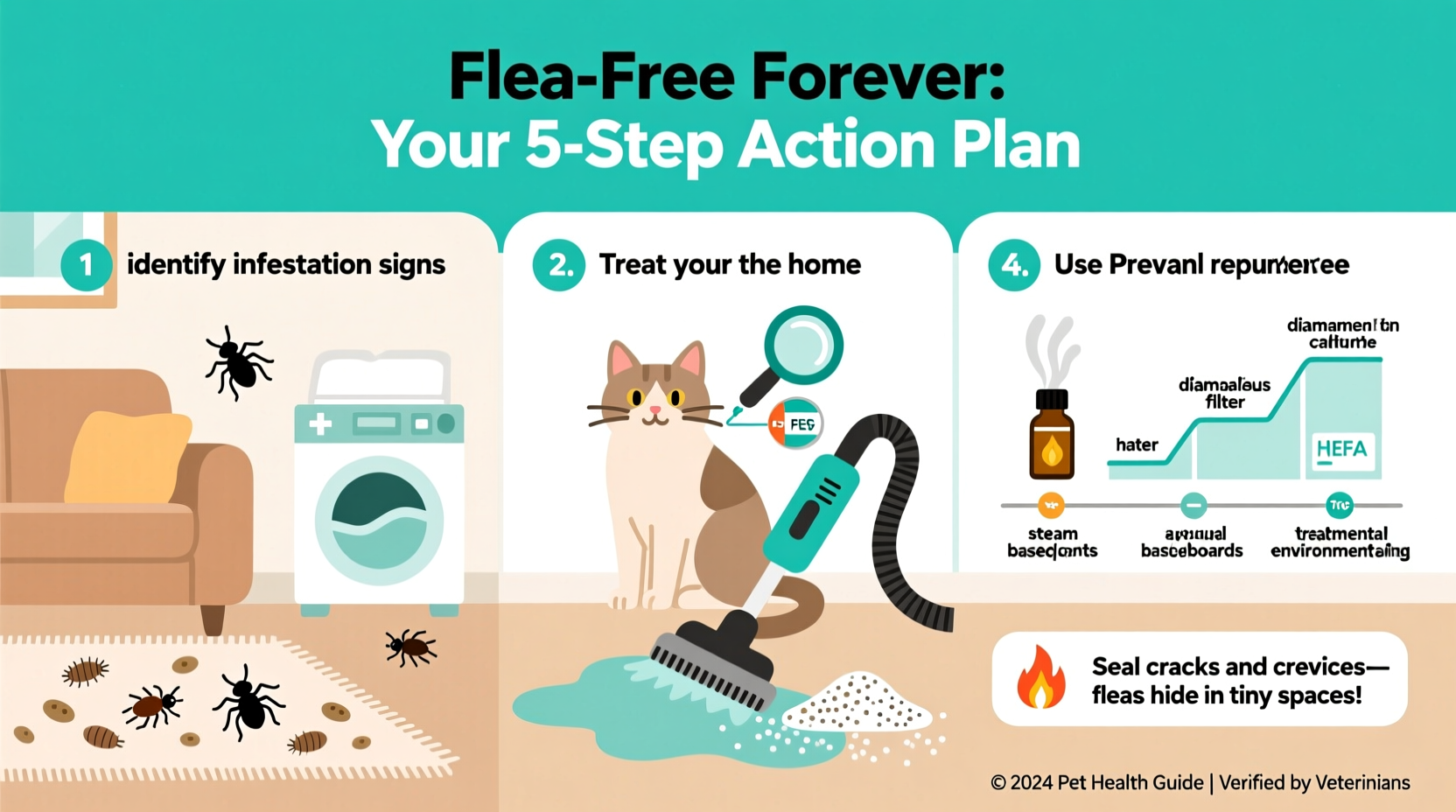
To defeat fleas, you must understand them. A flea’s life cycle consists of four stages: egg, larva, pupa, and adult. Only about 5% of the population in your home are adult fleas—the rest are eggs, larvae, and pupae hiding in carpets, furniture, and floor cracks. This hidden majority is why most DIY attempts fail; treating only the pet leaves 95% of the problem untouched.
Eggs hatch within 1–10 days, depending on temperature and humidity. Larvae feed on organic debris and adult flea feces (called “flea dirt”), then spin cocoons and enter the pupal stage. Pupae can remain dormant for months, waiting for vibrations, heat, or carbon dioxide to signal a host is near. This resilience makes timing critical—your treatment must disrupt every stage simultaneously.
“Effective flea control isn’t about killing what you see—it’s about breaking the entire life cycle before it restarts.” — Dr. Karen Thompson, DVM, Parasitology Specialist
Immediate Action Plan: Eliminate Fleas in 7 Days
Speed matters. Fleas reproduce rapidly—one female can lay up to 50 eggs per day. To stop an infestation in its tracks, follow this 7-day timeline:
- Day 1: Treat your cat with a vet-approved topical or oral flea medication. Never use dog products on cats—they can be fatal.
- Day 1–2: Vacuum every room thoroughly, especially baseboards, under furniture, and pet bedding. Dispose of the vacuum bag or empty the canister in a sealed plastic bag outside.
- Day 2: Wash all bedding, blankets, and washable fabrics in hot water (at least 130°F).
- Day 3: Apply a household flea treatment containing both an insecticide (to kill adults) and an Insect Growth Regulator (IGR) like methoprene or pyriproxyfen (to stop eggs and larvae).
- Day 4–6: Repeat vacuuming daily. Vacuuming triggers pupae to emerge, making them vulnerable to treatment.
- Day 7: Reapply pet treatment if required (check product instructions). Monitor your cat for signs of improvement.
Choosing the Right Flea Treatment Products
Not all flea treatments are equal. Some target only adults, while others disrupt the full life cycle. The key is using products that combine immediate knockdown with lasting protection.
| Product Type | Best For | Pros | Cons |
|---|---|---|---|
| Vet-prescribed oral meds (e.g., nitenpyram) | Fast adult kill (within 30 mins) | Safe, rapid relief | No residual protection |
| Topical treatments (e.g., selamectin) | Ongoing monthly prevention | Kills adults, larvae; lasts 30 days | Can stain fabrics; avoid touching |
| Spray with IGR + insecticide | Household infestations | Breaks life cycle; safe when dry | Must reapply after cleaning |
| Diatomaceous earth (food-grade) | Natural option for carpets | Non-toxic; kills by dehydration | Slow acting; needs reapplication |
Avoid over-the-counter foggers unless absolutely necessary. Many are ineffective against pupae and can pose health risks if misused. Instead, opt for targeted sprays applied directly to high-risk zones: beneath furniture, along baseboards, and in pet sleeping areas.
Long-Term Prevention: Keep Fleas Away for Good
Eliminating fleas is one battle. Winning the war means preventing their return. Fleas often reappear because homeowners stop treatment too soon or skip environmental control.
- Maintain year-round flea prevention for your cat, even in winter. Indoor heating allows fleas to thrive year-round.
- Vacuum twice weekly as part of your routine. This removes eggs and stimulates pupae to emerge so they can be killed.
- Wash pet bedding weekly in hot water. Replace old, damaged bedding that traps flea residue.
- Seal gaps in flooring where larvae can hide. Use caulk or carpet tape along edges.
- Monitor your cat monthly using a flea comb. Check behind ears, under legs, and along the tail.
Real-Life Case: How One Family Cleared a Severe Infestation
The Rivera family adopted a stray cat last spring. Within weeks, they noticed bites on their ankles and constant scratching from their new pet. They tried a store-bought flea collar and spot treatment but saw no improvement after two weeks.
After consulting their vet, they learned the collar was ineffective and the spot treatment hadn’t been reapplied. They followed a strict 7-day protocol: treated the cat with a prescription topical, vacuumed daily, washed all fabrics, and used an IGR-based spray. By day 10, no new fleas were found. They continued monthly prevention and bi-weekly vacuuming. Six months later, their home remains flea-free.
Their success came not from a single product, but from attacking every stage of the life cycle—and sticking with the plan.
Do’s and Don’ts of Flea Control
| Do | Don’t |
|---|---|
| Treat all pets in the home simultaneously | Use dog flea products on cats |
| Vacuum before applying sprays for better penetration | Rely solely on home remedies like essential oils (many are toxic to cats) |
| Follow product label instructions precisely | Overuse pesticides—more isn’t better |
| Call a pest control pro for severe infestations | Delay treatment hoping it will resolve on its own |
Frequently Asked Questions
How do I know if the fleas are gone?
Wait at least two weeks after your final treatment. Use a white paper test: comb your cat over a sheet of white paper. Flick any debris onto the paper and add a few drops of water. Flea dirt (feces) will dissolve into a reddish-brown ring, confirming blood content. No debris or rings mean the infestation is likely over.
Can fleas live without a pet in the house?
Yes—but only temporarily. Adult fleas need blood to survive and typically die within a week without a host. However, eggs, larvae, and pupae can persist for months in carpets and furniture. Without a host, they eventually die off, but reintroducing a pet (or person) can trigger hatching.
Are natural remedies effective?
Some, like food-grade diatomaceous earth, can help reduce populations when used correctly. But they are not sufficient alone for active infestations. Essential oils (e.g., tea tree, eucalyptus) are dangerous for cats and should never be used. Stick to vet-approved solutions for reliable results.
Final Checklist: Your 10-Step Flea Eradication Plan
- Confirm fleas with a flea comb or vet visit.
- Treat your cat with a vet-recommended product.
- Vacuum all floors, furniture, and car interiors.
- Dispose of vacuum contents in a sealed bag outside.
- Wash all pet bedding and fabric items in hot water.
- Apply a household flea spray with IGR to high-risk areas.
- Repeat vacuuming every day for a week.
- Re-treat your cat as directed (usually after 30 days).
- Inspect your home weekly for signs of return.
- Enroll your cat in year-round flea prevention.
Stay Proactive, Stay Flea-Free
Getting rid of cat fleas fast requires urgency, precision, and persistence. But the real victory lies in prevention. By understanding the flea life cycle, using the right products, and maintaining simple routines, you can protect your home and your pet for good. Fleas don’t stand a chance against a well-informed, consistent defense.
💬 Have a flea success story or tip? Share your experience below and help other pet owners reclaim their homes—once and for all.








