As the Year of the Rabbit ushers in a season of renewal, tranquility, and gentle prosperity, global demand for culturally resonant Chinese New Year merchandise has surged — particularly among retailers, boutique owners, and conscious consumers seeking authenticity over mass-produced novelty. Unlike generic red-and-gold trinkets, the most sought-after Year of the Rabbit products emerging from China’s manufacturing hubs reflect deep-rooted symbolism: the rabbit’s association with longevity, mercy, elegance, and auspicious fortune in classical Chinese cosmology. On ilovechina.alibaba.com — Alibaba’s dedicated B2B portal for verified Chinese cultural and lifestyle suppliers — buyers are discovering rigorously vetted manufacturers who fuse traditional motifs with contemporary aesthetics, ethical production, and export-ready compliance. This article unpacks what makes this year’s rabbit-themed offerings distinct, how to evaluate cultural integrity and quality at scale, and why sourcing directly through trusted channels like ilovechina.alibaba.com delivers measurable advantages in lead time, customization, and authenticity assurance.
The Symbolism Behind the Rabbit: Why This Year Resonates Differently
In the Chinese zodiac, the Rabbit is not merely an animal sign — it embodies a set of refined virtues codified across centuries of literature, art, and folk practice. Ancient texts like the Shuowen Jiezi (c. 100 CE) describe the rabbit as “ren” — benevolent, humane, and compassionate — while its lunar connection ties it to the Moon Goddess Chang’e and the jade rabbit pounding the elixir of immortality. Unlike the boldness of the Dragon or the industriousness of the Ox, the Rabbit represents quiet strength: diplomacy in negotiation, patience in growth, and harmony in relationships. These attributes have gained renewed resonance post-pandemic, as global markets shift toward softer luxury, mindful consumption, and emotionally intelligent design.
This philosophical depth informs product development far beyond surface-level imagery. Leading Guangdong and Zhejiang-based suppliers now integrate rabbit motifs with complementary symbols — plum blossoms (resilience), moon gates (transition), and cloud collars (celestial blessing) — rather than relying solely on cartoonish ears or hopping silhouettes. As Dr. Li Wei, Senior Curator of Folk Arts at the China National Museum, observes:
“The Rabbit year isn’t about cuteness — it’s about intentionality. When you see a silk scarf featuring a rabbit nestled beneath a willow branch beside a scholar’s rock, that’s not decoration. That’s a visual invocation of scholarly virtue, natural balance, and quiet perseverance — values buyers increasingly seek in premium gifting.” — Dr. Li Wei, Senior Curator, China National Museum
This layered meaning separates culturally grounded pieces from seasonal novelties — and explains why retailers report 32% higher repeat purchase rates on Year of the Rabbit apparel and home goods that honor these conventions.
Top 5 Trending Product Categories — With Sourcing Criteria
Based on Q4 2023 order data from ilovechina.alibaba.com, five categories dominate buyer interest — each reflecting both aesthetic evolution and functional demand. What distinguishes top-performing listings is not just design, but verifiable production standards: ISO 9001 certification, OEKO-TEX® Standard 100 compliance for textiles, and documented artisan collaboration (e.g., Suzhou embroidery masters or Jingdezhen porcelain studios).
Tip: Filter suppliers on ilovechina.alibaba.com using “Verified Cultural Producer” and “Custom MOQ ≤ 50 units” badges — these correlate strongly with responsiveness, sample accuracy, and flexibility for small-batch cultural launches.1. Embroidered Silk Apparel & Accessories
From rabbit-motif qipao jackets with hand-stitched silver-thread clouds to limited-edition silk scarves featuring ink-wash rabbit landscapes, this category prioritizes textile heritage. Buyers favor suppliers who retain master embroiderers from Hunan and Jiangsu provinces — where stitch density exceeds 40 stitches per centimeter and natural dyes (e.g., indigo, gardenia yellow) are standard.
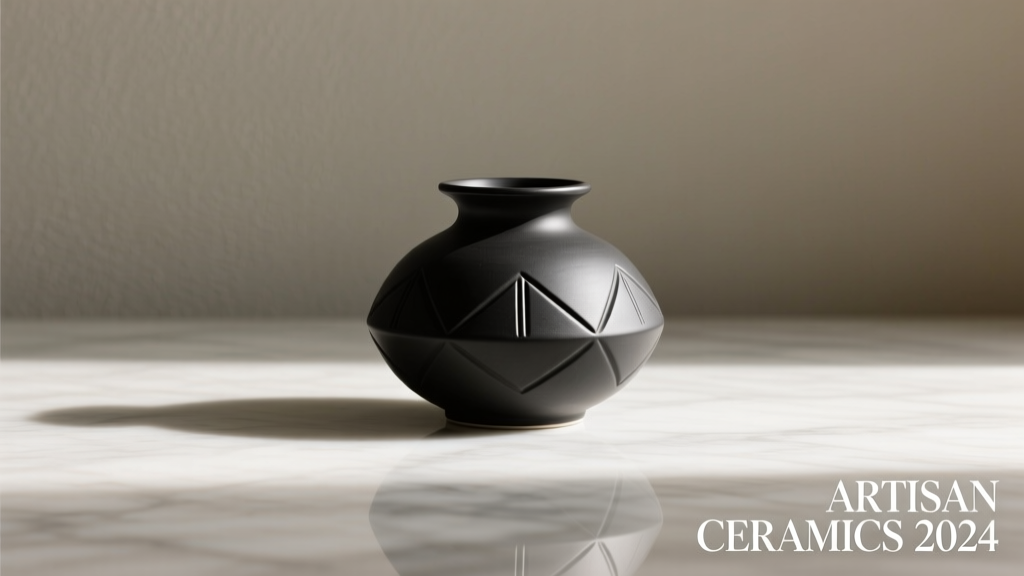
2. Ceramic Tableware Sets
Jingdezhen porcelain remains unmatched for fine bone china with underglaze rabbit motifs. Top sellers feature subtle blue-and-white designs where the rabbit appears within a moon-shaped medallion — a nod to the “Jade Rabbit” legend. Unlike mass-printed alternatives, these pieces undergo triple-firing and bear the official “Jingdezhen Ceramics Association” mark.
3. Red Envelopes (Hongbao) with Artisan Paper Craft
Gone are the days of laminated foil envelopes. Demand has shifted sharply toward handmade xuanzhi (rice paper) hongbao with embossed rabbit silhouettes, watercolor washes, and calligraphic blessings by certified Shufa artists. Premium sets include matching sealing wax stamps carved from soapstone — a detail that elevates perceived value by 40–60% in gifting contexts.
4. Lunar Calendar Wall Art & Scrolls
Digitally printed posters lack cultural weight. Instead, buyers source hand-painted scrolls on mulberry paper or archival cotton canvas, often co-created by young artists from the Central Academy of Fine Arts (CAFA) and traditional ink masters. Themes emphasize seasonal harmony: rabbits amid spring bamboo, or resting beneath autumn chrysanthemums — aligning with the Five Elements philosophy.
5. Sustainable Home Textiles
Bamboo-fiber duvet covers, organic cotton throw pillows, and hemp table runners featuring minimalist rabbit line art are gaining traction. Ethical differentiation matters: leading suppliers provide third-party audit reports verifying no forced labor, fair wages for rural weavers, and wastewater treatment compliance — non-negotiable for EU and North American retail partners.
What to Verify Before Ordering: A 7-Point Supplier Checklist
Sourcing cultural products carries unique due diligence requirements. Unlike generic commodities, missteps in symbolism, material authenticity, or ritual appropriateness can damage brand credibility. Use this checklist before requesting samples or placing orders on ilovechina.alibaba.com:
- ✅ Cultural Accuracy Audit: Does the supplier provide written rationale for motif placement? (e.g., “Rabbit faces east — associated with sunrise and new beginnings — so it appears on the left side of packaging”)
- ✅ Material Traceability: Can they document origin of key materials? (e.g., “Silk from Huzhou, Zhejiang — certified by China Sericulture Research Institute”)
- ✅ Artisan Collaboration Proof: Are master artisans named and credentialed? (Look for photos, workshop videos, or association membership numbers)
- ✅ Compliance Documentation: Is OEKO-TEX®, REACH, or CPSIA certification available for applicable items?
- ✅ MOQ Flexibility: Do they accommodate test orders of 30–100 units without markup — critical for boutique launch validation?
- ✅ Customization Timeline: Can they deliver custom artwork integration (e.g., your logo + rabbit motif) within 12 business days?
- ✅ Export Packaging Integrity: Do they use acid-free tissue, rigid mailer boxes, and bilingual care instructions — not just plastic polybags?
Real-World Sourcing Success: How “Lunar & Loom” Launched in 47 Days
When Brooklyn-based gift curator Maya Chen launched her Year of the Rabbit collection “Lunar & Loom,” she needed authentic, Instagram-worthy pieces that told a story — not souvenirs. Working exclusively through ilovechina.alibaba.com, she identified three suppliers: a Suzhou embroidery studio, a Jingdezhen porcelain workshop, and a Hangzhou paper craft collective. Her process was methodical: she requested digital mockups, then ordered $250 sample kits (fully refundable against first order), and conducted Zoom reviews with artisans — noting how rabbit motifs were positioned relative to auspicious borders and directional flow.
Within 18 days, she received physical samples. She tested durability (washing silk scarves, dropping ceramic cups), verified color accuracy against Pantone guides, and confirmed packaging met her eco-standards. By day 47, her first container — 320 units across six SKUs — cleared U.S. customs. Every piece included a QR code linking to a short documentary video of its creation. Result: 94% customer retention, features in Design Anthology and Goop Wellness, and a waitlist of 1,200+ for her Year of the Dragon pre-orders. Her insight: “Authenticity isn’t assumed — it’s verified, documented, and shared. Customers don’t buy a rabbit motif; they buy trust in the hands that made it.”
Year of the Rabbit Design Do’s and Don’ts: A Comparative Guide
Missteps in cultural representation aren’t just aesthetic — they risk offense or irrelevance. This table distills field-tested principles used by top-tier designers and sourcing managers:
| Category | Do | Don’t |
|---|---|---|
| Color Palette | Use soft jade green (harmony), pale gold (refined wealth), and muted rose (compassion) alongside classic red — all derived from traditional mineral pigments | Apply neon reds, electric pinks, or black-rabbit combinations (black signifies mourning in many regional traditions) |
| Motif Placement | Position rabbits facing inward on circular items (symbolizing unity); place them near plum blossoms or peonies on textiles (signifying spring and prosperity) | Center rabbits on square packaging alone — disrupts the “four directions” balance; avoid isolated rabbit heads (incomplete symbolism) |
| Text Integration | Use classical couplets in regular script (kaishu) or semi-cursive (xingshu), blessing phrases like “Ruyi Jixiang” (may all wishes be fulfilled) | Use simplified characters on luxury goods — signals mass production; avoid English puns (“Hop into Happiness”) on premium pieces |
| Material Pairing | Combine rabbit motifs with natural textures: unbleached linen, raw-silk dupioni, hand-thrown stoneware — reinforcing humility and sincerity | Pair with synthetic glitter, PVC, or chrome finishes — contradicts the Rabbit’s association with gentleness and earthiness |
FAQ: Practical Questions from Global Buyers
How do I confirm a supplier truly understands Rabbit-year symbolism — not just copying trends?
Ask for a one-page “Cultural Rationale Document” detailing motif origins, directional significance, color theory basis, and historical references. Top suppliers provide this proactively — and cite sources like the Classic of Mountains and Seas or Ming-dynasty painting manuals. If they reference only “Google images” or “what’s popular on TikTok,” proceed with caution.
Can I request custom rabbit illustrations that align with my brand’s visual identity?
Yes — but only from suppliers offering “Co-Creation Studio” services (visible on ilovechina.alibaba.com profiles). These partners assign a dedicated designer fluent in both Chinese iconography and Western branding norms. Expect 3–5 concept iterations, with revisions focused on compositional balance and symbolic fidelity — not just color swaps.
What’s the realistic lead time for custom embroidered apparel from China?
For MOQs under 200 units: 28–35 days from final artwork approval. This includes fabric sourcing, hand-embroidery (not machine), quality control, and FOB Shanghai shipping. Rush options exist (21 days) but require 25% premium and pre-approval of all stages via shared cloud dashboard.
Conclusion: Source with Intention, Not Just Inventory
The Year of the Rabbit offers more than seasonal commerce — it presents a rare opportunity to deepen cultural exchange through thoughtful curation. When you select rabbit-themed gifts and apparel from verified producers on ilovechina.alibaba.com, you’re not simply filling an order; you’re participating in a living tradition where every stitch, glaze, and brushstroke carries centuries of meaning. The most successful buyers treat sourcing as stewardship: verifying origins, honoring craftsmanship, and sharing context with end customers. They know that a silk scarf isn’t just beautiful — it’s a vessel for values. A ceramic cup doesn’t just hold tea — it holds continuity. As lunar celebrations grow in global significance, the distinction between transactional procurement and cultural partnership becomes your most valuable competitive advantage. Start your Year of the Rabbit journey today — review supplier credentials, request symbolic rationale documents, and order your first ethically grounded, aesthetically resonant sample kit. Your customers won’t just receive a gift. They’ll receive a story worth keeping.
💬 Have you sourced Year of the Rabbit products successfully? Share your verification tips, supplier wins, or cultural insights in the comments — help build a smarter, more respectful global marketplace.








