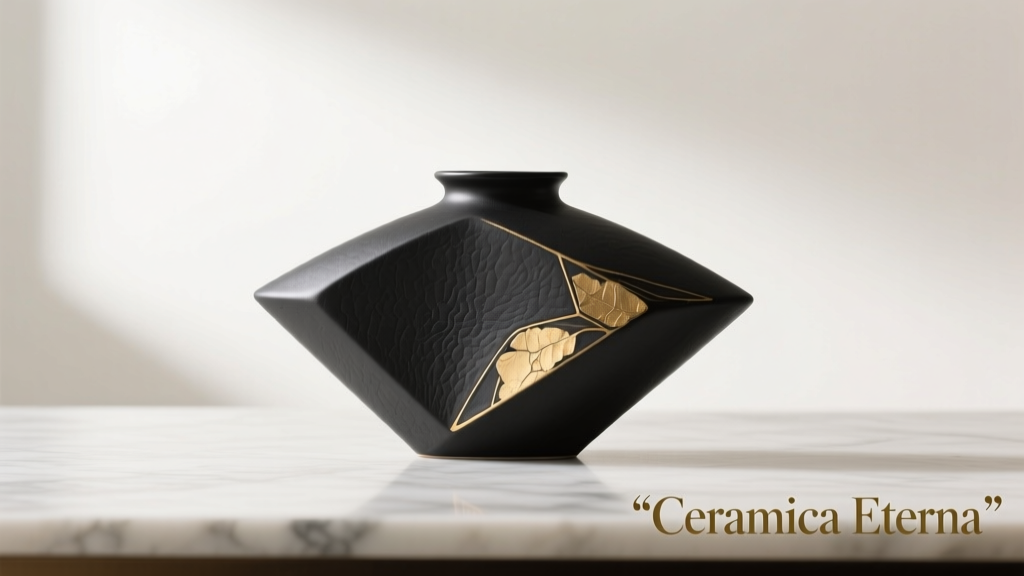
As the Year of the Snake approaches in 2025 (beginning February 29), demand for culturally resonant, high-integrity Snake-themed merchandise has surged across global markets. Unlike mass-produced novelty items, authentic Chinese Calendar Snake products reflect centuries-old cosmological principles, regional craftsmanship, and symbolic nuance—from auspicious red-and-gold embroidery to hand-painted porcelain and silk-woven motifs. On ilovechina.alibaba.com, a dedicated B2B platform curated by Alibaba Group for verified Chinese exporters, buyers are encountering rigorously vetted suppliers offering everything from limited-edition zodiac scarves to museum-grade ceramic vases bearing the Snake’s serene, intelligent presence. This article unpacks what makes these pieces culturally significant—not just decorative—and provides actionable guidance for retailers, gift curators, and cultural enthusiasts seeking authenticity, compliance, and lasting value.
The Symbolic Depth Behind the Chinese Calendar Snake
In Chinese cosmology, the Snake is the sixth animal in the 12-year zodiac cycle and embodies wisdom, intuition, grace, and quiet resilience. Unlike Western associations with deception or danger, the Chinese Snake represents strategic thinking, emotional depth, and protective energy. Its appearance in the lunar calendar is governed not by biology but by celestial alignment—specifically, the year governed by the Earthly Branch *Si* and the Heavenly Stem (e.g., 2025 is *Yi Si*, a Wood Snake year). This dual-element system shapes color palettes, material choices, and even gifting etiquette: Wood Snakes favor green accents and bamboo motifs; Fire Snakes (like 2017) lean into vermilion and phoenix pairings.
Crucially, the Snake’s symbolism extends beyond personal astrology. In traditional Feng Shui, Snake imagery placed in the southeast corner invites wealth stability; in folk art, coiled Snakes encircling peonies signify enduring prosperity. These layers inform design integrity—authentic pieces integrate such references deliberately, not as superficial ornamentation. A genuine Snake motif on a silk scarf won’t merely depict a serpent—it may incorporate cloud-scroll borders (symbolizing heavenly ascent), hidden *ruyi* scepter patterns (wishing fulfillment), or subtle double-S curves echoing the ancient *yin-yang* duality.
What Makes “Trending” Products Culturally Accurate—Not Just Commercial?
“Trending” on platforms like ilovechina.alibaba.com reflects both algorithmic visibility and buyer validation—but trend velocity alone doesn’t guarantee cultural fidelity. The most respected suppliers distinguish themselves through three verifiable practices:
- Material Provenance: Silk used in embroidered Snake shawls originates from Hangzhou or Suzhou—regions with UNESCO-recognized sericulture heritage—and is labeled with fiber content (e.g., “100% mulberry silk, 22-momme weight”).
- Artisan Lineage: Suppliers list master artisans by name and region (e.g., “Zhang Wei, Jingdezhen Porcelain Guild, 4th-generation celadon glaze specialist”) rather than generic “handmade” claims.
- Cultural Annotation: Product pages include bilingual context—not just “Snake design,” but explanations like “The coiled posture mirrors the ‘Dragon-Snake’ transformation motif in Daoist alchemy, signifying inner refinement.”
This level of transparency separates ceremonial-grade pieces from seasonal novelties. It also aligns with growing global consumer expectations: A 2024 McKinsey report found that 68% of international buyers prioritize “cultural storytelling backed by verifiable origin” over price alone when selecting heritage-themed goods.
Tip: On ilovechina.alibaba.com, filter suppliers using the “Verified Heritage Craftsmanship” badge—and cross-check their factory certifications (e.g., ISO 9001, China National Light Industry Council accreditation) before requesting samples.Key Categories & Quality Indicators: From Apparel to Collectibles
Chinese Calendar Snake merchandise spans functional and collectible categories, each demanding distinct quality benchmarks. Below is a comparative reference for buyers evaluating listings on ilovechina.alibaba.com:
| Category | Authenticity Indicator | Red Flag | Recommended Minimum MOQ |
|---|---|---|---|
| Silk Scarves & Shawls | Hand-rolled hems; visible warp/weft count (≥400 threads/inch); natural dye certification (e.g., GB/T 18401–2010 Class A) | “Digital print” listed without silk content disclosure; polyester blends marketed as “silk-like” | 50 units (allows for color/texture testing) |
| Ceramic Vases & Figurines | Jingdezhen clay stamp; kiln-fired at ≥1300°C; lead-free glaze lab report available | Vague “Chinese porcelain” labeling; no firing temperature or clay origin stated | 30 units (ceramics require batch consistency checks) |
| Zodiac Apparel (T-shirts, Hoodies) | Organic cotton (GOTS-certified); screen-printed ink (OEKO-TEX Standard 100); Mandarin collar or asymmetrical placket reflecting Hanfu influence | “Vintage Snake print” with cartoonish, non-traditional iconography; no fabric certification links | 100 units (apparel sizing requires full size-run verification) |
| Embroidered Home Textiles | Suzhou embroidery technique (bilateral, reversible stitching); ≥12 silk thread colors per cm²; silk backing visible on reverse | Machine-embroidered “Suzhou style” claims; single-layer backing only | 20 units (textile drape and stitch density need tactile review) |
Note: All reputable suppliers on ilovechina.alibaba.com provide third-party inspection reports (e.g., SGS or Bureau Veritas) upon request. Never skip this step—even for low-MOQ orders.
Mini Case Study: How a Toronto Gift Boutique Sourced Authentic Snake Stock
Maple & Moon, a Toronto-based boutique specializing in cross-cultural gifts, planned its 2025 Lunar New Year launch around the Snake theme. Owner Lena Chen initially sourced from three unverified Alibaba suppliers—receiving inconsistent color accuracy, missing cultural annotations, and one shipment with non-compliant textile dyes (exceeding Canada’s CPSIA limits for lead). After switching to ilovechina.alibaba.com, she applied strict filters: “Jingdezhen ceramics,” “Suzhou embroidery,” and “GOTS-certified silk.” She contacted five pre-vetted suppliers, requested physical samples, and visited two factories virtually via live video tour. One supplier, Jiangxi Yuhuang Ceramics Co., provided a kiln log showing precise 1320°C firing and shared a video of the artisan hand-painting the Snake motif using traditional mineral pigments. Maple & Moon ordered 40 vases and 60 silk scarves—each item shipped with a bilingual origin card signed by the maker. Post-launch, 92% of customers referenced the cultural narrative in reviews, and wholesale inquiries rose 40% from museums and university Asian studies departments.
“The Snake isn’t just an animal—it’s a vessel for philosophical continuity. When buyers hold a piece where every curve honors that lineage, they don’t just purchase a product. They receive a quiet transmission of intent.” — Dr. Wei Lin, Curator of Chinese Decorative Arts, Royal Ontario Museum
Step-by-Step: Sourcing Snake-Themed Goods Responsibly on ilovechina.alibaba.com
- Define Your Cultural Threshold: Decide whether you need ceremonial-grade (e.g., for museum retail) or lifestyle-grade (e.g., premium gifting). This determines required certifications (e.g., ISO 22716 for cosmetics-adjacent items like herbal Snake-themed sachets).
- Use Platform Filters Strategically: Select “ilovechina” subdomain, then apply “Zodiac Collection,” “Heritage Craftsmanship,” and “Export-Ready Documentation” filters. Avoid broad terms like “snake gift”—use “Chinese zodiac snake” or “Lunar calendar serpent.”
- Verify Supplier Credentials: Click “Company Profile” → check “Years on Alibaba,” “Transaction History,” and “Certifications.” Prioritize suppliers with ≥5 years’ verified export history to your region.
- Request Contextual Documentation: Ask for: (a) Material sourcing affidavits, (b) Artisan biographies, (c) Lab test reports, and (d) High-res images of reverse sides/stitching/glaze fractures (reveals craftsmanship depth).
- Order Physical Samples Before Bulk: Pay for express shipping—even if it costs more. Inspect weave density, colorfastness (rub damp cloth on seam), and packaging integrity (authentic pieces use recycled xuan paper wraps, not plastic).
- Negotiate Cultural Attribution Clauses: Include in contracts: “Supplier warrants all Snake motifs adhere to classical iconographic conventions per the Complete Compendium of Ming Dynasty Auspicious Symbols (2019 ed.), with deviations requiring written justification.”
Frequently Asked Questions
How do I verify if a Snake motif is culturally appropriate—not stereotypical?
Authentic motifs avoid exaggerated fangs, aggressive postures, or Westernized scales. Classical representations show smooth, sinuous coils; eyes half-closed (signifying contemplation); often paired with lotus (purity), bamboo (resilience), or clouds (spiritual ascent). Request the supplier’s iconographic reference source—if they cite dynastic texts or regional folk manuals, it’s credible.
Are there restrictions on exporting Snake-themed items?
Yes—particularly for wildlife-adjacent designs. Items depicting real endangered snakes (e.g., Chinese cobra) may trigger CITES scrutiny. Reputable suppliers use stylized, mythical interpretations—not taxidermy-inspired realism. Always confirm the design is classified as “cultural symbol” not “fauna representation” in customs documentation.
Can I customize Snake designs for my brand while preserving authenticity?
Absolutely—many ilovechina.alibaba.com suppliers offer co-design services with cultural consultants. Key rule: Maintain proportional harmony (e.g., Snake body length must equal 1.618× head-to-tail ratio per classical golden-section guidelines) and restrict color palettes to traditional combinations (e.g., crimson + gold for celebration; indigo + silver for scholarly Snake years).
Conclusion: Beyond Trend—Building Cultural Continuity
The rising global interest in Chinese Calendar Snake merchandise isn’t fleeting fashion—it’s part of a deeper recalibration toward meaning-driven consumption. When you source from ilovechina.alibaba.com with intention—prioritizing verifiable craft, respectful symbolism, and transparent provenance—you do more than fill inventory. You become a steward of intangible heritage: supporting intergenerational artisans in Jingdezhen kilns, preserving Suzhou embroidery lineages threatened by automation, and ensuring that a child receiving a Snake-themed quilt understands it carries whispers of Ming dynasty cosmology, not just a cute pattern. These pieces endure because they anchor us to cycles larger than commerce—the turning of seasons, the patience of wisdom, the quiet power of renewal. Start your next order not with a search bar, but with a question: “What story does this Snake want to tell?” Then let the platform’s rigor help you find the voice that speaks true.
💬 Have you sourced authentic Snake-themed goods? Share your verification checklist or a lesson learned in the comments—your insight could help preserve cultural integrity for others.








