Self-care is more than bubble baths and scented candles—it’s a deliberate practice of honoring your emotional, mental, and physical needs. One of the most powerful ways to cultivate self-worth is through intentional self-gifting. Choosing gifts for yourself isn’t indulgence; it’s recognition. It signals that you matter, your comfort matters, and your well-being is worth investing in.
Thoughtful self-gifts go beyond materialism. They are purposeful choices that align with your values, soothe your nervous system, or spark genuine joy. Whether it’s a journal to process emotions, a cozy blanket for comfort, or a quiet morning ritual, these gestures reinforce self-respect and create ripples of positivity in daily life.
The Psychology Behind Self-Gifting
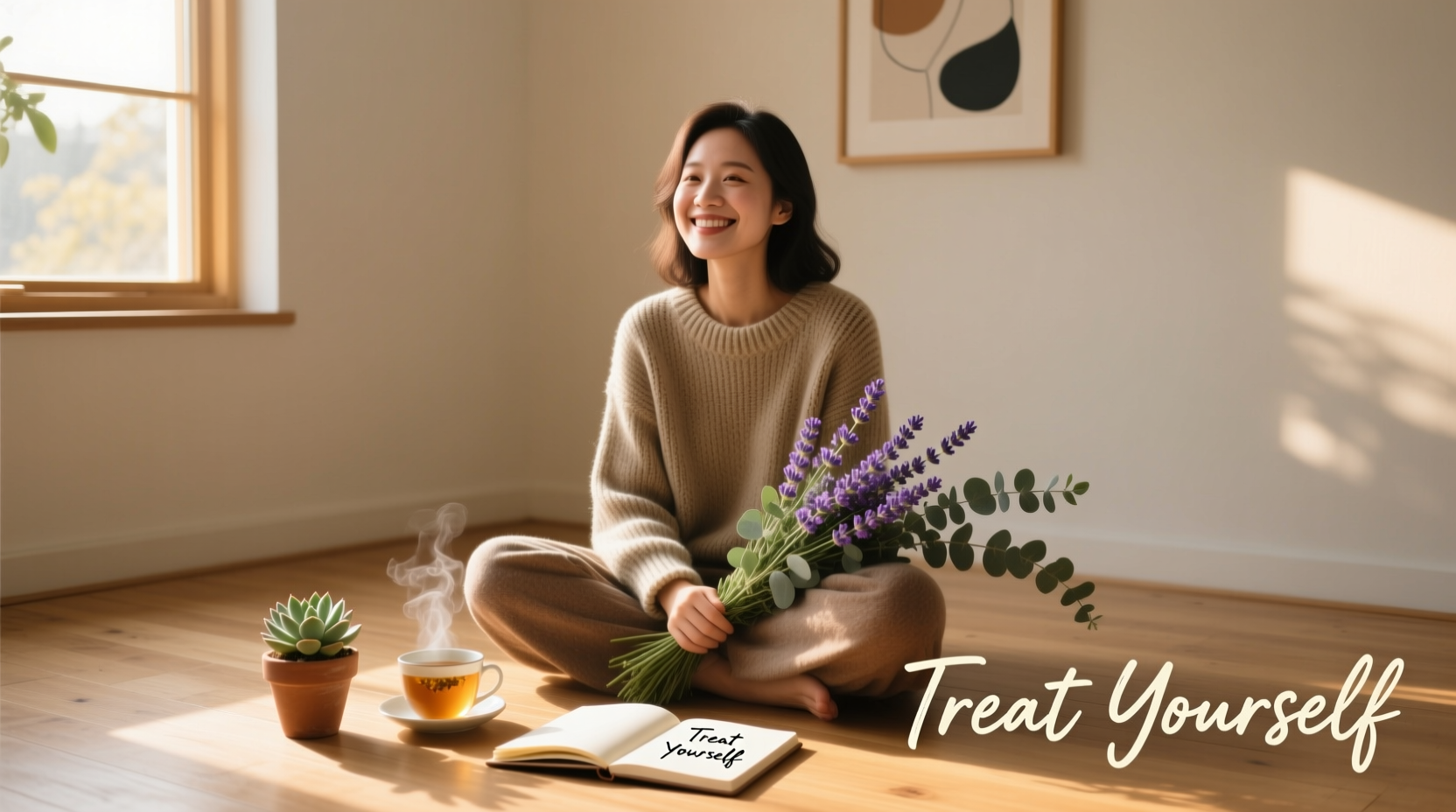
Giving to oneself activates the same reward centers in the brain as receiving gifts from others. According to Dr. Kristen Neff, a leading researcher in self-compassion, “Acts of kindness toward the self reduce shame and increase emotional resilience.” When you treat yourself with care, you rewire your inner dialogue from criticism to compassion.
Self-gifting also combats the cultural myth that prioritizing oneself is selfish. In reality, people who practice consistent self-kindness report higher energy levels, better relationships, and improved focus. By meeting your own needs, you become more present and available for others—not drained by resentment or burnout.
“Self-care is how you take your power back. Every small gift you give yourself says: I am worthy of attention, time, and beauty.” — Dr. Aria Williams, Clinical Psychologist
Choosing Meaningful Self-Gifts: A Framework
Not all self-gifts are created equal. The most impactful ones address deeper needs—connection, safety, creativity, or rest—rather than fleeting dopamine hits. Consider this framework when selecting a gift:
- Emotional Nourishment: Gifts that help you feel seen or soothed (e.g., a therapy journal, guided meditation app subscription).
- Sensory Comfort: Items that engage the senses to calm the nervous system (weighted blanket, essential oil diffuser).
- Personal Growth: Tools that support learning or skill-building (online course, language app membership).
- Creative Expression: Materials that invite play and imagination (art supplies, musical instrument, blank sketchbook).
- Ritual Enhancement: Objects that elevate daily routines (ceramic tea set, luxury soap, silk pillowcase).
Top 10 Thoughtful Self-Gifts for Lasting Joy
| Gift | Purpose | Why It Works |
|---|---|---|
| Leather-bound journal | Emotional processing | Writing reduces anxiety and increases self-awareness. |
| Weighted eye mask | Sleep quality | Deep pressure calms the nervous system for deeper rest. |
| Indoor plant (e.g., peace lily) | Mindfulness & responsibility | Nurturing life fosters patience and presence. |
| Sound bath meditation pass | Stress relief | Vibrational frequencies reset mental fatigue. |
| Fragrance diffuser with lavender oil | Anxiety reduction | Lavender has clinically proven calming effects. |
| Hand-knit throw blanket | Sensory comfort | Tactile warmth triggers feelings of safety. |
| Monthly book subscription | Mental stimulation | Reading enhances empathy and cognitive flexibility. |
| Silicone stretching mat | Physical well-being | Regular movement improves mood and energy. |
| Custom playlist compilation service | Emotional resonance | Music regulates emotion and memory recall. |
| Unscheduled day off | Mental recovery | Time without agenda restores creative capacity. |
A Personal Journey: How Self-Gifting Changed Maya’s Outlook
Maya, a 34-year-old project manager, spent years dismissing her need for rest. She believed productivity defined her worth. After a panic attack triggered by chronic overwork, she committed to a 30-day self-gifting experiment.
Each week, she gave herself one intentional gift. Week one: a noise-canceling headset for focused work and decompression. Week two: a handwritten letter to her younger self, placed in a velvet pouch. Week three: a solo walk in the botanical gardens every Sunday morning. Week four: a digital detox weekend with only books and tea.
By the end, Maya noticed shifts. She felt less reactive at work. Her sleep improved. Most importantly, she began speaking to herself with kindness instead of criticism. “I used to think taking time for myself was lazy,” she shared. “Now I see it as maintenance. Like charging a battery. You can’t run on empty forever.”
Step-by-Step: Building a Self-Gifting Ritual
Creating a sustainable self-gifting practice doesn’t require grand gestures. Start small and build consistency. Follow this five-step process:
- Assess Your Current State: Journal for three days about how you’re feeling physically, emotionally, and mentally. Identify patterns (e.g., fatigue, irritability, creative block).
- Define Your Need: Translate feelings into needs. Tiredness may signal a need for rest; boredom may point to a need for novelty.
- Select a Gift That Matches: Choose something tangible or experiential that directly supports that need. For rest: a sleep mask. For novelty: a pottery class.
- Schedule the Experience: Don’t just buy it—use it. Block time in your calendar to enjoy the gift fully.
- Reflect and Adjust: After using it, note how you feel. Did it meet your need? Would you do it again? Refine your approach over time.
Do’s and Don’ts of Thoughtful Self-Gifting
| Do’s | Don’ts |
|---|---|
| Align gifts with your values (e.g., sustainability, creativity) | Use spending to avoid difficult emotions |
| Include non-material gifts like time or silence | Feel guilty for prioritizing yourself |
| Rotate gifts monthly to maintain freshness | Compare your self-care to others’ |
| Wrap your gift—even if it’s small—to honor the moment | Expect immediate transformation; healing is gradual |
FAQ
Isn’t buying things for myself just consumerism?
It depends on intent. Consumerism seeks distraction or status. Thoughtful self-gifting is rooted in awareness and care. If your purchase addresses a real need and brings lasting value—not just a fleeting high—it’s self-support, not excess.
What if I can’t afford anything?
Self-gifts don’t have to cost money. A 20-minute walk in nature, a handwritten list of things you appreciate about yourself, or saying “no” to an extra commitment are all valid forms of self-giving. The key is intentionality.
How often should I treat myself?
There’s no fixed rule. Some find rhythm in weekly micro-gifts (e.g., a favorite tea on Sunday). Others prefer monthly meaningful gestures. Tune into your energy. When you feel depleted or disconnected, that’s often a sign it’s time to give back to yourself.
Conclusion: Make Self-Worth Visible
Treating yourself with thoughtful gifts isn’t vanity—it’s validation. Each act of self-kindness strengthens your relationship with yourself. Over time, these moments accumulate into a life where you feel seen, nurtured, and whole.
Start today. Pick one small way to honor your presence. Buy the notebook you’ve been eyeing. Take the afternoon off. Light the candle just because. These gestures aren’t frivolous; they’re foundational. When you consistently show up for yourself, joy isn’t occasional—it becomes a habit.
🚀 Your turn: What’s one self-gift you’ll give yourself this week? Share it in the comments and inspire others to practice the art of kind self-reception.








