
Seeing a translucent or glassy appearance at the base of your front teeth can be alarming. Unlike healthy, opaque enamel, transparency—especially near the biting edges or along the lower portion of incisors—is often a sign of enamel erosion. While it may not cause pain initially, it signals underlying dental wear that, if left unaddressed, can lead to sensitivity, decay, and structural weakening. Understanding why this happens and what you can do about it is essential for preserving both function and aesthetics.
What Causes Teeth to Become Transparent at the Bottom?
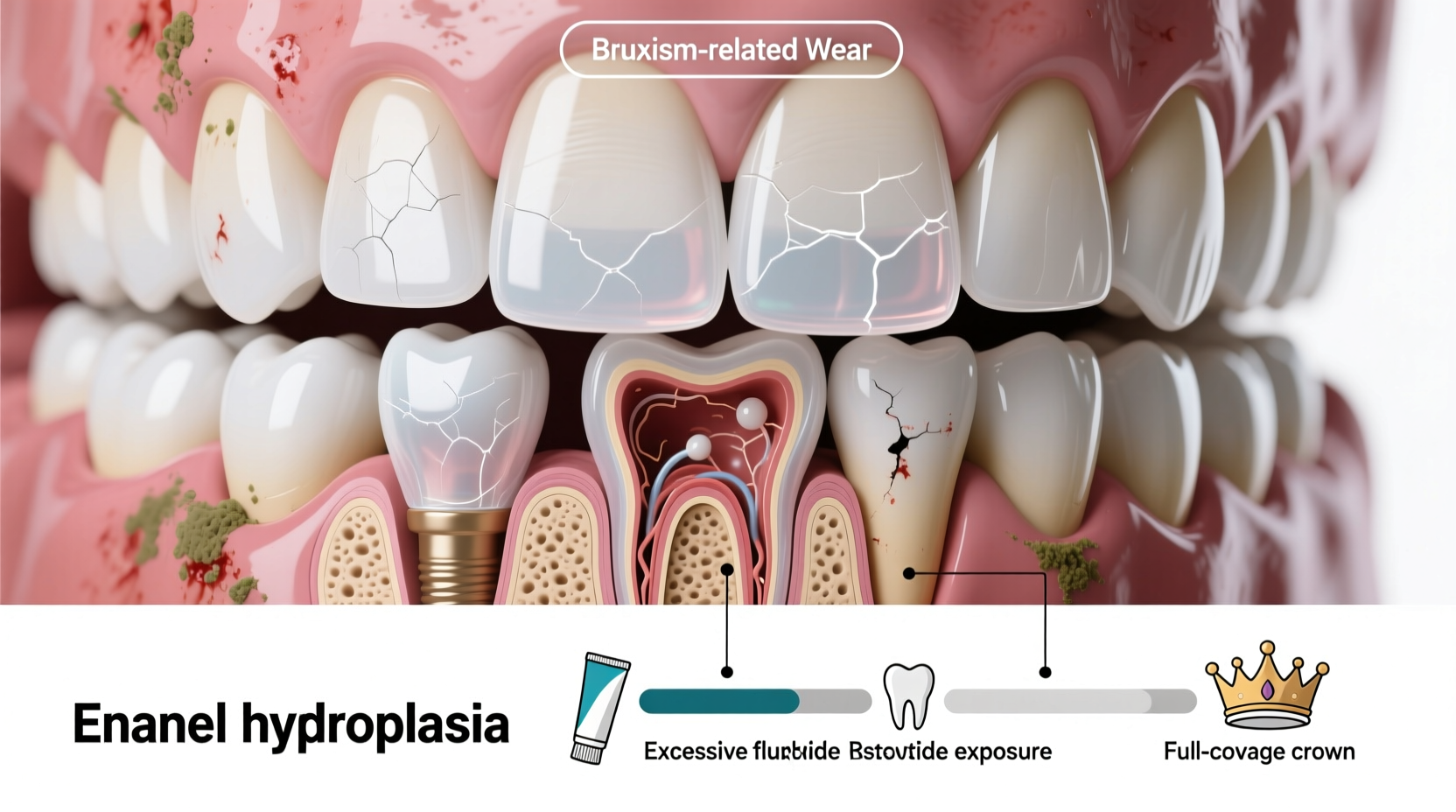
The primary reason behind transparent teeth, particularly at the edges or lower portions of front teeth, is enamel loss. Enamel is the hardest substance in the human body, but it’s not indestructible. Once damaged, it cannot regenerate. When enamel wears away, the underlying dentin becomes more visible, but in areas like the incisal edges, the remaining enamel may appear thin and translucent rather than yellowish because dentin doesn’t extend fully to the tip.
Several factors contribute to this progressive erosion:
- Dietary acids: Frequent consumption of acidic foods and beverages—such as citrus fruits, soda, sports drinks, wine, and vinegar-based dressings—softens enamel over time.
- Gastroesophageal reflux disease (GERD): Stomach acid that regularly enters the mouth can dissolve enamel, especially on the backside of lower front teeth.
- Tooth grinding (bruxism): Chronic clenching or grinding, often during sleep, wears down enamel, particularly at the biting edges where transparency first appears.
- Poor oral hygiene: Inconsistent brushing or using abrasive toothpaste can accelerate enamel breakdown.
- Overbrushing: Brushing too hard or with a hard-bristled brush contributes to mechanical abrasion, especially near the gumline and edges.
- Bulimia or eating disorders: Repeated vomiting exposes teeth to high levels of stomach acid, rapidly eroding enamel.
Treatment Options Based on Severity
Treatment depends on how much enamel has been lost and whether structural integrity or aesthetics are compromised. Early intervention leads to better outcomes and less invasive procedures.
Mild Enamel Thinning
In early stages, when transparency is minimal and no structural damage exists, preventive care is key. Fluoride treatments, remineralizing toothpastes, and dietary changes can slow or halt progression.
Moderate Wear
When translucency is noticeable and accompanied by sensitivity, restorative solutions come into play:
- Enamel microabrasion: A technique used to remove superficial layers of damaged enamel.
- Composite bonding: Tooth-colored resin is applied to thinned edges to restore shape and opacity.
- Fluoride varnishes or prescription gels: Applied professionally to strengthen remaining enamel.
Severe Enamel Loss
If significant structure is lost, more durable solutions are required:
- Dental veneers: Thin porcelain shells bonded to the front surface of teeth to mask translucency and improve appearance.
- Crowns: For teeth with extensive damage, crowns provide full coverage and protection.
“Transparency at the incisal edge is one of the earliest clinical signs of enamel erosion. Catching it early means we can avoid major restorative work later.” — Dr. Lena Torres, Prosthodontist and Dental Researcher
Step-by-Step Guide to Managing Translucent Teeth
Addressing transparent teeth involves a combination of professional care and consistent home habits. Follow this timeline to protect and potentially improve your condition:
- Week 1: Schedule a dental evaluation. Your dentist will assess enamel thickness, check for bruxism, and test for sensitivity.
- Week 2–4: Adjust daily routines. Switch to a soft-bristled brush, non-abrasive toothpaste, and reduce acidic intake.
- Month 2: Begin professional fluoride treatments. Ask your hygienist for a high-concentration fluoride varnish application every 3–6 months.
- Month 3: Evaluate symptoms. Note any reduction in sensitivity or visual improvement.
- Months 4–6: Consider cosmetic restoration. If transparency affects confidence, discuss bonding or veneers with your dentist.
- Ongoing: Maintain protective habits. Use a night guard if you grind, stay hydrated to support saliva flow, and continue regular cleanings.
Do’s and Don’ts: Protecting Your Enamel
| Do | Don’t |
|---|---|
| Rinse with water after consuming acidic foods or drinks | Brush immediately after eating acidic foods |
| Use fluoride toothpaste and mouthwash | Use whitening toothpastes long-term (many are highly abrasive) |
| Chew sugar-free gum to stimulate saliva | Sip soda or juice throughout the day |
| Wear a custom night guard if you grind | Ignore symptoms of dry mouth or acid reflux |
| Visit your dentist every 6 months | Delay treatment due to fear of cost or discomfort |
Real-Life Example: Sarah’s Experience with Enamel Erosion
Sarah, a 34-year-old graphic designer, began noticing her front teeth looked “thin” and slightly see-through at the bottom edges. She also experienced sharp twinges when drinking cold coffee. After visiting her dentist, she learned that years of drinking lemon water throughout the morning and undiagnosed nighttime grinding had worn down her enamel.
Her treatment plan included a custom-fitted night guard, switching to a sensitive-teeth toothpaste with stannous fluoride, and reducing acidic beverage intake. Over six months, her sensitivity decreased significantly. At her follow-up, the dentist applied a fluoride varnish and recommended composite bonding to rebuild the most translucent edges. Today, Sarah reports improved confidence and no discomfort.
Tip: Keep a food and symptom journal for two weeks. Note when you consume acidic items and any tooth sensitivity. This can help identify patterns and guide treatment.Frequently Asked Questions
Can transparent teeth be reversed?
No, once enamel is lost, it cannot grow back. However, the progression can be stopped with proper care, and cosmetic treatments like bonding or veneers can restore the appearance of solid, opaque teeth.
Is tooth transparency always a sign of erosion?
In most cases, yes—especially when seen at the biting edges of front teeth. However, some people naturally have thinner enamel. A dentist can differentiate between congenital traits and acquired erosion through examination and X-rays.
Are children at risk of developing transparent teeth?
Yes, though less common, children who consume high-acid diets or suffer from acid reflux or bulimia may show early signs. Parents should monitor unusual tooth appearance and seek pediatric dental advice promptly.
Prevention Checklist
Use this checklist to minimize the risk of further enamel loss:
- ✅ Use a soft-bristled toothbrush and gentle circular motions
- ✅ Choose low-abrasion, fluoride-rich toothpaste
- ✅ Limit acidic foods and drinks to meal times
- ✅ Rinse mouth with water after eating or vomiting
- ✅ Chew sugar-free gum to boost saliva production
- ✅ Get evaluated for bruxism and wear a night guard if needed
- ✅ Treat underlying medical conditions like GERD or eating disorders
- ✅ Attend regular dental cleanings and exams every six months
Take Action Before It’s Too Late
Transparent teeth at the bottom aren’t just a cosmetic concern—they’re a warning sign. Enamel erosion is irreversible, but its effects don’t have to be permanent. With early detection and consistent care, you can preserve your natural teeth, avoid costly restorations, and maintain a healthy, confident smile. Don’t wait until sensitivity turns into pain or aesthetics become a source of embarrassment. Book a dental checkup, review your daily habits, and start protecting your enamel today.
💬 Your teeth tell a story—make sure it’s one of strength and care. Share your experience or questions below and help others recognize the signs before it’s too late.








