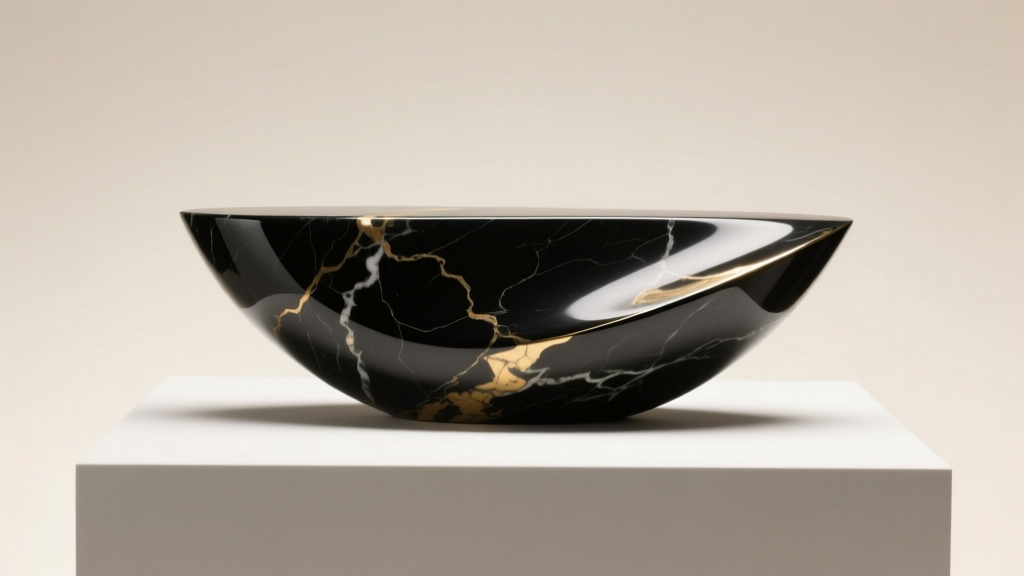
Types of Transparent Soup Bowls
Transparent soup bowls are increasingly popular as corporate gifts, tableware upgrades, and elegant serving solutions due to their visual appeal and functional benefits. Their clarity allows for stunning presentation of colorful soups, broths, and garnishes, making them ideal for both formal dining and casual gatherings. These bowls come in various materials—each offering unique advantages in durability, aesthetics, and usability.
Glass Soup Bowls
The most genuinely transparent option, glass soup bowls exude elegance and sophistication. Available in minimalist, modern, or intricately designed styles, they enhance any table setting. Their crystal-clear surface beautifully showcases the vibrant colors of soups, stews, and layered dishes, while also highlighting decorative garnishes like herbs, croutons, or swirls of cream.
Advantages
- High transparency for stunning visual presentation
- Microwave and oven-safe (depending on type)
- Dishwasher safe and easy to clean
- Non-porous surface resists staining and odors
- Timeless, elegant appearance
Limitations
- More fragile than plastic or melamine
- Heavier weight increases shipping costs
- Can crack under sudden temperature changes
Best for: Formal dining, upscale restaurants, wedding gifts, executive corporate presents
Plastic Soup Bowls
Lightweight and durable, plastic soup bowls are often semi-transparent and ideal for casual or outdoor use. Made from BPA-free food-grade plastics, these bowls offer a safe, affordable solution for events where breakage is a concern. Their clarity, though not as pristine as glass, still allows for decent visibility of contents.
Advantages
- Extremely lightweight and portable
- Nearly unbreakable and safe for outdoor events
- Affordable for bulk purchases
- Available in various colors and tints
- Ideal for picnics, parties, and takeout services
Limitations
- Limited heat resistance (not microwave-safe in many cases)
- May scratch or cloud over time
- Less premium feel compared to glass
Best for: Casual events, outdoor dining, children’s meals, promotional giveaways
Melamine Soup Bowls
High-quality melamine bowls offer a glass-like finish with excellent durability. While not fully transparent like glass, many melamine variants are semi-transparent or feature glossy, clear coatings that mimic transparency. These bowls are popular in commercial kitchens and hospitality settings due to their resilience and aesthetic versatility.
Advantages
- Durable and shatter-resistant
- Dishwasher-safe and easy to maintain
- Available in decorative, translucent designs
- Lightweight yet sturdy
- Excellent for high-traffic environments
Limitations
- Not microwave or oven-safe
- Can fade or discolor with prolonged sun exposure
- May develop surface scratches over time
Best for: Restaurants, buffets, hotels, daycare centers, and branded merchandise
Stainless Steel Soup Bowls (with Transparent Lids)
While stainless steel itself isn’t transparent, many modern designs incorporate clear lids or viewing windows, combining the durability of metal with visibility. These bowls are sleek, contemporary, and perfect for insulated or travel-friendly soup containers. The polished finish resists dents and corrosion, ideal for active lifestyles.
Advantages
- Highly durable and long-lasting
- Often includes transparent lids for visibility
- Excellent for outdoor and travel use
- Resistant to rust, chipping, and breaking
- Modern, professional appearance
Limitations
- Body is not transparent (only lid/viewing area)
- Can conduct heat, requiring protective sleeves
- Higher cost than plastic alternatives
Best for: Travel soups, office lunches, outdoor adventures, eco-conscious branding
Traditional Ceramic Bowls (with Glazed Finish)
While classic ceramic bowls are typically opaque, some feature transparent or translucent glazes that add a subtle sheen and elegance. These are not fully see-through but offer a luminous surface that enhances visual appeal. Often handcrafted, they are prized for their artisanal quality and warmth.
Advantages
- Beautiful glazed finishes with glass-like luster
- Microwave and oven-safe
- Excellent heat retention
- Versatile in design and color
- Premium, handcrafted aesthetic
Limitations
- Not truly transparent—limited visibility of contents
- Fragile and prone to chipping or cracking
- Heavier than plastic or melamine
Best for: Artisanal gifts, boutique restaurants, home dining, luxury kitchenware sets
| Material | Transparency Level | Durability | Heat Resistance | Best Use Case |
|---|---|---|---|---|
| Glass | High (Fully Transparent) | Medium | High (Microwave & Oven Safe) | Formal dining, gourmet presentation |
| Plastic | Medium (Semi-Transparent) | High | Low (Limited Microwave Use) | Casual events, promotions, takeout |
| Melamine | Medium (Glossy/Translucent) | Very High | Low (Not Oven Safe) | Buffets, restaurants, daycare |
| Stainless Steel (with Clear Lid) | Low (Lid Only) | Excellent | Medium (Insulated Options) | Travel, outdoor, office use |
| Ceramic (Glazed) | Low (Shiny Surface Only) | Medium | High | Luxury dining, artisanal gifting |
Expert Tip: When selecting transparent soup bowls for corporate gifting, consider pairing glass or high-gloss melamine bowls with custom etching or logo branding for a professional, memorable impression. Always verify food safety certifications (e.g., FDA compliance, BPA-free) for plastic and melamine options.
Design of Transparent Soup Bowls: Functionality, Aesthetics, and Practicality
The design of transparent soup bowls plays a pivotal role in determining their functionality, visual appeal, and everyday usability. Whether used in home kitchens, restaurants, or commercial food service, the right bowl design enhances the dining experience by combining form and function. Thoughtful design considerations ensure optimal performance in serving, storing, and presenting soups and other liquid-based dishes.
Shapes: Balancing Form and Function
Soup bowls come in a variety of shapes, each tailored to specific culinary needs and user preferences. The most common shape is the deep round bowl, ideal for holding liquid-based soups with minimal risk of spillage. These bowls provide excellent depth-to-diameter ratios, making them suitable for both hot and cold preparations.
Traditional Round
Classic and widely used, these bowls offer balanced proportions with curved sides that retain heat well. Ideal for broths, consommés, and clear soups where presentation matters.
Wide-Rim & Flat-Bottomed
These designs increase surface area, making it easier to access ingredients with a spoon. They're particularly useful for chunky soups, stews, and chowders where solid components are abundant.
Deep-Dish Variants
Engineered for maximum capacity and heat retention, deep-dish bowls are perfect for serving hearty portions of thick soups like lentil or potato-based recipes.
Oval and Square Profiles
Modern and stylish, these geometric shapes offer a contemporary aesthetic. While less common, they provide unique presentation options and can double as small serving platters for appetizers or side dishes.
Patterns and Textures: Enhancing Visual Appeal
While transparent glass or acrylic bowls naturally showcase the vibrant colors of soups, adding patterns and textures elevates their visual impact. These design elements not only enhance aesthetics but also contribute to grip and tactile experience.
Designers often match the bowl’s pattern to the soup’s color palette—light etching complements creamy bisques, while bold textures enhance the contrast in vegetable-rich soups.
Size and Capacity: Matching Portion to Purpose
The capacity of transparent soup bowls typically ranges from 300 mL to 700 mL, depending on regional dining customs, course type (appetizer vs. main), and soup consistency.
| Bowl Size | Capacity Range | Best For |
|---|---|---|
| Small (Appetizer) | 300–400 mL | Clear broths, consommés, Asian-style soups |
| Medium (Standard) | 450–550 mL | Cream soups, chowders, tomato bisque |
| Large (Entree/Hearty) | 600–700 mL | Stews, bean soups, chili, noodle dishes |
Wider, shallower bowls are preferred for thick soups to allow easy spoon access, while narrower, deeper bowls preserve heat in clear soups. The proportions should also align with cultural expectations—Japanese ramen bowls, for example, are deep and narrow, whereas French onion soup bowls are wide and brimmed to accommodate cheese toppings.
Lids and Accessories: Boosting Functionality and Convenience
Modern transparent soup bowls increasingly incorporate lids and accessories to expand their utility beyond mere servingware.
Airtight Lids
Many transparent bowls come with snug-fitting silicone or plastic lids, making them ideal for storage in refrigerators or freezers. These lids help preserve freshness, prevent spills, and extend shelf life—perfect for meal prepping or takeout services.
Heat-Resistant Construction
Borosilicate glass or tempered transparent materials allow bowls to transition safely from freezer to microwave or oven. This thermal resilience is essential for reheating soups without transferring to another container.
Integrated Accessories
Some innovative designs include built-in spoons, foldable handles, or stackable trivets that double as coasters. These features enhance portability and user convenience, especially in office lunches, picnics, or travel kits.
Multipurpose Use
Beyond soup, these bowls can serve desserts, salads, or grain bowls. The transparency allows users to see contents at a glance, improving organization in kitchens and pantries.
For commercial applications, stackable designs with reinforced rims improve space efficiency and durability during transport and storage.
Important: When selecting transparent soup bowls, always consider the intended use—whether for dining, storage, or transport. Choose heat-resistant materials for microwave use and ensure lids are BPA-free and dishwasher-safe for long-term hygiene and safety. Proper care extends the life of your bowls and maintains their clarity and structural integrity.
Scenarios for Transparent Soup Bowls
Choosing the right soup bowl goes beyond mere functionality—it’s about enhancing the dining experience through thoughtful presentation and practicality. Transparent soup bowls, made from materials like tempered glass, crystal-clear plastic, or high-grade melamine, offer unique advantages across various settings. Understanding where and why they perform best helps businesses and individuals make informed decisions that align with aesthetics, durability, and customer expectations.
Restaurants and Cafes
Transparent soup bowls are a staple in modern restaurants and cafes, particularly those emphasizing visual appeal and culinary artistry. Their clarity enhances the presentation of broths, layered soups, and vibrantly garnished dishes, turning a simple meal into an engaging sensory experience.
- Fine dining establishments use glass or crystal-clear ceramic bowls to elevate delicate consommés, miso, or chilled soups with floating herbs and edible flowers
- Casual eateries benefit from durable, BPA-free plastic or melamine versions that maintain transparency while resisting breakage
- See-through walls allow customers to appreciate ingredient quality, color contrast, and portion size before tasting—boosting perceived value
- Stackable designs save space in busy kitchens and simplify storage
Pro insight: Pair transparent bowls with colored napkins or patterned trays to enhance visual contrast and brand identity.
Formal Dinners and Special Events
At weddings, banquets, galas, and corporate functions, presentation is paramount. Elegant transparent soup bowls contribute to a refined tablescape, offering sophistication without overpowering the overall theme.
- Crystal or lead-free glass bowls add a touch of luxury and reflect candlelight beautifully on formal tables
- Monochrome or minimalist bowl designs complement themed décor, whether modern chic, vintage glamour, or rustic elegance
- Layered presentations—such as clear broths over vegetables or foams—are showcased to stunning effect
- Rentable or reusable options support sustainability goals for large-scale events
Design tip: Use transparent bowls as part of a multi-course tasting menu to create visual continuity and anticipation.
Casual Dining and Home Use
For everyday meals at home or relaxed dining environments, practicality and ease of care take precedence. Transparent plastic or melamine bowls strike the perfect balance between style and resilience.
- Ideal for families with children due to shatter-resistant properties
- Dishwasher-safe and microwave-compatible options increase convenience for home cooks
- Available in fun colors and sizes to suit individual preferences while maintaining visibility of contents
- Perfect for outdoor gatherings, picnics, or backyard barbecues where durability matters
Smart choice: Opt for BPA-free, food-grade materials to ensure safety during repeated heating and washing cycles.
Food Delivery and Takeout Services
In the booming takeout and delivery market, first impressions happen when the customer opens the package. Transparent soup bowls with secure, leak-resistant lids have become essential for maintaining food quality and building trust.
- Customers can instantly verify their order upon arrival—seeing the soup’s texture, ingredients, and temperature (via steam visibility)
- Clear packaging reduces complaints and returns by confirming accuracy and freshness
- Branded labels or custom-printed lids turn functional containers into marketing tools
- Stackable, space-efficient designs optimize delivery bag organization and reduce transportation costs
Industry trend: Many cloud kitchens and delivery-only brands now use transparent bowls as a signature element of their brand image.
Expert Recommendation: When selecting transparent soup bowls, consider both material and context. Tempered glass offers premium aesthetics for sit-down service, while polycarbonate or Tritan plastic provides durability for takeout and high-turnover environments. Always prioritize heat resistance, lid compatibility, and ease of cleaning to ensure long-term usability and customer satisfaction.
| Usage Scenario | Recommended Material | Key Features | Lifespan & Reusability |
|---|---|---|---|
| Restaurant Dining (Front-of-House) | Tempered Glass / Crystal | Elegant appearance, heat retention, premium feel | Years (reusable, commercial dishwasher safe) |
| Formal Events & Catering | Lead-Free Crystal / Acrylic | Light-refractive, luxurious look, shatter-resistant options | Multiple uses (rental or owned) |
| Home & Casual Use | Melamine / BPA-Free Plastic | Durable, lightweight, dishwasher-safe | 1–3 years with proper care |
| Delivery & Takeout | Clear PET / PP Plastic with Lids | Leak-proof, microwave-safe, stackable, tamper-evident | Single-use or limited reuse |
Additional Considerations
- Brand Image: Consistent use of transparent bowls reinforces a brand’s commitment to quality and transparency—literally and figuratively
- Sustainability: Reusable glass or recyclable plastic options help reduce environmental impact compared to opaque disposable containers
- Temperature Resistance: Ensure bowls can withstand boiling liquids (up to 100°C/212°F) without warping or clouding
- Lid Compatibility: Secure, vented lids are crucial for transport and preserving heat and aroma
- Cleaning & Maintenance: Transparent surfaces show residue easily—choose materials resistant to staining and clouding after repeated washes
Specification and Maintenance of Transparent Soup Bowls
Transparent soup bowls are a popular choice in both home and commercial kitchens due to their elegant appearance and functional versatility. However, their performance, durability, and longevity depend heavily on the material used and the care they receive. This comprehensive guide explores the key specifications of transparent soup bowls—including material composition, heat resistance, weight, durability, cleaning methods, and storage practices—to help you make informed decisions and extend the life of your tableware.
Important Note: The term "transparent" applies primarily to glass, crystal, and certain high-clarity plastics. Stainless steel and melamine are not truly transparent but may be included in modern designs with translucent elements or clear coatings. Always verify material transparency and safety ratings before purchase.
Material Composition and Characteristics
The choice of material significantly impacts the look, feel, and functionality of transparent soup bowls. Each material has unique advantages and limitations:
- Plastic (Polycarbonate or Tritan): Lightweight, shatter-resistant, and cost-effective, making them ideal for outdoor dining, children’s use, or high-traffic environments. However, lower-quality plastics may become cloudy over time due to scratches or chemical exposure. Opt for BPA-free, food-grade plastics for safety.
- Tempered Glass: Offers excellent clarity and a premium aesthetic. More durable than regular glass, it resists thermal shock and minor impacts. Still, it can break if dropped on hard surfaces. Ideal for both hot and cold soups when properly rated.
- Crystal (Lead or Lead-Free): Known for its brilliance and refractive quality, crystal provides a luxurious dining experience. However, it is more fragile and requires careful handling. Lead-free crystal is recommended for food service due to health regulations.
- Melamine: Often mistaken for plastic, melamine resin is highly durable and scratch-resistant with a smooth, glossy finish. While not fully transparent, it can mimic glass with a translucent appearance. It is not microwave-safe and may degrade under prolonged UV exposure.
- Stainless Steel (with Transparent Coatings): Not inherently transparent, but some modern designs incorporate clear lacquers or inserts. These bowls are extremely durable and rust-resistant, suitable for institutional use, though the coating may wear over time.
Heat Resistance and Thermal Performance
Heat tolerance is a critical factor when serving hot soups or using bowls in microwave settings:
- Tempered glass and borosilicate glass (e.g., Pyrex) can typically withstand temperatures up to 300°F–400°F (150°C–200°C), making them suitable for hot liquids and oven use.
- High-quality BPA-free plastics like Tritan are microwave-safe and can handle moderate heat, but prolonged exposure may cause warping.
- Melamine bowls are heat-resistant to a point (up to about 240°F/115°C) but should never be microwaved, as they can release harmful chemicals.
- Avoid sudden temperature changes (thermal shock) with glass or crystal bowls—never transfer directly from freezer to microwave or oven.
Pro Tip: Always check manufacturer labels for maximum temperature ratings and microwave safety symbols. When in doubt, assume the bowl is not microwave-safe unless explicitly stated.
Weight, Durability, and Practical Use
Consider the intended environment when selecting soup bowls:
- Lightweight plastic and melamine are ideal for picnics, buffets, or children’s meals due to their resistance to breakage and ease of transport.
- Glass and crystal offer elegance but are more prone to chipping or breaking, especially when stacked or handled roughly.
- For commercial kitchens or daycare centers, prioritize durability over aesthetics by choosing impact-resistant materials like Tritan plastic or reinforced melamine.
- Stainless steel variants (with transparent finishes) provide excellent durability for institutional use, though they may dent if dropped.
Cleaning and Care Guidelines by Material
Proper cleaning ensures hygiene and extends the lifespan of your bowls:
| Material | Dishwasher Safe | Microwave Safe | Cleaning Recommendations |
|---|---|---|---|
| Tempered Glass | Yes (Top Rack Recommended) | Yes | Hand wash for long-term clarity; avoid abrasive scrubbers to prevent scratching. |
| Crystal | No | No | Hand wash only with mild detergent; dry with a soft cloth to prevent water spots. |
| BPA-Free Plastic (Tritan) | Yes | Yes (Check Label) | Resistant to stains and odors; avoid bleach-based cleaners that may degrade material. |
| Melamine | Yes | No | Durable and stain-resistant; avoid metal scouring pads to preserve finish. |
| Stainless Steel (Coated) | Yes (Gentle Cycle) | No | Prevent coating damage by avoiding harsh detergents or prolonged soaking. |
Correction: The original text references "ceramic soup bowls" in the context of transparent, dishwasher-safe plastics. This appears to be an error—ceramic is typically opaque and not transparent. The intended reference is likely to high-clarity, BPA-free plastics such as Tritan, which are both dishwasher and microwave safe.
Storage Best Practices
Improper storage can lead to scratches, cracks, or degradation over time:
- For glass and crystal bowls: Use felt liners, silicone mats, or stacking rings between bowls to prevent scratching and chipping. Store in low-traffic cabinets away from edges.
- Plastic and melamine bowls: Can be safely stacked without protective layers, though storing in a cool, dry place prevents warping from heat or humidity.
- Stainless steel bowls with transparent coatings: Wrap rims with soft cloth or paper to avoid surface abrasion. Store upright to prevent pressure on the coating.
- Avoid overcrowding shelves and ensure adequate ventilation to prevent moisture buildup, especially in humid climates.
Expert Tip: Label your bowls by material type if using multiple kinds in a commercial kitchen. This helps staff follow correct washing, heating, and storage protocols, reducing breakage and safety risks.
Additional Maintenance Recommendations
- Inspect bowls regularly for cracks, cloudiness, or peeling coatings—replace damaged items promptly.
- Avoid using steel wool or abrasive cleaners on any transparent surface to maintain clarity.
- Rinse immediately after use, especially with acidic or colored soups (like tomato or curry), to prevent staining.
- Use non-abrasive, pH-neutral dish soaps to preserve material integrity over time.
- Rotate stock in commercial settings to ensure even wear and prevent long-term storage damage.
Choosing and maintaining the right transparent soup bowl involves balancing aesthetics, functionality, and safety. By understanding the properties of each material and following proper care guidelines, you can enjoy beautiful, long-lasting tableware that enhances every dining experience. Whether for everyday use or special occasions, informed selection and maintenance ensure both performance and visual appeal.
Frequently Asked Questions About Transparent Soup Bowls
Q1: Are transparent soup bowls suitable for hot liquids?Yes, transparent soup bowls can be used for hot liquids, but it's essential to verify the heat resistance of the material. Here's a breakdown by material type:
- Glass Bowls: High-quality tempered glass can withstand hot soups, but sudden temperature changes (thermal shock) may cause cracking. Always pre-warm the bowl slightly before adding boiling liquids.
- Melamine Bowls: These are excellent for warm soups but not recommended for very hot or boiling liquids, as they may warp or release harmful chemicals at high temperatures.
- Stainless Steel (with transparent lids or inserts): While not fully transparent, some modern designs include clear components and are perfectly safe for hot soups due to their high heat tolerance.
- Plastic (e.g., Tritan or polycarbonate): Look for BPA-free, heat-resistant plastics labeled as safe for hot foods. These maintain clarity and durability when used within temperature limits.
Tip: Always check manufacturer guidelines for maximum temperature ratings before serving hot liquids.
Q2: Can transparent soup bowls be used in outdoor settings?Absolutely—transparent soup bowls are a great choice for outdoor dining, especially when made from durable, non-fragile materials. Consider the following:
- Plastic & Melamine: Ideal for picnics, barbecues, and casual outdoor events due to their lightweight nature, shatter-resistance, and ease of transport.
- Travel-Friendly Designs: Many come with secure lids or stackable features, making them perfect for packed meals or camping trips.
- Weather Resistance: Melamine and certain plastics resist UV fading and moisture, maintaining appearance over time even with regular outdoor use.
- Not Recommended: Glass and crystal bowls should be avoided outdoors due to their fragility and risk of breakage on uneven surfaces or during transit.
For family gatherings, poolside dining, or patio parties, opt for impact-resistant transparent bowls that combine functionality with an elegant look.
Q3: How to prevent glass soup bowls from chipping or breaking?While glass offers unmatched clarity and elegance, it requires careful handling to avoid damage. Follow these best practices:
- Proper Storage: Store glass bowls separately or use padded dividers in cabinets to prevent contact with other dishes. Avoid stacking unless they are designed for it with protective rims.
- Safe Transportation: Use a carrying tray with rubber grips or a non-slip mat when moving multiple bowls. This minimizes vibrations and accidental drops.
- Handling Tips: Always carry one bowl at a time with both hands, supporting the base rather than the rim, which is more prone to chipping.
- Cleaning Care: Avoid extreme temperature shifts—don’t transfer a cold bowl directly into hot water or vice versa. Hand washing is recommended to extend lifespan.
- Surface Protection: Use placemats or tablecloths to cushion the table surface and reduce the risk of cracks from hard impacts.
Investing in tempered or borosilicate glass can also enhance durability and thermal shock resistance compared to standard glass.
Q4: What type of transparent soup bowl is most durable?When durability is a top priority, certain materials outperform others in strength, longevity, and resilience:
| Material | Durability Level | Key Advantages | Best Use Cases |
|---|---|---|---|
| Melamine | High | Shatterproof, lightweight, scratch-resistant, retains color and clarity | Outdoor dining, children's meals, restaurants, travel |
| Reinforced Plastic (Tritan) | High | BPA-free, clear like glass, dishwasher-safe, impact-resistant | Daily use, schools, healthcare facilities |
| Stainless Steel (with clear lids) | Very High | Extremely tough, corrosion-resistant, long-lasting | Camping, institutional use, commercial kitchens |
| Tempered Glass | Moderate | More resistant than regular glass, retains aesthetic appeal | Indoor dining, formal settings (with care) |
For rugged environments or frequent use, melamine and Tritan plastic offer the best balance of transparency and toughness. Stainless steel variants are ideal when full durability outweighs the need for full transparency.
Q5: Are transparent soup bowls suitable for formal events?Yes, certain types of transparent soup bowls elevate the presentation and are widely used in formal and upscale dining settings:
- Crystal & Premium Glass Bowls: Known for their brilliance and clarity, these add a touch of luxury to wedding banquets, gala dinners, and fine dining experiences.
- Elegant Shapes & Designs: Many formal bowls feature fluted edges, stemmed bases, or handcrafted details that enhance visual appeal.
- Layered Presentations: Transparency allows chefs to showcase beautifully layered soups, chilled gazpachos, or consommés with floating garnishes, enhancing the aesthetic value.
- Lighting Effects: Under-table lighting or candlelit settings highlight the clarity of glass and crystal, creating a sophisticated ambiance.
- Complementary Tableware: Pair with silver spoons and linen napkins to complete the elegant look.
While plastic or melamine may not suit high-end events, premium glass and crystal transparent bowls are not only appropriate but often preferred for their refined appearance and ability to enhance gourmet presentations.









