When morning cravings strike or last-minute guests arrive, few pantry staples deliver comfort like a warm, gooey cinnamon roll. But not everyone has time to mix, proof, roll, and bake from scratch. That’s where high-quality store-bought cinnamon rolls come in—offering bakery-level indulgence with minimal effort. With dozens of brands lining supermarket shelves and freezer aisles, choosing the right one can be overwhelming. This guide cuts through the noise, evaluating the best commercially available cinnamon rolls based on flavor, texture, icing quality, ease of preparation, and overall value. Whether you're stocking up for weekend breakfasts or need a dessert emergency kit, these picks ensure consistent results without sacrificing taste.
Definition & Overview
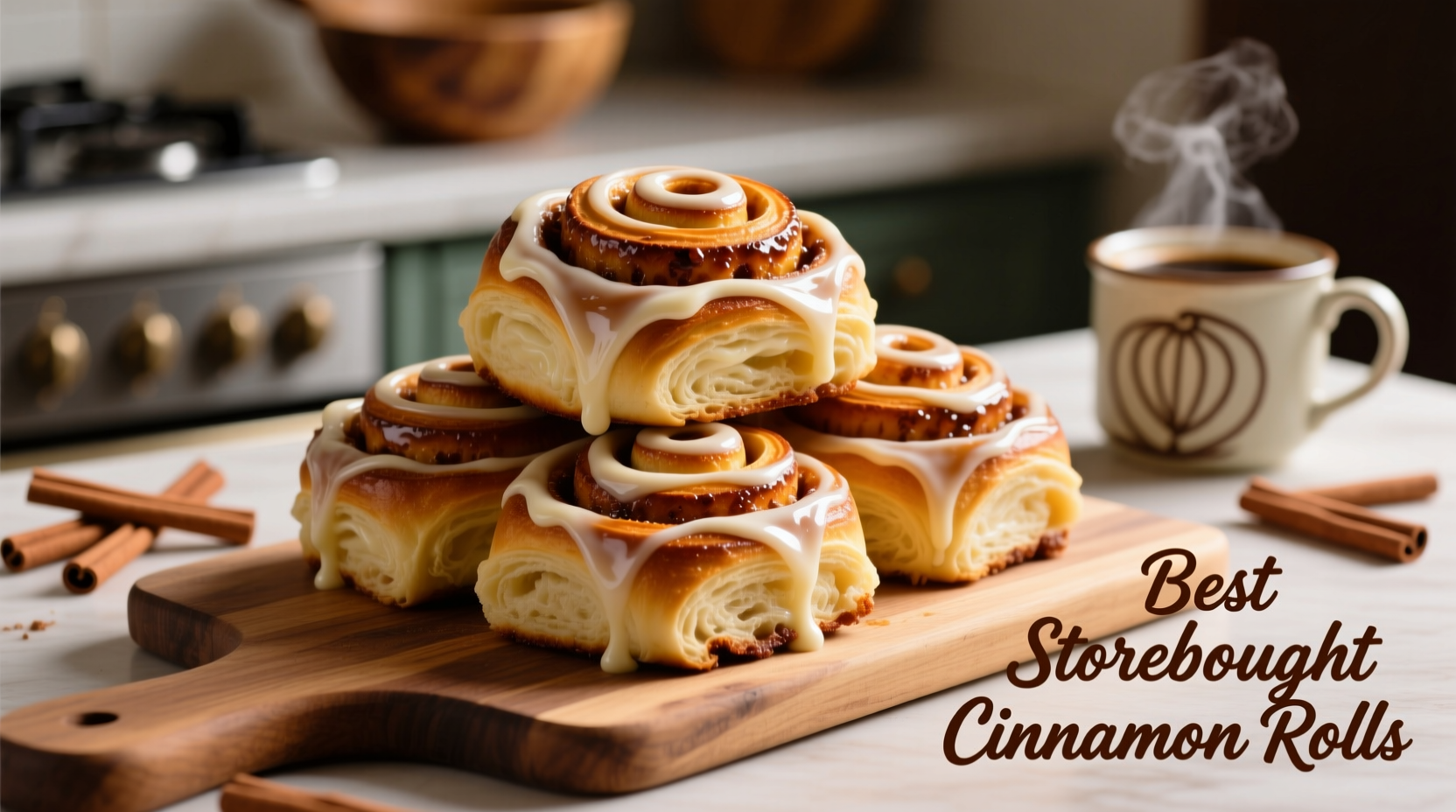
Cinnamon rolls are a sweet baked pastry made from enriched yeast dough rolled around a mixture of ground cinnamon and sugar, often with butter, nuts, or raisins. Once sliced into individual spirals, they’re baked until golden and typically topped with a glaze—usually cream cheese, vanilla, or caramel-based. Originating in Northern Europe, particularly Sweden (where they’re known as *kanelbullar*), the modern American version is larger, sweeter, and more decadent.
Store-bought cinnamon rolls fall into two primary categories: refrigerated tube rolls found in the dairy aisle and frozen varieties that require thawing or direct baking. Both aim to replicate the homemade experience but vary significantly in ingredient quality, leavening performance, and final mouthfeel. Advances in food technology have elevated many mass-produced options to near-artisan standards, making them viable choices even for discerning palates.
These products serve a clear culinary function: delivering instant gratification with minimal labor. They appeal to busy families, novice bakers, office managers planning staff treats, and anyone seeking nostalgic warmth without hours in the kitchen. As consumer demand for convenience grows, manufacturers continue refining formulations to include fewer preservatives, better spices, and richer icings—all while maintaining shelf stability.
Key Characteristics
The hallmark of a great cinnamon roll lies in its balance of texture and flavor. Below are the essential traits used to evaluate store-bought versions:
| Characteristic | Description |
|---|---|
| Dough Texture | Soft, slightly fluffy interior with a tender crumb; should not be dense, gummy, or dry. |
| Cinnamon-Sugar Swirl | Evenly distributed, aromatic, and pronounced—but not overpowering or artificial-tasting. |
| Icing Quality | Smooth, creamy, and well-balanced in sweetness; ideally melt-in-the-mouth rather than sticky or chalky. |
| Browning & Rise | Proper oven spring and golden-brown exterior; under-risen rolls appear compact and pale. |
| Aftertaste | No chemical or stale notes; clean finish with lingering warmth from cinnamon. |
| Preparation Time | Refrigerated: 15–30 minutes total; frozen: 20–40 minutes depending on thaw state. |
| Shelf Life | Refrigerated: 2–4 weeks unopened; frozen: 3–6 months. |
These benchmarks were applied across all tested brands, with attention paid to consistency between batches and adherence to package instructions.
Top Store-Bought Cinnamon Rolls: Ranked & Reviewed
Pillsbury Grands! Cinnamon Rolls with Icing
A staple since the 1970s, Pillsbury remains the gold standard for accessible, reliable cinnamon rolls. The Grands! line offers jumbo-sized rolls that rise impressively and develop a light, airy crumb when baked according to directions. The cinnamon-sugar filling is generously applied and delivers a warm, classic profile without bitterness. The included icing packet melts perfectly over hot rolls, creating a glossy, pourable glaze that soaks slightly into the surface for enhanced moisture.
Available in regular, flaky, and gluten-free variants, this brand excels in availability and affordability. Found in nearly every grocery store, it's ideal for weekly use. One minor drawback: the icing contains palm oil and artificial flavors, which may deter clean-label seekers.
Pro Tip: For improved texture, let the dough rest for 5 minutes after removing from the tube before baking. This allows gluten relaxation and promotes even rising.
Immaculate Baking Co. Frozen Cinnamon Rolls
Positioned at the premium end, Immaculate Baking Co. uses organic flour, real butter, and cane sugar in its formulation. These frozen rolls require about 30 minutes in a preheated oven and produce a noticeably richer result than most competitors. The swirl includes both cinnamon and nutmeg, adding complexity, while the dough ferments longer during production, yielding a subtle tang reminiscent of brioche.
The icing is separately packaged and must be warmed and drizzled post-bake—a small extra step that preserves freshness and prevents sogginess. While pricier than mainstream options, their cleaner ingredient list makes them a favorite among health-conscious consumers and those avoiding high-fructose corn syrup.
Trader Joe’s Cinnamon Rolls (Frozen)
Trader Joe’s private-label frozen cinnamon rolls have developed a cult following for good reason. Each pack contains four large rolls with a soft, pillowy texture and a generous ribbon of cinnamon-laced brown sugar. Upon baking, they develop a delicate crust while remaining moist inside. The accompanying icing is cream-cheese-based, offering a slight tang that balances the sweetness—an uncommon upgrade in mass-market versions.
They perform best when allowed to thaw partially before baking (about 15–20 minutes at room temperature), ensuring uniform heat distribution. Though only seasonally available in some regions, many customers freeze them immediately upon purchase to extend usability.
Great Value Jumbo Cinnamon Rolls (Walmart)
As Walmart’s house brand, Great Value delivers surprising quality for its price point. These refrigerated rolls closely mimic Pillsbury in size and prep method but feature a marginally denser crumb. The cinnamon flavor is accurate but less vibrant, likely due to lower-grade spice blends. However, the icing spreads smoothly and has a neutral sweetness that won’t overwhelm.
This option shines in budget-driven households or institutional settings like camp kitchens or church events. While not gourmet, they provide dependable satisfaction and stretch further per dollar than any other major brand.
King’s Hawaiian Sweet Rolls Cinnamon Roll Style
Technically not traditional cinnamon rolls, King’s Hawaiian offers a tropical twist: sweet, milk bread-style rolls swirled with cinnamon and sugar, baked until golden, and topped with a coconut-vanilla glaze. Their signature pineapple-infused dough lends a fruity undertone and exceptional softness. These are best served warm and pair exceptionally well with coffee or chai.
Unlike conventional rolls, they don’t contain yeast-leavened dough in the classic sense but rely on a cake-like batter with chemical leaveners. As such, purists may object—but those open to innovation will appreciate the unique profile. Ideal for brunch menus or tiki-themed gatherings.
Variants & Types
Understanding the different forms of store-bought cinnamon rolls helps match product to purpose. Here’s a breakdown of common types:
- Refrigerated Tube Rolls: Pre-portioned, ready-to-bake dough in cardboard tubes. Bake in 15–20 minutes. Best for spontaneous use and short-term storage. Examples: Pillsbury, Great Value.
- Frozen Loaf-Style: Sold in sealed trays, often requiring thawing or extended bake times. Typically higher quality, with artisanal ingredients. Examples: Immaculate, Trader Joe’s.
- Ready-to-Eat (Packaged): Fully baked and individually wrapped. Require no preparation but sacrifice freshness and aroma. Common in gas stations and vending machines.
- Mini/Munchkin Versions: Bite-sized rolls ideal for parties or sampling. Often lack sufficient swirl depth but offer portion control.
- Gluten-Free & Allergen-Friendly: Formulated without wheat, dairy, or eggs. Texture tends to be more fragile, but brands like Pillsbury GF and Simple Mills are improving rapidly.
Selecting the right type depends on your timeline, dietary needs, and desired outcome. Refrigerated tubes win for speed; frozen loaves for quality; and specialty variants for inclusion.
Comparison with Similar Ingredients
Cinnamon rolls are sometimes confused with related pastries. Clarifying distinctions ensures proper usage:
| Product | Differences from Cinnamon Rolls |
|---|---|
| Monkey Bread | Made from cubed dough coated in cinnamon-sugar and baked in a bundt pan. Served pull-apart style; lacks continuous spiral structure. |
| Sticky Buns | Baked upside-down with a caramel-nut base. More complex, dessert-like, and usually made fresh in bakeries. |
| Croissants with Cinnamon | Laminated dough with layered butter; crisp exterior, flaky texture. Higher fat, more labor-intensive. |
| Snail Pastries (e.g., Mexican Conchas) | Sweet bread with topping scored to resemble a snail shell. Topping is separate from dough; not filled with cinnamon swirl. |
While interchangeable in casual conversation, each serves a distinct role. True cinnamon rolls emphasize the fusion of spiced filling within risen dough—a hallmark of American comfort baking.
Practical Usage & Serving Ideas
Store-bought cinnamon rolls need not be limited to solo consumption. Creative applications elevate them into full dishes:
- Cinnamon Roll French Toast: Slice cooled rolls horizontally and soak in egg-milk mixture. Pan-fry until golden. Serve with maple syrup for a decadent brunch.
- Dessert Trifle Layer: Cube baked rolls and layer with whipped cream, berries, and custard for a no-bake dessert.
- Ice Cream Sandwich Base: Flatten slightly warm rolls and insert scoops of vanilla or brown sugar ice cream.
- Breakfast Board Addition: Pair with bacon, yogurt, and fruit on a shared platter for weekend entertaining.
- Stuffed French Toast Upgrade: Use halved rolls as pockets for cream cheese or Nutella fillings before griddling.
For optimal baking results:
- Always preheat the oven—cold starts lead to uneven rise.
- Place rolls at least 1 inch apart on the baking sheet to allow expansion.
- Apply icing immediately after removal from the oven for maximum absorption.
- To refresh leftovers, microwave for 10–15 seconds or warm in a toaster oven to restore softness.
Flavor Boost: Sprinkle a pinch of sea salt over the icing before serving to enhance sweetness perception and add sophistication.
Storage & Shelf Life Tips
Proper storage maintains quality and prevents waste:
- Unopened Refrigerated Tubes: Store in the coldest part of the fridge (not the door) up to the printed expiration date—typically 3–4 weeks.
- Opened or Partial Use: If not using all rolls, press plastic wrap directly onto exposed dough ends and secure the tube with foil. Use within 24–48 hours.
- Frozen Rolls: Keep frozen until ready to use. Do not refreeze after thawing.
- Baked Leftovers: Cool completely, then store in an airtight container at room temperature for 2 days or freeze for up to 3 months.
- Freezing Baked Rolls: Wrap individually in plastic, then place in a freezer bag. Thaw overnight in the fridge or reheat directly from frozen.
Never leave baked rolls uncovered—they dry out quickly due to high sugar content, which attracts moisture from the air.
FAQs & Expert Answers
Can I improve store-bought cinnamon rolls?
Absolutely. Before baking, brush the dough with melted butter and sprinkle additional ground cinnamon mixed with brown sugar. After baking, fold chopped pecans or walnuts into the icing for crunch. Some bakers also inject warm rolls with a bourbon-caramel sauce using a piping bag for restaurant-style flair.
Why do my store-bought rolls come out dense?
Density usually stems from expired dough, incorrect oven temperature, or skipping the recommended rise time. Always check the “best by” date and calibrate your oven with a standalone thermometer. For frozen rolls, allowing a 15-minute countertop rest before baking improves lift.
Are there vegan store-bought options?
Limited but growing. Brands like Rebellyous Foods and some regional naturals stores offer plant-based versions using almond milk, coconut oil, and flaxseed. Most national brands still rely on dairy and eggs, so read labels carefully.
How do I prevent burnt edges?
Use light-colored aluminum baking pans instead of dark nonstick ones, which absorb more heat. Alternatively, reduce oven temperature by 25°F and extend baking time slightly. Cover loosely with foil if browning too fast.
\"The best store-bought cinnamon rolls aren't trying to replace homemade—they're solving a timing problem. When executed well, they preserve the emotional payoff of the treat without the labor.\" — Chef Elena Rodriguez, Pastry Instructor at Midwest Culinary Institute
Summary & Key Takeaways
Store-bought cinnamon rolls have evolved from novelty items to credible alternatives to homemade versions. The top performers combine quality ingredients, reliable leavening, and satisfying flavor profiles. Among the leaders:
- Pillsbury Grands! stands out for accessibility, consistency, and jumbo sizing.
- Immaculate Baking Co. leads in ingredient integrity and depth of flavor.
- Trader Joe’s offers excellent value with a superior cream-cheese icing.
- Great Value wins on budget without severe compromise.
- King’s Hawaiian provides a creative alternative for adventurous eaters.
Choosing the right product depends on your priorities: speed, health, cost, or indulgence. Regardless of selection, simple enhancements—like added spices, proper storage, or creative repurposing—can transform a basic roll into a memorable moment. In a world where time is scarce but comfort matters, these convenient treats remain a justified staple in the modern kitchen.
Final Recommendation: Keep a rotating stock—one refrigerated for immediacy, one frozen for quality. Test brands side-by-side once to determine personal preference, then build your go-to strategy around performance and pantry logistics.









