Goldendoodles are beloved for their affectionate nature and luxurious, wavy-to-curly coats. However, that beautiful fur demands consistent care. Without proper grooming tools, mats, tangles, and skin irritation can quickly become issues. Among the most essential tools in any Goldendoodle owner’s kit is a high-quality comb. Not all combs are created equal—choosing one that’s durable, effective, and easy to use makes a significant difference in both grooming efficiency and your dog’s comfort.
A well-designed comb doesn’t just detangle; it promotes healthy skin, distributes natural oils, and helps detect early signs of pests or irritation. This guide explores what defines a top-tier comb for Goldendoodles, how to use it effectively, and which features truly matter when making a purchase.
Why the Right Comb Matters for Goldendoodles
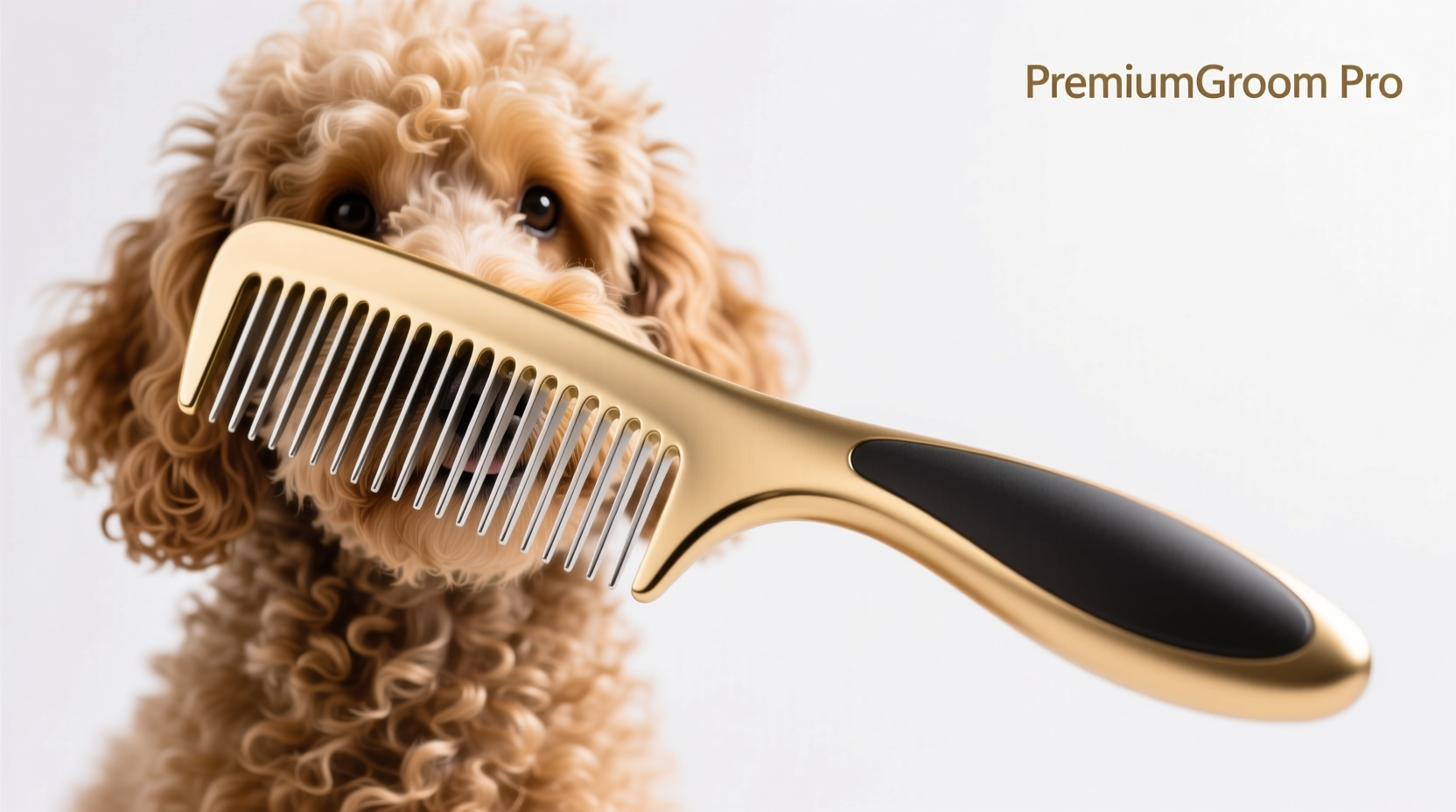
Goldendoodles inherit their coat from both Golden Retrievers and Poodles, resulting in a wide range of textures—from loose waves to tight curls. This hybrid coat is prone to matting, especially behind the ears, under the legs, and along the belly. Mats pull on the skin, cause discomfort, and can lead to hot spots or infections if left unattended.
A quality comb reaches through thick layers of fur to the undercoat, where tangles often start. Unlike brushes, which work the surface, combs provide precision. They’re ideal for daily maintenance, post-bath drying, and checking for debris or parasites. Using the wrong comb—such as one with widely spaced teeth or flimsy construction—can worsen tangles or even injure sensitive skin.
Tip: Always comb your Goldendoodle before brushing. This prevents surface brushing from pushing tangles deeper into the coat.Key Features of a Top-Quality Goldendoodle Comb
Selecting the best comb isn’t about price or brand recognition—it’s about function. The following characteristics define a superior grooming comb for Goldendoodles:
- Fine and Wide-Tooth Combination: Dual-sided combs with both fine and wide teeth allow you to tackle different areas. Use wide teeth first on larger tangles, then fine teeth for smoothing and finishing.
- Sturdy, Rust-Resistant Material: Stainless steel teeth resist corrosion from water and shampoo, ensuring longevity. Avoid plastic combs—they bend easily and snag fur.
- Ergonomic Handle: A non-slip, comfortable grip reduces hand fatigue during extended grooming sessions.
- Smooth, Polished Teeth: Rounded or polished tips glide through fur without scratching the skin, crucial for dogs with sensitive skin.
- Durable Construction: Look for combs where teeth are securely anchored. Reinforced bases prevent breakage when working through tough mats.
“Daily combing with the right tool can reduce shedding by up to 40% and prevent over 70% of common skin issues in double-coated breeds like Goldendoodles.” — Dr. Laura Simmons, Veterinary Dermatologist
Top Comb Recommendations Compared
| Comb Model | Material | Tooth Type | Durability | User-Friendly? |
|---|---|---|---|---|
| Hertzko Self-Cleaning Slicker + Comb Set | Stainless steel teeth, ergonomic handle | Fine/wide dual-sided | High – rust-resistant, reinforced base | Yes – lightweight and easy to clean |
| Chris Christensen Oval Pin & Comb | Professional-grade stainless steel | Dual-sided (pin and comb) | Very High – salon standard | Yes – balanced weight, smooth glide |
| Andis Premium Pet Comb | Stainless steel with rounded tips | Close-fine spacing | High – built for heavy use | Moderate – slightly heavier |
| Kong ZoomGroom (Rubber) | Rubber teeth | Flexible nubs | Medium – not for deep matting | Yes – great for sensitive dogs |
The Hertzko and Chris Christensen models stand out for Goldendoodle owners due to their balance of durability, effectiveness, and ease of use. While the Kong is gentler, it lacks the precision needed for curly coats. For serious grooming, metal combs with dual tooth configurations deliver the best results.
Step-by-Step: How to Groom Your Goldendoodle with a Quality Comb
Using the right comb correctly is just as important as owning one. Follow this routine to ensure a thorough, stress-free session:
- Choose a calm environment: Pick a quiet space with good lighting. Have treats nearby to reward cooperation.
- Start with a dry, brushed coat: Use a slicker brush first to remove surface tangles. Never comb wet hair unless using a conditioner-safe comb.
- Section the coat: Use clips to divide fur into manageable parts—start with the back, then move to legs, chest, and tail.
- Begin with wide teeth: Gently work through thicker areas. If resistance is felt, don’t force it—use your fingers to loosen the knot first.
- Switch to fine teeth: Once major tangles are gone, use the fine side to smooth the coat and check for missed snarls.
- Inspect the skin: As you comb, look for redness, bumps, fleas, or dry patches. Early detection prevents bigger issues.
- Finish with a treat and praise: Positive reinforcement builds trust and makes future sessions easier.
Real-World Example: From Matted Mess to Show-Ready
Sarah adopted a two-year-old Goldendoodle named Milo who had been poorly groomed. His coat was matted in several places, particularly under the armpits and along his hindquarters. After consulting her groomer, she invested in a Chris Christensen Oval Comb and committed to a daily 10-minute combing routine.
She started by trimming the worst mats with blunt-tip scissors (never cutting close to the skin), then used the wide-tooth side to gently work through remaining tangles. Within three weeks, Milo’s coat was completely mat-free. Sarah now uses the comb every other day and reports that grooming has become a bonding ritual. “He actually leans into the comb now,” she says. “It’s amazing how much more comfortable he seems.”
Grooming Checklist for Goldendoodle Owners
Stay consistent with this simple checklist:
- ☑️ Use a stainless steel comb with dual tooth spacing
- ☑️ Comb at least 2–3 times per week (daily during shedding season)
- ☑️ Work in sections to avoid missing spots
- ☑️ Check skin condition while combing
- ☑️ Clean the comb after each use with warm soapy water
- ☑️ Store in a dry place to prevent rust
- ☑️ Replace if teeth become bent or damaged
Frequently Asked Questions
Can I use a human comb on my Goldendoodle?
No. Human combs are not designed for thick, double-layered coats and often have sharp edges that can irritate your dog’s skin. Pet-specific combs are engineered for durability and safety on animal fur.
How do I know if my comb is high quality?
A high-quality comb has tightly secured stainless steel teeth, a comfortable grip, and smooth, rounded tips. It should feel solid in hand and not flex excessively when pressure is applied.
Should I comb my Goldendoodle when wet?
Only if using a comb specifically designed for wet use and paired with a detangling conditioner. Wet hair is more fragile, and improper combing can cause breakage or discomfort.
Final Thoughts: Invest in Comfort, Health, and Bonding
A top quality comb for Goldendoodle grooming isn’t a luxury—it’s a necessity. Durable construction ensures long-term reliability, while thoughtful design makes the process easier for both pet and owner. Regular combing prevents painful mats, supports skin health, and strengthens your bond through gentle touch.
Don’t underestimate the power of a simple tool used consistently. Whether you're preparing for a professional groom or maintaining your dog’s coat at home, the right comb makes all the difference. Start today: pick a proven model, establish a routine, and enjoy the benefits of a happy, healthy, and beautifully groomed Goldendoodle.
💬 Have a favorite grooming tip or comb brand? Share your experience below and help fellow Goldendoodle owners keep their pups looking and feeling their best!








