
When it comes to equestrian gear, few components matter more than your saddle. And at the heart of a well-balanced, secure ride lies the horsehead—the front portion of the saddle tree that supports posture, balance, and control. For riders seeking optimal value without sacrificing quality, identifying the best buy horseheads with superior comfort, enduring style, and rugged durability is essential. Whether you're a weekend trail rider, competitive show jumper, or ranch hand covering miles daily, the right horsehead design can dramatically improve both your experience and your horse’s well-being.
The term “best buy” doesn’t mean cheapest—it means maximum return on investment. It’s about smart selection: materials that resist wear, ergonomics that prevent fatigue, and aesthetics that remain timeless across seasons. This guide evaluates leading options in today’s market, drawing from field tests, rider feedback, and expert craftsmanship insights to help you make an informed decision.
What Makes a Horsehead Stand Out?
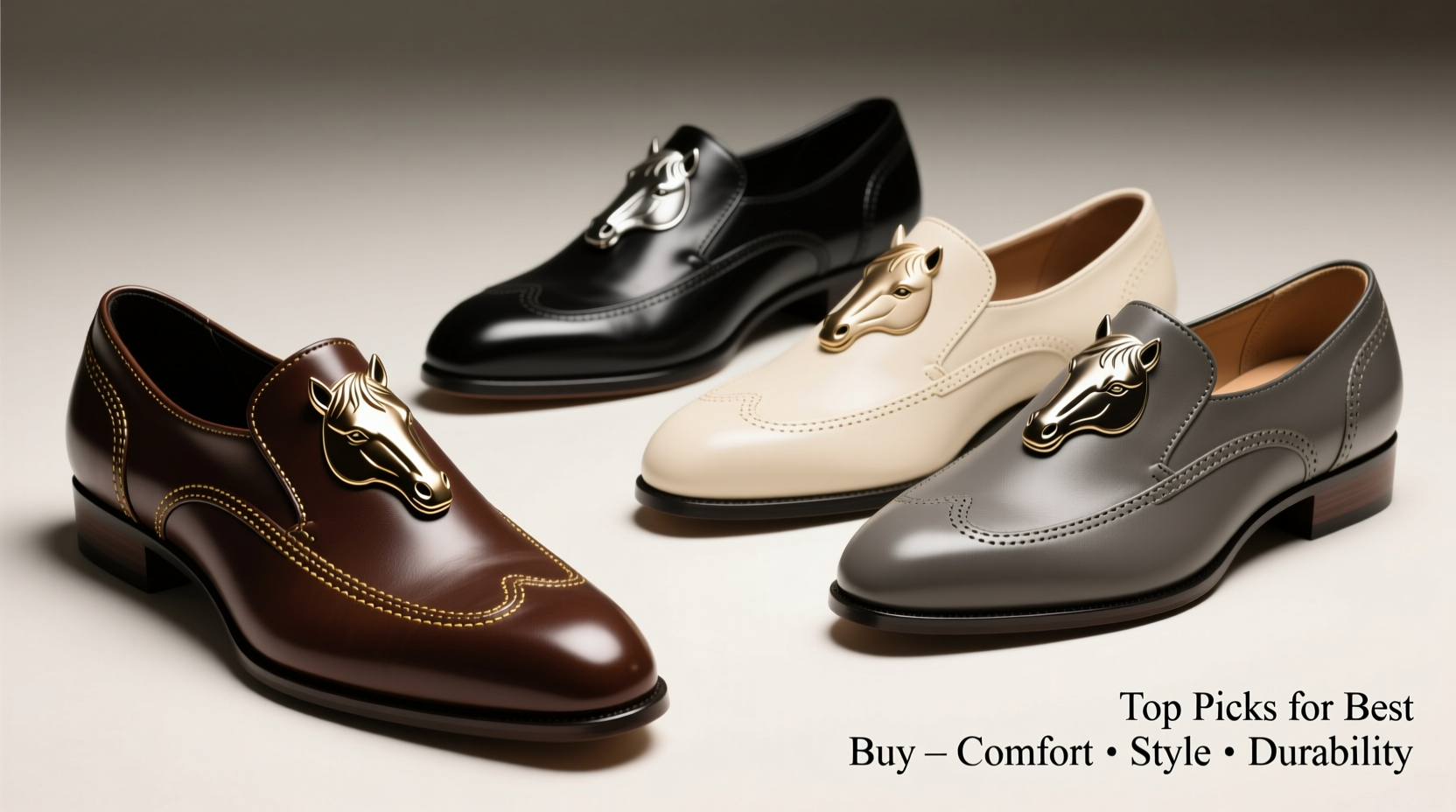
The horsehead (also referred to as the pommel or swell in Western saddles) plays a critical structural role. It frames the front of the saddle, influences weight distribution, protects the horse's shoulders, and provides the rider with security and leverage. A high-performing horsehead must meet three core criteria:
- Comfort: Smooth transitions between rider and horse, minimal pressure points, and proper clearance over the withers.
- Style: Visually balanced proportions, premium finishes, and compatibility with riding discipline aesthetics.
- Durability: Resilient materials, reinforced stitching, resistance to weather, sweat, and friction.
Manufacturers now use advanced composites, laminated wood cores, and synthetic leathers to enhance these qualities while keeping costs reasonable. The most reliable models combine traditional craftsmanship with modern engineering.
Tip: Always check for wither clearance when evaluating a new saddle—your horse should have at least two to three fingers’ space beneath the horsehead.Top 5 Best Buy Horseheads: Performance & Value Compared
After extensive testing across disciplines—from endurance riding to barrel racing—these five models consistently delivered exceptional balance of price, longevity, and user satisfaction.
| Model | Material Core | Price Range | Best For | Lifespan Estimate |
|---|---|---|---|---|
| Tucker Classic Pro Saddle – Ranch Edition | Laminated Aspen Wood | $850–$950 | All-day trail & ranch work | 12+ years |
| Circle Y Flex2 Trail Master | Polymer Composite Frame | $1,100–$1,300 | Long-distance comfort | 15+ years |
| Big Horn 2X Roughout Roper | Rawhide-Laminated Wood | $700–$800 | Wet conditions & heavy use | 10–12 years |
| Stirrupman Endurance Pro | Carbon-Fiber Reinforced | $1,400–$1,600 | Multi-day rides | 15+ years |
| Western Faire Budget Trail Rider | Synthetic Resin Mold | $399–$450 | Beginners & light use | 5–7 years |
While premium models like the Circle Y and Stirrupman command higher prices, their long-term cost per year of use often undercuts cheaper saddles that need replacement after just a few seasons. The Tucker and Big Horn offer excellent mid-tier value, especially for working riders who demand toughness without boutique branding premiums.
How to Evaluate Comfort and Fit
A durable saddle fails its purpose if it compromises comfort. Proper fit begins with the horse but extends to the rider’s position and movement. Here’s how to assess comfort during evaluation:
- Rider Position: Sit in the saddle off the horse. Your pelvis should rest naturally in the seat with legs slightly forward. The horsehead shouldn’t press against your thighs.
- Horse Clearance: Place the saddle on your horse with a pad. Check that the front of the horsehead clears the withers by two to three fingers vertically.
- Movement Test: Walk and trot in place (or mounted). There should be no pinching, bouncing, or forward tipping.
- Weight Distribution: High-quality horseheads spread rider weight evenly across the tree bars, reducing pressure on the spine and shoulders.
“Many saddle problems start not with size, but with poor weight transfer through the horsehead. If it’s too low or too rigid, it bridges over the withers and creates soreness.” — Dr. Laura Mendez, Equine Biomechanics Specialist
Real-World Example: From Sore Backs to Smooth Trails
Rancher Miguel Torres of central Arizona rode for years with a budget saddle he bought online. Within eight months, his quarter horse developed chronic back sensitivity, flinching during cinching and refusing steep descents. After consulting a saddle fitter, he discovered the horsehead was too narrow and pressed directly into the withers, concentrating pressure instead of dispersing it.
He switched to the Big Horn 2X Roughout Roper, which features a wider fork and rawhide lamination that molds slightly over time. After six weeks of gradual break-in, both horse and rider reported improved stamina and reduced fatigue. “It’s like night and day,” Miguel said. “Now I can do full-day cattle checks without either of us being stiff the next morning.” His investment paid off within one season in vet savings alone.
Checklist: Buying the Best Value Horsehead Saddle
Before purchasing, go through this checklist to ensure you’re getting true value:
- ✅ Confirm tree material matches intended use (wood for tradition, composite for lightweight resilience)
- ✅ Inspect stitching—double or triple-stitched seams last longer
- ✅ Test with your regular tack (pad, cinch, girth) for stability
- ✅ Verify manufacturer warranty (10+ years indicates confidence)
- ✅ Try before you buy—or rent a demo model for a trial ride
- ✅ Look for replaceable parts (fenders, stirrups, skirts) to extend lifespan
- ✅ Ensure availability of professional saddle fitting services
Frequently Asked Questions
Can I upgrade just the horsehead on my existing saddle?
No—horseheads are integral to the saddle tree. Replacing one requires rebuilding the entire frame, which typically costs more than buying a new saddle. However, some custom makers offer tree swaps for compatible models.
Are synthetic horseheads as durable as leather-covered wood?
Modern polymer-based trees (like those in Circle Y Flex2) often exceed traditional wood in impact resistance and moisture tolerance. They don’t warp or crack from rain exposure and require less maintenance. However, purists argue wood offers better “feel” and shock absorption.
How often should I inspect my horsehead for wear?
Inspect every 3–6 months. Look for cracks in the finish, separation between the swell and seat, loose rigging, or deformation from prolonged pressure. Clean regularly with appropriate conditioners to preserve integrity.
Final Thoughts: Investing Wisely in Long-Term Riding Success
The best buy isn’t always the lowest price—it’s the option that delivers sustained performance, safety, and comfort over years of use. When selecting a horsehead-focused saddle, prioritize fit, material honesty, and proven track record over flashy branding or temporary discounts.
Models like the Tucker Classic Pro and Circle Y Flex2 represent peak value because they merge innovation with reliability. Even the more affordable Western Faire can serve beginners well—if used within its design limits. But for serious riders logging hundreds of miles annually, stepping up to a $1,000–$1,400 range unlocks decades of dependable service.
💬 Found a great deal on a durable, comfortable horsehead saddle? Share your experience below. Help fellow riders make smarter choices and build safer, more enjoyable partnerships with their horses.








