Choosing the right cat litter is more than a matter of convenience—it affects your home’s cleanliness, your cat’s comfort, and even your environmental footprint. Among the growing number of eco-conscious pet owners, tofu litter has emerged as a popular alternative to traditional clay litter. Marketed as biodegradable, flushable, and naturally odor-controlling, tofu litter promises a cleaner, greener solution. But how does it really stack up against clay litter when it comes to one of the most critical factors: odor control?
This article dives deep into the science, practical performance, and user experiences behind both options. Whether you’re considering a switch or simply want to understand what works best, this guide delivers evidence-based insights to help you make an informed decision.
Understanding the Basics: What Is Tofu Litter and Clay Litter?
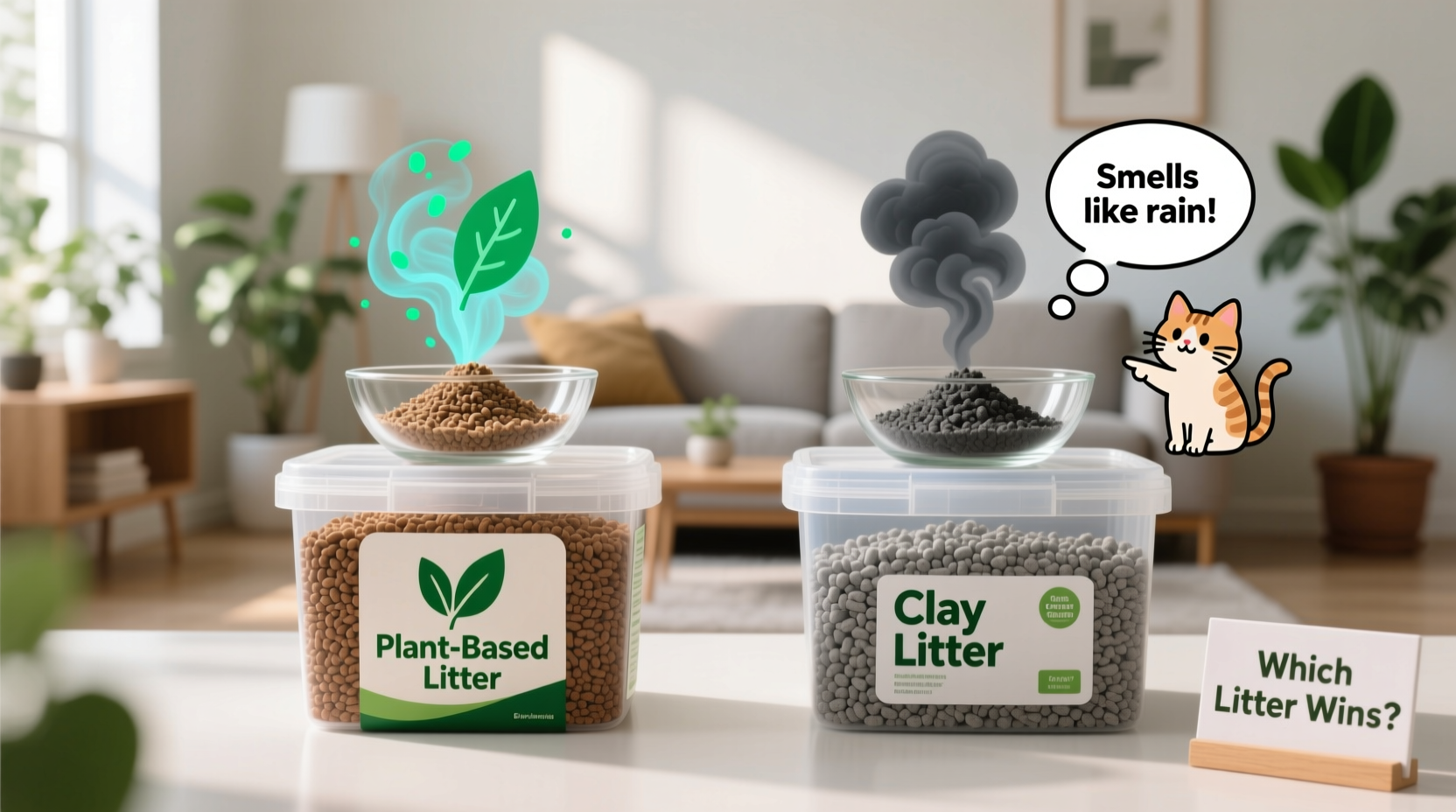
Tofu litter and clay litter are fundamentally different in composition, origin, and environmental impact. Understanding their core characteristics helps clarify why they perform differently in odor management and overall usability.
Tofu litter, despite its name, isn’t made from edible tofu but from soybean pulp—a byproduct of soy milk production. This plant-based material is processed into fine granules that absorb moisture quickly and clump effectively. It’s often marketed as flushable (in small amounts), compostable, and low-tracking, appealing to environmentally conscious pet parents.
Clay litter, on the other hand, is typically made from sodium bentonite, a type of volcanic ash mined from the earth. When exposed to moisture, it forms tight clumps, making waste removal efficient. It’s been the go-to choice for decades due to its high absorbency and strong odor-masking properties—often enhanced with chemical fragrances.
The key difference lies not just in ingredients, but in philosophy: tofu litter emphasizes sustainability and natural processes, while clay litter prioritizes immediate performance and cost-effectiveness.
Odor Control: How Do They Really Compare?
Odor control is arguably the top concern for cat owners. No one wants their living space smelling like a litter box. But effective odor management depends on multiple factors: absorption speed, pH neutrality, microbial activity, and the presence of masking agents.
Clay litter traditionally wins on perceived odor suppression because many brands use synthetic fragrances to cover up smells. However, these scents can irritate cats and humans alike, especially those with sensitivities. The clay itself absorbs liquid well, but ammonia—the primary culprit behind urine odor—can still build up over time if the box isn’t cleaned frequently.
Tofu litter takes a different approach. Its plant-based composition contains natural enzymes and neutral pH levels that inhibit bacterial growth, which is responsible for breaking down urea into smelly ammonia. Independent lab tests have shown that certain soy-based litters reduce ammonia emissions by up to 40% compared to non-scented clay alternatives. Additionally, because tofu litter is highly absorbent at the molecular level, it traps moisture faster, reducing the surface area available for bacteria to thrive.
“Plant-based litters like tofu don’t just mask odors—they disrupt the biological process that creates them.” — Dr. Lena Reyes, Feline Health Researcher at Pacific Pet Wellness Institute
However, effectiveness varies by brand. Some lower-quality tofu litters rely solely on added essential oils for scent control, which may wear off quickly. High-end formulations incorporate activated charcoal or bamboo extracts to enhance odor neutralization without artificial perfumes.
Tip: For optimal odor control with tofu litter, choose unscented varieties with added carbon or zeolite—natural mineral compounds known for trapping volatile organic compounds.Performance Comparison: A Side-by-Side Analysis
Beyond odor, several factors influence daily usability. The table below compares tofu and clay litters across key metrics.
| Feature | Tofu Litter | Clay Litter |
|---|---|---|
| Odor Control | Natural enzyme action reduces ammonia; some brands include carbon additives | Strong initial control via fragrance; odor returns as box ages |
| Clumping Ability | Firm clumps form within seconds; easy scooping | Excellent clumping due to bentonite expansion |
| Dust Level | Very low; ideal for sensitive respiratory systems | High dust output; can trigger allergies |
| Tracking | Minimal due to lightweight yet cohesive granules | Moderate to high; sticks to paws and spreads |
| Eco-Friendliness | Biodegradable, compostable (non-clay portion), renewable source | Mined resource; non-renewable, ends in landfill |
| Flushability | Most brands allow flushing small clumps (check local plumbing) | Never flushable; causes pipe clogs |
| Lifespan per Box | Slightly shorter due to higher absorption saturation | Lasts longer with less frequent changes |
| Cat Acceptance | Soft texture preferred by many; some cats reject new scents | Familiar feel; long-standing preference among cats |
While clay litter holds an edge in longevity and clumping strength, tofu litter excels in health and environmental categories. Importantly, modern tofu formulas have closed much of the performance gap, particularly in odor control when used correctly.
Real-World Experience: A Multi-Cat Household Case Study
Jamie Lin, a pet owner in Portland, Oregon, switched from clay to tofu litter after adopting a third cat and noticing persistent hallway odors despite daily scooping. “We were using a premium scented clay litter, but the ammonia smell was overwhelming near the utility room,” she recalls.
After researching eco-friendly options, Jamie tried a leading tofu litter infused with bamboo charcoal. She followed the transition protocol: mixing 25% new litter with 75% old over four days. Within a week, she noticed reduced odor between cleanings and no tracking on hardwood floors.
The real test came during a weekend trip. With two cats using the box for 72 hours without cleaning, the clay litter had previously produced a strong stench upon return. This time, opening the door revealed only a faint, earthy scent. “It wasn’t perfect, but it was livable. That never happened before,” Jamie says.
She did note one drawback: the litter absorbed so much moisture that clumps became heavier, requiring slightly more effort to scoop. Still, the trade-off in air quality and ease of disposal (she flushes small clumps) made the change worthwhile.
This case illustrates a broader trend: in households where odor sensitivity or multiple cats are concerns, tofu litter’s sustained performance often outweighs minor inconveniences.
Maximizing Odor Control: Best Practices for Both Litter Types
No litter performs optimally without proper maintenance. Even the most advanced formula will fail if basic hygiene is neglected. Here’s a step-by-step guide to ensure maximum odor control regardless of your choice.
- Scoop daily: Remove solids and wet clumps every 24 hours. Bacteria begin breaking down urea within hours of deposition.
- Ventilate the area: Place the litter box in a well-ventilated space. Avoid enclosed closets unless equipped with an exhaust fan.
- Use a covered box wisely: While covers reduce visibility of waste, they can trap odors. If using one, clean it more frequently and consider models with carbon filters.
- Replace litter completely every 3–4 weeks: Over time, micro-residues accumulate even in clumping litters, creating a breeding ground for odor-causing bacteria.
- Wash the box thoroughly: Use mild soap and warm water—never ammonia-based cleaners, which mimic urine scent and confuse cats.
- Layer smartly: For tofu litter, a base layer of 2 inches prevents leakage. Add fresh sprinkles weekly to maintain absorbency.
Common Misconceptions About Plant-Based Litter
Despite growing popularity, several myths persist about tofu and other plant-based litters.
- Myth: “It doesn’t control odor as well as clay.” Reality: Modern tofu litters use multi-phase absorption and enzymatic inhibitors that outperform basic clay, especially over time.
- Myth: “It dissolves too fast and makes a mess.” Reality: Only occurs with poor-quality brands or excessive moisture. Premium tofu litter maintains clump integrity for 24+ hours.
- Myth: “It’s unsafe to flush.” Reality: Most tofu litters are septic-safe in moderation. Always follow manufacturer guidelines and avoid flushing large volumes.
- Myth: “Cats won’t accept it.” Reality: Texture and scent matter more than material. Gradual transition increases acceptance rates above 85%, according to veterinary surveys.
Education remains key. Many negative reviews stem from improper use rather than product failure.
FAQ: Your Top Questions Answered
Does tofu litter really control ammonia smell better than clay?
Yes, in many cases. Because tofu litter is naturally alkaline-neutral and contains compounds that slow bacterial decomposition of urea, it delays ammonia release. Clay litter may seem stronger initially due to perfumes, but untreated ammonia builds up faster between cleanings.
Can I mix tofu and clay litter during transition?
You can, but it’s not recommended. Mixing materials alters clumping dynamics and may confuse your cat. Instead, layer them—place tofu on bottom, clay on top—and gradually reverse the ratio over a week.
Is tofu litter safe for kittens and senior cats?
Absolutely. Its low dust content benefits kittens’ developing lungs and older cats with respiratory conditions. Just ensure the颗粒 (granule size) isn’t too small to prevent ingestion during grooming.
Final Verdict: Which Should You Choose?
The answer depends on your priorities. If immediate, fragrance-heavy odor masking and long-lasting value are paramount, clay litter remains a solid performer. But if you value indoor air quality, environmental responsibility, and sustainable solutions that work *with* natural biology rather than against it, tofu litter is not just viable—it’s superior in key areas.
Modern plant-based litters have evolved beyond niche eco-products. They now offer competitive clumping, excellent odor control through scientific formulation, and meaningful reductions in household pollutants. As manufacturing improves and prices stabilize, tofu litter is poised to become the standard—not the exception.
“The future of pet care lies in aligning performance with planetary health. Tofu litter proves that sustainability doesn’t mean compromise.” — Dr. Arjun Patel, Environmental Veterinarian and Author of *Green Paws*
Action Plan: Making the Switch the Right Way
If you're ready to try tofu litter, follow this checklist to ensure success:
- ✅ Research brands with third-party testing for odor and clumping
- ✅ Buy a small trial bag before committing
- ✅ Prepare the litter box: wash thoroughly and dry completely
- ✅ Begin transition with 25% tofu, 75% current litter
- ✅ Increase tofu ratio by 25% every two days
- ✅ Monitor your cat’s behavior and elimination habits
- ✅ Adjust ventilation and scooping frequency as needed
Track your experience for one month. Note changes in odor levels, cleaning effort, and any shifts in your cat’s litter box usage. Data beats assumptions.
🚀 Ready to breathe easier and reduce your pet’s carbon pawprint? Try a high-quality tofu litter today—and discover how plant-based innovation can transform a daily chore into a cleaner, healthier routine.








