Toenail separation, medically known as onycholysis, is a condition where the nail plate gradually detaches from the underlying nail bed. While it may initially appear as a cosmetic concern, onycholysis can signal underlying health issues or result from repeated trauma, infections, or improper nail care. Understanding its causes, recognizing early signs, and applying appropriate treatments are essential steps in restoring nail health and preventing complications such as fungal infections or permanent nail damage.
What Is Onycholysis?
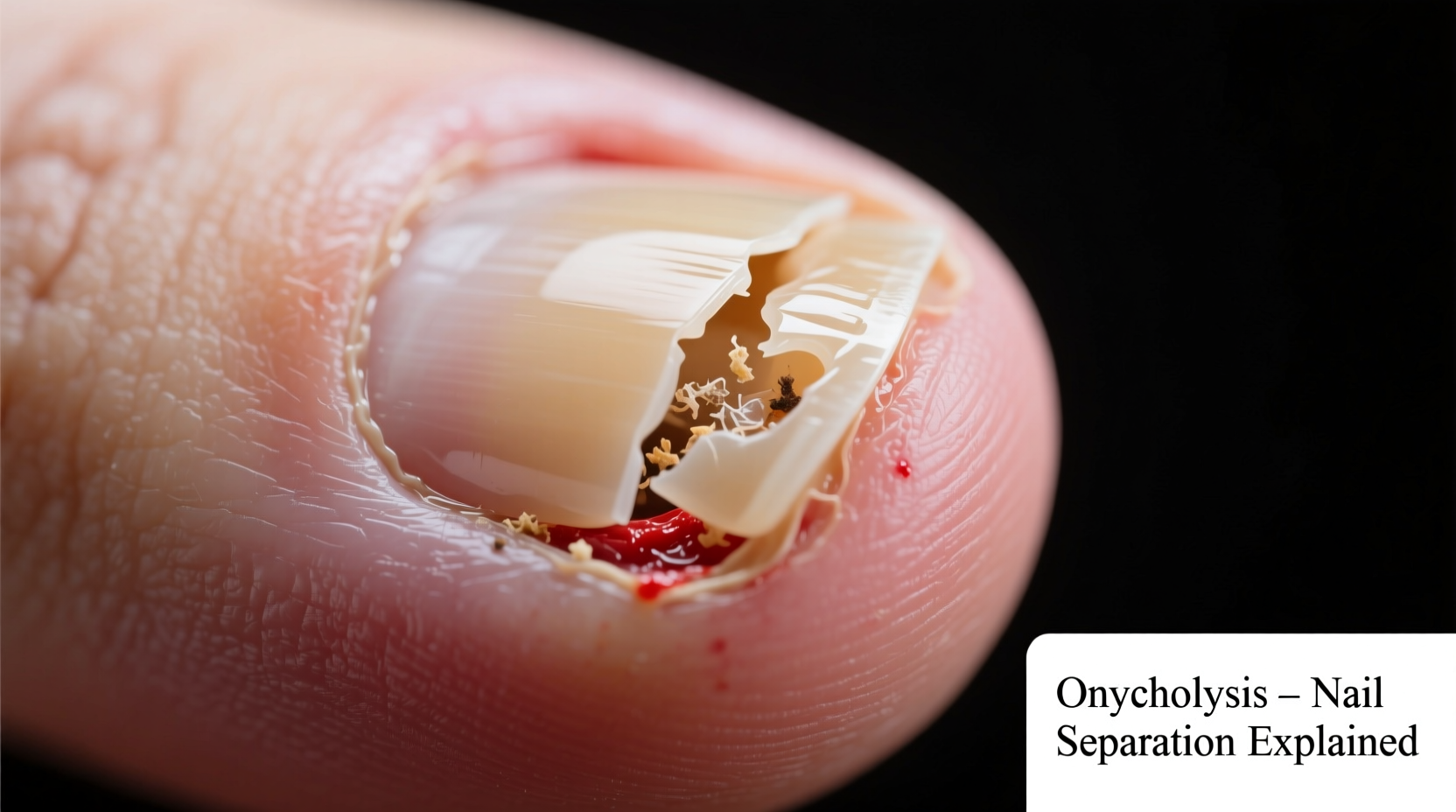
Onycholysis refers to the painless separation of the fingernail or toenail from the nail bed, typically starting at the tip or sides and progressing inward. The detached portion often turns white, yellow, or green due to air exposure or secondary infection. Though not usually painful in early stages, it can become uncomfortable if pressure builds beneath the nail or if an infection develops.
This condition affects more than just appearance—it compromises the protective function of the nail and increases vulnerability to bacteria and fungi. Onycholysis is more common in toenails due to constant pressure from footwear, moisture exposure, and repetitive microtrauma during activities like running or hiking.
“Onycholysis isn’t always about fungus. Many cases stem from mechanical stress or systemic conditions that patients overlook.” — Dr. Lena Torres, Board-Certified Dermatologist
Common Causes of Toenail Separation
The reasons behind toenail separation vary widely. Identifying the root cause is crucial for effective treatment and prevention of recurrence.
- Trauma or Pressure: Repeated impact from tight shoes, stubbing, or sports injuries can lift the nail over time.
- Fungal Infections (Onychomycosis): Fungi thrive in warm, moist environments and break down the connection between the nail and bed.
- Psoriasis: Nail psoriasis disrupts normal cell growth, leading to lifting, pitting, and discoloration.
- Thyroid Disorders: Both hyper- and hypothyroidism are linked to nail changes, including onycholysis.
- Allergic Reactions: Exposure to nail adhesives, soaps, or cleaning agents can trigger inflammation and separation.
- Medications: Certain drugs—like tetracyclines, chemotherapy agents, or retinoids—can cause nail toxicity.
- Moisture Exposure: Constant wetness softens the nail bed, making detachment easier.
Diagnosis and When to See a Doctor
While mild cases may resolve with self-care, persistent or worsening separation warrants professional evaluation. A healthcare provider—typically a dermatologist or podiatrist—will examine the nail, assess medical history, and possibly take a scraping to test for fungal or bacterial infection.
Diagnostic steps include:
- Visual inspection for color changes, debris under the nail, or signs of inflammation.
- KOH (potassium hydroxide) test to detect fungal elements.
- Blood tests if systemic disease (e.g., thyroid dysfunction) is suspected.
- Dermoscopy for psoriatic nail changes.
Early diagnosis prevents progression and helps avoid unnecessary treatments, especially when non-infectious causes are involved.
Effective Treatment Options
Treatment depends on the underlying cause. There is no one-size-fits-all solution, but a targeted approach yields better results.
| Cause | Treatment Approach | Expected Timeline |
|---|---|---|
| Fungal Infection | Oral antifungals (terbinafine), topical solutions, laser therapy | 6–12 months for full regrowth |
| Trauma | Nail protection, proper footwear, monitoring for infection | 3–6 months (natural regrowth) |
| Psoriasis | Topical steroids, vitamin D analogs, biologics for severe cases | Ongoing management required |
| Contact Irritation | Avoid irritants, use protective gloves, moisturize | Improvement in weeks |
| Hypothyroidism | Hormone replacement therapy | Nail improves with stabilized levels |
In all cases, patience is key. Nails grow slowly—about 1 mm per month—so visible improvement takes time even after successful treatment.
Step-by-Step Home Care Guide
If diagnosed with mild onycholysis and cleared for home management, follow this routine:
- Trim carefully: Cut the separated portion straight across to prevent snagging. Do not pull or rip loose sections.
- Keep dry: Dry feet thoroughly after bathing. Use absorbent socks made of moisture-wicking fabric.
- Disinfect: Soak feet in diluted vinegar (1 part vinegar to 2 parts water) for 15 minutes daily to inhibit fungal growth.
- Protect: Wear roomy, breathable shoes. Avoid high heels or narrow toe boxes.
- Apply antifungal (if indicated): Use over-the-counter antifungal creams like clotrimazole only if infection is suspected.
- Monitor: Check weekly for signs of spreading, odor, or pus.
Real-Life Example: Marathon Runner’s Recovery
James, a 34-year-old marathon runner, noticed his right big toenail turning yellow and lifting after a long-distance race. He assumed it was “runner’s toe” from impact, but six weeks later, the separation worsened and developed a foul smell. After visiting a podiatrist, he was diagnosed with onychomycosis complicated by minor trauma.
His treatment plan included oral terbinafine for 12 weeks, daily foot hygiene, switching to moisture-wicking socks, and wearing shoes with extra toe space. Within five months, a new, healthy nail had grown in completely. His case highlights how combining medical treatment with lifestyle adjustments leads to recovery.
Prevention Checklist
Preventing onycholysis involves consistent habits. Follow this checklist to protect your toenails:
- ✅ Wear properly fitted shoes with adequate toe room
- ✅ Change socks daily—or more if feet sweat heavily
- ✅ Dry feet thoroughly, especially between toes
- ✅ Avoid walking barefoot in public showers or pools
- ✅ Trim nails straight across; don’t cut too short
- ✅ Use antifungal powder in shoes if prone to infections
- ✅ Manage underlying conditions like psoriasis or thyroid disease
- ✅ Limit use of nail polish and artificial nails
Frequently Asked Questions
Can onycholysis heal on its own?
Yes, if caused by minor trauma and the nail matrix remains undamaged, the nail can regrow normally once the irritant is removed. However, persistent cases—especially those involving infection or systemic illness—require treatment.
Is it safe to remove the detached nail at home?
No. Removing large portions of a loose nail without sterilized tools increases infection risk. Only trim small, hanging edges with clean clippers if necessary. Consult a professional for significant detachment.
How long does it take for a new toenail to grow back?
A fully regrown toenail typically takes 6 to 12 months, depending on age, circulation, and overall health. Growth is slower in older adults and those with diabetes or poor blood flow.
Final Thoughts and Action Steps
Toenail separation is more than a cosmetic nuisance—it’s a sign that something needs attention, whether it’s your footwear, hygiene habits, or overall health. Ignoring onycholysis can lead to chronic discomfort, recurrent infections, or irreversible nail deformities. By understanding the causes, seeking timely diagnosis, and following evidence-based care, most people can restore healthy nail growth.
Start today: inspect your feet, evaluate your shoes, and schedule a check-up if separation persists beyond a few weeks. Small changes now can prevent long-term complications and keep your feet strong and functional for years to come.
💬 Have experience with toenail separation? Share your story or tips below. Your insights could help others navigate their healing journey.








