Waking up with a tingling sensation in your toes or noticing persistent numbness at the tips can be unsettling. While occasional toe numbness may stem from something as simple as tight footwear, recurring or prolonged symptoms could signal an underlying health condition. Understanding the potential causes, knowing how to manage mild cases, and recognizing red flags are essential steps toward protecting your long-term foot health and overall well-being.
Common Causes of Toe Tip Numbness
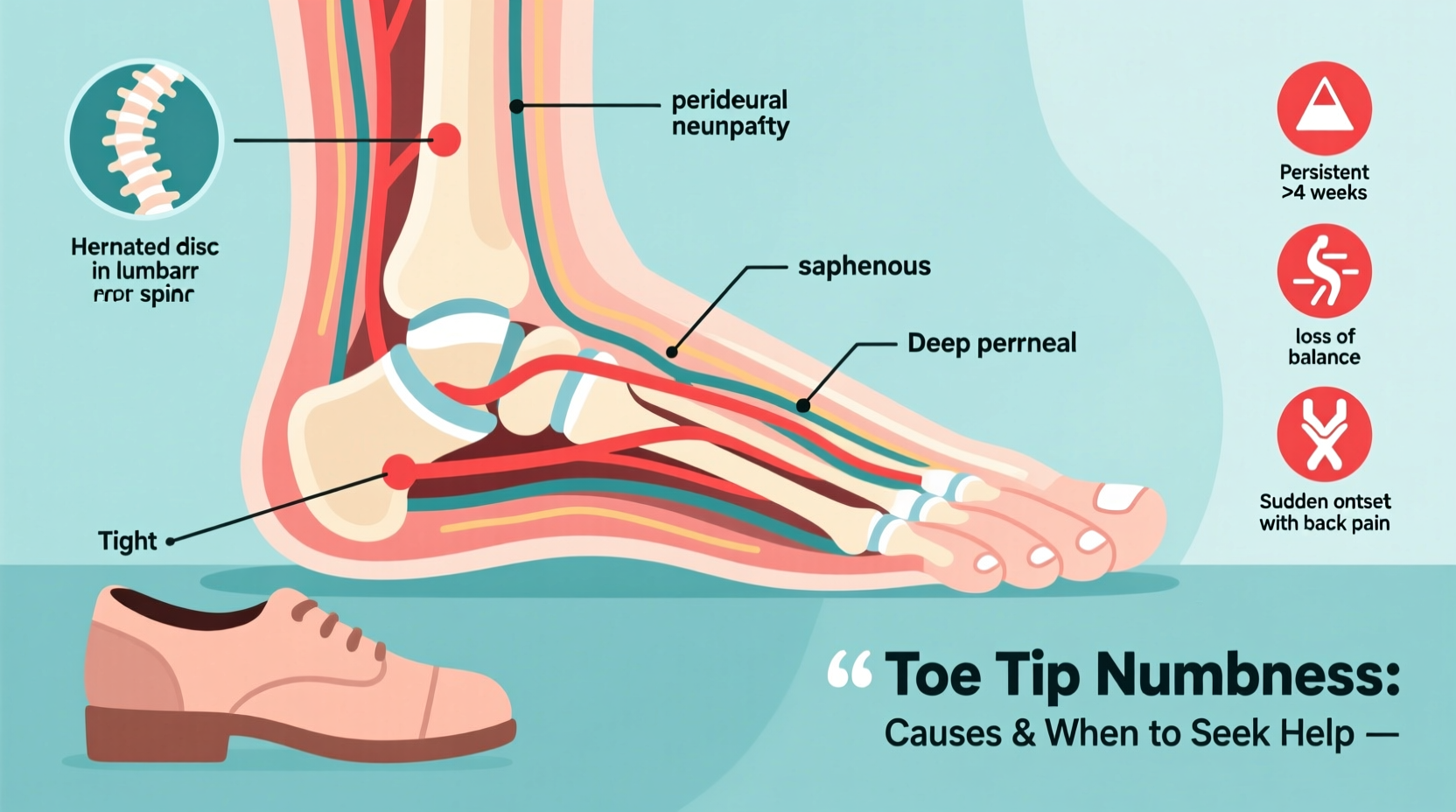
Numbness in the toe tips often results from disrupted nerve signaling. This disruption can occur due to pressure, inflammation, circulation issues, or systemic disease. Some of the most frequent contributors include:
- Pressure on nerves: Wearing narrow or high-heeled shoes compresses the forefoot, potentially irritating the digital nerves—especially between the third and fourth toes (a condition known as Morton’s neuroma).
- Prolonged sitting or standing: Remaining in one position for too long can temporarily reduce blood flow or compress nerves leading to the feet.
- Peripheral neuropathy: Often linked to diabetes, this condition damages peripheral nerves, commonly starting in the feet. Over 50% of people with diabetes develop some degree of neuropathy.
- Vitamin deficiencies: Low levels of B vitamins—particularly B12, B6, and B1—can impair nerve function and lead to numbness.
- Hypothyroidism: Underactive thyroid function is associated with fluid retention and nerve compression, which may contribute to extremity numbness.
When Numbness Signals a Serious Condition
While transient numbness is usually harmless, certain patterns suggest more serious pathology. Conditions that require prompt evaluation include:
- Lumbar radiculopathy: A herniated disc or spinal stenosis in the lower back can pinch nerves that travel down the leg and into the toes. This often presents with radiating pain, weakness, or numbness following a specific nerve pathway.
- Peripheral artery disease (PAD): Reduced blood flow to the legs due to arterial blockage not only causes numbness but may also produce cramping during walking (claudication), cold feet, and slow-healing sores.
- Multiple sclerosis (MS): Central nervous system disorders like MS can cause sensory disturbances, including isolated numbness in extremities, often accompanied by vision changes, fatigue, or muscle spasms.
- Autoimmune diseases: Conditions such as lupus or rheumatoid arthritis may trigger inflammatory nerve damage (neuritis) leading to numbness.
- Toxic exposure or medication side effects: Chemotherapy drugs, alcohol abuse, or heavy metal toxicity can all induce peripheral neuropathy.
“Numbness that spreads, worsens at night, or occurs alongside weakness should never be ignored. It may reflect nerve root compression or systemic disease.” — Dr. Alan Reyes, Neurologist and Peripheral Nerve Specialist
Treatment Options Based on Cause
Effective treatment depends entirely on identifying the root cause. Self-management may help in minor cases, but professional diagnosis is crucial when symptoms persist.
| Cause | Treatment Approach | Timeframe for Improvement |
|---|---|---|
| Tight footwear / mechanical pressure | Switch to wide-toe-box shoes, use metatarsal pads | Hours to days after removing pressure |
| Diabetic neuropathy | Blood sugar control, medications (e.g., gabapentin), topical creams | Weeks to months; ongoing management needed |
| Vitamin B12 deficiency | Supplementation via oral or injectable B12 | Improvement within weeks; full recovery over months |
| Lumbar disc issue | Physical therapy, epidural injections, possible surgery | Variable; 6–12 weeks for conservative care |
| Peripheral artery disease | Lifestyle changes, statins, antiplatelet drugs, revascularization | Ongoing; prevents progression |
Home Remedies and Supportive Care
For mild, non-progressive numbness, consider these supportive strategies:
- Elevate your feet regularly to improve circulation.
- Practice gentle foot exercises like toe spreads and ankle circles.
- Use warm (not hot) foot baths to stimulate blood flow—avoid if you have reduced sensation.
- Maintain healthy blood sugar levels if diabetic.
- Take a B-complex supplement if dietary intake is low (consult your doctor first).
Mini Case Study: Recognizing Early Neuropathy
Sarah, a 58-year-old office worker with type 2 diabetes, began noticing intermittent numbness in her right big toe tip six months ago. She initially dismissed it as poor footwear. Over time, the numbness spread to adjacent toes and started occurring daily. She also reported occasional burning sensations at night. After visiting her primary care physician, a neurological exam and HbA1c test revealed poorly controlled blood sugar and early signs of peripheral neuropathy. With tighter glucose monitoring, prescribed pregabalin, and custom orthotics, Sarah’s symptoms stabilized within three months. Her case highlights the importance of early intervention before irreversible nerve damage occurs.
When to Seek Medical Attention: The Red Flags
Not all toe numbness requires emergency care, but certain symptoms demand timely evaluation. Use the following checklist to assess urgency:
Checklist: When to See a Doctor- ✅ Numbness spreading up the foot or leg
- ✅ Loss of balance or coordination
- ✅ Muscle weakness in the foot (e.g., difficulty lifting toes)
- ✅ Open sores or ulcers on numb areas
- ✅ History of diabetes, back injury, or autoimmune disease
- ✅ Sudden onset after trauma or spine injury
- ✅ Numbness affecting both sides of the body symmetrically
If two or more of these apply, schedule an appointment with a healthcare provider within 48 hours. Immediate emergency care is warranted if numbness follows a stroke-like pattern—such as facial drooping, slurred speech, or arm weakness—since central nervous system involvement must be ruled out.
Preventive Strategies for Long-Term Foot Health
Protecting your feet proactively reduces the risk of chronic numbness and complications. Incorporate these habits into your routine:
- Daily foot inspections: Check for cuts, blisters, or discoloration, especially if you have diabetes.
- Proper footwear: Choose shoes with adequate depth, cushioning, and a wide toe box. Replace worn-out soles promptly.
- Regular movement: Avoid sitting for extended periods. Take short walks every hour to promote circulation.
- Nutritional balance: Eat foods rich in B vitamins—such as eggs, leafy greens, fish, and fortified cereals.
- Manage chronic conditions: Keep blood pressure, cholesterol, and glucose levels within target ranges.
Frequently Asked Questions
Can dehydration cause toe numbness?
Indirectly, yes. Severe dehydration can lead to electrolyte imbalances (like low potassium or sodium), which affect nerve conductivity. However, isolated toe numbness is unlikely to stem solely from mild dehydration.
Is toe numbness a sign of a heart problem?
Not directly, but poor circulation due to cardiovascular disease—such as atherosclerosis—can reduce blood flow to extremities and contribute to numbness. It's a sign of vascular compromise rather than acute heart dysfunction.
Why does my toe go numb only at night?
Nocturnal numbness may result from positional compression during sleep—such as tucking feet under the body—or increased perception of symptoms in quiet environments. In diabetics, nerve damage often worsens at night due to temperature changes and reduced distraction.
Conclusion: Take Action Before It Progresses
Toe tip numbness might seem minor, but it can be the first whisper of a larger health story. Whether it’s a shoe pressing too hard or a metabolic imbalance simmering beneath the surface, listening to your body pays dividends. Don’t wait for symptoms to escalate. Address lifestyle factors, monitor changes closely, and consult a healthcare provider when in doubt. Early action preserves sensation, prevents complications like ulcers or falls, and supports overall mobility and independence.
💬 Your feet carry you through life—don’t ignore their signals. Share your experience or questions below, and help others recognize when numbness is more than just a passing sensation.








