
Many people notice small, painless bumps appearing on their cheeks, forehead, or around the eyes and wonder what’s causing them. These tiny bumps are usually not acne, nor are they contagious—but they can be persistent and frustrating. Understanding the root cause is essential for choosing the right treatment. From trapped dead skin cells to hormonal fluctuations, several factors contribute to these blemishes. This guide breaks down the most common types, explains why they form, and offers science-backed solutions to clear and prevent them.
Common Causes of Tiny Bumps on the Face
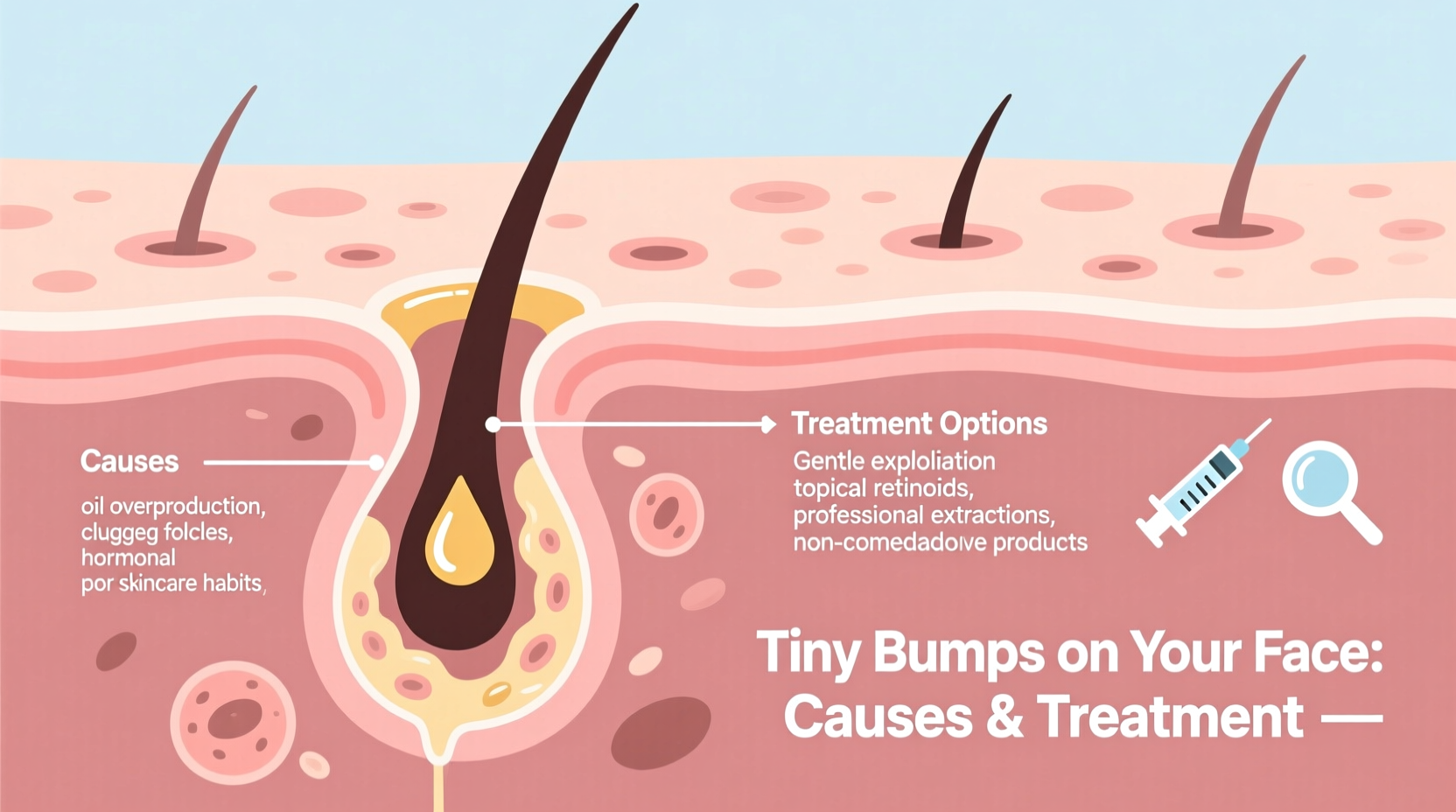
Tiny facial bumps come in many forms, each with a distinct origin. Identifying the type helps determine the best course of action.
- Milia: Small, hard, white cysts formed when keratin becomes trapped beneath the skin’s surface. Often appear around the eyes and cheeks.
- Closed comedones (whiteheads): Pores clogged with oil and dead skin cells, covered by a thin layer of skin. Appear as flesh-colored or slightly white bumps.
- Keratosis pilaris: A genetic condition causing rough patches and tiny bumps, commonly on cheeks and arms, due to excess keratin blocking hair follicles.
- Sebaceous hyperplasia: Enlarged oil glands that look like soft, yellowish bumps, typically on the forehead or nose.
- Folliculitis: Inflamed hair follicles caused by bacteria, yeast, or irritation from shaving or friction.
Environmental factors such as heavy skincare products, sun damage, and poor exfoliation habits often exacerbate these conditions. Hormonal changes, especially during puberty, pregnancy, or menopause, may also trigger flare-ups.
Tip: Avoid picking or squeezing bumps—this can lead to scarring, infection, or worsened inflammation.How to Treat Different Types of Facial Bumps
Treatment depends on the underlying cause. Using the wrong product can make things worse, so accurate identification is key.
Treating Milia
Milia often resolve on their own but may persist for months. Over-the-counter retinoids (like adapalene) help speed up cell turnover, gradually bringing trapped keratin to the surface. For stubborn cases, a dermatologist may perform extraction using a sterile needle or lance.
Clearing Closed Comedones
These respond well to chemical exfoliants. Salicylic acid (a beta-hydroxy acid) penetrates oil and dissolves debris inside pores. Use 0.5%–2% salicylic acid cleansers or toners every other day to avoid over-drying.
Managing Keratosis Pilaris
Lactic acid, urea, or glycolic acid lotions smooth rough texture by gently dissolving excess keratin. Apply daily after showering for best results. Moisturizing regularly is crucial, as dryness worsens the condition.
Addressing Sebaceous Hyperplasia
Topical prescription retinoids (tretinoin) can reduce gland size over time. For faster results, dermatologists use electrodessication, laser therapy, or cryotherapy.
“Consistent use of topical retinoids is one of the most effective ways to prevent micro-bumps caused by clogged pores and abnormal keratinization.” — Dr. Lena Patel, Board-Certified Dermatologist
Step-by-Step Skincare Routine for Smooth Skin
A targeted routine can significantly improve skin texture and reduce bump recurrence. Follow this five-step regimen:
- Cleanse gently: Use a non-comedogenic, sulfate-free cleanser twice daily. Avoid harsh scrubs that irritate follicles.
- Exfoliate wisely: Apply a chemical exfoliant 2–3 times per week. Start with low concentrations to assess tolerance.
- Apply treatment serum: Use a product containing niacinamide or retinol to regulate oil and support cell renewal.
- Moisturize daily: Even oily skin needs hydration. Choose an oil-free, non-comedogenic moisturizer.
- Wear sunscreen: UV exposure thickens the skin and increases keratin buildup. Use SPF 30+ daily.
Do’s and Don’ts: Managing Facial Bumps
| Do’s | Don’ts |
|---|---|
| Use non-comedogenic makeup and skincare | Use heavy oils like coconut or cocoa butter on acne-prone areas |
| Wash pillowcases and phone screens weekly | Over-exfoliate or use multiple actives simultaneously |
| See a dermatologist for persistent bumps | Pick, pop, or scratch bumps |
| Stay hydrated and maintain a balanced diet | Ignore signs of irritation or redness |
Real-Life Example: Clearing Stubborn Cheek Bumps
Sarah, a 28-year-old graphic designer, struggled with tiny, sandpaper-like bumps on her cheeks for years. She assumed it was acne and used drying spot treatments, which only made her skin drier and more irritated. After visiting a dermatologist, she learned she had keratosis pilaris exacerbated by thick moisturizers and lack of exfoliation.
Her dermatologist recommended switching to a lactic acid cleanser, applying a lightweight hydrating serum with ceramides, and using a broad-spectrum sunscreen daily. Within six weeks, the texture improved dramatically. “I wish I hadn’t wasted years using the wrong products,” Sarah said. “Once I understood my skin, the solution was simple.”
Prevention Checklist
Preventing recurrence requires consistency and smart choices. Use this checklist to stay on track:
- ✅ Cleanse face every morning and night
- ✅ Exfoliate 2–3 times per week with a gentle chemical exfoliant
- ✅ Use oil-free, non-comedogenic moisturizers and sunscreens
- ✅ Replace pillowcases every 5–7 days
- ✅ Avoid touching face throughout the day
- ✅ Limit use of heavy makeup or pore-clogging primers
- ✅ Schedule annual skin check-ups with a dermatologist
Frequently Asked Questions
Can tiny facial bumps be caused by my skincare products?
Yes. Heavy creams, oils, and silicones (like dimethicone) can clog pores and lead to milia or closed comedones, especially around the delicate eye area. Switch to lighter, water-based formulas labeled “non-comedogenic” if you’re prone to bumps.
Are these bumps related to hormones?
In some cases, yes. Hormonal fluctuations can increase sebum production, leading to clogged pores and micro-comedones. Women experiencing cyclical breakouts or onset during pregnancy or PCOS may benefit from hormonal evaluation and prescription treatments like oral contraceptives or spironolactone.
Is it safe to remove milia at home?
No. Attempting to extract milia with needles or tweezers risks scarring, infection, and spreading bacteria. Always consult a licensed dermatologist or esthetician for safe removal using sterilized tools.
Conclusion: Take Control of Your Skin Health
Tiny bumps on the face are common and often manageable with the right knowledge and routine. Whether it’s milia, comedones, or keratosis pilaris, understanding your skin’s needs is the first step toward clarity. With consistent care, proper exfoliation, and professional guidance when needed, smooth, bump-free skin is within reach. Don’t settle for temporary fixes—build a sustainable skincare foundation that supports long-term health and confidence.
💬 Have questions about your skin concerns? Share your experience or ask for advice in the comments—let’s build a community of informed, empowered skincare enthusiasts!








