If you've spent more than 20 minutes scrolling TikTok’s #PetTok or #DogTok feeds, you’ve likely seen the viral pink donut-shaped bed nestled in a cozy corner, surrounded by a blissfully sleeping pup. The product? A Snuggle Buns pet bed. Marketed as a supportive, calming haven for anxious dogs, these beds have exploded in popularity thanks to influencer unboxings, emotional testimonials, and heartwarming before-and-after clips of once-restless dogs finally relaxing. But beyond the algorithmic hype—do Snuggle Buns beds actually help anxious dogs? Or is this just another case of social media selling comfort through aesthetics?
This article dives deep into the design, materials, veterinary perspectives, and real-world results to answer that question with clarity and honesty. Whether your dog paces during storms, trembles at fireworks, or simply seems unable to settle at night, understanding whether this viral product delivers on its promises could make a meaningful difference in your pet’s quality of life.
What Makes Snuggle Buns Beds Different?
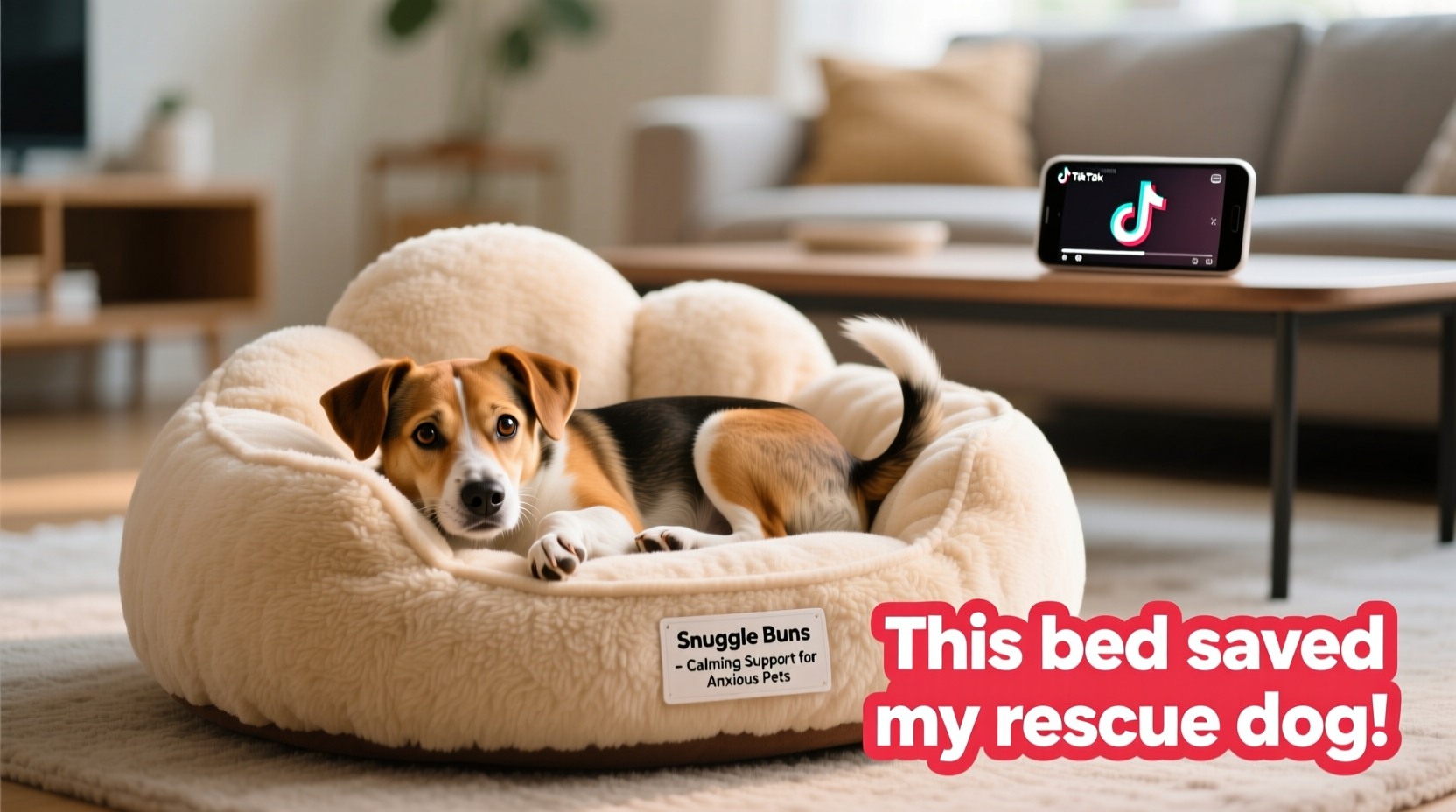
Snuggle Buns pet beds fall into the category of \"bolster\" or \"nesting\" beds—circular designs with raised edges that mimic the feeling of being tucked in. Unlike flat mats or orthopedic rectangles, these beds encourage dogs to curl up, with the high rim offering physical contact that many find comforting.
The brand emphasizes three core features:
- 360-degree bolster support: A continuous padded wall surrounds the bed, allowing dogs to rest their head, lean against the side, or tuck their body into the curve.
- Memory foam base: Most models include a high-density memory foam layer designed to contour to the dog’s shape, reducing pressure points.
- Soft, plush exterior: Made from ultra-soft sherpa or faux fur fabric, the interior lining aims to replicate the warmth and texture of a mother’s coat.
These elements align closely with what animal behaviorists recommend for anxious pets: security, tactile feedback, and environmental control. The raised edges simulate den-like protection, which can be especially beneficial for dogs with noise sensitivity, separation anxiety, or past trauma.
Tip: For dogs with extreme anxiety, pairing a nesting bed with a weighted blanket or pheromone diffuser may enhance the calming effect.Do They Actually Help Anxious Dogs? Science & Expert Insight
Anxiety in dogs manifests in many ways—whining, pacing, panting, destructive behavior, or avoidance. While medication and behavioral training remain cornerstone treatments, environmental enrichment—including bedding—plays a supporting role.
Dr. Lena Patel, a certified veterinary behaviorist based in Portland, explains:
“Dogs are den animals by instinct. When they feel vulnerable, they seek enclosed spaces. Elevated walls on a bed provide proprioceptive input—physical feedback that helps them feel grounded. That’s why nesting beds often reduce anxiety-related behaviors, especially in smaller breeds or dogs with a history of neglect.” — Dr. Lena Patel, DVM, Veterinary Behavior Specialist
Studies on canine sleep environments suggest that dogs prefer soft, elevated surfaces with boundary cues. A 2022 study published in *Applied Animal Behaviour Science* found that dogs exposed to simulated thunderstorms showed significantly lower cortisol levels when resting in a bolstered bed versus a flat mat. While the research didn’t test Snuggle Buns specifically, the design principles match those used in the trial.
The memory foam component also contributes. Pressure point relief improves circulation and reduces discomfort, which is critical because physical pain can exacerbate anxiety. Older dogs or those with arthritis may benefit doubly—calmer mentally and more comfortable physically.
Real Owner Experiences: A Mini Case Study
Samantha R., a dog owner from Austin, adopted a 3-year-old border collie mix named Scout last year. Rescued from a hoarding situation, Scout was initially terrified of loud noises and avoided all human touch. He slept under the dining table every night, never fully lying down.
After seeing a Snuggle Buns bed featured in a rescue-focused TikTok video, Samantha decided to try one. She chose the medium size in gray sherpa, placing it in a quiet corner of the living room with Scout’s favorite toy inside.
“The first night, he sniffed it and walked away,” she recalls. “But by day three, he started resting his chin on the edge. Within a week, he was curled up inside it every evening. Now, during storms, he goes straight to the bed like it’s his safe zone.”
She notes one caveat: “It took two weeks of positive reinforcement—treats, praise, letting him explore it on his terms. The bed didn’t fix everything overnight, but it gave him a predictable, cozy place to decompress.”
Her experience reflects a broader trend: the bed isn’t a standalone solution, but a tool that works best within a larger behavioral strategy.
Comparing Snuggle Buns to Other Anxiety-Relief Beds
To assess value and effectiveness, it helps to compare Snuggle Buns with other popular options on the market. The table below outlines key differences:
| Feature | Snuggle Buns | Furhaven Nesting Bed | K&H Pet Products Thermo-Sleep Pad |
|---|---|---|---|
| Bolster Design | 360° continuous | 360° with slight gap | None (flat pad) |
| Foam Type | High-density memory foam | Polyester fiberfill | Self-heating reflective layer |
| Washable | Removable cover, machine washable | Spot clean only | Machine washable |
| Best For | Anxiety, small-medium dogs | Budget option, light chewers | Cold climates, older dogs |
| Price Range | $60–$90 | $30–$50 | $45–$70 |
While Snuggle Buns is among the pricier options, its combination of memory foam and full-circle bolster gives it an edge for anxiety-specific use. However, durability concerns exist—some owners report seam splitting after six months of heavy use, particularly with larger or more active dogs.
How to Choose the Right Size and Use It Effectively
Picking the correct size is crucial. A bed that’s too small won’t allow proper curling; one that’s too large loses its den-like intimacy. Snuggle Buns offers four sizes:
- XS (24” diameter) – Ideal for dogs under 15 lbs (e.g., Chihuahuas, Yorkies)
- S (30”) – Best for 15–30 lbs (Cavalier King Charles Spaniels, Pugs)
- M (36”) – Fits 30–50 lbs (Beagles, Corgis)
- L (42”) – Suitable for 50–70 lbs (Border Collies, Australian Shepherds)
Note: Larger breeds may need extra room if they stretch out. If your dog weighs near the upper limit, consider sizing up.
Step-by-Step Guide to Introducing the Bed
- Place it in a low-traffic area: Start in a quiet room where your dog already feels safe.
- Add familiar scents: Place an old t-shirt or blanket with your scent inside the bed.
- Use treats and toys: Toss high-value treats into the center to encourage exploration.
- Pair with calm moments: Let your dog discover the bed when relaxed, not during an anxiety trigger.
- Be patient: Allow several days to weeks for full acceptance. Never force your dog into it.
Common Pitfalls and What to Avoid
Even the best-designed bed can fail if introduced incorrectly. Here are frequent mistakes owners make:
- Expecting immediate results: Behavioral change takes time. Don’t assume the bed isn’t working after a few days.
- Placing it in a noisy area: A nesting bed won’t compensate for constant disturbances like TVs or foot traffic.
- Ignoring chew tendencies: Some dogs with anxiety also chew destructively. Supervise initial use and consider a protective cover.
- Skipping cleaning: Dirt and odors can deter use. Wash the removable cover every 2–3 weeks.
FAQ: Your Top Questions Answered
Can Snuggle Buns beds help with separation anxiety?
They can help as part of a broader plan. The secure, enclosed design provides comfort, but should be paired with gradual desensitization training, puzzle toys, and possibly calming aids like Adaptil diffusers. Alone, the bed won’t resolve separation issues, but it can become a positive association space.
Are they durable for larger or active dogs?
Medium and large dogs can use them, but durability varies. Owners of labs and shepherds report mixed results—some dogs treat the bed gently, while others claw or bite the seams. If your dog is rough, consider a reinforced orthopedic bed or place a waterproof liner underneath to protect stitching.
How do I clean a Snuggle Buns bed?
The outer cover is machine washable (cold water, gentle cycle). Remove it, zip closed, and wash separately. Air dry completely before reassembling. The inner foam core should never be submerged; spot clean with mild detergent and a damp cloth if needed.
Final Checklist Before Buying
Before clicking “Add to Cart,” ask yourself:
- Does my dog prefer enclosed or open sleeping spaces?
- Is my dog under 70 lbs and not a heavy chewer?
- Do I have a quiet, consistent spot to place the bed?
- Am I prepared to introduce it gradually with positive reinforcement?
- Have I ruled out medical causes of anxiety (e.g., pain, thyroid issues)?
If most answers are “yes,” a Snuggle Buns bed could be a worthwhile investment. If your dog is aggressive with bedding or exceeds weight limits, explore alternatives with tougher fabrics and reinforced stitching.
Conclusion: Is the Hype Justified?
TikTok didn’t invent anxiety relief for dogs—but it did spotlight a product that resonates with real needs. Snuggle Buns pet beds aren’t magic, nor are they universally perfect. But for many dogs, especially small to medium breeds with moderate anxiety, the combination of ergonomic design, soft materials, and den-like structure creates a genuine sense of safety.
Their success lies not in going viral, but in aligning with canine psychology. When used thoughtfully—as part of a calm environment, consistent routine, and behavioral support plan—they can become a trusted retreat for nervous pets.
If your dog struggles to relax, consider trying a Snuggle Buns bed with realistic expectations and patience. Monitor their response, adjust placement as needed, and celebrate small wins. After all, peace of mind—for both you and your dog—is worth more than any trending hashtag.
💬 Have you tried a Snuggle Buns bed for your anxious dog? Share your story in the comments—your experience could help another pet parent decide.








