
Thinning edges—especially along the hairline—are a common concern for people of all genders, but particularly prevalent among those with textured or tightly coiled hair. While some degree of shedding is normal, persistent recession at the front of the scalp can signal underlying issues ranging from styling habits to hormonal imbalances. The good news: in many cases, early intervention can halt progression and even stimulate regrowth. Understanding the root causes and implementing science-backed treatments is key to restoring a healthy hairline.
What Causes Thinning Edges?
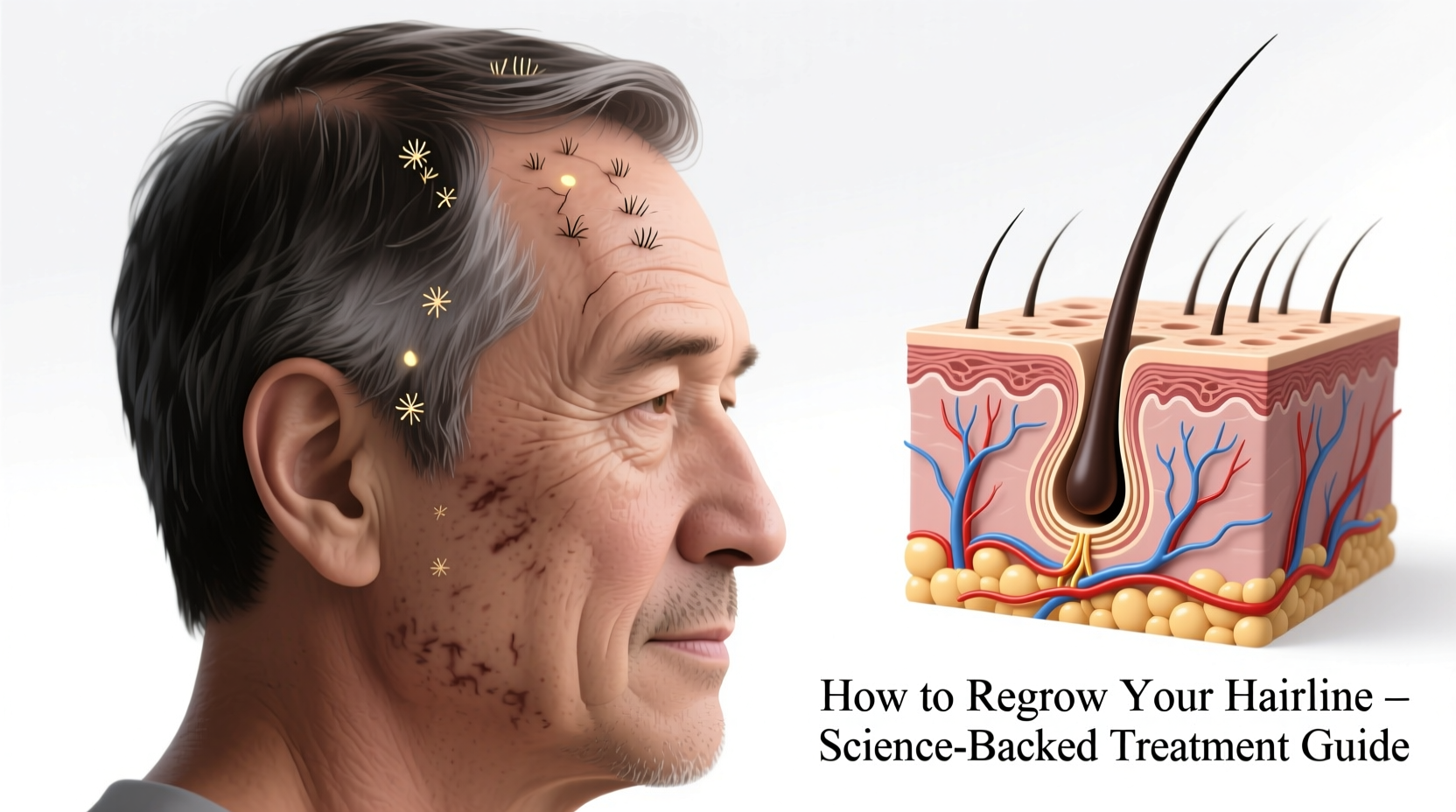
Thinning edges rarely stem from a single factor. Instead, they’re often the result of a combination of genetic predisposition, environmental stressors, and lifestyle choices. Identifying the primary contributors is essential before beginning any treatment plan.
- Traction alopecia: This is the most common cause of receding edges, especially among individuals who frequently wear tight braids, cornrows, ponytails, or extensions. Constant pulling damages hair follicles over time, leading to irreversible hair loss if not addressed.
- Overstyling and chemical damage: Frequent use of heat tools, relaxers, and harsh gels can weaken the delicate hair at the front of the scalp, making it prone to breakage.
- Hormonal imbalances: Conditions like polycystic ovary syndrome (PCOS) or thyroid disorders can trigger diffuse thinning, including along the hairline.
- Nutritional deficiencies: Low levels of iron, vitamin D, zinc, and biotin are linked to poor hair health and increased shedding.
- Genetics: Androgenetic alopecia (pattern hair loss) can begin at the temples, creating a gradually receding hairline even in young adults.
- Poor scalp health: Buildup from products, dandruff, or seborrheic dermatitis can clog follicles and inhibit growth.
Evidence-Based Treatments to Regrow Your Hairline
Effective treatment depends on the underlying cause, but several clinically supported options exist to promote regrowth and strengthen existing hair.
Topical Minoxidil
Minoxidil, an FDA-approved over-the-counter medication, is one of the most widely used treatments for hair regrowth. It works by prolonging the anagen (growth) phase of the hair cycle and increasing blood flow to follicles. Applied twice daily, results typically appear after 3–6 months of consistent use. Available in 2% and 5% formulations, the higher concentration is generally more effective, though it may carry a slightly higher risk of irritation.
Prescription Medications
For cases involving hormonal causes, doctors may prescribe oral medications such as spironolactone (for women with PCOS) or finasteride (for men with androgenetic alopecia). These work by blocking dihydrotestosterone (DHT), a hormone implicated in follicle miniaturization.
Low-Level Laser Therapy (LLLT)
Devices like laser combs or caps emit red light that stimulates cellular activity in hair follicles. Studies show LLLT can increase hair density and thickness, particularly when used alongside other treatments.
Platelet-Rich Plasma (PRP) Therapy
A newer clinical option, PRP involves drawing a patient’s blood, concentrating the platelets, and injecting them into the scalp. Growth factors in the plasma can rejuvenate dormant follicles. Multiple sessions are usually required, but results are promising for both traction-related and genetic thinning.
“Early intervention is critical. Once fibrosis sets in due to long-term traction, regrowth becomes much less likely.” — Dr. Neelam Vashi, Director of the Skin of Color Center at Boston University
Step-by-Step Guide to Recovering Your Hairline
Reversing edge thinning requires consistency and patience. Follow this timeline-based approach for best results:
- Week 1–4: Assess & Adjust
Stop tight hairstyles. Switch to loose buns, wigs with lace fronts, or natural styles. Begin gentle cleansing with a sulfate-free shampoo. - Week 5–8: Introduce Treatment
Start applying minoxidil twice daily. Pair with a nourishing scalp oil (like rosemary or peppermint) to reduce dryness. - Month 3–6: Monitor Progress
Take monthly photos under consistent lighting. Look for fine “baby hairs” or reduced shedding. Consider blood tests for iron, vitamin D, and thyroid function. - Month 7–12: Optimize & Maintain
If progress stalls, consult a dermatologist. Discuss advanced options like PRP or prescription meds. Continue protecting edges during styling.
Do’s and Don’ts for Edge Regrowth
| Do’s | Don’ts |
|---|---|
| Use wide-tooth combs on edges | Brush edges aggressively with hard bristles |
| Moisturize with lightweight oils (jojoba, grapeseed) | Apply heavy pomades that cause buildup |
| Sleep on satin pillowcases or wear bonnets | Twist edges tightly every night |
| Trim split ends every 6–8 weeks | Relax or bleach edges frequently |
| Eat protein-rich foods and take a multivitamin | Skip meals or follow restrictive diets |
Real-Life Example: A Case of Reversible Traction Alopecia
Keisha, a 28-year-old marketing executive, had worn tight cornrows since her teens. By her mid-twenties, she noticed significant recession at both temples. After consulting a dermatologist, she was diagnosed with early-stage traction alopecia. She discontinued braids, began using 5% minoxidil, and incorporated weekly rosemary oil treatments. Within four months, new growth appeared along her hairline. After a year of consistent care, her edges were visibly fuller, and she now maintains them with protective styles and regular scalp massages.
Tip: Take baseline photos of your hairline every month. Visual tracking helps maintain motivation and detect subtle changes.Frequently Asked Questions
Can thinning edges grow back?
Yes, if the hair follicles are still alive. In cases of early traction alopecia or temporary shedding, regrowth is possible with proper care. However, prolonged damage can lead to scarring and permanent loss.
How long does it take to regrow edges?
With consistent treatment, initial signs of regrowth (fine, translucent hairs) may appear in 3–6 months. Full recovery can take 9–12 months or longer, depending on severity and adherence to treatment.
Is natural regrowth possible without medication?
In mild cases, yes. Improving nutrition, reducing tension on the scalp, and using natural stimulants like rosemary oil may support regrowth. However, for moderate to severe thinning, medical treatments significantly improve outcomes.
Conclusion: Take Action Before It’s Too Late
Thinning edges don’t have to be permanent. Whether caused by styling habits, hormones, or nutritional gaps, targeted interventions can restore your hairline and boost confidence. The key is early detection and consistent action. Start by eliminating damaging practices, adopt a science-backed treatment regimen, and consult a dermatologist if progress stalls. Your hairline is worth the investment—begin your regrowth journey today.
💬 Have you successfully regrown your edges? Share your story in the comments and inspire others on their hair restoration journey.








