
Thigh breakouts are a common yet often overlooked skin concern affecting people of all ages and skin types. Unlike facial acne, these bumps—often appearing as red, itchy, or inflamed spots on the inner or outer thighs—are frequently mistaken for insect bites or allergic reactions. In reality, they’re usually caused by a combination of friction, sweat, clogged pores, and bacterial buildup. Left untreated, thigh breakouts can lead to discomfort, scarring, and recurring flare-ups. Understanding the root causes and adopting targeted treatment and prevention strategies is essential for achieving smooth, irritation-free skin.
Understanding Thigh Breakouts: What Causes Them?
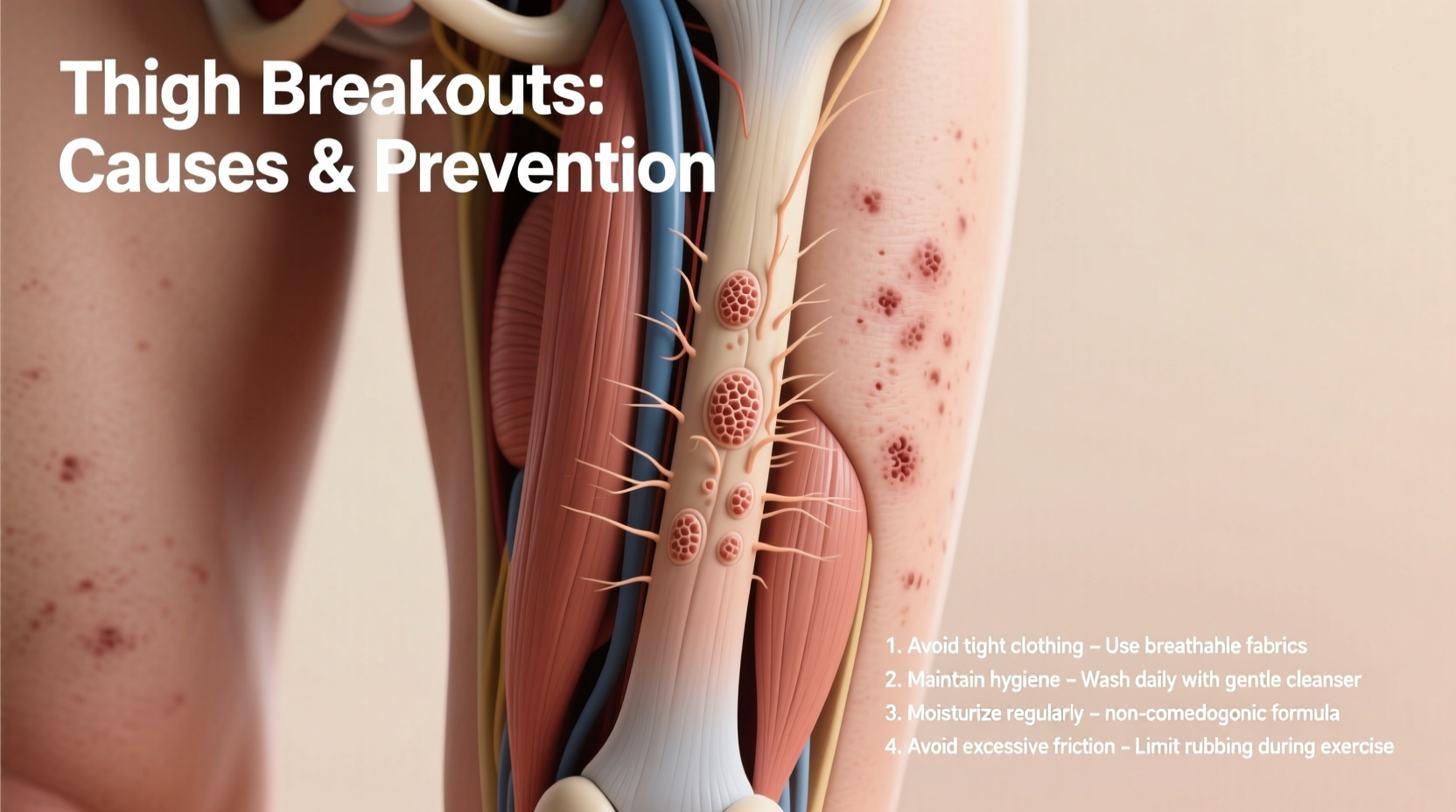
Thigh breakouts, medically referred to as folliculitis or acne mechanica, occur when hair follicles become inflamed due to irritation, bacteria, or blockage. The thighs are particularly prone because of constant movement, clothing friction, and moisture retention. Several factors contribute to this condition:
- Friction from clothing: Tight activewear, synthetic fabrics, or rough denim can rub against the skin, irritating follicles and triggering inflammation.
- Sweat and humidity: Prolonged exposure to sweat during workouts or hot weather creates a breeding ground for bacteria like Staphylococcus aureus.
- Clogged pores: Body lotions, oils, or dead skin cells can block follicles, especially in areas with high sebum production.
- Shaving or waxing: Hair removal methods can cause micro-tears in the skin, allowing bacteria to enter and cause ingrown hairs or pustules.
- Hormonal fluctuations: Just like facial acne, hormonal changes can increase oil production and trigger breakouts on the body.
- Poor hygiene or delayed post-workout showers: Remaining in sweaty clothes for hours increases the risk of bacterial overgrowth.
Effective Treatment Options for Thigh Breakouts
Treating thigh breakouts effectively depends on identifying whether the issue is mild acne, bacterial folliculitis, or fungal infection. Most cases respond well to topical treatments and lifestyle adjustments.
Topical Treatments
Over-the-counter (OTC) products containing active ingredients such as benzoyl peroxide, salicylic acid, or sulfur help unclog pores, reduce inflammation, and kill bacteria.
- Benzoyl Peroxide (2.5%–5%): Penetrates deep into pores to eliminate acne-causing bacteria. Start with a lower concentration to avoid dryness.
- Salicylic Acid (0.5%–2%): Exfoliates dead skin cells and prevents pore blockages. Ideal for rough, bumpy skin.
- Tea Tree Oil (Diluted): A natural antiseptic with anti-inflammatory properties. Mix with a carrier oil before applying to sensitive areas.
Prescription Treatments
If OTC remedies fail after 4–6 weeks, consult a dermatologist. They may prescribe:
- Topical antibiotics (e.g., clindamycin lotion)
- Oral antibiotics for widespread bacterial folliculitis
- Topical retinoids to normalize skin cell turnover
- Antifungal creams if a fungal cause (like pityrosporum folliculitis) is suspected
“Consistent use of exfoliating agents like salicylic acid twice weekly can significantly reduce recurrence of body breakouts.” — Dr. Lena Torres, Board-Certified Dermatologist
Prevention Tips to Keep Thighs Clear
Preventing thigh breakouts requires a proactive approach focused on hygiene, fabric choices, and skincare habits. Incorporating simple daily routines can drastically reduce flare-ups.
Tip: Use fragrance-free, non-comedogenic body washes to minimize irritation and pore clogging.Step-by-Step Prevention Routine
- Shower immediately after sweating: Rinse off sweat and bacteria before they settle into follicles.
- Exfoliate 2–3 times per week: Use a gentle chemical exfoliant (like a salicylic acid body scrub) to remove dead skin.
- Wear breathable fabrics: Choose cotton, bamboo, or moisture-wicking athletic wear instead of tight nylon or polyester.
- Avoid heavy lotions on thighs: Opt for lightweight, oil-free moisturizers if needed.
- Wash workout clothes after each use: Bacteria and yeast linger in unwashed garments.
Do’s and Don’ts: Quick Reference Table
| Do’s | Don’ts |
|---|---|
| Wear loose-fitting clothes after exercise | Stay in sweaty leggings for hours |
| Use a clean towel every time you shower | Share towels or loofahs with others |
| Apply acne-fighting body wash to thighs | Scratch or pop breakouts (increases scarring risk) |
| Replace old razors frequently | Shave over inflamed areas without disinfecting |
| Wash bedding and towels weekly in hot water | Use heavily fragranced body products |
Real-Life Example: Overcoming Recurring Inner Thigh Breakouts
Jamie, a 28-year-old fitness instructor, struggled with persistent red bumps on her inner thighs for over a year. She assumed it was chafing from cycling shorts but noticed the spots worsened despite using anti-chafe balms. After seeing no improvement with home remedies, she visited a dermatologist who diagnosed her with bacterial folliculitis exacerbated by daily spinning classes and re-wearing damp leggings.
The dermatologist recommended a routine: showering within 15 minutes of class, switching to breathable merino-blend shorts, and using a benzoyl peroxide wash three times a week. Within six weeks, Jamie’s breakouts cleared, and she has maintained clear skin by sticking to the regimen. Her experience highlights how easily misdiagnosed thigh issues can be—and how proper identification leads to effective solutions.
Frequently Asked Questions
Can thigh breakouts be caused by a fungal infection?
Yes. Fungal folliculitis, often caused by Malassezia yeast, mimics acne but tends to appear as uniform, itchy pustules. It thrives in warm, moist environments and typically requires antifungal treatment like ketoconazole shampoo used as a body wash.
Is it safe to use facial acne products on the thighs?
In general, yes—but proceed with caution. Facial products are formulated for more sensitive skin and may not be strong enough for thicker body skin. Conversely, some body treatments may be too harsh for the face. Always patch-test first and avoid alcohol-heavy formulas on large areas.
How long does it take for thigh breakouts to heal?
Mild cases improve within 1–2 weeks with consistent care. Moderate to severe breakouts may take 4–8 weeks, especially if using prescription treatments. Patience and consistency are key—stopping treatment early can lead to relapse.
Final Thoughts and Call to Action
Thigh breakouts are more than just a cosmetic nuisance—they can impact confidence, comfort, and daily activities. The good news is that with the right knowledge and habits, most cases are preventable and treatable. Whether you're dealing with occasional bumps or chronic flare-ups, small changes in hygiene, clothing, and skincare can make a lasting difference.
💬 Have a tip that worked for your skin? Share your experience in the comments below—your insight could help someone finally find relief.








