Cat owners today are embracing pet fashion not just as a trend, but as a way to express their cat’s personality and strengthen the bond through shared style. Among the most charming accessories are cat bandanas—lightweight, fun, and surprisingly versatile. However, blending style with safety requires careful consideration. A poorly chosen or improperly fitted bandana can lead to discomfort, stress, or even injury. This guide delivers practical, vet-approved strategies to ensure your cat looks fabulous without compromising well-being.
Why Cat Bandanas? Style Meets Personality
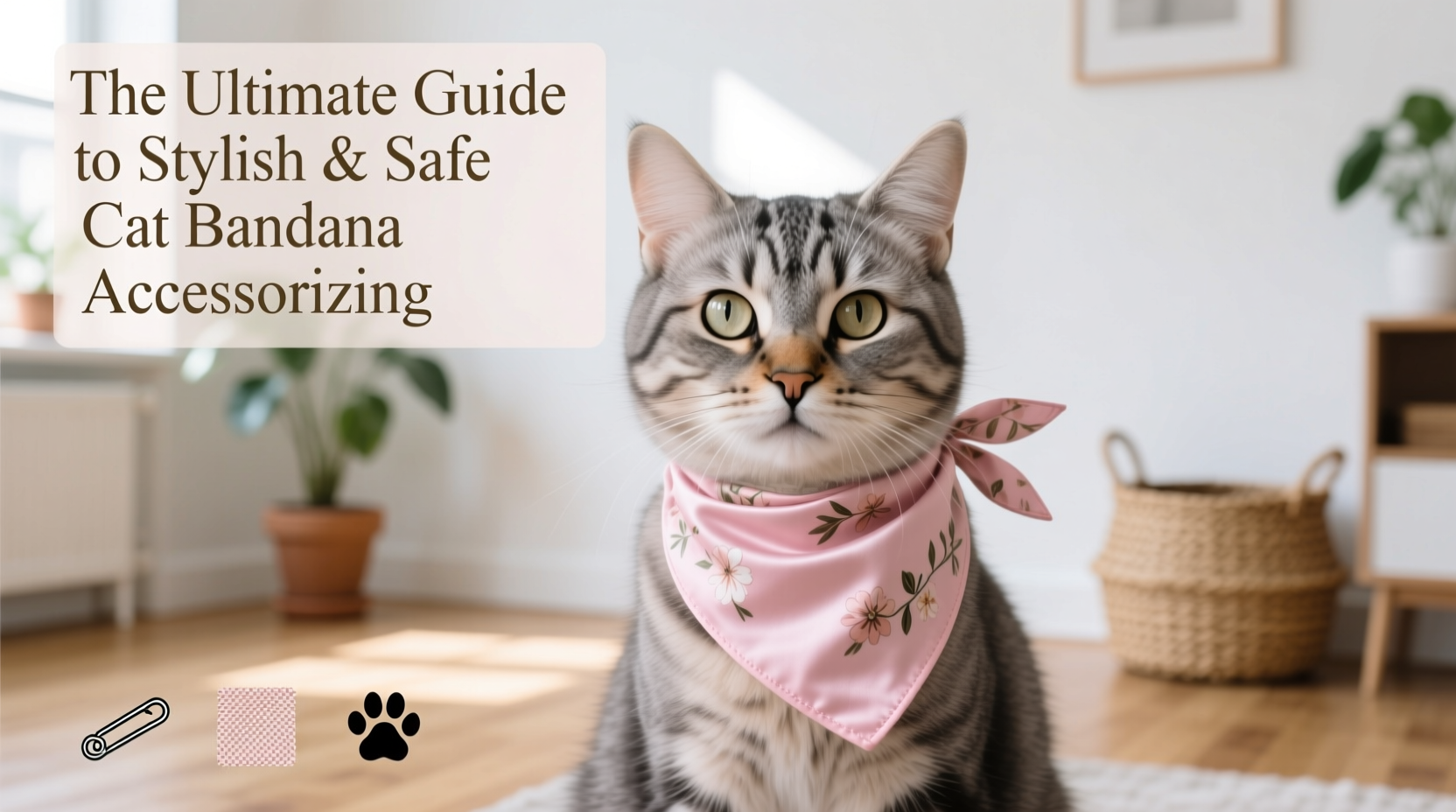
Bandanas offer more than aesthetic appeal—they can reflect your cat’s temperament or celebrate special occasions. Whether it’s a bold print for an outgoing tabby or a soft pastel for a shy companion, the right bandana enhances your cat’s presence. They’re also ideal for photo shoots, holidays, or social media moments that capture your pet’s unique charm.
However, unlike dogs, cats are less tolerant of foreign objects around their necks. Their grooming habits, agility, and sensitivity mean accessories must be lightweight, secure, and non-restrictive. The goal is subtle enhancement, not transformation.
Tip: Introduce bandanas during calm moments—like after meals or naps—to reduce resistance and build positive associations.Selecting Safe and Stylish Materials
The fabric you choose directly impacts comfort and safety. Cats have sensitive skin and may lick or chew at loose threads, so material selection is critical. Lightweight cotton, bamboo blends, and soft linen are top choices due to breathability and hypoallergenic properties. Avoid synthetic fabrics like polyester, which can trap heat and cause irritation.
Patterns matter too. Busy prints can visually overwhelm some cats, while solid colors or gentle motifs (like paw prints or stars) tend to be more soothing. For outdoor use—such as supervised garden time—consider UV-protective fabrics in light tones to prevent overheating.
“Cats are fastidious groomers. Any accessory they can easily chew or ingest poses a serious risk. Stick to tightly woven, non-fraying fabrics.” — Dr. Lena Patel, Feline Behavior Specialist
Proper Fit: The Key to Comfort and Safety
A bandana should never restrict movement, breathing, or grooming. The ideal fit allows two fingers to slide comfortably between the bandana and your cat’s neck. Too tight causes chafing; too loose risks snagging on furniture or being pulled into the mouth.
Most cat bandanas come in three sizes: small (for kittens), medium (average adult cats), and large (for bigger breeds like Maine Coons). Always measure your cat’s neck before purchasing. Use a soft tape measure behind the ears and under the jawline—the natural resting place for collars and accessories.
Step-by-Step: Measuring Your Cat’s Neck
- Wait until your cat is relaxed—after napping or eating.
- Use a flexible measuring tape or a piece of string.
- Wrap it around the base of the neck, just below the ears.
- If using string, mark the overlap and measure against a ruler.
- Add half an inch for comfort and growth (especially for kittens).
| Neck Size (inches) | Recommended Bandana Size | Fitting Notes |
|---|---|---|
| 7–8\" | Small | Ideal for kittens and petite breeds like Singapuras |
| 9–10\" | Medium | Suits most domestic shorthairs and British Shorthairs |
| 11–12\" | Large | Better for long-haired or broad-shouldered breeds |
Safety-First Design Features
Not all bandanas are created equal. Prioritize designs with breakaway clasps, snap buttons, or Velcro instead of knots. Knots can tighten when wet or if tugged, posing a strangulation hazard. Snap closures allow quick release if the bandana snags, and Velcro offers adjustability without slipping.
Look for reversible styles—these often have smoother inner linings that reduce friction against fur. Also, avoid embellishments like beads, bells, or dangling strings, which can be chewed off and swallowed.
Tip: Test the bandana for “snag resistance” by gently pulling it across a carpeted edge. If it catches easily, it’s unsafe for active cats.Mini Case Study: Bella the Adventurous Tabby
Bella, a 3-year-old tabby from Portland, loved accompanying her owner on balcony gardening sessions. Her owner wanted to dress her in a bandana for photos but noticed Bella pawing at her neck within minutes. After switching from a knotted cotton scarf to a snap-button linen bandana with a smooth inner layer, Bella remained calm and even purred during wear. The key change? Eliminating the knot and choosing a breathable, securely fastened design. Over time, Bella associated the bandana with outdoor adventures, making it part of her routine.
Styling Tips for Every Occasion
Bandanas aren’t just everyday accessories—they can elevate special moments. Match the color or pattern to the season or event:
- Holidays: Red and green plaid for Christmas, pastel stripes for Easter
- Birthdays: Bandanas with embroidered names or age tags
- Photo Shoots: Solid colors that contrast with your cat’s coat (e.g., navy for orange cats)
- Vet Visits: Calming patterns like clouds or waves to reduce anxiety
Rotate bandanas weekly to prevent overuse and fabric fatigue. Store them flat in a drawer lined with cedar chips to deter moths and odors.
Checklist: Pre-Wear Safety & Style Review
- ✅ Measure neck size accurately
- ✅ Choose soft, breathable fabric
- ✅ Confirm secure, breakaway closure
- ✅ Inspect for loose threads or sharp edges
- ✅ Limit initial wear to 15–30 minutes
- ✅ Monitor behavior for signs of distress
- ✅ Remove before unsupervised time or sleep
FAQ: Common Questions About Cat Bandanas
Can cats wear bandanas all day?
No. Bandanas should only be worn under direct supervision and removed after 1–2 hours. Continuous wear increases the risk of entanglement, chewing, or skin irritation. Never leave a bandana on overnight or when you’re not home.
What if my cat hates wearing anything around the neck?
Respect your cat’s boundaries. Start with short trials using treats and praise. Try a collar-free bandana that ties around the body harness instead. If stress persists—flattened ears, hiding, excessive grooming—discontinue use. Not every cat enjoys fashion, and that’s okay.
How do I clean a cat bandana?
Hand-wash in cold water with mild detergent. Lay flat to dry to preserve shape and elasticity. Avoid bleach or fabric softeners, which can irritate sensitive skin. Wash after every 2–3 uses, especially if your cat has been outdoors.
Conclusion: Fashion That Respects Feline Nature
Accessorizing your cat with a bandana can be a joyful expression of companionship—if done thoughtfully. The balance lies in respecting your cat’s instincts while enhancing their look. By choosing safe materials, ensuring proper fit, and monitoring comfort, you create a positive experience that both of you can enjoy. Style should never override safety, but when aligned, it becomes a celebration of your cat’s individuality.
💬 Ready to try a cat bandana? Start with a simple snap-button design in soft cotton, and share your first styled moment in the comments below!








